
This guide explores the safety of letting your baby sleep in a stroller bassinet. While convenient for short naps under close watch, it is not a replacement for a crib or bassinet designed for overnight sleep. We detail crucial safety rules, step-by-step setup, and when you must transfer your baby to a firm, flat sleep surface.
Key Takeaways
- Supervision is Non-Negotiable: A stroller bassinet is only safe for sleep when you are actively watching your baby. Never leave them unattended.
- It’s for Short Naps, Not Nights: Stroller bassinets are designed for temporary, supervised sleep during the day, not for extended or overnight sleep.
- Flat, Firm Surface is Key: Ensure the bassinet attachment is fully flat and has a firm mattress. Reclined stroller seats are not safe for infant sleep.
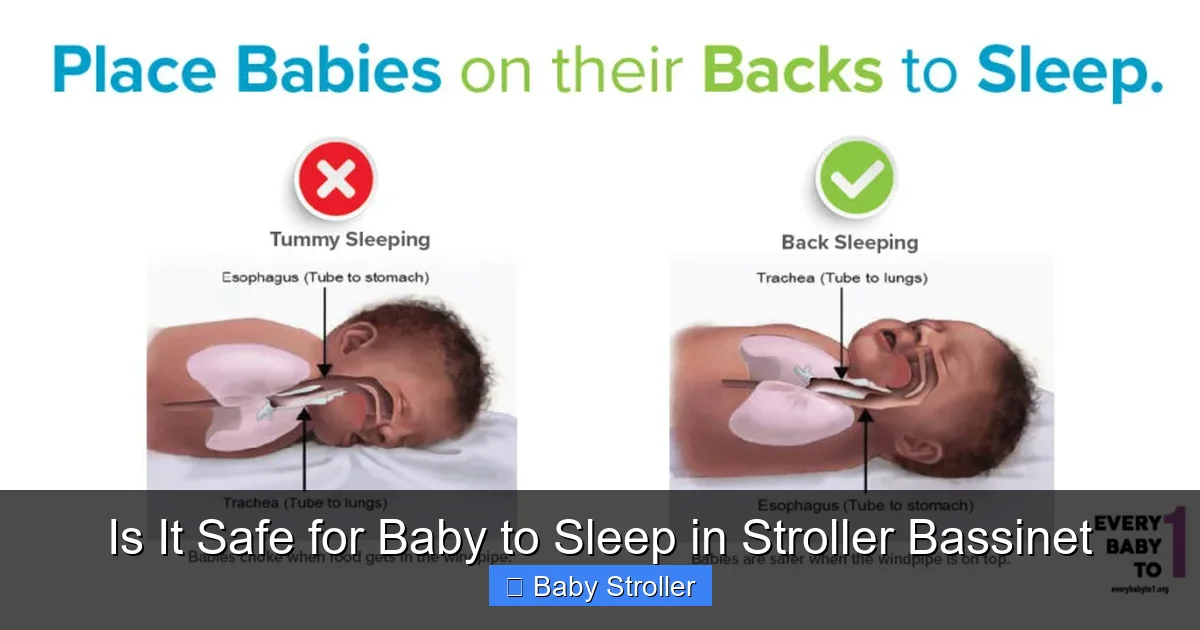
- Follow Safe Sleep Rules: Always place baby on their back, with no loose bedding, pillows, or toys in the bassinet to reduce SIDS risk.
- Check for Safety Certification: Only use a bassinet that meets current safety standards (like ASTM or JPMA certification) and is specifically designed for your stroller.
- Mind the Environment: Keep the stroller away from hazards, ensure proper ventilation, and be cautious of overheating or direct sunlight.
- Know When to Transition: Move your baby to their crib as soon as they show signs of rolling or reach the bassinet’s weight/height limit.
Is It Safe for Baby to Sleep in Stroller Bassinet? A Parent’s Complete Guide
Picture this. You’re on a lovely walk. The fresh air and gentle motion of the stroller have worked their magic. Your little one is peacefully asleep in the bassinet. It’s a sweet moment. But a question pops into your head: “Is this actually safe?”
You’re not alone. Many parents wonder if it’s okay for a baby to sleep in a stroller bassinet. The short answer is yes, but with very important rules. This guide will walk you through everything you need to know. We’ll cover official safety advice, step-by-step setup, and common mistakes to avoid. Your baby’s safety is the top priority. Let’s learn how to make on-the-go naps as safe as possible.
Understanding the Safety Basics: What Experts Say
First, let’s look at the expert guidelines. The American Academy of Pediatrics (AAP) promotes safe sleep to reduce the risk of SIDS. Their golden rule is: “Back to Sleep, on a Flat, Firm Surface.”
Visual guide about Is It Safe for Baby to Sleep in Stroller Bassinet
Image source: sleepsafebaby.com
A certified stroller bassinet can provide that firm, flat surface. But there’s a big catch. It is only considered safe for supervised sleep. This means you are awake, alert, and watching your baby. It is not approved for the long, unattended sleep a baby gets at night.
Think of a stroller bassinet as a great spot for a short park nap while you read a book nearby. It is not a replacement for a crib, which is engineered for hours of unsupervised sleep.
Step-by-Step: How to Safely Let Your Baby Sleep in the Stroller Bassinet
Follow these steps every single time your baby drifts off in their bassinet.
Visual guide about Is It Safe for Baby to Sleep in Stroller Bassinet
Image source: everybabyto1.org
Step 1: Verify Your Bassinet is Sleep-Safe
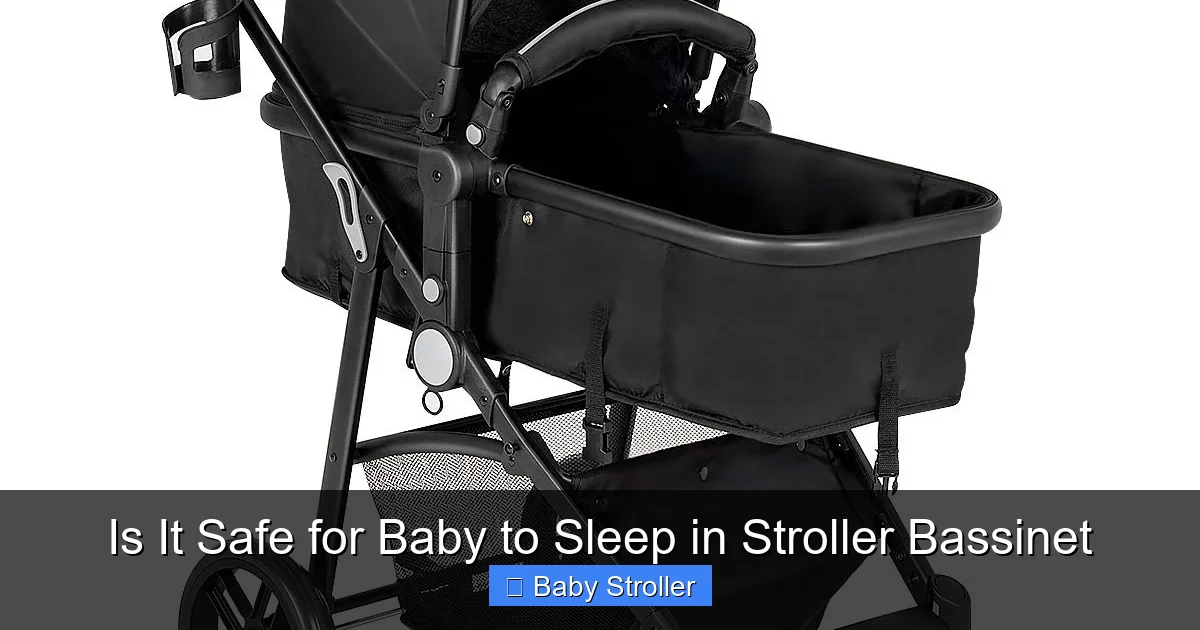
Not all bassinet attachments are created equal. Some are “carrycots” meant only for transport, not sleep. Check your product manual. Look for key phrases like “suitable for overnight sleep” or “meets ASTM F2194 bassinet standards.” A certified sleep-safe bassinet will have a flat, rigid base and breathable sides.
Step 2: Ensure a Perfectly Flat, Firm Position
Before placing your baby down, confirm the bassinet is completely flat. Use a level if needed. The mattress pad should be firm. If it sinks under your hand’s pressure, it’s too soft. Never let your baby sleep in a reclined stroller seat. This can cause their head to tilt forward and restrict their airway.
Step 3: Practice the ABCs of Safe Sleep
A is for Alone: The bassinet should be empty. No stuffed animals, loose blankets, pillows, or bumper pads. Dress your baby in a sleep sack or appropriate clothing for the temperature instead of using a blanket.
B is for Back: Always place your baby on their back to sleep. This is the safest position, even in a bassinet.
C is for Crib (or Certified Bassinet): In this case, you are using a certified, firm, flat bassinet.
Step 4: Secure the Harness (If Provided)
Some bassinets come with a simple, low-profile harness. If yours has one, use it. It should be snug but not tight. If there is no harness, don’t worry. A safe sleep environment on a flat surface is the most critical factor.
Step 5: Position the Stroller Safely
Once baby is asleep, engage the stroller’s wheel locks. Position the stroller on level ground, away from stairs, water, or busy paths. Never let the stroller rock or roll while the bassinet is attached and baby is inside. Ensure the area is well-ventilated and shaded from direct sunlight.
Step 6: Maintain Constant Supervision
This is the most important step. You must stay where you can see your baby’s face and chest clearly. Listen for their breathing. Do not get distracted by your phone, a chat, or a task. Supervised sleep means you are actively watching.
Essential Safety Tips and Best Practices
Beyond the basic steps, these tips will make you a pro at safe stroller sleep.
Visual guide about Is It Safe for Baby to Sleep in Stroller Bassinet
Image source: images-na.ssl-images-amazon.com
Check the Weather: Be vigilant about temperature. In hot weather, a bassinet can get much warmer than the air. Use a sunshade and feel your baby’s neck for sweat. In cold weather, a footmuff or layered clothing is safer than heavy blankets.
Know the Limits: Every bassinet has a maximum weight and height limit. Often, this is around 20 lbs or until baby can push up on hands and knees. Stop using it the moment your baby reaches any limit.
Use the Right Stroller: Only attach the bassinet to the stroller frame it was designed for. Mixing brands can create an unstable, dangerous fit.
Travel System Caution: A car seat clicked into a stroller is NOT a safe sleep space. Babies should not sleep in a car seat outside the car for extended periods due to positional asphyxiation risk. Always transfer them to the flat bassinet for naps.
Troubleshooting Common Concerns
What should you do in tricky situations? Let’s troubleshoot.
What if the bassinet seems slightly inclined? If it’s not perfectly flat, do not use it for sleep. Contact the manufacturer. Even a small incline can compromise an infant’s airway.
My baby only falls asleep moving. What now? It’s fine for them to fall asleep as you stroll. But once they are asleep, stop walking, lock the wheels, and supervise. Do not leave them sleeping in a moving stroller unattended.
How long is too long for a stroller nap? There’s no set time, but shorter is better. For extended naps, the crib is always safest. Aim to transfer them to their crib after they’ve had a good restorative nap cycle (often 30-45 minutes).
The bassinet is getting cramped. What’s next? This is a clear sign to transition to the crib for all sleeps. Continuing to use a too-small space is unsafe.
Conclusion: Balancing Convenience and Safety
Letting your baby sleep in a stroller bassinet can be a wonderful tool for parents. It allows for fresh air, routine, and a bit of freedom. The key is to never let convenience outweigh safety.
Remember the core rules: supervision, a flat firm surface, and a bare sleep space. Use the bassinet for what it is—a short-term sleep solution for when you are awake and watching. For all other sleeps, especially at night, your baby’s own crib or bedside bassinet is the undisputed safest choice.
Trust your instincts. If something feels off, or you’re unsure, always choose the safer option. Now, you’re equipped with the knowledge to enjoy those peaceful stroller naps, knowing your little one is safe and sound.
🎥 Related Video: What our bassinet does that a car seat can’t. We use it daily. Totally worth it. #bassinet #doona
📺 Carine Delacroix
Stroller + bassinet https://amzn.to/3Hvg9MU Stroller (new model) https://amzn.to/3WsWlxu Bassinet only …
