
Determining how long your baby can safely stay in a stroller depends on their age, development, and the situation. For newborns, limit stroller time to short trips, while older babies can handle longer durations with regular breaks for movement and interaction. Always prioritize your baby’s comfort, safety, and developmental needs over convenience.
Key Takeaways
- Age is the Primary Factor: Newborns (0-3 months) should have very limited stroller time, while toddlers can tolerate longer periods with proper breaks.
- Watch for “The Rule of 2”: A general guideline is to not let your baby sit or lie in any container (stroller, car seat, swing) for more than 2 hours at a time.
- Your Baby’s Cues Are Crucial: Fussiness, crying, or squirming are clear signs your baby needs out of the stroller immediately.
- Prolonged Confinement Has Risks: Too much time in a stroller can contribute to flat head syndrome (positional plagiocephaly) and hinder motor skill development.
- Breaks Are Non-Negotiable: Every 30-60 minutes, take your baby out for cuddles, a diaper change, and supervised tummy time or free movement.
- Safety Extends Beyond Time: Proper harness use, sun protection, and appropriate clothing are just as important as duration.
- The Stroller is for Transport, Not Long-Term Sleep: While naps happen, a crib, bassinet, or play yard is always the safer sleep space.
How Long Can Your Baby Safely Stay in a Stroller: A Complete Guide
As a new parent, your stroller feels like a lifeline. It lets you run errands, take walks, and get some fresh air. But a common question pops up: “How long is too long?” Knowing the safe limits for stroller use is key for your baby’s comfort, development, and safety. This guide will walk you through age-based guidelines, critical safety factors, and practical tips to ensure every stroller ride is a good one.
Understanding the Core Principle: Movement is Development
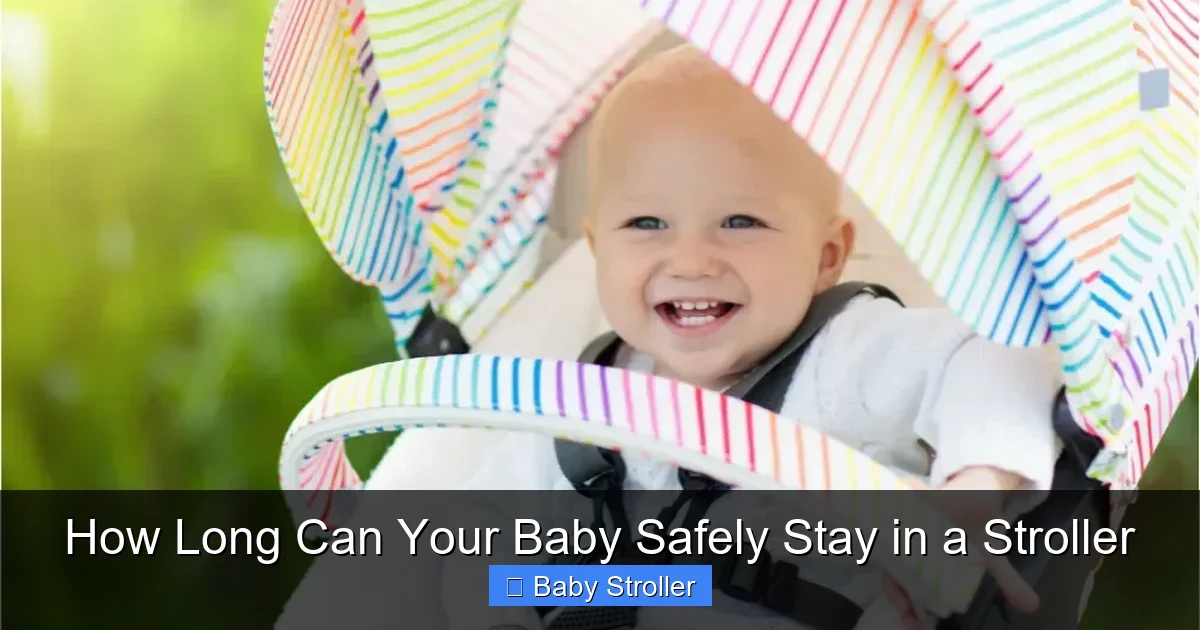
Before we talk numbers, let’s understand the “why.” Babies need to move. Kicking, rolling, reaching, and eventually crawling are how they build strong muscles, develop motor skills, and explore their world. A stroller, while incredibly useful, is a container that restricts movement. Our goal is to use it for transportation and short-term comfort, not as a long-term holding area.
Visual guide about How Long Can Your Baby Safely Stay in a Stroller
Image source: productpeek.com
The Golden Rule: Listen to Your Baby
Any time guideline is secondary to your baby’s signals. A happy, sleeping, or calmly observing baby is generally fine. A fussy, crying, or squirmy baby needs out now. Your baby is the best indicator.
Age-by-Age Stroller Time Guidelines
Safe stroller duration changes dramatically as your baby grows. Here’s a breakdown.
Visual guide about How Long Can Your Baby Safely Stay in a Stroller
Image source: productpeek.com
Newborns (0 – 3 Months)
Newborns are fragile and need maximal support. They should only be in a stroller that fully reclines to a flat position (a “lie-flat” or “pram” mode) to protect their airway and spine.
- Maximum Recommended Continuous Time: 30-60 minutes.
- Key Reason: To minimize risk of positional asphyxia and flat head syndrome. Their neck muscles are very weak.
- Best Use: Short walks around the neighborhood or quick errands. This is not the age for all-day mall trips.
Infants (4 – 9 Months)
As neck strength improves and they can hold their head up, babies can sit more upright in the stroller seat (if it reclines). They are more alert and interested in the world.
- Maximum Recommended Continuous Time: 1-2 hours.
- Key Reason: They still need frequent breaks for movement and to avoid pressure on one spot of their head.
- Best Use: Longer walks, visits to the park, or museum trips, with planned breaks.
Older Babies & Toddlers (10 Months+)
Once your baby can sit independently and especially once they are walking, they have much more tolerance and also much less patience for confinement!
- Maximum Recommended Continuous Time: 1.5-2 hours, but often less by their choice.
- Key Reason: They need ample time to practice walking, climbing, and exploring to fuel their rapid development.
- Best Use: Transportation between activities. At the zoo or festival, plan to let them out to toddle around in safe areas frequently.
Critical Safety Factors Beyond the Clock
Time is just one piece. These factors are equally important for safe stroller use.
Visual guide about How Long Can Your Baby Safely Stay in a Stroller
Image source: productpeek.com
1. Proper Harness Use
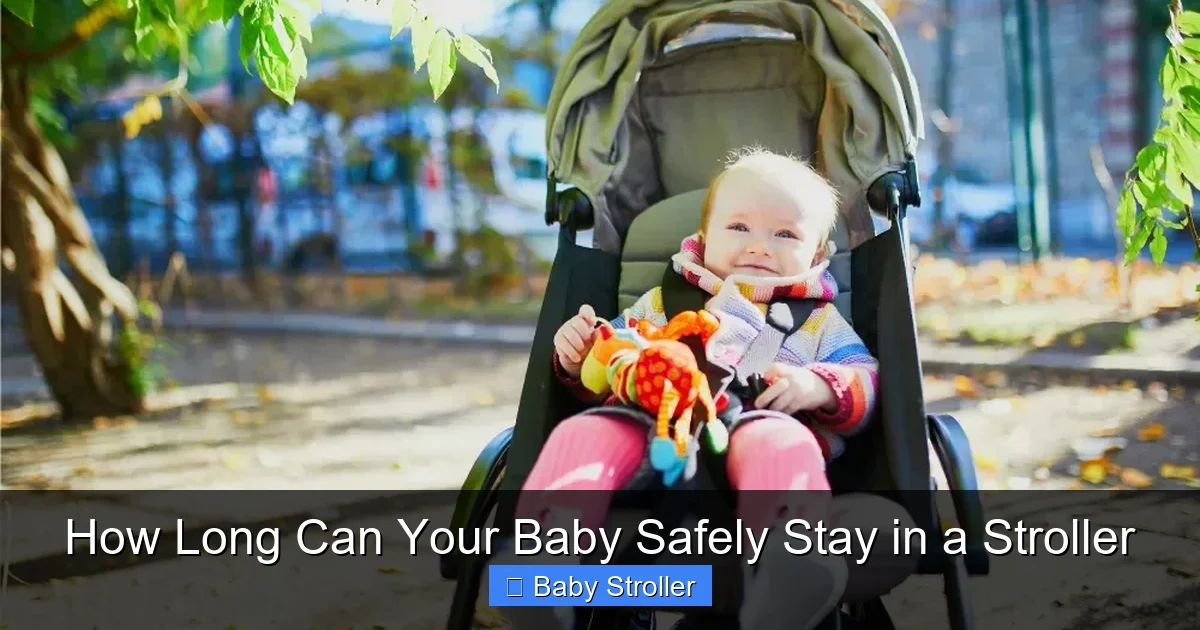
Always use the full 5-point harness (shoulder straps, waist strap, and crotch strap) every single time. Secure it snugly so you can only fit one or two fingers between the straps and your baby’s chest. This prevents slouching, which can restrict breathing, and keeps them safe on uneven ground.
2. Weather and Temperature Control
Strollers can become hot or cold quickly. In summer, never cover the stroller with a blanket to shade it—this creates a dangerous oven-like effect. Use the stroller’s canopy or a specialized breathable sun shade. In winter, use a footmuff or bunting bag instead of bulky coats under the harness, which can be unsafe.
3. The “Break Schedule” Strategy
Don’t wait for fussing. Proactively schedule breaks. A great routine is every 30-60 minutes:
- Take baby out of the stroller.
- Offer a diaper change.
- Give them cuddles and a feed if needed.
- Provide 5-10 minutes of supervised tummy time (for young infants) or free movement on a blanket.
This breaks up container time and meets their physical needs.
Clear Signs Your Baby Needs Out of the Stroller
Your baby will tell you when they’re done. Watch for these signals:
- Fussing, Whining, or Full-Blown Crying: The most obvious sign of discomfort or boredom.
- Arching Back or Squirming: Trying to escape the harness means they need a change of position.
- Rubbing Eyes or Face (When Not Tired): Can signal irritation or frustration.
- Slumping to One Side: Indicates fatigue and an inability to hold their posture safely.
Responding promptly to these cues builds trust and ensures comfort.
Troubleshooting Common Stroller Scenarios
What If My Baby Falls Asleep in the Stroller?
It happens! For a supervised nap during a walk, it’s generally fine. Ensure they are properly harnessed and reclined. However, for unsupervised sleep (like at home), always transfer them to a firm, flat crib or bassinet. A stroller is not a recommended safe sleep surface for long periods.
Managing Long Outings or Travel
For airport days or all-day tourism, the “Rule of 2” is your friend. Never let your baby be in any container (stroller, car seat, carrier) for more than 2 hours straight. Plan major breaks where you carry them, let them play on an airport blanket, or use a baby-wearing carrier to give their body a different position.
When Your Toddler Refuses the Stroller
This is a developmental milestone! They crave independence. Use a “walk/ride” strategy. Let them walk safely for a set distance or time (e.g., to the next tree), then it’s time to hop back in the stroller. This balances their need for movement with your need to actually get somewhere.
Prioritizing Development: The Risks of Too Much Time
Overusing a stroller (or any container) can have consequences:
- Flat Head Syndrome (Positional Plagiocephaly): Constant pressure on one part of the soft skull can cause flattening.
- Delayed Motor Skills: Lack of floor time can delay rolling, sitting, crawling, and walking.
- Hip Development Issues: Prolonged time in a position that doesn’t support the hips (like some semi-reclined seats) can be a concern.
The antidote is simple: plenty of supervised, unrestricted floor play every day.
Conclusion: Balance is Everything
Your stroller is a fantastic tool for your family’s mobility and adventure. Using it safely is all about balance. Remember the age guidelines, but always trust your baby’s cues over the clock. Implement proactive break schedules, use the harness correctly, and ensure that for every hour in the stroller, your baby gets plenty of time out of it to move, explore, and develop. By following these guidelines, you can enjoy the convenience of your stroller while fully supporting your baby’s health, safety, and happy growth.
🎥 Related Video: Don't Switch to a Stroller Until You Check For This
📺 Emma Hubbard
Sitting a baby up in a stroller before they’re ready presents some significant safety risks. It also leads to a baby who’s …
