
This guide answers the critical question: how long do baby strollers last? While a high-quality stroller can often serve through multiple children, its lifespan depends heavily on brand, usage, maintenance, and storage. You’ll learn the key factors that determine longevity, how to spot wear and tear, and practical tips to extend your stroller’s life. Safety should always be your primary concern when deciding to keep or replace a stroller.
Key Takeaways
- Quality is Key: A well-built stroller from a reputable brand typically lasts 5-10 years with proper care, often serving multiple children.
- Usage Dictates Lifespan: Heavy daily use on rough terrain wears a stroller out faster than occasional, gentle use.
- Maintenance is Non-Negotiable: Regular cleaning, lubrication of moving parts, and proper storage dramatically extend your stroller’s functional life.
- Inspect for Safety: Regularly check the frame for cracks, the brakes for function, and the harness for integrity. Compromised safety features mean it’s time to replace.
- Weight Limits Matter: Exceeding the manufacturer’s stated weight limit stresses the frame and joints, leading to premature failure.
- Parts Availability Expires: Even if the frame is fine, a stroller may become unusable if key replacement parts (wheels, canopies) are no longer sold.
How Long Do Baby Strollers Last? Your Complete Guide
Buying a stroller is a significant investment for any parent. Naturally, you want it to last. But how long can you actually expect a baby stroller to serve you safely and reliably? Is it a one-child wonder, or can it be a trusty companion for your growing family? The answer isn’t a simple number of years. A stroller’s lifespan is a mix of its build quality, how you use it, and how well you care for it. This complete guide will walk you through everything you need to know. You’ll learn the factors that determine durability, how to perform a crucial safety inspection, and steps to maximize your stroller’s life. Let’s roll into the details.
Understanding Stroller Lifespan: It’s More Than Just Time
Think of a stroller like a car. Two identical models can have vastly different conditions after five years based on mileage, maintenance, and driving conditions. The same is true for strollers. We’ll break down the primary factors that determine how long your stroller will last.
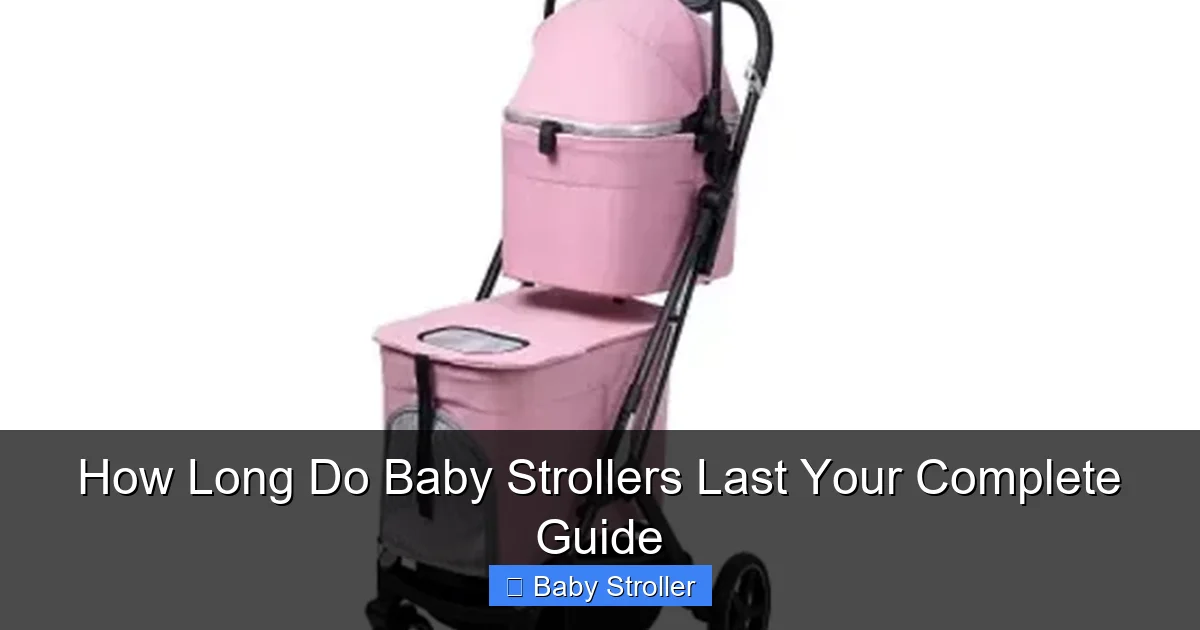
Visual guide about How Long Do Baby Strollers Last Your Complete Guide
Image source: smtstroller.com
Factor 1: Build Quality and Brand
This is the most important factor. A stroller built with high-grade aluminum, robust plastics, and quality fabric will inherently last longer than one made with cheaper materials.
- High-End Brands: Brands like UPPAbaby, Bugaboo, and Thule are engineered for durability and often last through multiple children, easily reaching 5-10 years with care.
- Mid-Range Brands: Strollers from brands like Baby Jogger or Graco offer good durability for their price and can reliably last through one child’s stroller years, often 3-5 years.
- Budget/Umbrella Strollers: These are designed for lighter, shorter-term use. They may last 1-3 years, but are not typically built for heavy daily use or hand-me-down status.
Factor 2: Frequency and Type of Use
How and where you use your stroller has a huge impact.
- Daily Heavy Use: A parent who walks several miles daily on pavement, gravel, or trails will see more wear on wheels, bearings, and the frame than a parent who uses it weekly for mall trips.
- Terrain: Constant use on rough, uneven surfaces or sandy beaches is more taxing than smooth sidewalks.
- Multi-Child Use: Strollers designed for two or more children (like tandem or wagon styles) bear more weight and stress, which can affect longevity.
Factor 3: Maintenance and Care
This is the factor you control! Proactive care is the secret to a long stroller life.
- Regular Cleaning: Dirt, sand, and salt (from winter roads) can grind down moving parts and degrade fabrics.
- Proper Storage: Storing your stroller clean and dry in a garage or closet protects it from sun/weather damage. Never leave it folded wet.
- Lubrication: A occasional drop of silicone-based lubricant on folding mechanisms and wheel joints keeps things moving smoothly and prevents rust and squeaking.
Factor 4: Weight Limits and Capacity
Every stroller has a manufacturer’s maximum weight limit. Pushing or exceeding this limit strains the frame, suspension, and wheels. This can lead to bent frames, broken joints, and premature failure. Always respect the limit.
Step-by-Step: How to Inspect Your Stroller for Wear and Tear
Your stroller won’t have an expiration date stamped on it. You need to be the inspector. Perform this check every few months, especially as your child gets heavier.

Visual guide about How Long Do Baby Strollers Last Your Complete Guide
Image source: smtstroller.com
Step 1: The Frame and Structure Check
Unfold the stroller and give it a good shake. Listen for unusual rattles.
- Visual Inspection: Look closely at all frame joints, weld points, and tubing. Any hairline cracks, bends, or corrosion are major red flags.
- Folding Mechanism: Open and close it several times. It should lock securely every time without sticking or feeling loose.
Step 2: The Safety Feature Test
This is non-negotiable. If these fail, the stroller is unsafe.
- Brakes: Engage the brake on a slight incline. The stroller should not roll at all. Check that the brake pedal or lever is not cracked or worn down.
- Harness and Buckles: Inspect the five-point harness straps for fraying or thinning. Test the buckle repeatedly. It should click securely and release smoothly every time.
- Reclining Mechanism: If applicable, test all recline positions. It should lock firmly in place.
Step 3: The Wheels and Mobility Check
Lift the stroller and spin each wheel.
- Wheel Spin: Wheels should spin freely and quietly. Grinding, wobbling, or sticking indicates worn bearings or axles.
- Tire Condition: For rubber tires, check for deep cracks or bald spots. For plastic wheels, look for cracks or chunks missing.
- Suspension: Push down on the handlebar. The suspension (if present) should give a little and rebound. A completely stiff or sagging suspension is worn out.
Step 4: The Fabric and Comfort Assessment
Look at the seat, canopy, and basket.
- Fabric Integrity: Check for significant fading, thinning, rips, or mold/mildew (a health hazard). Small stains are cosmetic; large structural holes are not.
- Canopy and Straps: Ensure the canopy still opens and closes and that its support rods aren’t broken. All adjustment straps should hold their position.
Troubleshooting: Common Problems and When to Call It Quits
Some issues are fixable; others mean retirement.

Visual guide about How Long Do Baby Strollers Last Your Complete Guide
Image source: babybloomland.com
- Problem: Squeaky wheels or stiff folding.
Solution: Often fixed by cleaning and lubricating. This is routine maintenance. - Problem: Worn brake pad or a single broken buckle.
Solution: Contact the manufacturer or check their website for replacement parts. Many brands sell spare parts for years. - Problem: Cracked frame tube, completely seized wheel bearings, frayed harness straps, or a failing folding lock.
Solution: It’s time to replace the stroller. These are critical structural or safety failures that cannot be reliably repaired and pose a direct risk to your child.
Pro Tips to Extend Your Stroller’s Life
Follow these simple habits to get the most years out of your purchase.
- Clean It Right: Use mild soap and water for the frame and fabric. Avoid harsh chemicals or power washers, which can damage materials and force water into bearings.
- Store It Smart: Keep it indoors, clean and dry. If you must store it in a car trunk, try to avoid compressing it under heavy bags.
- Mind the Load: Don’t overload the storage basket or hang heavy bags on the handlebar. This can make the stroller unstable and stress the frame.
- Check for Recalls: Register your stroller with the manufacturer and periodically check the CPSC website for recall notices, even for older models.
Conclusion: Safety is Your Final Guide
So, how long do baby strollers last? A well-made and well-cared-for stroller can be a trusted piece of gear for 5 years or more, often spanning multiple children. However, its true lifespan is measured not in years, but in condition. Your vigilant eye is the best tool. Regular inspections and proactive maintenance will keep it rolling smoothly. But when your inspection reveals significant safety concerns—a cracked frame, failed brakes, a broken harness—its job is done. No amount of sentimental attachment is worth compromising your child’s safety. By understanding the factors at play and committing to simple care, you can ensure every ride is a safe one and maximize the value of your stroller for years to come.
🎥 Related Video: Travel stroller folding competition is back! Who do you think won? #nuna #uppababy #joolz #bugaboo
📺 Strolleria
