
Baby strollers are expensive due to a combination of advanced engineering, high-quality materials, and rigorous safety testing. You’re not just paying for a frame and wheels; you’re investing in durability, innovative features, and long-term value. This guide explains each cost factor to help you make a smart purchase decision.
Key Takeaways
- Safety is Non-Negotiable: Expensive strollers undergo rigorous crash and durability testing, and use advanced braking and frame systems to meet high global standards.
- Premium Materials Cost More: Aerospace-grade aluminum, durable fabrics like canvas or recycled materials, and puncture-proof wheels add significant cost but ensure longevity.
- Engineering & Design are Complex: The R&D behind a smooth one-hand fold, all-terrain suspension, and lightweight yet strong frames requires significant investment.
- Brand Reputation & Warranties Add Value: Established brands invest heavily in customer service, long warranties, and product ecosystems, which is reflected in the price.
- You’re Buying a System, Not Just a Stroller: Many high-end strollers are part of a travel system designed to adapt from infancy to toddlerhood with compatible car seats, bassinets, and accessories.
- Certifications & Compliance Have a Cost: Meeting strict safety regulations (like JPMA, EN, ASTM) and eco-certifications requires rigorous processes that manufacturers must fund.
What Makes Baby Strollers So Expensive Explained
Strolling down the baby aisle can be a shock. You see simple umbrella strollers for under $100. Then, you see the high-end models. The price tags can go over $1,000. It makes you stop and wonder. What is the real difference? Why are some baby strollers so expensive? The answer is not just marketing. You are paying for advanced engineering, top-notch safety, and premium materials. This guide will walk you through every reason. By the end, you’ll see exactly what your money buys. You will also learn how to decide what features are worth it for your family.
Step 1: Understand the Core Cost of Materials
The foundation of any stroller’s cost is what it’s made from. Cheap strollers use basic materials. Expensive strollers use high-grade, durable components.

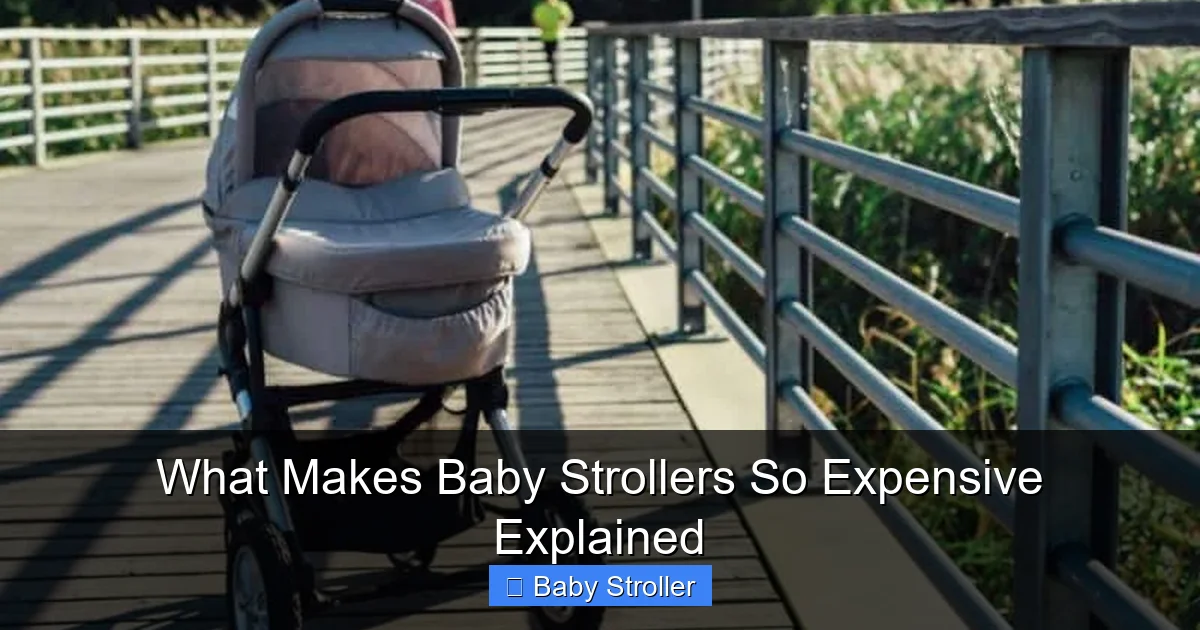
Visual guide about What Makes Baby Strollers So Expensive Explained
Image source: strollerinsider.com
Frame Materials: Aluminum vs. Steel
Think of the stroller frame as its skeleton. A cheap stroller often uses heavy, basic steel. It is strong but can rust and is very heavy. Mid-range and expensive strollers use aluminum alloys. This is the same material used in high-quality bikes and airplanes. It is lightweight yet incredibly strong. Some top brands use custom aluminum blends. These blends are designed to be both light and rigid. This material choice is a major cost driver. But it results in a stroller that is easy to lift and lasts for years.
Fabric and Upholstery Quality
Feel the seat fabric. Inexpensive strollers often use thin polyester. It might fade, tear, or feel scratchy. Premium strollers use heavy-duty canvas, breathable mesh, or eco-friendly fabrics. These materials are often stain-resistant, UV-treated, and easier to clean. Some brands even use recycled ocean plastics. These high-performance fabrics are more costly to source and manufacture. But they look better and last much longer.
Wheel and Tire Technology
Wheels are not all the same. Basic strollers have small, hard plastic wheels. They are fine for smooth mall floors. Expensive strollers have features like air-filled rubber tires (like bike tires). They may have suspension systems and swivel locks. All-terrain strollers use advanced rubber compounds. These compounds resist punctures. The bearings inside the wheels are also higher quality. This ensures a smooth, quiet ride for years. This engineering doesn’t come cheap.
Step 2: Recognize the Investment in Safety and Testing
This is perhaps the most critical area. You cannot put a price on your child’s safety. Stroller manufacturers know this. The safety standards for premium strollers are incredibly strict.
Visual guide about What Makes Baby Strollers So Expensive Explained
Image source: veryinformed.com
Rigorous Compliance Testing
All strollers must meet basic safety standards. But high-end brands often exceed them. They perform crash tests, stability tests, and durability tests. They test for things like:
- Tip-Over Resistance: Making sure the stroller won’t tip if a child leans.
- Brake Effectiveness: Testing brakes on steep hills.
- Load Capacity: Ensuring the frame can hold more than just a child (like a diaper bag on the handle).
- Joints and Hinges: Testing folding mechanisms thousands of times to prevent accidental collapse.
This testing happens in certified labs. It is expensive but non-negotiable. The cost is built into the product’s price.
Advanced Safety Features
Beyond testing, you pay for active safety tech. This includes:
- Five-Point Harnesses: With padded, easy-adjust straps.
- Hand-Operated Parking Brakes: Often with a two-step process to prevent accidental release.
- Wheel Suspension: This isn’t just for comfort. It keeps the stroller stable on uneven ground, preventing jolts that could tip it.
- Deep Reclining Seats: That securely support a newborn’s spine.
Each of these features requires more parts and more precise engineering.
Step 3: Appreciate the Engineering and Design Complexity
Making a stroller fold with one hand is not simple. Creating a smooth ride over cobblestones takes smart design. This is where research and development (R&D) costs come in.

Visual guide about What Makes Baby Strollers So Expensive Explained
Image source: sarahkleist.com
The Magic of the Fold
A compact, self-standing fold is a hallmark of many expensive strollers. This mechanism involves dozens of precisely engineered parts. Springs, latches, and locking pins must work perfectly every time for years. Designing this to be safe, reliable, and intuitive is a huge engineering challenge. That expertise costs money.
Adjustability and Ergonomics
High-end strollers grow with your child. They have adjustable footrests, extendable canopies, and seats that recline fully flat. The handlebars often adjust to different heights. This is crucial for parent comfort. Every adjustment point adds parts, complexity, and cost. But it also adds tremendous value and usability over time.
Modular Travel Systems
Many expensive strollers are the “base” for a travel system. The frame is designed to click with a specific infant car seat. It might also convert to hold a bassinet or a second seat (for twins). This modularity requires a universal adapter system. It must be rock-solid and foolproof. Designing this ecosystem is a massive undertaking. But it offers incredible convenience.
Step 4: Factor in Brand Value and Long-Term Support
When you buy a luxury stroller, you’re also buying into a brand’s ecosystem and reputation.
Warranties and Customer Service
A $100 stroller might have a 90-day warranty. A $900 stroller often has a multi-year, or even lifetime, warranty. This shows the company stands behind its product. They also provide accessible customer service. You can get replacement parts, like a new wheel or cup holder, years later. This long-term support infrastructure is a cost for the company. It is factored into the initial price.
Resale Value and Durability
Premium strollers hold their value. It’s common to see a 3-year-old high-end stroller sell for 50-60% of its original price. Why? Because they are built to last. Families use them for multiple children. This durability and strong resale market indirectly justify the higher upfront cost.
Step 5: Consider the Full Product Lifecycle
Think beyond the first use. An expensive stroller is an investment over 3-5 years or more.
Cost-Per-Use Calculation
Let’s do simple math. A $150 stroller used for 2 years (about 730 days) costs about $0.21 per day. A $800 stroller used for 4 years (1460 days) costs about $0.55 per day. But if you use it for two children over 6 years? The daily cost drops even more. The higher-quality stroller often provides a better cost-per-use value. This is especially true if it avoids the need for multiple cheaper strollers.
Environmental Impact
Buying one durable product is more sustainable. It is better than buying two or three that end up in a landfill. Some brands now use recycled materials and offer recycling programs. Developing these green initiatives also contributes to a product’s cost.
Troubleshooting: Is an Expensive Stroller Right for You?
Not every family needs a top-tier stroller. Ask yourself these questions:
- Lifestyle: Are you a city dweller who walks miles daily? Or do you mostly drive to destinations? An all-terrain, durable stroller is worth it for the former.
- Frequency of Use: Will this be your primary mode of baby transport? If yes, invest in comfort (yours and baby’s) and durability.
- Future Plans: Do you plan on having more children soon? A travel system or convertible double stroller might save money long-term.
- Budget Reality: Can you afford it comfortably? It’s never worth going into debt for a stroller. The good news? The robust resale market means you can often find last year’s high-end model at a discount.
Conclusion
So, why are baby strollers so expensive? As we’ve seen, it’s a layered answer. You pay for advanced materials like aircraft aluminum and premium fabrics. You fund rigorous safety testing that goes beyond the minimum. You invest in brilliant engineering that allows for easy folding and smooth rides. And you buy into a system of warranty support and long-term value. When you break down the cost, you see it’s not just about profit. It’s about performance, safety, and longevity. Your best move is to match the stroller’s features and price to your family’s specific needs. Think of it not as a simple purchase, but as a key tool for your parenting journey. Choose wisely, and it will serve you well for miles and years to come.
🎥 Related Video: Top 5 Mistakes To Avoid When Shopping For A Stroller | Stroller Buying Advice | Magic Beans Reviews
📺 The Baby Gear Guy
Eli is back with a new video, and he’s going to help you avoid the top five mistakes parents make when shopping for a stroller!
