
Baby strollers don’t have a stamped expiration date, but they do have a functional lifespan determined by material fatigue, safety standard updates, and wear and tear. Using a stroller beyond its intended lifespan can compromise its structural integrity, posing a serious safety risk to your child. This guide explains the hidden reasons and how to assess your stroller’s safety.
Key Takeaways
- Materials Degrade Over Time: Plastics become brittle, metals fatigue, and fabrics weaken due to UV exposure, temperature changes, and stress, even when stored.
- Safety Standards Evolve: An older stroller may lack critical safety features developed in the last 5-10 years, like improved restraint systems or stability tests.
- Wear and Tear is Invisible: Stress fractures in frames and compromised locking mechanisms can develop gradually and catastrophically fail when you least expect it.
- Recalls Are a Major Factor: An older stroller might be part of a safety recall that you’re unaware of, and replacement parts may no longer be available.
- The “5-10 Year” Rule is a Guideline: Most manufacturers and safety experts recommend replacing a stroller after this period, but heavy use or visible damage shortens this time.
- Your Warranty is a Clue: The length of the manufacturer’s warranty often reflects the expected reliable lifespan of the stroller’s core components.
- When in Doubt, Phase it Out: If you notice any wobbling, sticking, or difficulty folding/unfolding, it’s time to stop using the stroller immediately.
The Hidden Reason Baby Strollers Actually Expire
You check expiration dates on milk, medicine, and car seats. But what about your baby stroller? It might surprise you to learn that yes, baby strollers effectively expire. Unlike a gallon of milk, there’s rarely a date stamped on the frame. The expiration is hidden in the materials, the engineering, and the relentless march of safety science. This guide will walk you through the real reasons behind stroller lifespan, show you how to inspect your own, and help you make the safest choice for your family.
Think of a stroller as a complex machine that protects your most precious cargo. Over time, all machines wear out. We’ll explore the step-by-step process of understanding and assessing your stroller’s health. You’ll learn to spot the red flags that mean it’s time to retire your trusty ride.
Step 1: Understand the Core Concept of “Expiration”
The term “expiration” for strollers isn’t about a specific day it becomes unsafe. It’s about the gradual degradation of safety margins. A manufacturer designs a stroller to withstand certain forces for a reasonable lifespan. Over years, those safety buffers erode.

Visual guide about The Hidden Reason Baby Strollers Actually Expire
Image source: mamabeanparenting.com
The Science of Material Fatigue
Every material has a fatigue life. This is the number of stress cycles it can handle before failure.
- Aluminum and Steel Frames: Constant folding, unfolding, and bouncing over cracks create microscopic stress points. Over thousands of cycles, these can become hairline fractures.
- Plastic Components: Hubs, joints, and latch covers are often plastic. Sunlight (UV radiation) and temperature swings make plastic brittle. A critical plastic part can snap without warning.
- Fabrics and Canopies: These degrade from sun exposure, losing their strength and waterproofing. A weakened seat fabric might not properly support your child in a sudden stop.
This wear happens even if the stroller is stored in a garage. Materials age just sitting there.
Step 2: Check Your Stroller’s “Birth Certificate”
You need to find out how old your stroller is. This is your starting point.

Visual guide about The Hidden Reason Baby Strollers Actually Expire
Image source: teddycounty.com
Locate the Manufacturer’s Label
Look for a label or permanent stamp on the frame, usually under the seat or on the rear frame. It will have the model number, serial number, and most importantly, the manufacture date. It might be a clear date (e.g., 08/2021) or a code.
Decipher Date Codes and Look Up Recalls
If the date is coded, visit the manufacturer’s website. They often have guides. Once you have the model and date, do two things:
- Search for recalls on the Consumer Product Safety Commission (CPSC) website. An old recall is a major red flag.
- Check the manufacturer’s website for the official product manual and warranty information. The warranty period is a huge clue to expected lifespan.
Step 3: Perform the 5-Point Safety Inspection
Grab your stroller and give it a thorough check. Do this every few months, but especially if the stroller is over 3 years old.
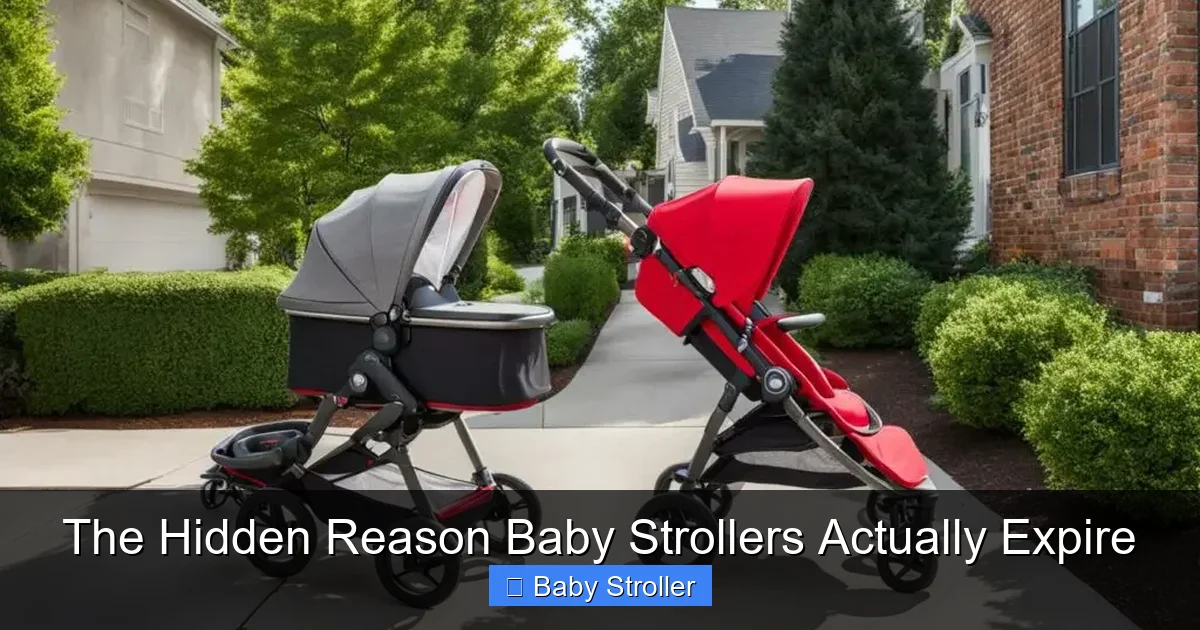
Visual guide about The Hidden Reason Baby Strollers Actually Expire
Image source: newmomstuff.com
1. Inspect the Frame and Joints
With the stroller fully open, grab the handle and shake it firmly side-to-side and front-to-back. Listen for rattles and feel for play or wobble. Examine all welded joints and folding mechanisms for any signs of cracks, rust, or corrosion. Pay close attention to areas under stress.
2. Test All Locking Mechanisms
This is critical. Open and close the stroller 10 times in a row. Every single time, ensure the primary locking mechanism engages with a solid, audible CLICK. If it ever fails to lock, or feels sticky, the stroller is immediately unsafe. Check secondary locks on reclining seats as well.
3. Examine Wheels, Brakes, and Swivels
Spin each wheel. They should spin freely without wobbling. Check that the wheel locks (brakes) engage securely and hold the stroller on a gentle incline. For swivel wheels, ensure the locking pin works to fix them in place.
4. Assess the Seat and Harness
Look at the five-point harness. Fraying straps or a buckle that doesn’t latch and unlatch smoothly are failures. Push on the seat fabric. Is it sagging significantly? Does it have tears or weak spots? A compromised seat affects security.
5. Review the Canopy and Basket
While less critical for crash safety, a torn canopy or a basket with broken supports indicates overall aging and can be a sign the stroller has lived a hard life.
Step 4: Evaluate Usage History and Lifestyle
A stroller’s lifespan isn’t just about years. It’s about use. Ask yourself these questions:
- Heavy or Light Use? Was it used daily for multiple children over rough city sidewalks, or mostly for occasional mall trips?
- Storage Conditions? Was it kept in a damp basement, a hot attic, or a climate-controlled closet? Extreme temperatures accelerate aging.
- Travel History? Airlines are rough on luggage. A stroller that has flown many times has endured exceptional stress.
A 4-year-old stroller with a rugged history may be more “expired” than a carefully stored 6-year-old one.
Step 5: Know When to Retire It (Troubleshooting)
Here’s how to interpret your inspection findings. This is your troubleshooting guide.
Immediate “Stop Use” Red Flags
- Any visible crack, split, or fracture in the frame or a load-bearing plastic part.
- A locking mechanism that fails to engage consistently.
- Excessive wobble or looseness in the frame that you can see or feel.
- A recalled stroller where the repair kit is no longer available.
If you see any of these, stop using the stroller now. It is expired.
Warning Signs That Mean Start Shopping Soon
- The stroller is over 10 years old (regardless of condition).
- It’s becoming difficult to fold or unfold smoothly.
- You notice new, minor creaks or sounds.
- The fabric is badly faded and thin, or the harness straps are stiff.
- The warranty has been expired for many years.
The General Lifespan Guideline
Most experts agree: for a primary, frequently used stroller, consider a 5 to 10-year maximum lifespan. The 10-year mark is for a lightly used, impeccably maintained, and perfectly stored stroller. For most families, aiming for replacement around the 5-7 year mark is a prudent, safe practice.
Conclusion: Safety Over Sentiment
It’s hard to say goodbye to a trusty stroller. It holds memories. But your child’s safety must come before sentiment. The hidden expiration of a baby stroller is a function of physics, chemistry, and advancing safety knowledge. By understanding the “why,” performing regular check-ups, and heeding the warning signs, you make an informed choice. You ensure every ride is as safe as the first. When your inspection shows it’s time, retire the old stroller with gratitude for its service, and confidently choose a new one that meets the latest standards for protecting your little one.
🎥 Related Video: Yep, it’s true! Car seats expire. Check yours today to make sure your kiddo is riding safe 🚘
📺 Dayton Children’s Hospital
Yep, it’s true! Car seats expire. Check yours today to make sure your kiddo is riding safe → If the expiration date is printed on …
