
Are baby bottles microwave safe? This guide explains which bottles can go in the microwave, safer heating options, and step-by-step warming methods. Learn quick tips, common mistakes, and troubleshooting to keep feeds safe and easy.
Key Takeaways
- Know the risk: Microwaves can heat unevenly and may create hot spots that burn your baby.
- Check labels: Not all bottles are microwave safe; always check the manufacturer’s guidance.
- Safer options: Use a bottle warmer, warm water bath, or prepare feeds ahead to avoid microwaving.
- Test temperature: Shake and test milk on your wrist to ensure even warmth and safe temp.
- Clean and inspect: Keep bottles clean and replace worn parts to avoid damage from heating.
- Follow steps: Use step-by-step warming methods and cooling waits to minimize hot spots.
Introduction: What you will learn
If you have asked “are baby bottles microwave safe,” you are not alone. This guide will answer that question in clear terms. You will learn which bottles can be microwaved, why microwaving can be risky, and how to heat milk safely. You will get step-by-step methods, tips, and troubleshooting ideas. The goal is simple. Keep feeds safe and make life easier.
Are baby bottles microwave safe? The basic answer
Many parents ask, “are baby bottles microwave safe?” The short answer is: sometimes. Some bottles carry a microwave-safe label. But even when a bottle is labeled as microwave safe, microwaving milk or formula can make hot spots. Hot spots can burn your baby’s mouth. So, even if the bottle is microwave safe, handle milk heating with care.
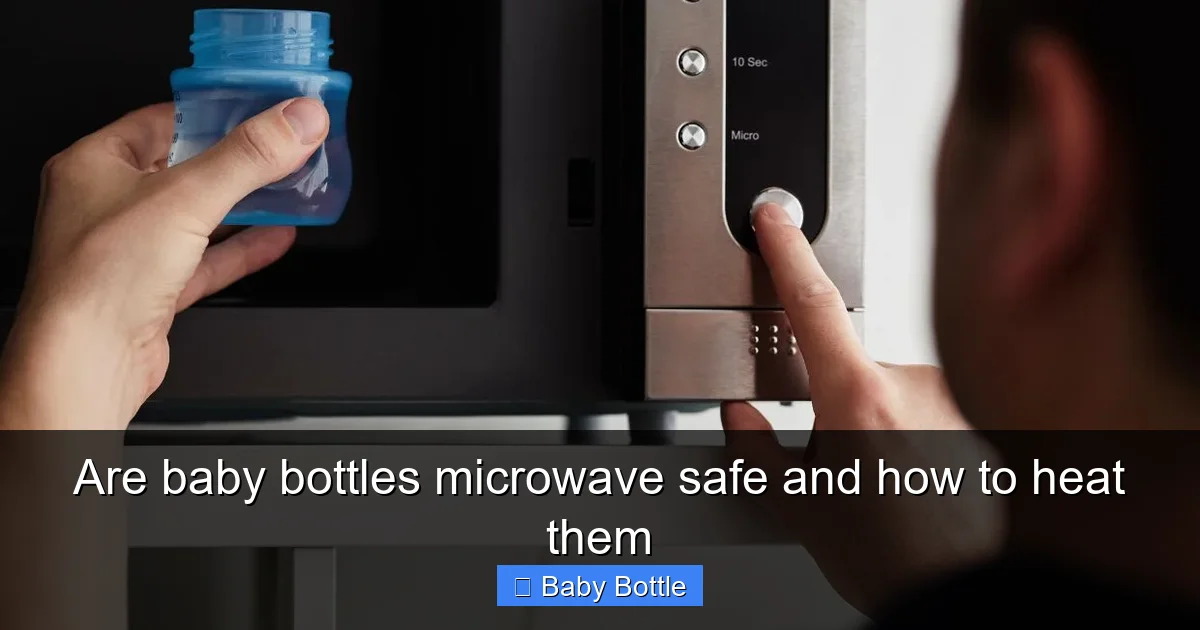
Visual guide about Are baby bottles microwave safe and how to heat them
Image source: breastfeeding-mom.com
Why people microwave bottles
Parents want quick warm milk. Microwaves are fast. They heat bottles in seconds. But speed can bring risks. Heating in a microwave can create uneven heat. That is the main concern. Knowing the risks helps you pick safer methods.
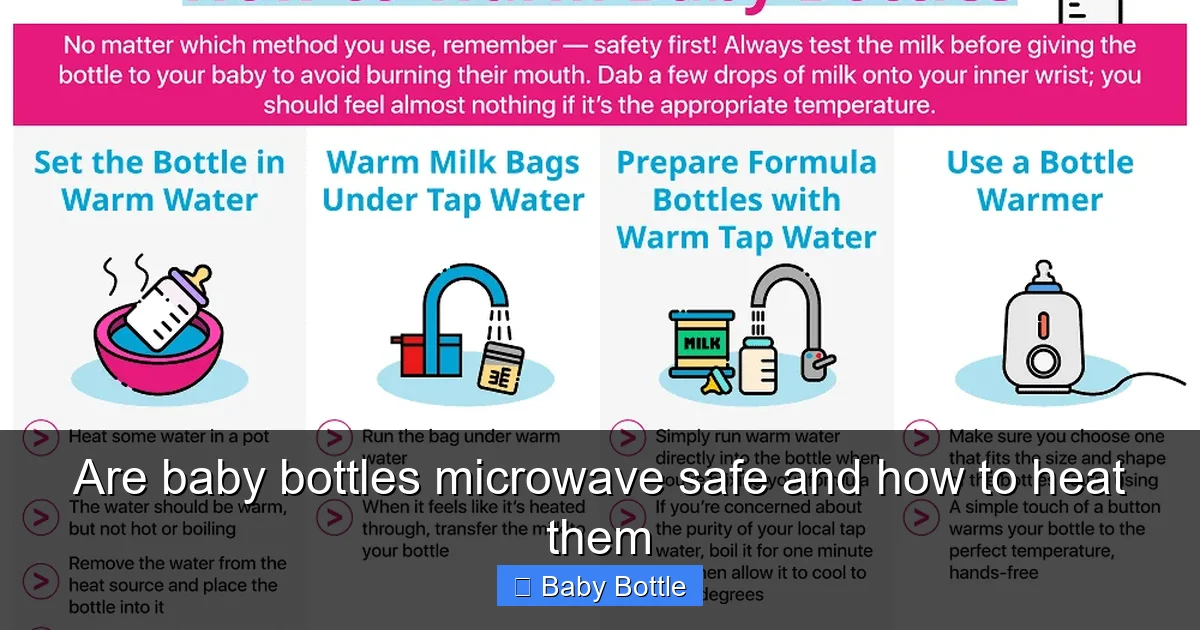
Visual guide about Are baby bottles microwave safe and how to heat them
Image source: momlovesbest.com
Step 1: Check the bottle label and materials
Before you heat, check the bottle. Look for a microwave-safe symbol or instructions. If the label says not to microwave, do not do it. If you are unsure, treat it as not microwave safe.
Visual guide about Are baby bottles microwave safe and how to heat them
Image source: bestmicrowavechoice.com
Glass vs. plastic bottles
Glass bottles are often microwave safe. But glass can get very hot. Plastic bottles vary. Some plastics are microwave safe. Others are not. Always check the brand label. If a plastic bottle is scratched or worn, avoid microwaving. Old plastics can release chemicals if heated.
Silicone and stainless steel
Silicone nipples and parts may be microwave safe. Stainless steel bottles are not microwave safe at all. Do not place metal in a microwave.
Step 2: Understand the risks of microwaving milk
When you heat milk in a microwave, the temperature can vary inside the liquid. That means hot spots may form. Hot spots are small pockets of very hot liquid. They can burn your baby’s mouth and throat. Microwaving can also change the taste of milk. Some say it reduces some nutrients. For formula, overheating can harm nutrients. For breastmilk, heating too hot can reduce beneficial properties.
Step 3: If you must microwave, follow strict safety steps
If you choose to microwave despite the risks, follow these steps to reduce danger. Remember, even with care, microwaving carries more risk than other methods.
Step 3a: Use microwave-safe bottles only
Only heat bottles that are labeled microwave safe. Remove any metal parts. Screw the nipple loosely or remove it to let steam escape. Tight seals can build pressure and cause spills or explosions of hot liquid.
Step 3b: Use short intervals
Heat in short bursts. Try 5 to 10 seconds at a low power setting. Stop and swirl the bottle to distribute heat. Repeat until warm. Short bursts lower the chance of hot spots.
Step 3c: Swirl, don’t shake
After each burst, swirl the bottle gently. Do not shake hard. Swirling helps even out the temperature. Shaking can add air to the milk. Air can make gas for your baby.
Step 3d: Test the milk temperature
Always test milk on the inside of your wrist. It should feel lukewarm. If it feels hot, let it cool. Do not guess that the outside of the bottle equals inside temperature. The liquid can be hotter than the bottle feels.
Step 4: Safer heating methods (recommended)
There are safer ways to warm bottles. Use these instead of the microwave when possible. They reduce hot spots and keep milk nutrients safer.
Warm water bath
Place the bottle in a container of warm water for a few minutes. Stir or swirl the bottle in the water. This spreads heat slowly and evenly. It is quick and simple. It is one of the best options at home.
Electric bottle warmer
Many parents use bottle warmers. They heat evenly and keep milk at a safe temp. They are fast and convenient. Look for models that fit your bottle types. Follow the manufacturer instructions for safety.
Running warm tap water
Hold the bottle under warm running water. Rotate it to warm all sides. This method is fast if you need milk right away. Use caution with the tap temperature. Test before feeding.
Prepare feeds in advance
Prepare bottles before you need them. Store bottles in a fridge then warm when needed. Prewarming and storing allows you to avoid microwaving at all. This is a practical habit for night feeds.
Step 5: Warming expressed breast milk
Breast milk has special properties. It is best warmed gently. Avoid overheating. Rapid heating can break down antibodies and other benefits.
Use a warm water bath
Place breast milk in a bottle or storage bag into warm water. Warm for a few minutes. Swirl to mix any separated fat. Do not boil or microwave breast milk.
Testing breast milk
Always test breast milk on your wrist. It should be lukewarm. If it’s too hot, cool it under cold water. Never reheat milk more than once.
Step 6: Heating formula safely
Formula is more stable than breast milk. But it still can get hot spots. Heat formula with a warm water bath or bottle warmer. If you microwave formula, follow the short burst and swirl method. Test the temperature before feeding.
Step 7: How to avoid hot spots every time
Hot spots are the main hazard. Use these tips to minimize them.
- Short bursts: Heat for small intervals and swirl.
- Swirl gently: This distributes heat evenly.
- Remove nipples: Loose nipples let steam escape and reduce pressure.
- Check temperature: Test on your wrist every time.
- Use recommended gear: Use a bottle warmer or warm water bath when possible.
Cleaning and maintenance after heating
Heat can damage bottle parts. Check nipples and seals after heating. If parts look warped or cracked, replace them. Clean bottles well after each use. Sterilize often for infants under three months or if they are sick.
Inspect for wear
Look for scratches or cloudy plastic. These signs mean the bottle has aged. Old bottles may leach chemicals when heated. Replace them regularly.
Practical tips and examples
Here are practical tips you can use today. These are simple, quick, and safe.
- Night feed tip: Prepare formula ahead and keep it warm in a thermos. This saves time and avoids microwaves at 2 a.m.
- Travel tip: Carry a bottle warmer or use warm tap water at rest stops. Pack a small insulated bag with warm water.
- Shared care tip: Leave clear instructions for caregivers: how to warm, test, and store milk.
Troubleshooting: Common problems and fixes
Here are common issues and how to fix them.
Milk too hot after microwave
Stop heating. Let the bottle cool. Run it under cold water or place in a cold water bath for a few minutes. Test the milk again on your wrist. Remember to swirl to remove hot spots.
Uneven temperature after heating
Swirl the bottle and let it sit for one minute to let heat equalize. If uneven still, pour milk into a warm water bath and swirl. Avoid microwaving again.
Bottle cracked or warped
Discard damaged bottles. Replace with new ones labeled microwave safe if you insist on microwaving. Consider glass bottles for durability.
Formula clumps after warming
Gently roll the bottle between your hands. Swirl slowly. If clumps remain, shake gently to mix. If formula sits for long, prepare a fresh bottle.
Special situations
Certain scenarios need extra care.
Premature or newborn babies
For premature babies, do not microwave. Use warm water baths or bottle warmers. Their skin and mouth tissues are extra sensitive. Avoid any risk of burns.
Childcare centers and caregivers
Make clear rules. Many centers avoid microwaving bottles at all. Provide ready-warmed bottles or instructions. Use labels and a feeding plan.
Legal and safety standards
Manufacturers follow safety rules. Many bottles test for heat resistance. Check brand guidance. Look for units that meet local safety standards. If in doubt, avoid microwaving.
When microwaving might be acceptable
There are few cases where microwaving is practical. For quick warming in an emergency, if the bottle is labeled microwave safe and you follow the short burst and swirl method, it can be done. But safer methods are better whenever possible.
Summary of safe steps
Here is a quick, repeatable process to warm bottles safely:
- Check the bottle label for microwave safety.
- Prefer a warm water bath or bottle warmer.
- If microwaving, remove metal, loosen the nipple, use short bursts at low power.
- Swirl gently after each burst and test on your wrist.
- Never feed milk that is too hot. Cool if needed.
Conclusion
So, are baby bottles microwave safe? The answer depends on the bottle and the method. Some bottles are labeled microwave safe. But microwaving milk has real risks, like hot spots and nutrient loss. For best safety, use a warm water bath or a bottle warmer. If you must microwave, follow strict short-burst steps, swirl to avoid hot spots, and always test the milk on your wrist. Keep bottles clean and in good repair. When in doubt, choose the safer warming method. Your baby’s comfort and safety matter most.
🎥 Related Video: Baby safety tip: don’t microwave baby bottles! #formulafeeding #babysafety
📺 Bobbie Baby Formula
