
This guide explains common reasons for baby gagging on bottle and gives clear, simple steps parents can use right away. You will learn how to check bottles and nipples, adjust feeding position, pace feeds, burp effectively, and know when to call a doctor.
Key Takeaways
- Point 1: Gagging is often a normal reflex linked to flow rate, position, or swallowing skill.
- Point 2: Choosing the right nipple flow and checking bottle setup can prevent many gagging episodes.
- Point 3: Proper feeding position and paced bottle feeding reduce choking and gag risk.
- Point 4: Burping and small, frequent breaks help with spit-up and gag triggers.
- Point 5: Reflux, tongue tie, allergies, or illness need medical review if gagging is frequent or severe.
- Point 6: Trust your instincts; seek help if breathing, color change, or persistent feeding trouble occurs.
Introduction: What you will learn
This guide explains why baby gagging on bottle happens and what you can do. You will get step-by-step actions. You will learn simple checks and feeding habits. You will know when to try home fixes and when to call a doctor. The goal is calm, safe feeding and fewer scary moments.
Step 1: Understand the gag reflex and why it happens
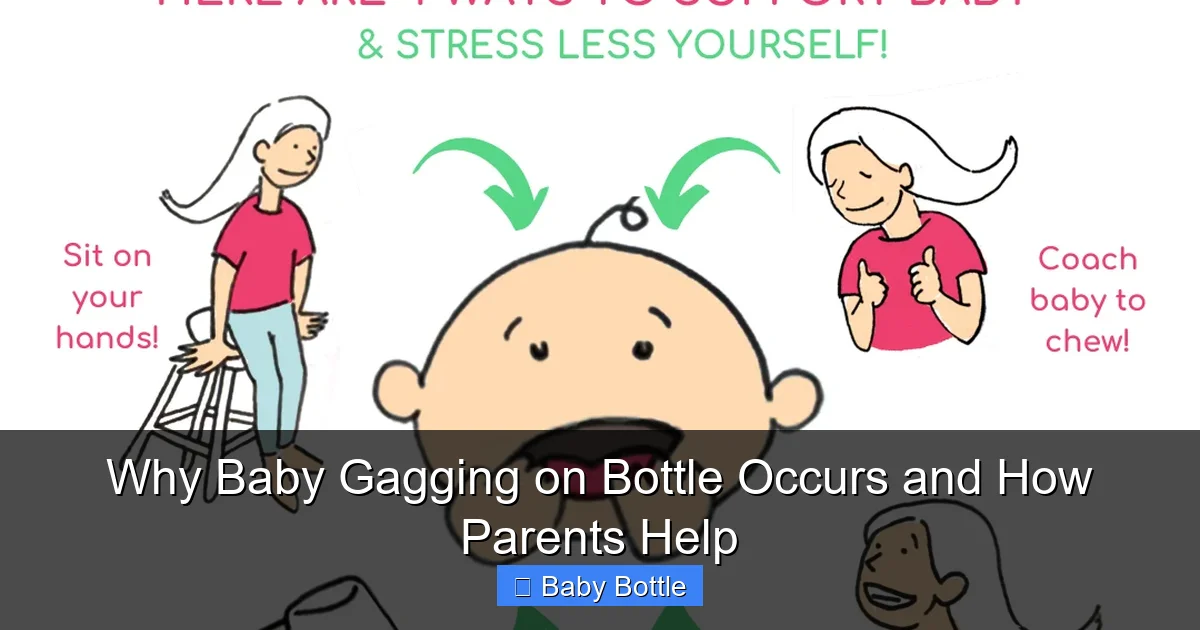
Babies have a strong gag reflex. It protects the airway. Most gagging is normal. It is not the same as choking. Learning the difference helps parents stay calm.
Visual guide about Why Baby Gagging on Bottle Occurs and How Parents Help
Image source: images.squarespace-cdn.com
What gagging feels like
Gagging is noisy and may look alarming. The baby may cough, sputter, or spit up. The baby usually recovers quickly. This is often why baby gagging on bottle occurs during adjustments to flow or position.
When gagging is normal
Normal gagging happens when a baby learns to swallow. It happens with new foods or bottle changes. It may occur when the flow is too fast or too slow. Knowing this helps you fix the cause.
Step 2: Check the bottle and nipple
One common reason for why baby gagging on bottle happens is the nipple flow. A nipple that is too fast floods the mouth. Too slow makes the baby suck hard and swallow air. Both can trigger a gag.
Visual guide about Why Baby Gagging on Bottle Occurs and How Parents Help
Image source: yourkidstable.com
Choose the right nipple flow
- Use age recommendations on packaging as a start.
- For newborns, start with a slow flow. Test flow with the bottle inverted. A drop every 1–2 seconds is often right for newborns.
- If milk pours quickly, try the next slower size or brand.
Inspect the nipple shape and hole
Look for splits or large holes. Replace old or stretched nipples. Some babies prefer wide or orthodontic shapes. Try one change at a time so you can see the effect.
Check bottle assembly
Make sure the nipple is seated correctly. A loose collar can leak and change flow. Air vents or anti-colic parts can help. Clean all parts well; residue can block vents and change flow suddenly, which is another reason for why baby gagging on bottle happens.
Step 3: Adjust feeding position
Position changes often stop gagging. A better angle helps milk move to the back of the throat in a controlled way. Small adjustments matter.

Visual guide about Why Baby Gagging on Bottle Occurs and How Parents Help
Image source: i.ytimg.com
Semi-upright is best
Hold your baby at a 45-degree angle. This is not fully upright and not flat. Support the head. Tilt the bottle so milk fills the nipple without large air pockets.
Support the chin and jaw
Keep the baby’s chin slightly tucked. This helps the tongue guide milk and reduces air swallowing. A steady hold is important.
Face-to-face comfort
Keep baby’s face visible. Watch cues. If baby turns away or arches, pause the feed. These cues are clues to why baby gagging on bottle may be happening in that moment.
Step 4: Use paced bottle feeding
Paced feeding mimics breastfeeding. It slows the flow. It gives the baby time to breathe and swallow. It reduces gagging and spitting up.
How to pace a feed
- Hold the baby semi-upright.
- Tilt the bottle so milk fills the nipple but does not pour.
- Offer the nipple and let the baby draw when ready.
- After 20–30 seconds of active sucking, tip the bottle down and rest for 5–10 seconds.
- Repeat. If the baby seems overwhelmed, give a longer break.
Signs paced feeding is working
The baby pauses naturally. Breathing is steady. There is less coughing or sputtering. These improvements show a reason for why baby gagging on bottle can stop with a simple pacing change.
Step 5: Burp often and effectively
Swallowed air can trigger gagging and discomfort. Burping helps. Regular burping reduces the chance the baby will gag from gas or reflux.
When to burp
- Mid-feed after 2–3 ounces for formula or every few minutes for breastmilk as needed.
- After the feed is finished.
How to burp
- Hold baby against your chest with chin on your shoulder.
- Gently pat or rub the back.
- Try sitting baby on your lap and supporting the chest while patting the back.
- Some babies burp best with belly pressure—lean baby forward slightly while patting.
Step 6: Watch for feeding cues and signs
Understanding cues helps prevent gagging. Babies tell you when they are ready, full, or overwhelmed. Read these cues to lower gag risk.
Hunger cues
- Rooting, lip smacking, small hands to mouth are early signs.
- Crying is a late sign and harder to feed from.
Fullness or stress cues
- Turning head away
- Clamping mouth shut
- Arching back
If these cues appear, pause. Offer comfort and try again later. Recognizing cues is a practical way to reduce instances of why baby gagging on bottle happens.
Step 7: Try different bottles or nipples
Not all babies like the same shape. A different brand or design may help. If your baby gags with a particular style, test alternatives slowly.
Trial tips
- Switch one item at a time to see effect.
- Keep notes: time, amount, behaviors, and the bottle used.
- Try silicone vs. latex nipples to see preference.
Step 8: Address reflux and spit-up
Acid reflux can make gagging worse. If your baby spits up a lot, arches, or refuses feeds, reflux may be part of the reason for why baby gagging on bottle happens.
Home steps for reflux
- Feed smaller amounts more often.
- Keep baby upright 20–30 minutes after feeding.
- Use paced feeding and burp often.
When to call the doctor for reflux
Call a doctor if baby is not gaining weight, is in pain, or vomits forcefully. These signs need medical care.
Step 9: Consider tongue tie or feeding mechanics
Tongue tie affects latch and swallowing. It can cause gagging during bottle feeds. A feeding specialist can help spot this.
Signs of tongue tie
- Poor latch or seal
- Clicking sounds during feeding
- Pain for a breastfeeding parent
If you suspect tongue tie, get a referral to a pediatrician or lactation consultant. Correcting mechanics often explains why baby gagging on bottle was happening.
Step 10: Watch for allergies and sensitivities
Food reactions can cause coughing, throat tightness, or gagging. Formula changes or maternal diet (if breastfeeding) might be triggers. This is a less common reason for why baby gagging on bottle happens but important to consider.
Signs of an allergy
- Hives or rash
- Wheezing or breathing trouble
- Vomiting after feeds
If you suspect an allergy, see your pediatrician. Severe reactions need immediate care.
Troubleshooting: Common scenarios and fixes
Below are common problems parents face. Try these quick fixes before panic sets in.
Scenario: Fast flow causes gagging
Fix: Switch to a slower nipple. Tip the bottle less. Use paced feeding. These steps address why baby gagging on bottle happens due to fast flow.
Scenario: Baby coughs and sputters mid-feed
Fix: Pause and upright the baby. Burp and calm. Resume when breathing is steady. Offer smaller amounts per pause.
Scenario: Baby gags only with certain bottles
Fix: Try a different bottle brand or nipple shape. Keep one change at a time so you can track results.
Scenario: Baby gags and turns blue briefly
Fix: This is an emergency. Call emergency services if the baby is turning blue or has trouble breathing. This goes beyond typical reasons for why baby gagging on bottle happens.
Scenario: Gagging spikes during teething
Fix: Teething can make babies produce more saliva. Offer short feeds and gentle breaks. A chilled (not frozen) teether before feeding can soothe the gums.
When to seek medical help
Most gagging is harmless. But get help if any of these happen:
- Color change: blue or gray lips/face
- Breathing trouble or very noisy breathing
- Repeated gagging that stops feeding or weight gain
- Forceful vomiting or blood in vomit
- High fever or signs of infection
Tell the doctor exactly when gagging happens and what you tried. Sharing notes on bottle type, nipple flow, and feeding position helps the clinician diagnose why baby gagging on bottle occurs often for your child.
Practical tips and examples
Here are simple, practical actions you can use right away.
- Example: If baby gagged twice with a new wide nipple, switch back to the previous nipple for a day to confirm. This may show that design caused the gagging.
- Tip: Keep a small notebook during the first few days after a change. Note time of feed, bottle brand, amount taken, and any gagging. Patterns will appear.
- Tip: Stay calm and use soothing voice. Babies sense anxiety. Calm feeding reduces stress and gagging.
- Tip: If bottle is refrigerated formula or milk, warm to body temperature. Cold milk can tighten the throat. This may be a reason for why baby gagging on bottle occurs.
How to help older infants
Older babies learn quickly. If gagging persists as solids start, introduce textures slowly. Offer soft, mashed foods first. Teach slow swallowing and chew practice with safe finger foods under supervision. These steps reduce gagging as your baby grows.
Safety reminders
- Never prop a bottle. Always hold baby and the bottle.
- Keep small objects out of reach during feeds.
- Know basic infant CPR and choking response.
- Have emergency numbers handy.
Conclusion
Now you know many reasons for why baby gagging on bottle happens. Most causes are easy to fix. Check nipple flow, bottle assembly, and position first. Use paced feeding and burp often. Watch cues and switch bottles slowly. If gagging is severe, repeated, or linked to breathing issues, see a doctor. With small changes, feeding can be calmer and safer.
🎥 Related Video: Infant gagging vs choking
📺 PedsDocTalk
Note: All of the babies in this video are gagging (not choking). Gagging is a natural protective mechanism designed to …
