
Are baby bottles recyclable is a common question for eco-conscious parents. This guide explains which baby bottles can be recycled, how to prepare them, where to take them, and smart tips to cut waste. Follow these simple steps to recycle safely and easily.
Key Takeaways
- Point 1: Not all bottles are recyclable — check the material and local rules.
- Point 2: Clean and dry bottles before recycling to avoid contamination.
- Point 3: Remove nipples, rings, and lids — these may be different plastics.
- Point 4: Glass and certain plastics (like #1 and #2) are easier to recycle.
- Point 5: Look for special drop-off programs for baby items and soft plastics.
- Point 6: Consider reusing, donating, or recycling parts to extend product life.
Introduction — What you will learn
In this guide you’ll learn whether are baby bottles recyclable and how to recycle them the right way. You will get step-by-step instructions. You will learn how to clean bottles, sort parts, and find recycling options. You will also get practical tips and troubleshooting help. This guide is simple. It is easy to follow.
Step 1: Know the materials — Are baby bottles recyclable?
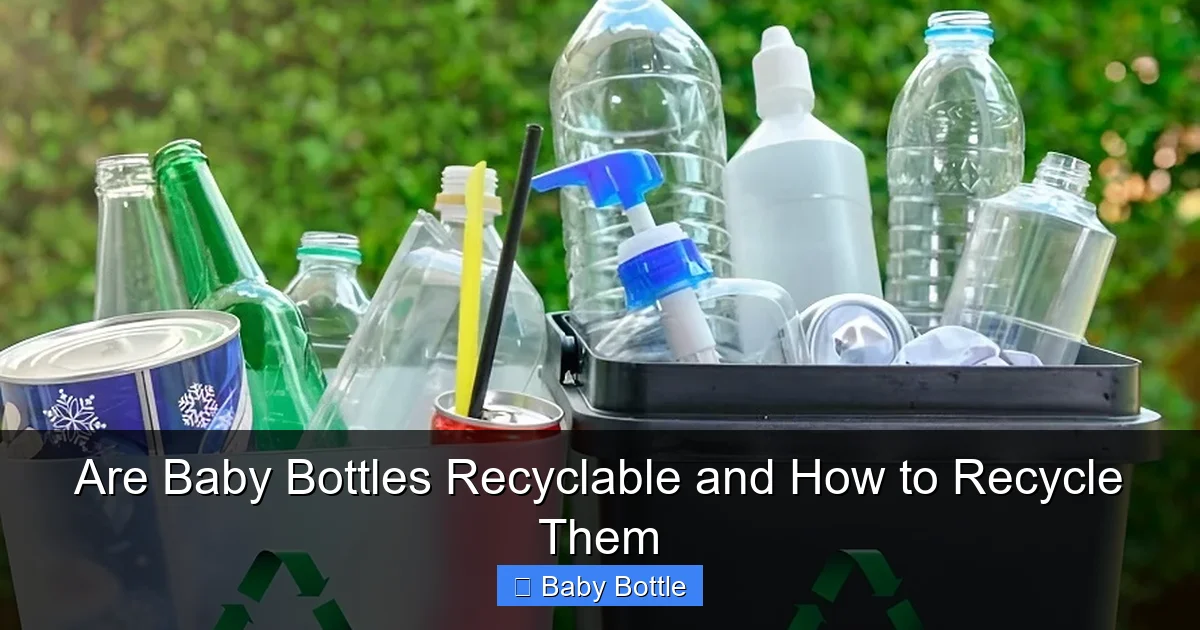
The first step is to identify the material. Ask: are baby bottles recyclable in my area depends on what the bottle is made of. Baby bottles come in glass, polypropylene plastic, polyphenylsulfone, silicone, and stainless steel. Each material has different recycling rules.
Visual guide about Are Baby Bottles Recyclable and How to Recycle Them
Image source: europlas.com.vn
Glass bottles
Glass baby bottles are usually recyclable. Check your local curbside rules. Many recycling centers accept glass. Glass is easy to clean and can be fully recycled into new glass products.
Plastic bottles
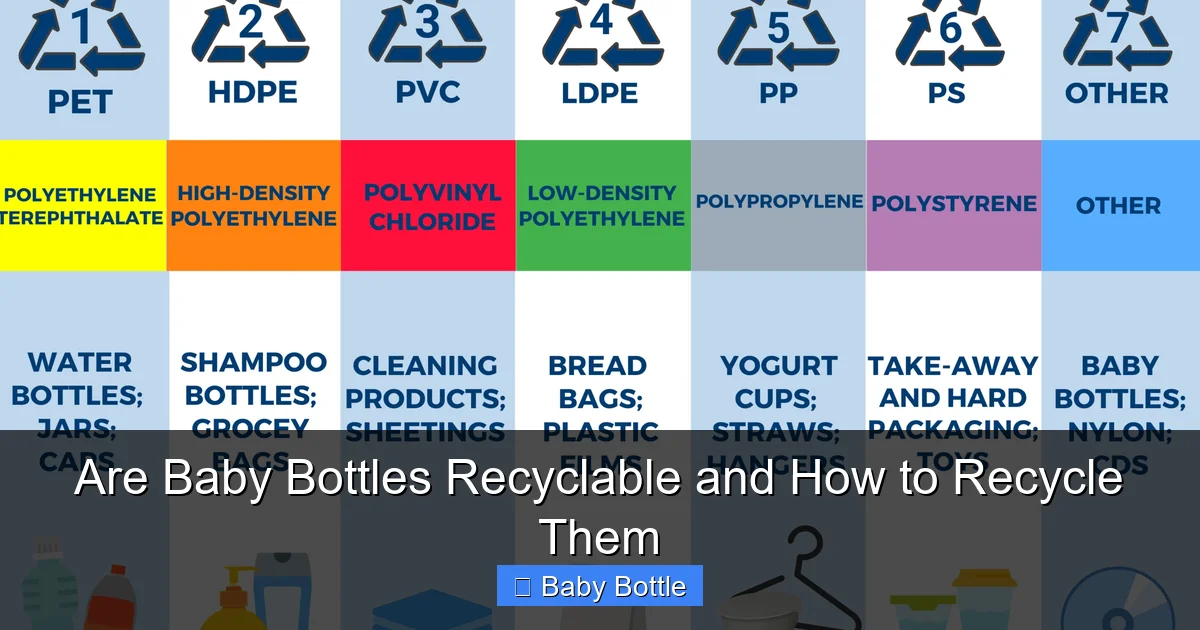
Plastic baby bottles often come in different resin codes. Look for a recycling symbol with a number inside. Plastics like PET (#1), HDPE (#2), and sometimes PP (#5) are more widely accepted. Still, local rules vary.
Silicone and mixed materials
Silicone nipples and some bottle parts are not accepted by most curbside programs. Many bottles use mixed materials. Mixed materials can block machines and are often not recyclable curbside.
Step 2: Check labels and local rules
To answer are baby bottles recyclable for your exact bottle, read the labels first. Then call your local recycling center or visit their website. Local rules are the final word. Some areas accept certain plastics and glass. Others do not.
Visual guide about Are Baby Bottles Recyclable and How to Recycle Them
Image source: greenalchemist.co.uk
How to find your local rules
- Search “recycling rules” plus your city or county name.
- Visit municipal or waste management sites.
- Use apps and websites that list accepted items.
Step 3: Clean and prepare bottles
Cleanliness matters. Recycling centers reject dirty items. Proper prep answers the question are baby bottles recyclable by ensuring they are ready for processing.
Visual guide about Are Baby Bottles Recyclable and How to Recycle Them
Image source: i.pinimg.com
Rinse and dry
Rinse bottles to remove milk or formula. Use warm water and dish soap. Let them air dry. Dry bottles are less likely to contaminate other recyclables.
Remove non-recyclable parts
Take off nipples, collars, caps, lids, measurement stickers, and any silicone sleeves. These parts can be different materials. They may need separate disposal or special recycling.
Separate by material
Sort glass bottles away from plastics. If you have multiple plastic types, separate them if your local program requires it. Label items if needed.
Step 4: Recycle the parts — Step-by-step
Now that you know are baby bottles recyclable, here are the steps to recycle parts correctly.
Step 4.1: Recycle glass bottles
- Check curbside rules for glass.
- Place clean glass bottles in the proper bin.
- Drop off at a glass recycling center if curbside is not available.
Step 4.2: Recycle plastic bottles
- Confirm the resin code is accepted.
- Remove lids and nipples first.
- Place in the correct recycling bin or drop-off site.
Step 4.3: Recycle metal and stainless steel
Stainless steel bottles are durable. Many scrap metal recyclers accept them. Check local metal recycling rules. Some curbside programs may accept clean stainless steel if it fits guidelines.
Step 4.4: Handle silicone and rubber parts
Most curbside programs do not accept silicone. Look for specialty recycling programs. Some companies and stores run take-back programs for silicone nipples and teethers.
Step 5: Use take-back and special programs
When you ask are baby bottles recyclable and the answer is no locally, look for special programs. Many brands and stores offer take-back programs. Nonprofits and baby gear groups sometimes run recycling drives.
Brand take-back programs
Some manufacturers accept old bottles. They may recycle them into new products. Check the company website for instructions.
Retail drop-offs
Big-box stores sometimes collect hard-to-recycle items. Find a drop-off in store or at a designated recycling day.
Community swaps and donation
If bottles are gently used, consider donation. Donating helps reduce waste. Check local shelters, parenting groups, or online marketplaces. This is another way to answer are baby bottles recyclable by avoiding recycling and extending life.
Step 6: Reuse and repurpose before recycling
Reusing delays recycling. It reduces waste. Asking are baby bottles recyclable should also include reuse options.
Clean reuse tips
- Use old bottles for water bottles for older kids.
- Turn glass bottles into storage jars.
- Repurpose lids and rings for crafts.
Safety note
Do not reuse bottles for feeding if they are scratched or worn. Wear and tear can harbor bacteria. Keep safety in mind when reusing.
Step 7: Reduce waste with smart buying
Think ahead. Choose bottles that are easier to recycle. Ask the question are baby bottles recyclable before buying. Choose glass or simple plastics when possible.
Buy durable and recyclable options
- Look for glass bottles or simple PP (#5) plastics if accepted locally.
- Avoid mixed-material bottles if recycling is a priority.
- Consider stainless steel for longevity.
Practical tips and examples
Here are real tips parents use when thinking about are baby bottles recyclable. These help keep recycling simple.
- Keep a small bin for bottle parts. It helps you collect lids and nipples for special recycling.
- Label the resin code on a sticky note to check acceptance at drop-offs.
- Take photos of bottle labels to ask recyclers online or by email.
- Bundle small parts in a clear bag when the recycler requires loose items not to be mixed.
Example 1: Glass bottle family
A parent bought glass bottles. They rinse and place the bottles in the curbside glass bin. Nipples go to a silicone take-back program. This gives a good recycling outcome and answers are baby bottles recyclable positively.
Example 2: Plastic bottle family
A parent has plastic bottles with PP #5. Their town accepts #5 in curbside. They remove nipples and lids. Then they recycle bottles with other plastics. The family tracks what parts need special drop-off.
Troubleshooting — Common problems and fixes
Problems may arise when you try to recycle baby bottles. Here are solutions to frequent issues and steps to ensure success with are baby bottles recyclable.
Problem: Recycling center rejects bottles
Fix: Check that bottles are clean and dry. Remove non-plastic parts. Confirm your local center accepts that resin code. If not accepted curbside, find a drop-off or brand program.
Problem: Mixed materials
Fix: Separate parts. If you cannot separate because parts are fused, look for a specialized recycler or contact the manufacturer for guidance.
Problem: Small parts and caps are not accepted
Fix: Many programs say no to small caps. Collect them and look for hard-to-recycle drop-offs. Some stores run plastic film or soft plastics programs that accept small plastic goods.
Problem: Unsure about safety of reused bottles
Fix: If bottles are scratched, cloudy, or brittle, do not reuse for feeding. Use them for non-food storage or recycle the parts you can.
Regulations and safety — What parents should know
Safety comes first. When you consider are baby bottles recyclable, remember safety rules. Check for BPA-free labels. Follow manufacturer advice on life span. Replace bottles if they show signs of wear.
Cleaning rules
Use hot soapy water or a dishwasher if the bottle is dishwasher-safe. Sterilize according to instructions if you plan to reuse for feeding. Improper cleaning can lead to bacteria.
Disposal rules
When disposing, follow local waste rules. Some plastics may need to go to landfill if no recycling option exists. Prioritize donation or reuse to avoid landfill.
Conclusion — Final steps and mindset
By now you know if are baby bottles recyclable for your family. You can identify the material. You can clean and sort parts. You can find local recycling or take-back options. You can reuse and donate where possible. Small actions add up.
Start today. Check your bottles. Separate parts. Call your local recycler. Make a plan. Recycling baby bottles is doable with a few steps. Your choices reduce waste and help the planet.
🎥 Related Video: 275 Bottles = How Much? 💵 #recycling
📺 Lynn Odhiambo
