
Are baby bottles microwavable? This guide answers that question and shows safe ways to warm bottles. Learn step-by-step instructions, risks, and smart alternatives to protect your baby’s milk and skin.
Key Takeaways
- Point 1: Many bottles can go in microwaves but it is not always safe. Check the manufacturer’s label first.
- Point 2: Microwaving can create hot spots. These can burn a baby’s mouth even if the bottle feels cool.
- Point 3: If you must use a microwave, follow careful steps to reduce risk and test temperature well.
- Point 4: Safer options include a bottle warmer or warm water bath for even heating.
- Point 5: For breast milk and formula, take extra care. Nutrients and temperature need protection.
- Point 6: Always inspect bottles for damage and watch for leaks, warping, or worn labels.
Introduction
This guide answers one clear question: are baby bottles microwavable and is it safe for your baby? You will learn when it is okay to use a microwave. You will learn how to heat bottles safely. You will find step-by-step instructions, tips, and alternatives. You will get easy troubleshooting advice too. Read on for clear, simple steps you can use today.
Quick answer: are baby bottles microwavable?
Short answer: sometimes. It depends on the bottle type and what is inside. The microwave can heat bottles fast. But it can also cause hot spots. These hot spots can burn your baby.
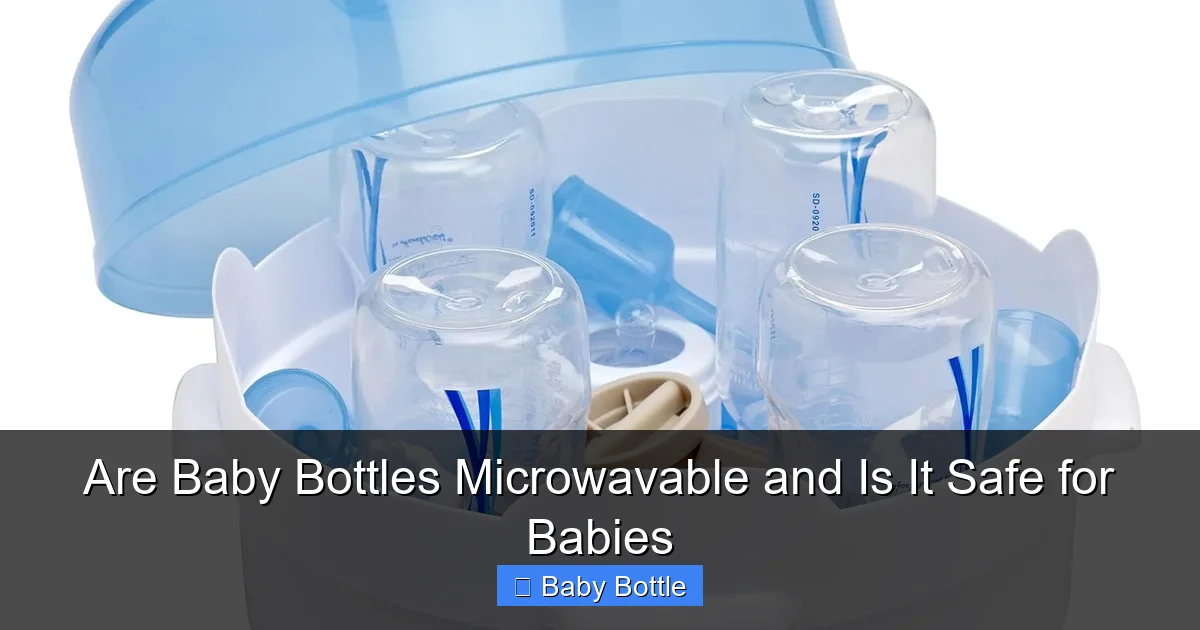
Visual guide about Are Baby Bottles Microwavable and Is It Safe for Babies
Image source: images-na.ssl-images-amazon.com
So, before you microwave, ask: “are baby bottles microwavable” for this specific bottle? Look at the label. Check the manual. If the maker says yes, follow rules. If the maker says no, choose a different method.
Understand the risks
Microwaves heat unevenly. A bottle can have very hot spots. Those hot spots can scald a baby’s mouth and throat. Also, microwaving can damage some materials. Some plastics can warp or leach chemicals if heated. Breast milk can lose some beneficial properties if microwaved. Formula can get very hot in pockets. Always be cautious.
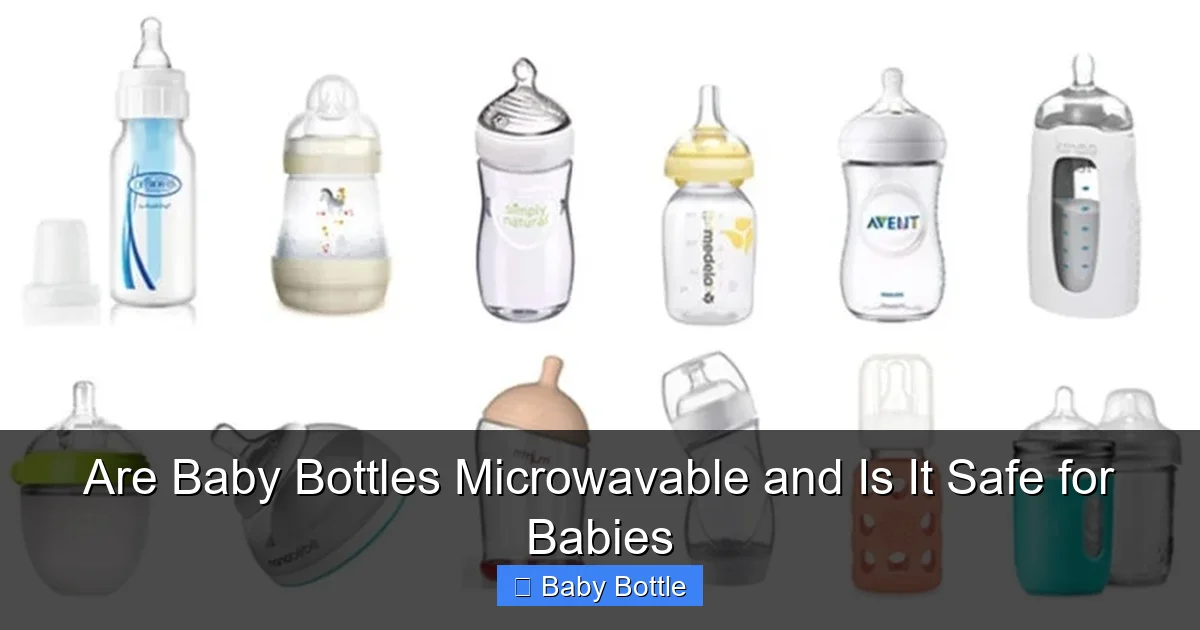
Visual guide about Are Baby Bottles Microwavable and Is It Safe for Babies
Image source: images.hitpaw.com
Step-by-step: How to heat a bottle in the microwave safely
If you decide to microwave, follow these steps closely. Each step is short and easy.
Visual guide about Are Baby Bottles Microwavable and Is It Safe for Babies
Image source: feed-guide.com
Step 1 — Check the bottle
Read the label. Confirm the bottle is microwave-safe. Many bottles say “microwave safe” on the base. If you see no label, do not microwave. Glass and some silicone bottles are often safer than plastic. Still check the maker’s guidance.
Step 2 — Remove parts
Take off the nipple, ring, and cap. These parts trap heat and may melt. Some nipples can be microwaved, but many cannot. Check the nipple label separately. Remove any storage lids or caps that are not microwave-safe.
Step 3 — Loosen the top
Loosen the bottle ring or leave the top off. This lets steam vent out. Do not seal the bottle. Sealed bottles can explode or spray heated milk.
Step 4 — Use short bursts
Heat in short intervals. Start with 10 to 15 seconds. Then stop and shake or swirl the bottle. This helps mix hot spots. Repeat until warm. Do not heat for long all at once.
Step 5 — Stir and test
After heating, swirl the bottle for 10 seconds. Never shake wildly if the nipple is attached. Test a few drops on the inside of your wrist. The milk should feel warm but not hot. Test again in a different spot to find hot spots.
Step 6 — Check temperature again
Pour a small amount into a spoon and test. Or use a bottle thermometer. If it is too hot, cool by placing under cold running water for a few seconds. Never guess. Always recheck before feeding.
H3 sub-steps: Example heating routine
Warm from refrigerator
Take the bottle from the fridge. Loosen the cap. Microwave for 15 seconds. Swirl. Test. Repeat 10-second bursts until warm. Always swirl and test after each burst.
Warm from room temperature
If the bottle is already at room temp, you may only need 5–10 seconds. Use the same swirl and test method. Heat only until warm. Heating longer does not make it safer or better.
When you should not microwave
Do not microwave a bottle if it has no microwave-safe label. Do not microwave breast milk if you want to preserve certain enzymes and antibodies. Avoid microwaving frozen milk. Never microwave sealed containers. Never microwave bottles with a metal component.
Also, do not microwave plastic bottles that are worn. Scratches and cracks can increase chemical leaching. If the bottle shows damage, replace it.
Special note: breast milk and formula
For breast milk, avoid microwaving when possible. The microwave can heat unevenly and damage nutrients. If you must microwave, use low power and short intervals. Stir well and test temperature.
For formula, hot spots are a real danger. Microwaving can create hot pockets. These can scald a baby. For formula, use warm water bath or bottle warmer when you can.
Microwave-safe bottle types
Which bottles are usually microwave-safe? Glass bottles often handle heat well. They can shatter if sudden temperature changes occur. Use care.
Silicone bottles can be microwave-safe. Check the label. Hard plastics vary. Look for microwave-safe symbols. If in doubt, do not microwave.
Always check nipples and rings. Some are microwave-safe, some are not.
Alternatives to microwaving
You have safer choices that heat more evenly. Here are common options.
Warm water bath
Place the bottle in a bowl of hot tap water. Let it sit 3–5 minutes. Swirl the bottle. Test the temperature. This warms slowly and evenly. It is gentle on breast milk and formula.
Bottle warmer
Bottle warmers are made for this job. They heat evenly and safely. Many models keep milk at a steady warm temp. They are a good choice for night feeds and when you want consistency.
Run under warm tap
Hold the bottle under warm running water. Rotate the bottle. Check the temperature. This is quick and safe. It is good for both breast milk and formula.
Cleaning and care after microwaving
After heating, cool and clean the bottle parts. Wash nipples and rings in warm soapy water. Inspect parts for warping or damage. If a part changes shape, stop using it. Replace worn parts quickly.
Sanitize bottles as advised by the maker. Many appliances and sterilizers work well. Good hygiene reduces the risk of infection.
Troubleshooting: common problems and fixes
Here are problems you may meet and how to fix them.
Problem: Hot spots even after swirling
Fix: Heat in lower power and shorter bursts. Use a bottle warmer or hot water bath next time. Test with a thermometer if you have one.
Problem: Bottle warps in the microwave
Fix: Stop microwaving that bottle. Replace it with a microwave-safe model or switch to glass. Inspect other bottles for similar damage.
Problem: Nipple melts or deforms
Fix: Do not microwave nipples. Heat the milk separately and then attach the nipple. Buy nipples labeled microwave-safe if needed.
Problem: Breast milk feels “hot” but not on the skin
Fix: Hot pockets may still be present. Pour a little out and test by spoon. Swirl and cool if needed. Better yet, use a bottle warmer for breast milk.
Tips for different ages and situations
Newborns are sensitive. Their mouths can burn easily. Always be extra careful for newborn feeds. Toddlers may show signs if the milk is too warm. Watch for fussing or refusal.
Night feeds need speed. Keep a bottle warmer ready. Use warm water baths for quick warming without the risks of microwaving.
How to test bottle temperature quickly
Use the wrist test. Place a few drops on your inner wrist. It should feel warm, not hot. Use a bottle thermometer for more accuracy. Test multiple spots to avoid hot pockets.
What to do if your baby gets burned
Stop feeding immediately. Run cool (not cold) water over the area for several minutes. Do not apply creams or ointments at home unless advised by a doctor. Seek medical help if the burn is red, blistered, or if your baby seems in pain.
Frequently asked safety standards
Check national guidelines. Many pediatric groups advise against microwaving breast milk. They also warn about hot spots in formula. Follow label instructions from bottle makers and manufacturers. Consumer groups often recommend bottle warmers or warm water baths as safer options.
Quick safety checklist
- Read the bottle label for microwave safety.
- Remove nipples and caps unless labeled safe.
- Heat in short bursts and swirl often.
- Test temperature before feeding.
- Use alternatives when possible for breast milk.
- Replace damaged bottles or parts.
Practical examples and routines
Example 1: Night feed routine. Pre-warm water in a thermos. Place the bottle in the warm water for 2–3 minutes. Test and feed. This is fast and safe for many parents.
Example 2: Fast at daycare. If you must use a microwave, label the bottle “microwave-safe” and show staff the steps. Teach them to heat in 10-second bursts and to swirl well.
Example 3: Breast milk at work. Use a bottle warmer at the daycare. Or use warm water from a kettle. Avoid microwaving to protect milk quality.
How to choose a microwave-safe bottle
Look for clear labeling. Search for “microwave safe” or a microwave icon. Choose glass or high-quality silicone if you expect to microwave. Avoid older plastics and scratched bottles. Read user reviews for real-world use.
Conclusion
So, are baby bottles microwavable? The short answer is: sometimes, but often it is not the best choice. Microwaving can cause hot spots. It can also harm milk nutrients and damage some bottle parts. If you must use a microwave, follow the steps in this guide. Heat in short bursts. Swirl and test the temperature well. Better options are bottle warmers or warm water baths. Those methods heat more evenly and reduce risk. Put safety first. Check labels, test temperatures, and replace worn items. Your baby’s safety matters most. Use what works best for your routine and your baby’s needs.
🎥 Related Video: How Nurses Sterilize Your Baby’s Bottles In The Hospital 🍼👶🏻 | Nursing 101
📺 Ciara Melle
