
Are baby car seats supposed to be in the middle is a common question. This guide gives a clear answer, step-by-step installation tips, and safety checks. Learn where to place a car seat, how to install it, and how to keep your child safe on every trip.
Key Takeaways
- Point 1: The center rear seat is often the safest spot, when it can be used correctly and the car seat fits well.
- Point 2: Follow your car and car seat manuals for correct installation and belt routing every time.
- Point 3: Use the lower anchors or seat belt as recommended; both can be safe when used properly.
- Point 4: Consider vehicle shape, seat layout, and airbag positions before choosing the center spot.
- Point 5: If the center seat is not practical, a side seat with proper install is acceptable and safe.
- Point 6: Regularly check the fit and install angle and replace seats after crash or expiry.
Introduction: What you will learn
This guide answers the big question: are baby car seats supposed to be in the middle. You will learn why the center can be safest. You will learn when not to use it. You will get step-by-step instructions to install a seat in the center. You will find tips, common mistakes, and how to troubleshoot problems.
Quick answer: Is the center best?
In many cases, the center rear seat is the safest spot for young children. It sits farthest from impact points in side crashes. But not every car makes the center an easy or safe choice. You should check your car and car seat manuals. Also check local laws. The guide below helps you test the center seat and install the seat correctly.

Visual guide about Are Baby Car Seats Supposed to Be in the Middle Expert Guide
Image source: kidshealthexperts.com
Step 1: Check your car and car seat rules
Before you move a seat, know the rules. Every car and every car seat has specific limits.
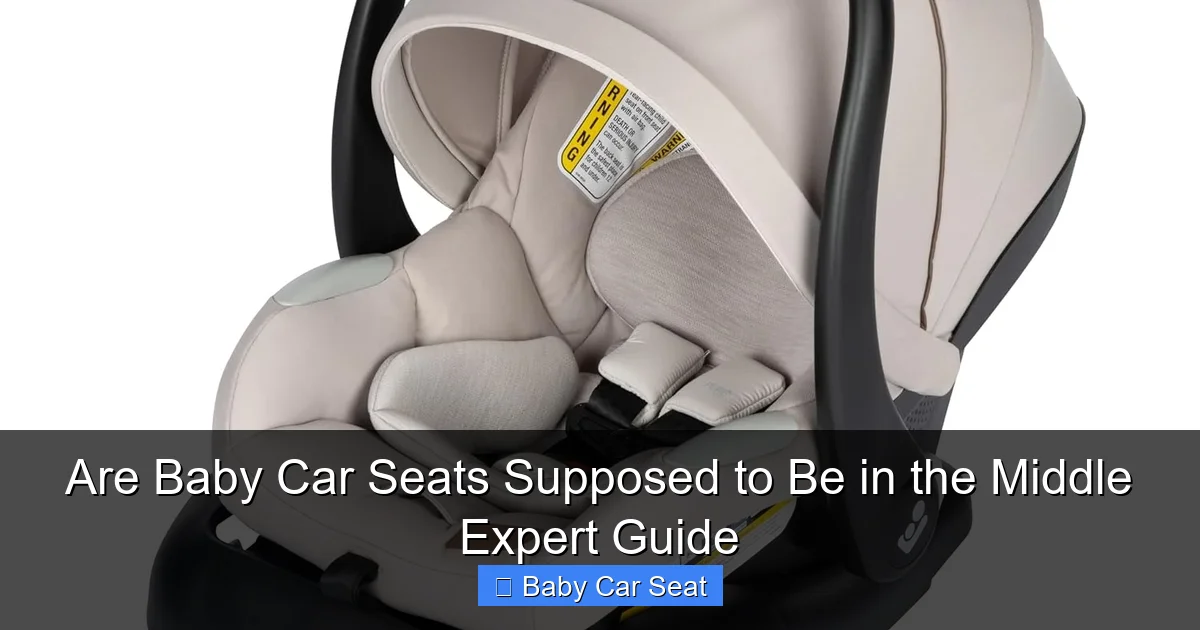
Visual guide about Are Baby Car Seats Supposed to Be in the Middle Expert Guide
Image source: m.media-amazon.com
Read the car manual
Open your vehicle manual. Look for sections on child restraints and seat belts. The manual will tell you if the center rear seat supports a car seat. It may list limits on anchor use. Some cars do not allow certain types of seats in the center.
Read the car seat manual
Open the car seat instructions. Look for details on center placement. The manual will show belt routing and anchor points. It will also show when the center is allowed or not allowed. Follow the manual precisely.
Check local laws
Some areas require rear-facing seats for infants until a certain age or weight. Laws may affect where you place a seat. Make sure you meet local child safety laws.
Step 2: Inspect the center seat for anchors and belt paths
Now check the actual center seat. You need two things: a secure lower anchor or a solid seat belt path, and a proper top tether or head restraint if rear-facing or forward-facing requires it.
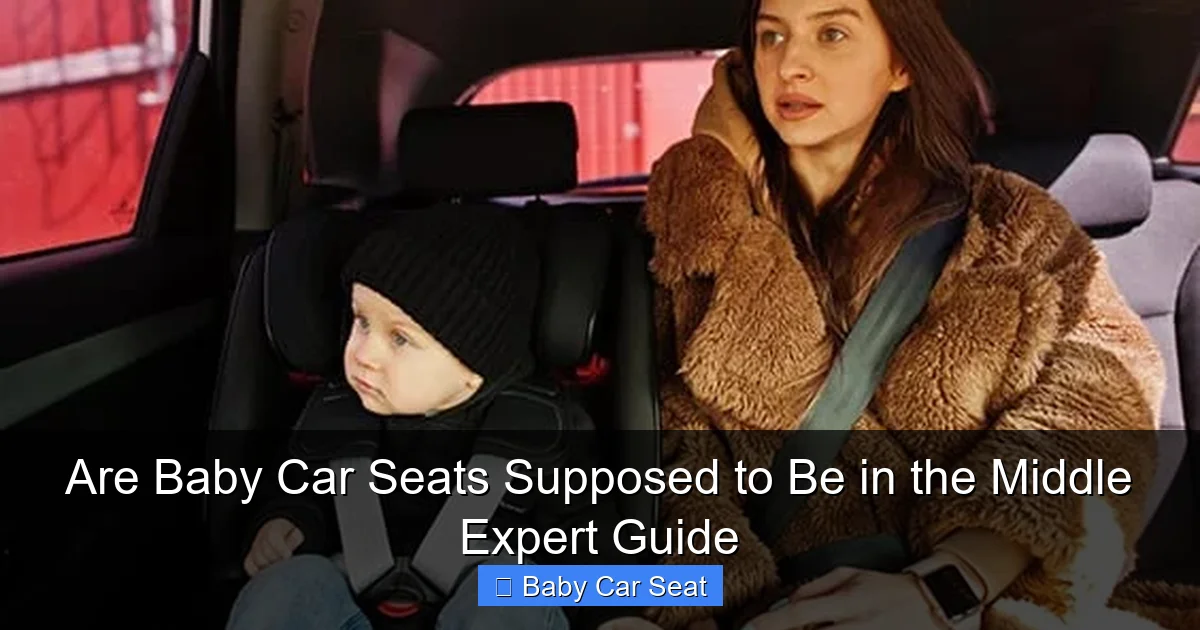
Visual guide about Are Baby Car Seats Supposed to Be in the Middle Expert Guide
Image source: riverbabygroup.com
Find the lower anchors
Pull back the seat cushion. Look for the lower anchor bars. If your vehicle has lower anchors in the center, you will see them or find a marker. Confirm that the lower anchors are rated for the weight of your car seat plus your child.
Check the belt path
If your car has no center anchors, you will use the seat belt. Check the belt route for the car seat. Make sure the belt locks and pulls tight. Practice latching and tightening the belt before you place the child in the seat.
At this stage you are deciding if the center is actually usable. Ask yourself: Are the anchors accessible? Is the seat flat enough? Is the seat belt path simple to use? If the answer is yes, continue. If not, consider a side seat and install there securely.
Step 3: Install the car seat in the center
Now we install. Follow the car seat manual step by step. Below are two common methods. Use the method your manual allows.
Method A — Lower anchors (LATCH)
- Place the car seat base or shell in the center rear seat.
- Connect the lower anchor attachments to the vehicle lower anchors.
- Press down on the car seat with your knee and tighten the straps.
- Pull the slack until the seat moves less than one inch side-to-side at the belt path.
- Attach the top tether if forward-facing. Tighten the tether to remove forward motion.
Note: Many manufacturers limit the combined weight for using lower anchors. Check both manuals.
Method B — Seat belt installation
- Place the car seat in the center seat.
- Route the seat belt through the belt path shown in the car seat manual.
- Buckle the seat belt and lock it. Some belts lock by pulling all the belt out; others have a switchable retractor.
- Press down hard on the car seat and tighten the belt to remove slack.
- Check movement at the belt path. It should move less than one inch side to side.
Step 4: Rear-facing vs forward-facing center use
Know which orientation to use. Most infants and toddlers should ride rear-facing until they reach the car seat height or weight limit. Rear-facing is safer in crashes. The center seat often makes rear-facing easier if the space fits.
Rear-facing tips
If you place a rear-facing seat in the center, check for proper recline angle. A too-upright angle can cause the baby’s head to flop forward. Most seats have angle indicators. Use a rolled towel or pool noodle if your car seat manual allows minor adjustments to reach the right angle.
Forward-facing tips
When a child graduates forward-facing, use the top tether. Attach it to the correct anchor. Tighten the tether to limit forward motion. The center seat may not have a convenient tether anchor. If there is no tether, follow the car seat manual and vehicle manual for alternate tether points or consider a side placement.
Step 5: Secure the passenger and final checks
Once installed, get the child into the seat and secure the harness. Tighten the straps and position the chest clip at armpit level. Make final checks.
Harness fit checks
- Straps should lie flat with no twists.
- Use the pinch test: You cannot pinch slack at the shoulder.
- Chest clip at armpit level keeps straps on the right place.
Final install checks
Grab the car seat at the belt path and move it. The movement should be less than one inch. Re-check the reclining angle. Inspect the tether if forward-facing. If all is tight and right, you are ready to drive.
Practical tips and real examples
Here are simple tips that help in real life. They make the center seat easier to use and safer.
- Tip: Test both sides and the center before you pick. Sometimes the side is easier but still safe.
- Tip: If the center seat has deep contours, it may be hard to get a tight fit. Try a different seat type if this is the case.
- Tip: For three car seats across, the center may be the only real option. Some narrow cars make this impossible. Measure before you buy a third seat.
- Example: A parent bought a slim convertible seat to make the center fit. It worked well and allowed all three kids to ride safely.
- Example: Another parent found that the center anchor was below a seam and hard to reach. They moved the seat to a side and tightened it with the belt. That was still safe.
Troubleshooting common problems
If something feels wrong, stop. Fix the issue before driving. Below are common problems and fixes.
Problem: The center seat is too narrow
Fix: Try a narrower car seat. Look for models labeled slim or narrow. Measure the car’s total width with manufacturer specs. If no narrow seat fits, install on a side seat instead.
Problem: No tether anchor in center
Fix: Check the vehicle manual for tether points. Some cars allow tethering to the floor or to a nearby anchor. Follow the car seat manual for alternative tether locations. If unsure, use a side seat that has a proper tether.
Problem: Lower anchor bars are hard to reach
Fix: Use a tool like a seat gap filler or a thin gloved hand to reach anchors. Ask a certified child passenger safety technician for help if you cannot reach them. Never force the attachment.
Problem: Seat rocks more than one inch
Fix: Re-tighten the belt or anchors. Press down on the seat while pulling slack. If that fails, switch to the seat belt installation method or move to a different seat.
Problem: Rear-facing angle is wrong
Fix: Use the car seat’s built-in angle adjuster. If your car seat needs a small adjustment, follow the manual for permitted padding or accessories. Do not add homemade padding that the manual forbids.
Safety checks after installation
Make these routine checks every trip. They take a minute and keep kids safe.
- Check harness fit on the child each ride.
- Check that straps are flat and chest clip at armpit level.
- Check the seat for movement at the belt path.
- Check that the top tether is tight if forward-facing.
- Make sure the seat has not passed its expiration date or been in a crash.
When the center may not be the best choice
There are times when the center rear seat is not best. You should avoid the center if:
- The vehicle does not allow a center install.
- The center seat has no proper anchor or belt path.
- The car seat cannot be tightened to one inch or less.
- The center has an active airbag behind it (rare in most cars).
- You cannot reach tether points for forward-facing use and no alternatives exist.
If any of these apply, choose a side seat and install the car seat correctly there.
Special cases: Using more than one car seat
When you have two or three seats, the center might be the only option for the middle child. Measure first. Try placing the seats together without the children to check the fit. If they do not fit, consider switching to narrower models or using a booster for older children where safe and legal.
Professional help and inspection
If you are unsure, seek help. Certified child passenger safety technicians can inspect your install. Many fire stations, police stations, and hospitals offer free checks. A quick inspection can prevent errors that are easy to miss.
Conclusion
You now know the answer to are baby car seats supposed to be in the middle and how to decide if the center is correct for your car and car seat. The center seat is often safest, but only if you can install the seat properly. Always read both manuals, test the fit, and follow the belt or anchor instructions. If the center does not work, a well-installed side seat is still safe. Check the seat often and get expert help when needed. Drive safe and keep your child secure on every trip.
🎥 Related Video: I always securely latch the top tether on my children’s car seats. #dad #baby #carseat #auto
📺 Daily Original Vids
