
Rear-facing car seats are the safest option for infants and toddlers. They provide superior protection in crashes by supporting the head, neck, and spine. This guide covers why, how long, and how to use them correctly for maximum safety.
Welcome, parents and caregivers! If you’re wondering, “Should baby car seat be rear facing?” you’re in the right place. This guide will walk you through everything you need to know. We’ll cover the why, the how, and the how long. By the end, you’ll feel confident about keeping your little one safe on the road. Let’s dive in!
Key Takeaways
- Rear-Facing is Safest: It significantly reduces injury risk by cradling the head, neck, and spine during a crash.
- Keep Rear-Facing as Long as Possible: Follow guidelines to keep your child rear-facing until at least age 2, or longer based on seat limits.
- Proper Installation is Crucial: A correctly installed rear-facing car seat should not move more than an inch side-to-side.
- Avoid Common Mistakes: Ensure harness straps are snug, the chest clip is at armpit level, and bulky coats are not used.
- Transition Only When Necessary: Switch to forward-facing only after your child exceeds the rear-facing height or weight limit of their seat.
- Know Legal Requirements: Many states have laws mandating rear-facing until age 2; always check local regulations.
- Seek Professional Help: Use certified technicians for installation checks to ensure your baby car seat rear facing setup is safe.
Why Rear-Facing is Safer: The Science Behind It
The short answer is yes, baby car seats should always be rear facing. It’s not just a recommendation; it’s a lifesaving practice. Rear-facing car seats are designed to protect your child’s fragile body. In a crash, they absorb impact and distribute force evenly. This reduces stress on the neck and spine. Forward-facing seats do not offer the same level of protection. Let’s break down the science.
Crash Dynamics and Child Anatomy
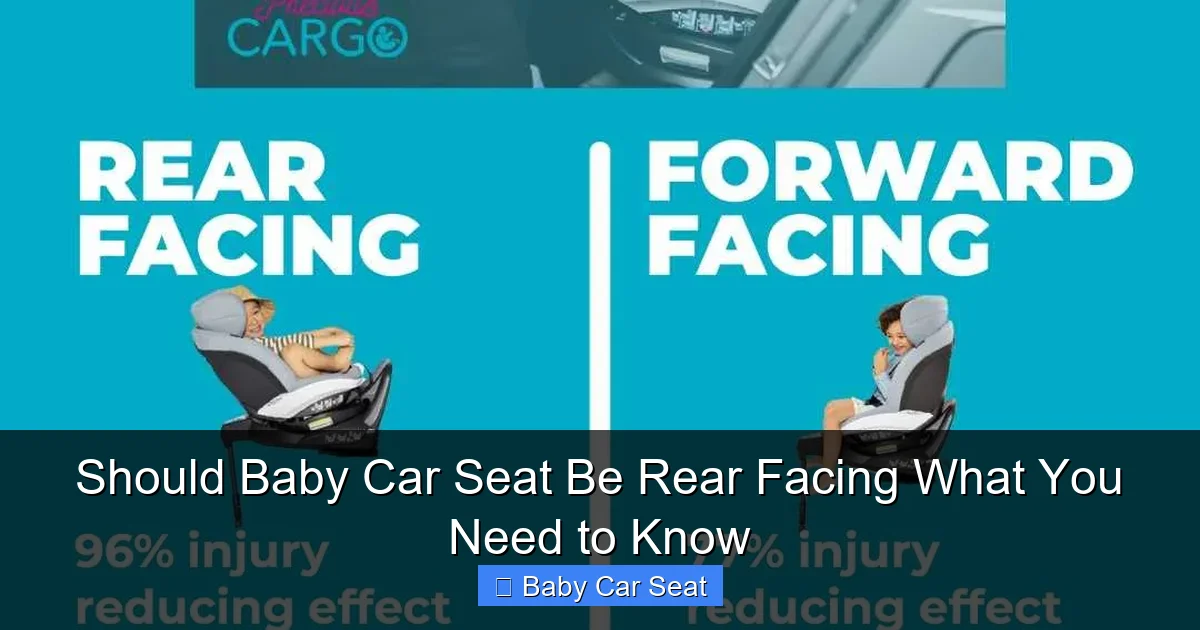
Imagine a sudden stop or collision. In a rear-facing seat, your child’s back rests against the seat. The seat cradles their head, neck, and spine. It moves with them, slowing down gradually. In a forward-facing seat, the child’s body is held by the harness. But the head and neck jerk forward. This can cause serious injuries. Babies have heavy heads and weak neck muscles. Rear-facing supports their development. It prevents internal decapitation and spinal cord damage. Always choose a rear-facing baby car seat for optimal safety.
Statistics and Studies
Research shows rear-facing seats are incredibly effective. Studies from the American Academy of Pediatrics (AAP) state that rear-facing reduces injury risk by over 70%. Real-world crash data supports this. Countries with strict rear-facing laws see fewer child fatalities. The evidence is clear. Keeping your baby car seat rear facing is the best choice. It’s a simple step that can save lives.
How Long Should Your Child Ride Rear-Facing?
This is a common question. The answer: as long as possible! Old guidelines said until age 1. But new advice is more protective. Keep your child rear-facing until at least age 2. Better yet, until they reach the height or weight limit of their seat. Some seats allow rear-facing up to 40 or 50 pounds. That might mean age 3 or 4. Don’t rush the transition. Extended rear-facing is safer.
Visual guide about Should Baby Car Seat Be Rear Facing What You Need to Know
Image source: cdn.shopify.com
Age vs. Size Guidelines
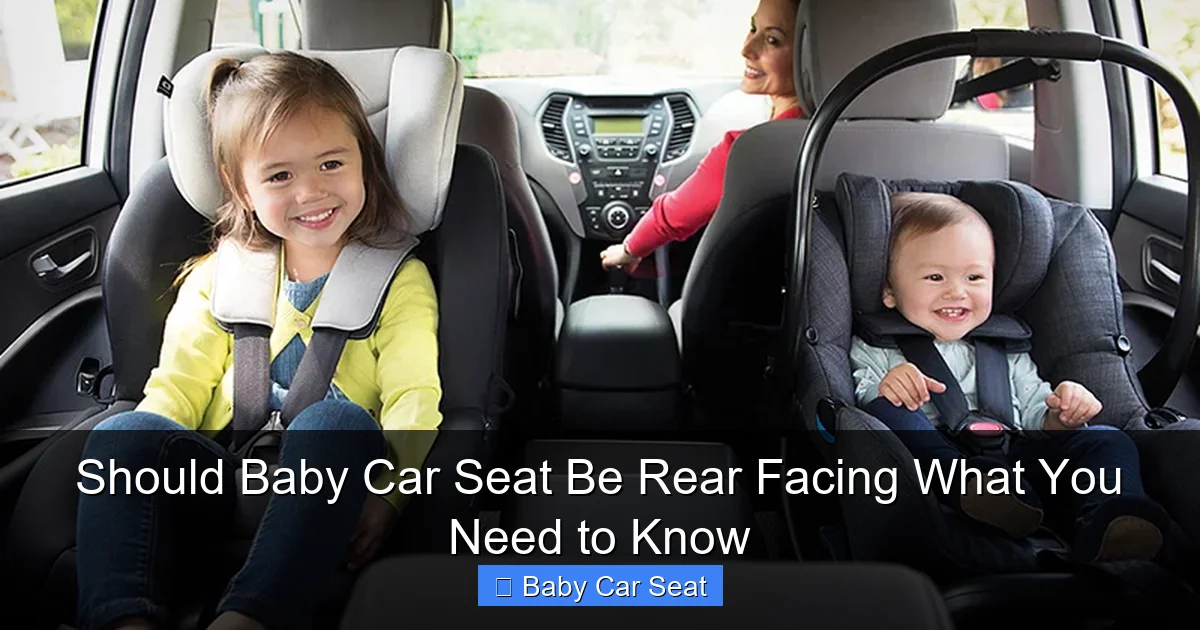
Age is a factor, but size matters more. Check your car seat manual. It will list the rear-facing limits. For infants, use a rear-facing-only seat. These are for babies up to 30-35 pounds. Then, switch to a convertible seat. Convertible seats can be used rear-facing and forward-facing. Use it rear-facing until your child outgrows the limits. Measure height and weight regularly. The top of the head should be at least one inch below the seat shell. This ensures proper protection. Always prioritize the seat’s limits over age.
State Laws and Recommendations
Laws vary by state. Many states now require rear-facing until age 2. Some have even stricter rules. But laws are minimum standards. Follow best practices instead. The AAP recommends rear-facing as long as possible. So does the National Highway Traffic Safety Administration (NHTSA). When in doubt, keep your baby car seat rear facing. It’s the safest option.
Step-by-Step Guide to Installing a Rear-Facing Car Seat
Proper installation is key. A poorly installed seat won’t protect your child. Follow these steps to ensure your baby car seat rear facing setup is secure. Take your time. Read the manual. If needed, get help from a certified technician.
Visual guide about Should Baby Car Seat Be Rear Facing What You Need to Know
Image source: safewise.com
Choosing the Right Seat
Start with a seat that fits your child and your car. For newborns, pick a rear-facing-only seat. For older babies, a convertible seat works. Check the label for rear-facing weight and height limits. Ensure the seat is approved by the Federal Motor Vehicle Safety Standard (FMVSS). Look for ease of use ratings from NHTSA. A good seat makes installation simpler.
Installation Methods: LATCH vs. Seat Belt
Most cars and seats offer two installation methods. LATCH (Lower Anchors and Tethers for Children) or seat belt. LATCH uses anchors in the car seat crease. It’s often easier to use. But check weight limits. For heavier children, the seat belt might be safer. The seat belt method involves threading the belt through the seat’s path. Tighten it securely. Either way, the goal is a tight fit. The seat should not move more than one inch side-to-side or front-to-back. Test this at the belt path, not the top of the seat.
Checking for a Secure Fit
After installation, do the inch test. Grab the seat at the belt path. Try to wiggle it. If it moves more than an inch, re-tighten. Ensure the seat is at the correct recline angle. Most seats have an indicator. For rear-facing, a 30-45 degree angle is typical. This prevents the baby’s head from flopping forward. Use pool noodles or towels if your car seat needs adjustment. But only if the manual allows it. Always double-check your work.
Practical Tips for Using a Rear-Facing Car Seat
Installation is just the start. Daily use requires attention too. Here are tips to keep your child safe and comfortable in a rear-facing baby car seat.
Visual guide about Should Baby Car Seat Be Rear Facing What You Need to Know
Image source: aap.org
Ensuring Proper Harness Fit
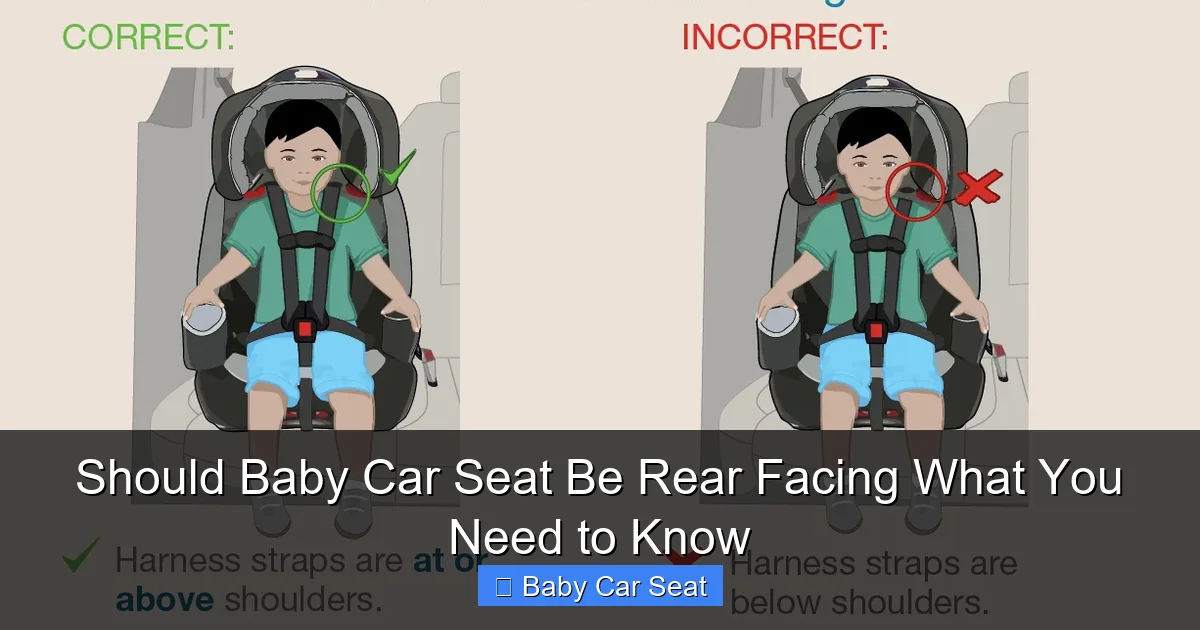
The harness is your child’s lifeline. Adjust it correctly. Straps should be snug. You should not be able to pinch any slack at the shoulders. The chest clip should be at armpit level. Not on the belly or neck. For rear-facing, harness straps should come from at or below the child’s shoulders. Check this every time you buckle up. Dress your child in thin layers. Avoid bulky coats or snowsuits. They compress in a crash, leaving the harness loose. Instead, use a coat or blanket over the harness after buckling.
Dealing with Common Issues
Parents often worry about leg room. Kids can bend their legs comfortably. They cross them or prop them on the seat back. It’s not unsafe. In fact, rear-facing is still safer even with bent legs. Another issue is car sickness. Some kids get queasy rear-facing. Try to ensure good airflow. Use sunshades to reduce glare. Take breaks on long trips. Remember, safety comes first. A rear-facing baby car seat protects against serious injuries. Comfort can be managed.
Troubleshooting Common Problems
Even with care, issues can arise. Here’s how to fix common problems with rear-facing car seats.
Seat Moves Too Much
If the seat is loose, reinstall it. Check for twisted straps or belts. Ensure you’re using the correct belt path. For LATCH, confirm the anchors are tight. If your car has slippery seats, use a non-slip mat. But only if the car seat manual approves. Sometimes, switching installation methods helps. Try the seat belt if LATCH isn’t working. Always aim for less than one inch of movement.
Child Unhappy Rear-Facing
Some children fuss in rear-facing seats. They can’t see out the window. Try using a mirror designed for car seats. It lets you see them, and they might enjoy the reflection. Engage them with toys or music. Never turn the seat forward-facing early due to crying. Safety is non-negotiable. As they grow, explain that rear-facing keeps them safe. Most kids adjust over time.
When and How to Transition to Forward-Facing
Eventually, your child will outgrow the rear-facing limits. Transition only then. Don’t rush it. Here’s how to do it safely.
Signs Your Child is Ready
Your child is ready for forward-facing when they exceed the rear-facing height or weight limit of their seat. Check the manual. Typically, this is when the top of the head is above the seat shell, or weight exceeds the limit. Age alone isn’t a sign. Even if they’re over 2, keep them rear-facing if the seat allows. Always err on the side of caution.
Safe Transition Steps
When transitioning, choose a convertible or forward-facing seat. Install it according to the manual. Use the top tether if forward-facing. This reduces head movement in a crash. Adjust the harness straps. For forward-facing, straps should come from at or above the shoulders. Continue to use the seat until your child outgrows it. Then move to a booster seat. Remember, keeping your baby car seat rear facing as long as possible is best. Transition only when necessary.
Conclusion
So, should baby car seat be rear facing? Absolutely yes. Rear-facing is the gold standard for child passenger safety. It protects fragile necks and spines. Keep your child rear-facing until at least age 2, or longer based on seat limits. Install the seat correctly. Use it properly every day. Transition only when needed. By following this guide, you’re giving your child the best protection on the road. Stay safe, and happy travels!
🎥 Related Video: Car Seat Safety 🚗 | Milestones Every Parent Should Know as Your Child Grows!
📺 Doctor Yoshi
From rear-facing to booster seats, car seat safety is one of the most important parts of protecting your child on the road .
