
Knowing when to change your baby car seat is crucial for your child’s safety. This guide covers key milestones like age, weight, and height, along with signs of outgrowing and expiration dates. Follow these steps to ensure a safe transition every time and keep your little one protected on the road.
Key Takeaways
- Monitor Age and Size: Always check the car seat’s manual for specific age, weight, and height limits to determine when to change.
- Look for Outgrowing Signs: If your child’s shoulders are above the harness slots or their head is near the top, it’s time to change the baby car seat.
- Respect Expiration Dates: Car seats expire due to material degradation; never use past the date to ensure safety.
- Inspect for Damage: After accidents or visible wear, replace the seat if there’s any damage to maintain protection.
- Transition Gradually: Move from rear-facing to forward-facing to booster seats as your child grows, following safety guidelines.
- Ensure Proper Installation: A correctly installed baby car seat is vital; follow manuals and seek help if needed for secure fitting.
- Stay Updated on Guidelines: Safety standards evolve; keep informed about current recommendations for baby car seat use.
Introduction to Baby Car Seat Safety
Welcome to our complete guide on when to change your baby car seat. As a parent, keeping your child safe in the car is a top priority. But knowing exactly when to switch car seats can be tricky. This guide will walk you through every step. You will learn about key milestones like age, weight, and height. We will also cover signs of outgrowing, expiration dates, and damage checks. Plus, we share practical tips and troubleshooting advice. By the end, you will feel confident in making safe choices for your child. Let’s dive in and ensure your little one stays protected on every journey.
Understanding Car Seat Types and Stages
Baby car seats come in different types. Each type is designed for a specific stage of your child’s growth. Knowing these stages helps you decide when to change. There are three main types: rear-facing, forward-facing, and booster seats. We will explain each one below.
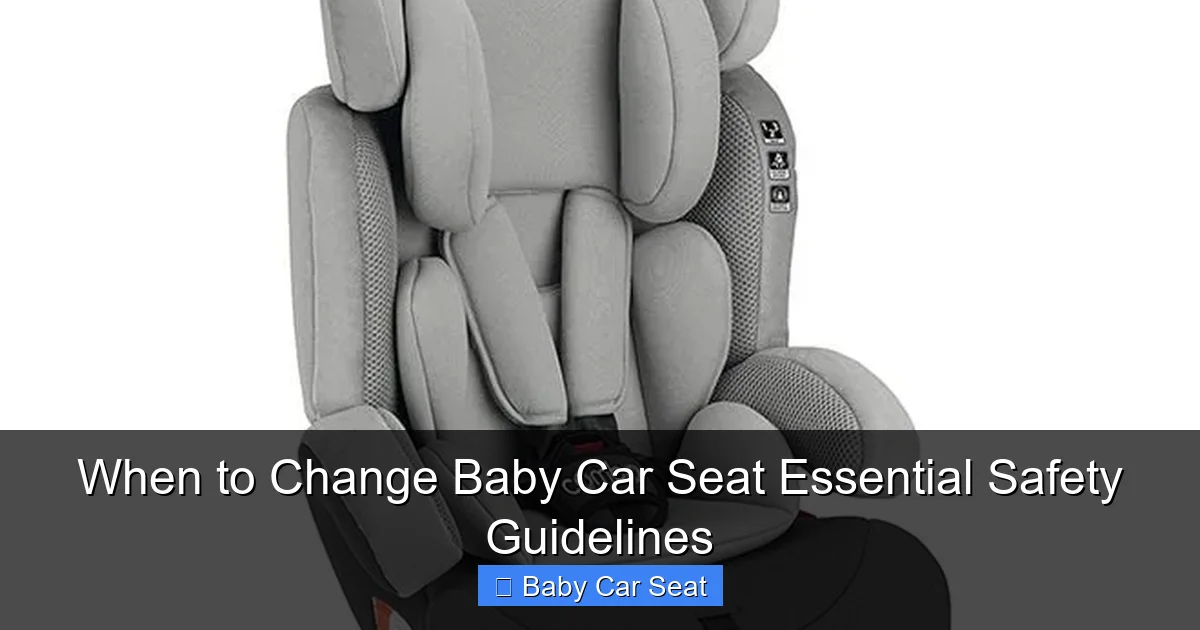
Visual guide about When to Change Baby Car Seat Essential Safety Guidelines
Image source: f.nooncdn.com
Rear-Facing Seats
Rear-facing seats are for infants and young toddlers. They cradle your child and support the head, neck, and spine. In a crash, they distribute force evenly. Keep your child rear-facing as long as possible. Most experts say at least until age 2. Some seats allow rear-facing up to 40 or 50 pounds. Always check your baby car seat manual for details.
Forward-Facing Seats
Forward-facing seats are for older toddlers and preschoolers. They use a five-point harness to secure your child. Transition to this stage only when your child outgrows the rear-facing limits. The harness should be at or above the shoulders. This type of baby car seat offers protection for growing kids.
Booster Seats
Booster seats are for school-aged children. They boost your child so the vehicle seat belt fits correctly. Use a booster until the seat belt fits without it. This usually happens between ages 8 and 12. A booster seat ensures the lap belt sits low on the hips and the shoulder belt crosses the chest. Never skip this stage for safety.
Key Milestones: When to Change Based on Age, Weight, and Height
The most common reasons to change a baby car seat are age, weight, and height. These milestones are listed in your seat’s manual. Follow them closely for your child’s safety.
Visual guide about When to Change Baby Car Seat Essential Safety Guidelines
Image source: images.ctfassets.net
Age Guidelines
Age is a general guide. For example, keep your child rear-facing until at least age 2. But remember, size matters more than age. Some kids may need to rear-face longer due to their size. Always use age along with weight and height to decide when to change your baby car seat.
Weight Limits
Weight limits are critical. Each baby car seat has a maximum weight for rear-facing and forward-facing. Do not exceed these limits. For instance, if your rear-facing seat holds up to 40 pounds, change it once your child reaches that weight. Weight limits ensure the seat can protect your child in a crash.
Height Limits
Height limits are often overlooked. Check your baby car seat manual for height restrictions. A key rule: if your child’s head is within one inch of the top of the seat shell, it’s time to change. Also, ensure the harness slots are at the right height. Height limits work with weight to gauge when to switch.
Signs Your Child is Outgrowing Their Car Seat
Besides milestones, look for physical signs that your child is too big for their seat. These signs help you act before safety is compromised.

Visual guide about When to Change Baby Car Seat Essential Safety Guidelines
Image source: cdn.shopify.com
Shoulder Height and Harness Slots
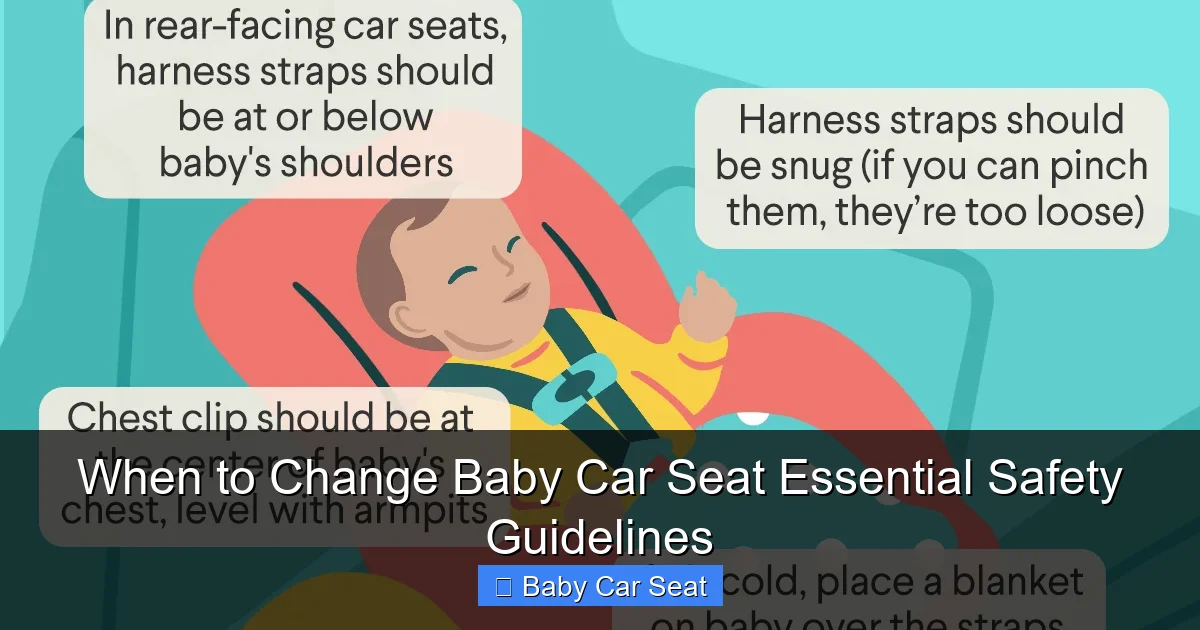
In rear-facing seats, the harness straps should be at or below the shoulders. In forward-facing seats, they should be at or above. If your child’s shoulders are above the top harness slots, it’s time to change the baby car seat. This ensures the harness holds them securely.
Head Position
The top of your child’s head should be at least one inch below the top of the seat shell. If their head is closer than that, upgrade to a larger seat. This rule applies to both rear-facing and forward-facing baby car seats. Proper head placement prevents injury.
Comfort and Fit
If your child seems cramped or the harness is too tight, consider a change. The harness should lie flat and snug on your child’s body. You should not be able to pinch any slack at the shoulders. A comfortable fit means a safer ride in your baby car seat.
Other Critical Factors: Expiration Dates and Damage
Even if your child hasn’t outgrown the seat, other factors require a change. Always check expiration dates and inspect for damage.
Checking Expiration Dates
Baby car seats expire, usually after 6 to 10 years. Materials like plastic and straps degrade over time. Check the label on the seat for a manufacture or expiration date. If your seat is expired, replace it immediately. Never use an expired baby car seat.
Inspecting for Damage
After any crash, even a minor one, replace the seat. Also, look for cracks, frayed straps, or missing parts. Sun exposure and wear can weaken the seat. Regular inspections keep your baby car seat safe. If in doubt, get a new one.
How to Transition Between Car Seat Stages
Transitioning smoothly between baby car seat stages ensures continued safety. Follow these steps for each change.
From Rear-Facing to Forward-Facing
Wait until your child reaches the maximum weight or height for rear-facing. Then, install the forward-facing seat according to the manual. Use the top tether for extra stability. Adjust the harness to fit snugly. This transition is a big step in your baby car seat journey.
From Forward-Facing to Booster Seat
Move to a booster when your child outgrows the harness weight or height. Ensure the booster positions the seat belt correctly. The lap belt should lie low on the hips, and the shoulder belt should cross the chest. Teach your child to sit properly in the booster seat.
From Booster Seat to Seat Belt
Your child can use a seat belt alone when it fits properly. The lap belt must be low on the hips, the shoulder belt across the chest, and feet flat on the floor. This usually happens around age 8-12. Always test the fit before ditching the booster seat.
Installation and Adjustment Tips for Each Stage
Proper installation is key to baby car seat safety. Here are tips for each stage.
Installing Rear-Facing Seats
Use the LATCH system or seat belt to secure the seat. Ensure the seat is at the correct recline angle—usually indicated by a level. Tighten the strap so the seat moves less than one inch side-to-side. Double-check the harness height and tightness. A well-installed rear-facing baby car seat saves lives.
Installing Forward-Facing Seats
Secure the seat with LATCH or seat belt. Always use the top tether for forward-facing seats. Adjust the harness straps to be at or above the shoulders. The chest clip should be at armpit level. Tighten the harness until snug. This ensures your baby car seat is ready for safety.
Installing Booster Seats
Place the booster seat on the vehicle seat. Use the seat belt through the guides provided. Make sure your child sits upright without slouching. The seat belt should fit as described earlier. A booster seat is simple but crucial for baby car seat safety as kids grow.
Troubleshooting Common Car Seat Issues
Sometimes, things don’t go as planned with your baby car seat. Here’s how to fix common problems.
Loose Installation
If the seat moves too much, recheck the belt path. Pull the strap tighter—you might need to use your body weight. Try a different installation method, like switching from LATCH to seat belt. A loose baby car seat is unsafe, so take time to secure it.
Incorrect Harness Positioning
The harness should be at the right height for your child’s shoulders. Adjust the slots as your child grows. Ensure the chest clip is at armpit level. Twisted straps? Straighten them out. Proper harness positioning in your baby car seat is non-negotiable.
Dealing with Expired or Damaged Seats
If your baby car seat is expired or damaged, stop using it. Recycle it through a local program or dispose of it properly. Never buy used seats unless you know their full history. Invest in a new seat for peace of mind and safety.
Conclusion: Prioritizing Safety Above All
Changing your baby car seat at the right time is essential for safety. Always follow guidelines for age, weight, and height. Watch for signs of outgrowing. Check expiration dates and inspect for damage. Proper installation and adjustment make all the difference. Stay informed about safety updates. Your vigilance keeps your child safe on every ride. Thank you for reading this guide. Remember, a well-chosen and properly used baby car seat is a lifesaver. Drive safely and protect your little one!
🎥 Related Video: When To Change Car Seat To Front Facing? – Raising A Toddler
📺 Raising A Toddler
When To Change Car Seat To Front Facing? In this informative video, we discuss the important topic of transitioning your child’s …
