
This guide shows you exactly how long should a baby be in a car seat. It covers safe time limits, signs your baby needs a break, installation tips, and travel planning. Follow these steps to keep your child safe and comfortable on every trip.
Key Takeaways
- Limit continuous time: Aim to keep trips under two hours for most healthy infants. Take breaks to remove your baby from the seat.
- Rear-facing longer: Keep your child rear-facing until at least age two, or until they reach the seat’s limit.
- Watch newborns: Preterm or medically fragile babies need even shorter car seat time and doctor guidance.
- Proper fit matters: Correct installation and snug harnessing reduce risk during every ride.
- Plan breaks: Stop every 1–2 hours. Use breaks to feed, change, and let your baby stretch out of the seat.
- Never hold a baby instead of using a seat: Always use a certified car seat for travel in a moving vehicle.
Introduction
If you are a parent or caregiver, you likely ask, how long should a baby be in a car seat? This guide answers that. You will learn safe time limits. You will learn how to set up the seat. You will learn signs that your baby needs a break. You will also get tips for long trips, newborn care, and emergency situations.
Why the question matters
Car seats save lives. But sitting for too long can cause problems. Babies have soft spines and small airways. Long periods in a seated position can lead to breathing issues or head slumping. That is why many experts talk about limits and breaks. Knowing how long should a baby be in a car seat keeps your child safer.
Visual guide about how long should a baby be in a car seat Top safety tips
Image source: villagetoyota.com
Step 1: Know the general time limits
Start with basic rules. These help you plan trips.
Visual guide about how long should a baby be in a car seat Top safety tips
Image source: the-mommyhood-chronicles.com
General guideline for healthy infants
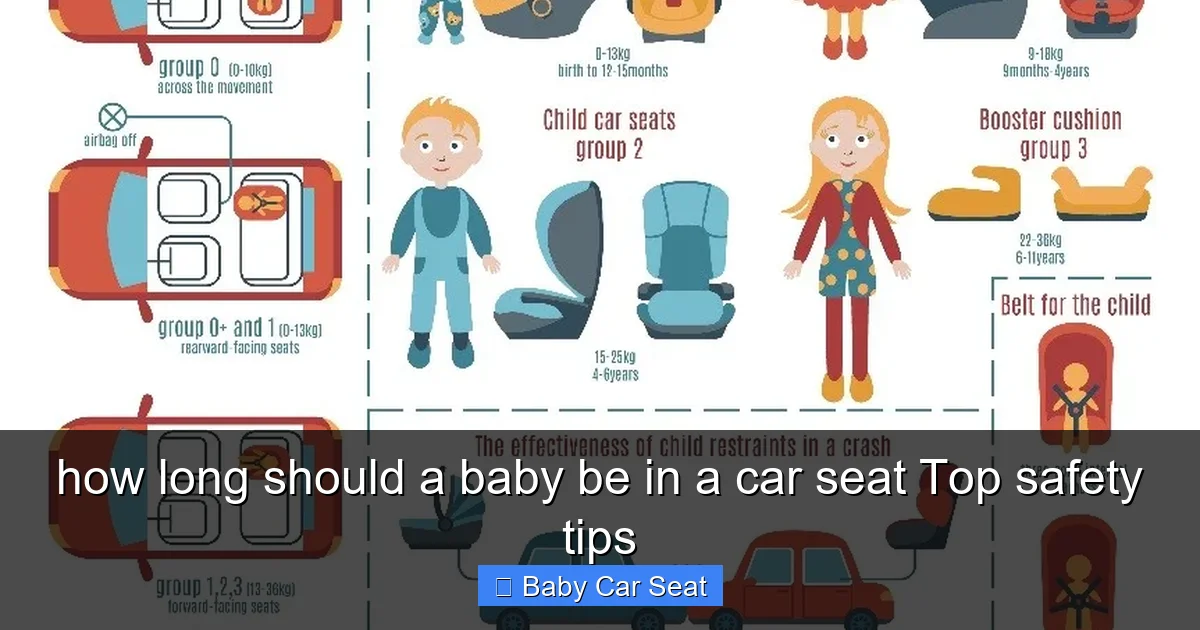
Most experts suggest keeping a baby in a car seat for no more than two hours at a stretch. So ask, how long should a baby be in a car seat? For a healthy infant, aim for less than two hours before a break. This includes time during errands and short trips.
Newborns and preterm babies
Newborns and preterm infants are more fragile. For them, the safe time is shorter. If your baby was born early or had health issues, speak with your pediatrician. They may recommend 30 to 60 minutes of continuous car seat time. So if you wonder how long should a baby be in a car seat when newborn, ask your doctor for a clear limit.
Toddlers and older infants
Toddlers can sit longer than newborns. However, you should still plan stops every 1–2 hours. When asking how long should a baby be in a car seat for older infants, remember weight and height limits matter too. Use the seat until they outgrow the rear-facing limits.
Step 2: Choose the right seat and orientation
The seat type affects safe time. Proper orientation reduces risk. This step helps you answer how long should a baby be in a car seat in the context of the right seat.
Visual guide about how long should a baby be in a car seat Top safety tips
Image source: cdn.bestcarseathub.com
Rear-facing vs forward-facing
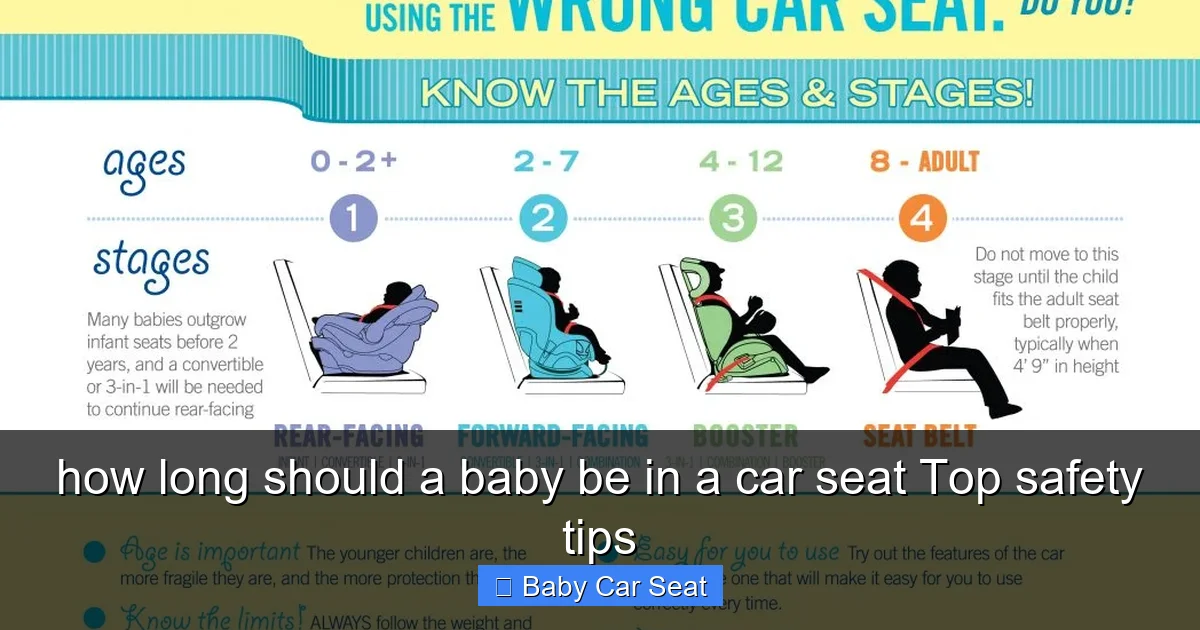
Keep your child rear-facing as long as possible. The American Academy of Pediatrics recommends rear-facing until at least age two. This supports the neck and spine in a crash. When you think about how long should a baby be in a car seat, remember orientation matters more than raw time.
Convertible seats and limits
Check your seat’s manual. Each seat has weight and height limits. These limits tell you when to switch modes. Ask, how long should a baby be in a car seat in that seat? Use the manual to match time and fit.
Step 3: Install and position the seat correctly
Even short trips are unsafe with a poorly installed seat. This step covers basics. It also helps explain how long should a baby be in a car seat during each ride.
Installation basics
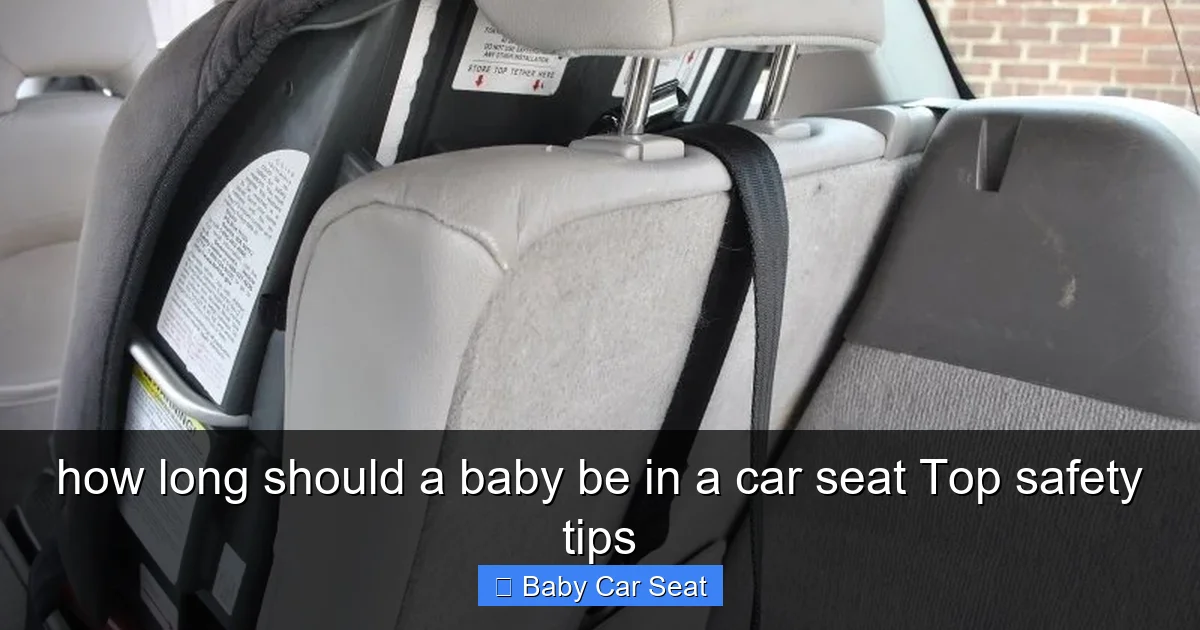
- Use the vehicle seat belt or LATCH. Follow the car seat manual.
- Make sure the seat does not move more than one inch at the belt path.
- Check the recline angle for newborns. Use the built-in indicator.
Harness and chest clip
Place straps at or below the shoulders for rear-facing seats. The harness should be snug. You should not be able to pinch the strap at the shoulder. The chest clip should sit at armpit level. These checks matter every time you ask how long should a baby be in a car seat on a trip.
Step 4: Plan trips and breaks
Good planning reduces stress. It helps you follow safe time limits. This step answers practical how long should a baby be in a car seat questions for travel days.
Short trips and errands
For quick rides, still check the two-hour rule. Even short runs add up. Combine tasks to limit total seat time. If you must do several errands, plan for breaks between stops. Remember to ask yourself, how long should a baby be in a car seat across the whole outing.
Road trips
For longer travel, stop every 1–2 hours. Use rest stops to take the baby out. Feed and change them. Let them stretch on a flat, safe surface. If you wonder how long should a baby be in a car seat on a road trip, set a break routine ahead of time.
Air travel and public transport
If you plan to use a car seat on a plane, choose an FAA-approved seat. The same time limits apply. For long waits in airports, remove the baby from the seat when safe. Keep asking, how long should a baby be in a car seat, to keep time reasonable.
Step 5: Monitor your baby during the ride
Observing your baby helps you decide when to stop. This step gives signs to watch for when you ask how long should a baby be in a car seat.
Signs your baby needs a break
- Labored or irregular breathing.
- Head slumping forward with chin to chest.
- Excessive fussiness or crying that does not calm.
- Skin color changes like paleness or blueness.
- Wet or soiled diaper that causes discomfort.
If you see any of these signs, stop safely. Remove the baby from the seat. Check them on a flat, safe surface. If breathing looks hard, seek help right away.
Sleeping babies
Babies often sleep in car seats. This can be fine for short trips. But sleep can cause head slump. Ask, how long should a baby be in a car seat if they are asleep. If the sleep is long, stop and take the baby out to check posture and breathing.
Step 6: Alternatives and accessories
Sometimes you need other options. Use these when you ask how long should a baby be in a car seat for long travel.
Travel bassinets and lie-flat options
For long trips, consider a travel bassinet or a car with a lie-flat option driven by another adult. Bassinets let babies lie flat. This can be safer for extended times. Always use products approved for travel and follow manufacturer rules.
Car seat stroller combos
Many parents use a car seat that clicks into a stroller. This helps outside the car. But avoid leaving your baby in the car seat for long periods, even on a stroller. Ask, how long should a baby be in a car seat before you decide to keep them in the seat while parked for long times.
Step 7: Special cases and medical guidance
Some babies need special care. This section helps answer how long should a baby be in a car seat for those cases.
Premature and low birth weight infants
Talk to your pediatrician. These babies may need much shorter sessions. Medical teams may recommend frequent breaks. They may also suggest monitoring oxygen or having a plan for long travel. Always get a written plan when needed.
Babies with respiratory or cardiac conditions
If your child has breathing or heart issues, talk to a specialist. The medical team can give a safe time limit. Ask specific questions about car seat times and oxygen monitoring for travel.
Practical tips to reduce time in the seat
These fast tips help you control seat time. They answer daily concerns about how long should a baby be in a car seat.
- Bundle trips. Combine errands into one outing.
- Plan feeds and naps around travel time.
- Swap drivers or caregivers so someone can take the baby out during stops.
- Use rest stops every 1–2 hours on long drives.
- Keep a travel bag with diapers, snacks, and a changing pad for quick breaks.
Troubleshooting: Common problems and fixes
This section helps when things go wrong. It answers situations you might face when asking how long should a baby be in a car seat.
Problem: Baby keeps slumping forward
Fix: Check the recline angle. Add a small, manufacturer-approved insert if needed. Reposition the harness. If slumping continues, stop and remove the baby. Let them lie flat until you can continue safely.
Problem: Baby cries and won’t settle
Fix: Stop the car safely. Take the baby out. Feed, change, and soothe them. If crying continues, evaluate for illness. If in doubt, contact a pediatrician.
Problem: You must travel longer than the limits
Fix: Plan extra stops. Alternate caregivers so the baby gets out more often. Consider an overnight break to reduce continuous seat time. If travel is medically necessary, ask your doctor for a tailored plan.
Safety rules to never forget
- Never hold a baby on your lap while the car moves.
- Never use aftermarket products that did not come with the seat unless approved by the manufacturer.
- Never leave a baby alone in a car, even if they seem asleep.
- Always follow weight and height limits in the seat manual.
- Check recalls and expiration dates on the car seat.
Real-life examples
Example 1: A parent drives 90 minutes to visit family. They stop once at 45 minutes to feed the baby and once at 90 minutes to change and stretch. They kept each car seat session under two hours. This follows guidance on how long should a baby be in a car seat.
Example 2: A family drives overnight across states. They rotate drivers and stop every 90 minutes. They let the baby sleep in a hotel bassinet at night. This plan reduces long seat time and follows advice about how long should a baby be in a car seat.
When to call a doctor
Call your pediatrician if you see breathing changes. Also call if your baby is unusually floppy or pale after a ride. If you worry about how long your child should be in a car seat due to health concerns, get medical advice. Ask specifically, how long should a baby be in a car seat for your child’s needs.
Conclusion
Understanding how long should a baby be in a car seat keeps your child safe and comfortable. Aim for breaks every 1–2 hours for most infants. Newborns and medically fragile babies often need shorter durations. Use the correct seat, install it properly, and watch your baby for signs they need a break. Plan trips, use alternatives when needed, and call your doctor if you have concerns. With simple planning, you can travel safely and confidently.
🎥 Related Video: Car Seat Safety by Age: Rear-facing Car Seats for Babies
📺 The Children’s Hospital of Philadelphia
Car seat safety experts from Children’s Hospital of Philadelphia provide tips to help you choose and install a car seat for your baby …
