
The absolute safest place for your baby’s car seat is the rear middle seat of your vehicle. This position offers the most protection from side-impact crashes. Always follow both your car seat manual and your vehicle’s owner manual to ensure a proper, secure installation every time.
Key Takeaways
- The Rear Middle Seat is #1: When possible, install the car seat in the center of the rear seat. It provides the greatest distance from any point of impact.
- Never the Front Seat: The front passenger seat is dangerous for rear-facing car seats due to active airbags, which can cause severe injury.
- Proper Installation is Non-Negotiable: A correctly installed seat should not move more than 1 inch side-to-side or front-to-back at the belt path.
- Outboard Seats Are Safe Alternatives: If the middle seat doesn’t work, either rear passenger side seat is a safe choice when the car seat is installed correctly.
- Your Manuals Are the Law: The car seat manufacturer and your vehicle’s manual contain specific, critical instructions that must be followed.
- Check for a Tight Fit: Use the “inch test” after installation and before every trip to ensure the seat hasn’t loosened.
- Professional Help is Available: Certified Child Passenger Safety Technicians can provide free, hands-on help to ensure your seat is perfectly installed.
Find Out Where is the Safest Place for a Baby Car Seat
Welcome, parents and caregivers! You have the most precious cargo in the world. Your baby’s safety is your top priority. One of the biggest decisions you’ll make is choosing and installing a car seat. But with so many seats and car configurations, it can feel overwhelming. You’re asking the right question: where is the safest place for a baby car seat?
This guide will walk you through everything. We will explore the science behind seating positions. We will give you step-by-step installation tips. We will also cover solutions for tricky situations. By the end, you will know exactly how to create the safest possible travel environment for your little one. Let’s get started on this crucial journey.
Understanding the Science of Safety: Why Placement Matters
Car crashes are a leading cause of injury for children. Proper car seat use reduces the risk of fatal injury by 71% for infants. Where you put the seat in the car is a huge part of that protection.
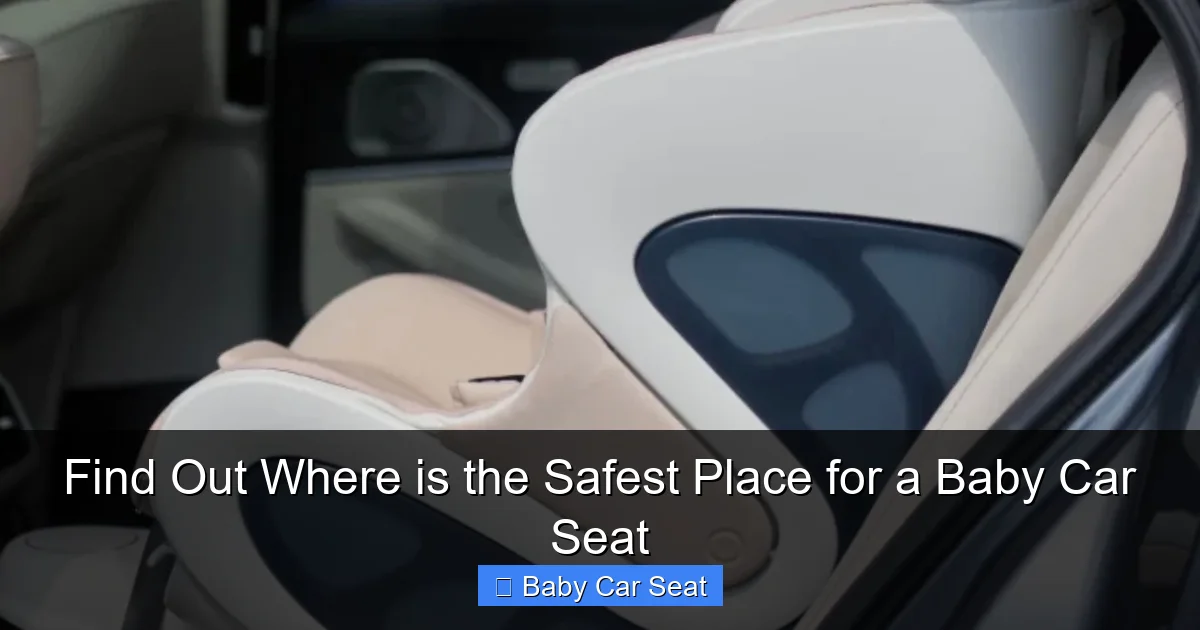
Visual guide about Find Out Where is the Safest Place for a Baby Car Seat
Image source: yankodesign.com
Think about the physics. In a crash, forces are tremendous. The goal is to keep your child as far away from the crushing energy and debris as possible. The structure of your car is designed to absorb this energy in certain zones. Placing the car seat in the optimal spot uses the car’s own safety design to create a protective cocoon.
The “safest place for a baby car seat” isn’t just an opinion. It’s based on crash data, vehicle design, and the mechanics of impact. The right spot minimizes exposure to the most common and dangerous types of collisions.
The #1 Safest Spot: The Rear Middle Seat
For almost all vehicles and car seats, the rear middle seat is the safest place for a baby car seat. Here’s why it wins:
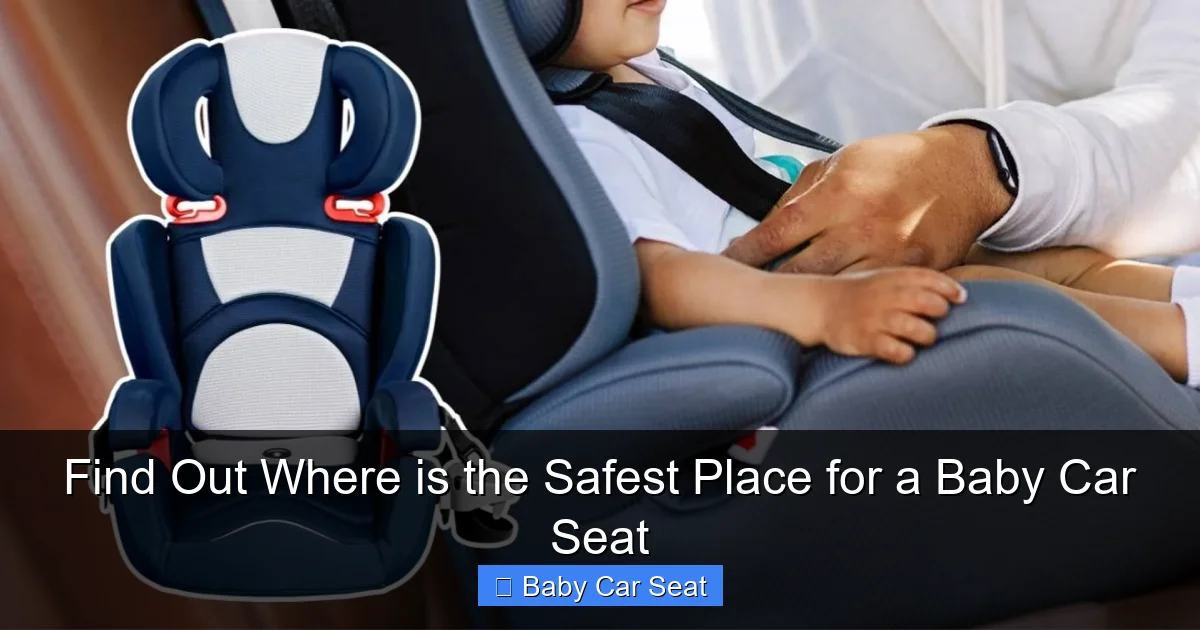
Visual guide about Find Out Where is the Safest Place for a Baby Car Seat
Image source: campfirehq.org
- Maximum Distance from Impacts: It is the farthest point from any potential side collision, whether from the driver’s side or passenger’s side.
- Protection from Intrusion: In a side-impact crash, doors and windows can crumple inward. The middle seat is least likely to be directly crushed by this intrusion.
- Reduced “Bulkhead” Risk: In some frontal crashes, the front seats or consoles can be pushed backward. The middle seat offers the most clearance.
When the Middle Seat Might Not Work
Even though it’s the top choice, the middle seat isn’t always feasible. Your vehicle or car seat manual might rule it out if:
- The middle seat is too narrow or uneven (a hump).
- The vehicle’s seat belts or LATCH anchors are not designed for a middle installation.
- You cannot get a tight, secure fit there (the “inch test” fails).
Always check both manuals first. If the middle seat is approved and you can get a secure install, that’s your gold standard for the safest place for a baby car seat.
The Safe Alternative: Rear Outboard Seats (Behind the Driver or Passenger)
If the middle seat isn’t an option, either rear outboard seat is a very safe choice. These positions are still in the rear, away from front airbags. Most parents choose the seat behind the passenger. Why? It’s often easier to load and unload the baby from the curb side, away from traffic. It also lets the driver glance back more easily.

Visual guide about Find Out Where is the Safest Place for a Baby Car Seat
Image source: magaripoa.com
The seat behind the driver is equally safe from a crash physics standpoint. Choose whichever side allows for the most correct installation and fits your lifestyle.
The Danger Zone: Why the Front Passenger Seat is a “Never”
This is the most critical rule. Never place a rear-facing baby car seat in the front passenger seat if the airbag is active. In a crash, the airbag deploys with explosive force. It hits the back of the rear-facing car seat. This can slam the seat into the vehicle seat with catastrophic force, causing serious head, neck, and spinal injuries to the baby.
Some rare exceptions exist (e.g., in pickup trucks with no back seat). This should only be done if the vehicle has a manual airbag cut-off switch that you have confirmed is turned OFF. Consult your vehicle manual and a CPST immediately if this is your only option.
Step-by-Step Guide to Finding and Securing the Safest Spot
Step 1: Gather Your Tools and Information
Before you touch the car seat, get your resources ready. You will need:
1. Your baby’s car seat (and its instruction manual).
2. Your vehicle’s owner’s manual.
3. About 30 minutes of uninterrupted time.
4. A towel or pool noodle (if your manual recommends it for angle adjustment).
Step 2: Consult the Manuals – The Golden Rule
Open both the car seat manual and the vehicle manual. Look for the sections on child restraint systems and LATCH/seat belt installation. They will have diagrams and specific rules. They will tell you which seating positions are approved for installation. They will show you where the lower LATCH anchors are or how to lock the seat belt. This step is not a suggestion; it’s the law of safe installation.
Step 3: Test the Fit in the Rear Middle Seat First
Start with the safest place for a baby car seat: the middle. Place the car seat base there. Check if the seat belts or LATCH anchors are meant for that spot. Some cars have dedicated lower anchors for the middle. Others require you to use the “borrowing” method from the inner anchors of the outboard seats—only if both manuals allow it. Try to install it following the instructions.
Step 4: Perform the “Inch Test”
Once you think it’s installed, grab the car seat at the belt path (where the seat belt or LATCH strap goes through). Pull and push hard. The seat should not move more than one inch side-to-side or front-to-back. If it moves more, it’s too loose. Uninstall and try again, putting more weight into tightening the belt or strap.
Step 5: Check the Recline Angle
Rear-facing seats need a specific recline so the baby’s head doesn’t flop forward. Most seats have a built-in angle indicator or adjuster. Use it! If the angle is wrong, use the towel or pool noodle under the base (near the front) only as directed by the car seat manual to correct it.
Step 6: If the Middle Fails, Move to an Outboard Seat
If you cannot get a secure, correct install in the middle, move to the rear passenger side seat. Repeat Steps 3-5 there. A perfectly installed seat in an outboard position is far safer than a poorly installed one in the middle.
Special Considerations for Different Vehicles
The safest place for a baby car seat can vary slightly by vehicle type.
- Sedans & SUVs: Follow the standard rules above. The rear middle is typically ideal.
- Pickup Trucks: The back seat (if present) is safest. If there is no back seat, the front passenger seat is the only option, but the airbag MUST be deactivated. Refer to the vehicle manual.
- Mini-vans & Third Rows: The second-row middle is often best. Avoid the third row if possible, as it’s closer to the rear impact zone. Always use the designated tether anchors for forward-facing seats.
- Two-Seater Cars: There is no safe option for a rear-facing infant. You need a vehicle with a back seat.
Installing Multiple Car Seats: The Safest Compromise
With two or more kids, you might not get every seat in the “perfect” spot. Here’s how to prioritize:
1. The youngest, most fragile infant in the rear-facing seat gets priority for the safest position (rear middle).
2. If the middle is needed for one car seat, place the other rear-facing seat behind the passenger.
3. Never install a car seat using LATCH in the middle and also use the outboard LATCH anchors for another seat if the manuals forbid “sharing” anchors.
4. When in doubt, use the seat belt installation method. It is equally safe and often provides more flexibility when installing multiple seats.
Troubleshooting Common Installation Problems
Even with the best plans, you might hit a snag. Here are quick fixes for common issues:
- Seat is Too Loose: Put your full weight (knee) into the seat base while pulling the LATCH strap or seat belt tight. You may need to recline the vehicle seat back first, tighten, then return it upright.
- Angle is Wrong: Double-check the indicator. Use manufacturer-approved methods to adjust (towel/noodle under the correct end of the base).
- LATCH Connectors Won’t Lock: Ensure you are using the correct anchors. Sometimes pulling the strap at a slightly different angle helps.
- Seat Belt Won’t Lock: Slowly pull the shoulder belt all the way out until you hear it click into locking mode. Then let it retract around the car seat path.
When to Get Help: If you’re unsure, stop. Your local fire station, police station, or hospital may have a Certified Child Passenger Safety Technician (CPST). They offer free checks and can teach you how to do it perfectly. It’s a priceless service.
Your Final Safety Checklist Before Every Trip
Making the safest place for a baby car seat work requires ongoing checks.
- ✓ Inch Test: Seat moves less than 1 inch at the belt path.
- ✓ Harness Fit: Straps are snug (you cannot pinch slack at the shoulder). Chest clip is at armpit level.
- ✓ No Puffy Clothes: Dress baby in thin layers. Place blankets over the buckled harness, not under it.
- ✓ Correct Direction: Baby is rear-facing until at least age 2, or longer per seat limits.
- ✓ No Aftermarket Products: Avoid head supports, strap covers, or mats not sold by the car seat maker. They can interfere with safety.
Conclusion: Safety is a Journey, Not a One-Time Task
You’ve done the research. You now know that the rear middle seat is generally the safest place for a baby car seat. But the real safety magic happens when that knowledge meets action: reading the manuals, installing with care, and checking that fit every single time.
Don’t let perfection be the enemy of the good. A correctly installed seat in a rear outboard position is a tremendous safety achievement. Use the resources available, like CPSTs, and trust yourself. You are your child’s best advocate. By taking the time to get this right, you are giving your baby the strongest possible foundation for safe travels, from their first ride home to all the adventures that follow.
🎥 Related Video: Car Seat Safety by Age: Rear-facing Car Seats for Babies
📺 The Children’s Hospital of Philadelphia
Car seat safety experts from Children’s Hospital of Philadelphia provide tips to help you choose and install a car seat for your baby …
