
Ensuring your baby’s car seat is installed correctly is a critical, yet often confusing, task for parents. This guide clearly explains who can check your installation, from your own DIY inspection to seeking help from certified Child Passenger Safety Technicians (CPSTs). You’ll learn the step-by-step process for each option, empowering you to achieve maximum safety for your little one on every ride.
Key Takeaways
- You Are the First and Most Important Checker: Learn the basics of a secure installation—tight fit, correct angle, and snug harness—to perform a vital initial safety inspection yourself.
- Certified CPSTs Are the Gold Standard: A nationally certified Child Passenger Safety Technician provides the most reliable, hands-on education and verification of your car seat installation.
- Free Resources Are Available: Many fire stations, hospitals, and police departments offer free car seat checks by appointment, but always confirm the inspector is a current CPST.
- Retailers Offer Limited Checks: Some big-box stores and baby specialty shops have CPSTs on staff, but their availability and service scope can vary widely.
- The Car Manual and Seat Manual Are Law: Both your vehicle’s owner manual and your car seat instruction manual contain non-negotiable rules for proper installation that must be followed.
- Installation Errors Are Very Common: Over 95% of car seats are installed with at least one minor error. Seeking a professional check greatly reduces this risk.
- Regular Rechecks Are Necessary: You should check your seat’s installation and harness fit every month, and always after it has been uninstalled or adjusted.
Who Checks Baby Car Seat Installation? Your Guide to Safety
Bringing your baby home from the hospital is a huge moment. You have the diaper bag packed. You have the cute going-home outfit ready. But there is one big question left. Is the car seat in right? This tiny seat is your child’s most important piece of safety gear on the road. Getting it wrong is scary. So, who can you trust to check it? The answer might surprise you. This guide will walk you through every person and resource available. You will learn how to be your own expert. You will also learn when and how to call in the pros. Let’s make sure your most precious cargo is safe.
Your Most Important Resource: You
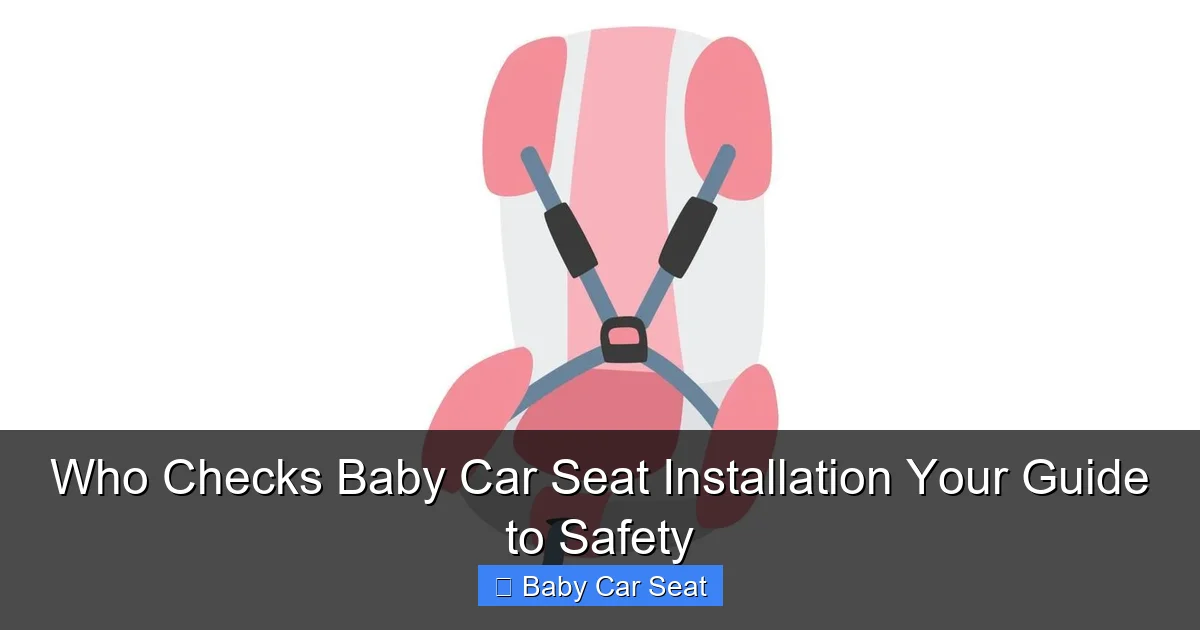
Yes, you! Parents and caregivers are the first line of defense. You use the seat every day. You need to know the signs of a good installation. This knowledge lets you do a quick safety check before every trip. It also helps you talk smartly with a professional if you need one. Think of yourself as the primary safety manager.
Visual guide about Who Checks Baby Car Seat Installation Your Guide to Safety
Image source: static.vecteezy.com
How to Perform Your Own Basic Safety Check
You can do this check in just a few minutes. Get familiar with these three big rules.
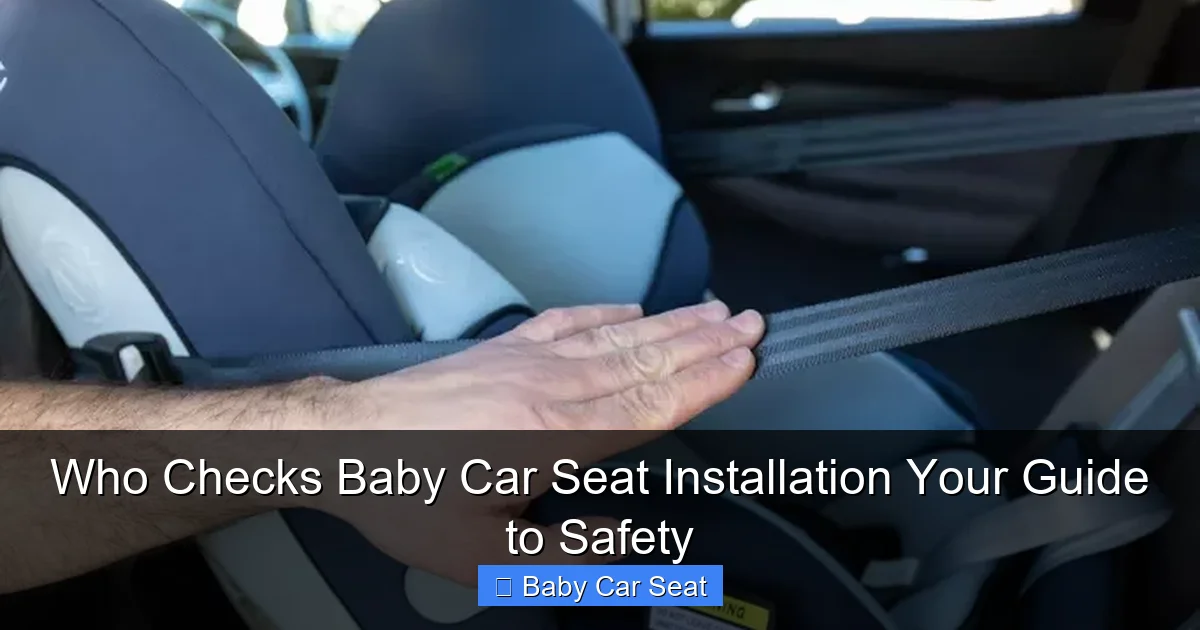
- The Inch Test: Once the seat is installed, grab it at the belt path (where the seat belt or LATCH strap goes through the seat). Try to move it side-to-side and front-to-back. If it moves more than one inch in any direction, it is too loose. Tighten it up.
- The Recline Angle: For rear-facing seats (all infants and toddlers), the correct angle is crucial. It keeps your baby’s airway open. Most seats have a built-in angle indicator or adjuster. Check your manual. The seat should not sit too upright or too laid back.
- The Pinch Test: This is for the harness straps on your baby. Buckle your child in. Tighten the harness. Now, try to pinch the strap vertically at your child’s collarbone. If you can pinch any excess webbing, it’s too loose. You should not be able to pinch any material.
Do these three checks often. Make it a habit. It gives you great peace of mind.
The Gold Standard: Certified Child Passenger Safety Technicians (CPSTs)
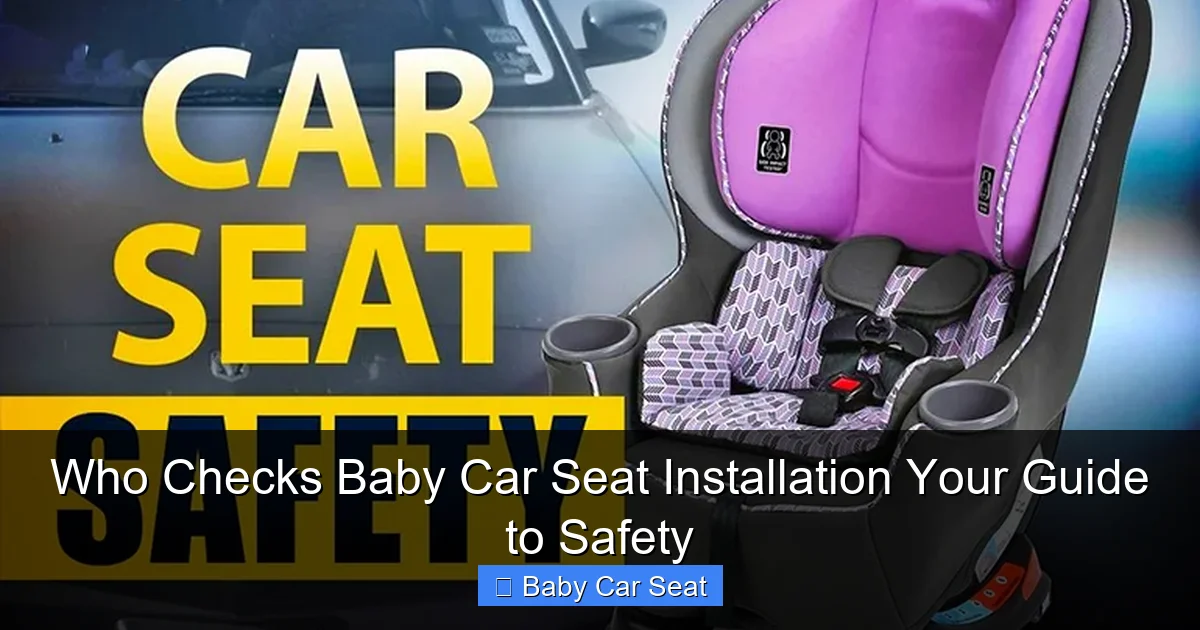
This is the best answer to “who checks baby car seat installation?” A CPST is a person who has passed a rigorous national course. They are certified to educate and assist families. They are not there to install it for you. They are there to teach you how to install and use it correctly. This is the big difference.
Visual guide about Who Checks Baby Car Seat Installation Your Guide to Safety
Image source: kttn.com
How to Find and Work With a CPST
Finding a CPST is easier than you think. Here is your action plan.
- Use the Official Directory: Go to the National Highway Traffic Safety Administration (NHTSA) website. They have a search tool for local car seat inspection stations. You can enter your zip code.
- Call Ahead for an Appointment: Most CPSTs work by appointment. This ensures they have enough time for you. When you call, ask if the person is a currently certified CPST.
- Come Prepared: Bring your car seat, your child (if possible), and both instruction manuals (car seat and vehicle). Install the seat yourself first. The technician can then see what you know and help correct mistakes.
- Ask Questions: This is your learning session. Ask “why” when they make a correction. Take notes. Have them watch you reinstall it at the end.
A visit with a CPST is often free. It is always invaluable.
Community Helpers: Fire Stations, Hospitals, and Police
You have probably heard, “Just go to the fire station.” This is common advice. But it needs a little clarification. Not every firefighter or police officer is a CPST. Many departments have at least one certified person on staff. You need to check first.
Visual guide about Who Checks Baby Car Seat Installation Your Guide to Safety
Image source: carsguide-res.cloudinary.com
What to Know Before You Go
Do not just show up unannounced. Fire crews and police officers have emergency duties. An unexpected car seat check can pull them away from critical tasks.
- Always Call First: Find the non-emergency phone number for the station. Ask if they have a certified CPST available for checks and if they do it by appointment.
- Ask About Their Policy: Some stations have specific “Car Seat Check” days or hours. Others may refer you to a different local resource.
- Hospitals and Health Departments: Many pediatric units or public health departments have CPSTs on staff. This is a great option, especially for soon-to-be or new parents.
Retail Resources: Where You Bought the Seat
Some stores that sell car seats offer installation help. Big-box retailers and baby specialty stores sometimes employ CPSTs. The key word is sometimes. The service and expertise can vary a lot from store to store.
Navigating Store Help
If you want to try this route, be a smart consumer.
- Inquire About Certification: Politely ask, “Is the person who does the checks a currently certified Child Passenger Safety Technician?”
- Understand the Limits: An employee might show you how the display model works. But they may not do a full, in-vehicle installation check. They also might not be liable for the installation.
- Double-Check Their Work: Even if a store employee helps, run through your own “Inch Test” and “Pinch Test” afterward. You are the final authority.
Virtual and Manual Helpers
In today’s world, help can also come from a screen or a booklet. These are your supporting tools.
The Vehicle Owner’s Manual
This is the law of your car. It tells you where you can and cannot install a car seat. It shows you where the LATCH anchors are. It explains if your front airbag can be turned off. You must read it. A CPST will use it during a check.
The Car Seat Instruction Manual
This is the law of your seat. It has the exact steps for your specific model. How to thread the harness. What the angle indicator means. The weight limits for LATCH versus the seat belt. Keep this manual in your car at all times.
Manufacturer Videos and Hotlines
Most major car seat brands have how-to videos on their websites. These are fantastic visual guides. Many also have toll-free customer service lines. You can call with specific questions about your model.
Troubleshooting Common Installation Problems
Even with help, you might hit a snag. Here are fixes for common issues.
- Problem: The seat moves more than an inch.
Solution: Put more weight into it. Use your knee to press down into the seat while you pull the belt or LATCH strap tight. You may need to recline the vehicle seat first for rear-facing seats. - Problem: The seat is crooked.
Solution: Check that you are using the correct belt path. Make sure the seat belt or LATCH strap is not twisted. Sometimes, a rolled towel or pool noodle (only if allowed by both manuals) under the seat base can help level it. - Problem: You can’t get a tight fit in the center seat.
Solution: Not all center seats have dedicated LATCH anchors. You often must use the seat belt for a center installation. Check both manuals. The seat belt can provide a just-as-secure install.
Conclusion: Your Safety Network
So, who checks baby car seat installation? It is a team effort. You are the captain, doing daily checks and learning the basics. A Certified CPST is your star coach, providing expert training. Community stations and retailers can be helpful players, if you verify their credentials. And your manuals are the official rulebook. Use all these resources. Do not feel shy about asking for help. Your baby’s safety is worth the extra step. Schedule that CPST appointment today. Then, drive with confidence, knowing you have done everything you can for a safe journey.
🎥 Related Video: How Easy Is ClickTight Installation? See Why Parents Love Britax Car Seats
📺 Britax Child Safety, Inc
Real Parent Review: @littleradadventures shows just how quick and secure a Britax ClickTight installation can be—rear-facing or …
