
Yes, a baby car seat can absolutely damage leather upholstery through pressure points, indentations, abrasion, and heat. However, with the right protective measures, you can significantly minimize or even prevent this damage. This guide provides a complete, step-by-step plan to shield your leather and enjoy a family-friendly car without the costly wear and tear.
Welcome, concerned parent and car owner! You’ve invested in a safe car seat for your little one and you value the sleek interior of your vehicle. The looming question is: will baby car seat damage leather? The short, honest answer is yes, it can—and often does. But don’t worry! This doesn’t mean you have to choose between your child’s safety and your car’s interior. With knowledge and the right precautions, you can prevent most, if not all, of that dreaded damage.
This comprehensive guide will walk you through exactly how a car seat damages leather and, more importantly, provide you with a clear, actionable plan to stop it. We’ll cover the science of the damage, the must-have protective gear, installation tricks, and ongoing care tips. By the end, you’ll feel confident and equipped to protect your investment.
Key Takeaways
- Damage is Highly Likely Without Protection: The combined forces of weight, pressure, friction, and heat from a car seat will almost certainly cause permanent indentations, cracks, color transfer, and abrasion on unprotected leather.
- Layered Protection is the Best Strategy: Using a combination of a high-quality seat protector, a towel or mat underneath, and careful installation creates a formidable barrier against all types of damage.
- Not All Seat Protectors are Created Equal: Choose a protector made from soft, non-slip, and waterproof material that is specifically designed for leather seats to ensure grip and breathability.
- Proper Installation Minimizes Movement: A tightly installed car seat that doesn’t shift or wiggle drastically reduces the abrasive friction that scuffs and wears down the leather’s surface.
- Regular Maintenance is Crucial: Frequently removing the seat and protector to clean and condition the leather prevents permanent set-in stains and keeps the material supple, resisting cracks.
- Act Quickly on Spills and Stains: Immediate cleanup of milk, juice, or food from the leather surface prevents stains and potential bacterial growth that can degrade the leather.
How a Baby Car Seat Damages Leather: Understanding the Enemy
Leather is durable but surprisingly vulnerable to the unique stresses a car seat imposes. It’s not just about dirt; it’s about physics and chemistry. Here’s what you’re up against:
1. Pressure Points and Permanent Indentations
The concentrated weight of a child and a heavy car seat (often 30+ pounds combined) bears down on a few small, hard points: the seat base’s corners and the latch or buckle connectors. Over time, this immense pressure compresses the leather and its supportive foam padding underneath, leading to permanent dents that may not spring back.
2. Abrasion and Scuffing
Every time the car moves, the car seat shifts microscopically. This constant back-and-forth rubbing acts like sandpaper on the leather’s topcoat (the protective painted layer). This results in scuff marks, a worn, dull appearance, and can eventually wear through to the raw leather beneath.
3. Heat and Moisture Damage
Leather needs to “breathe.” A large, non-breathable car seat base traps heat and moisture against the leather, especially in summer. This can cause the leather’s natural oils to dry out, leading to stiffening, cracking, and discoloration. It also creates a damp environment where mold can grow.
4. Strap and Buckle Gouges
The metal latch plates, buckle tongues, and hard plastic adjusters on the car seat straps can dig into the seat bolsters or center console during installation and daily use, leaving scratches, cuts, or deep impressions.
5. Color Transfer and Staining
The underside of some car seats, especially darker-colored ones, may not be colorfast. Heat and moisture can cause dyes to bleed onto light-colored leather. Add spilled milk, juice, or snack crumbs, and you have a recipe for stubborn stains.
Your Step-by-Step Guide to Preventing Leather Seat Damage
Now that you know the threats, let’s build your defense. Follow these steps in order for the best protection.
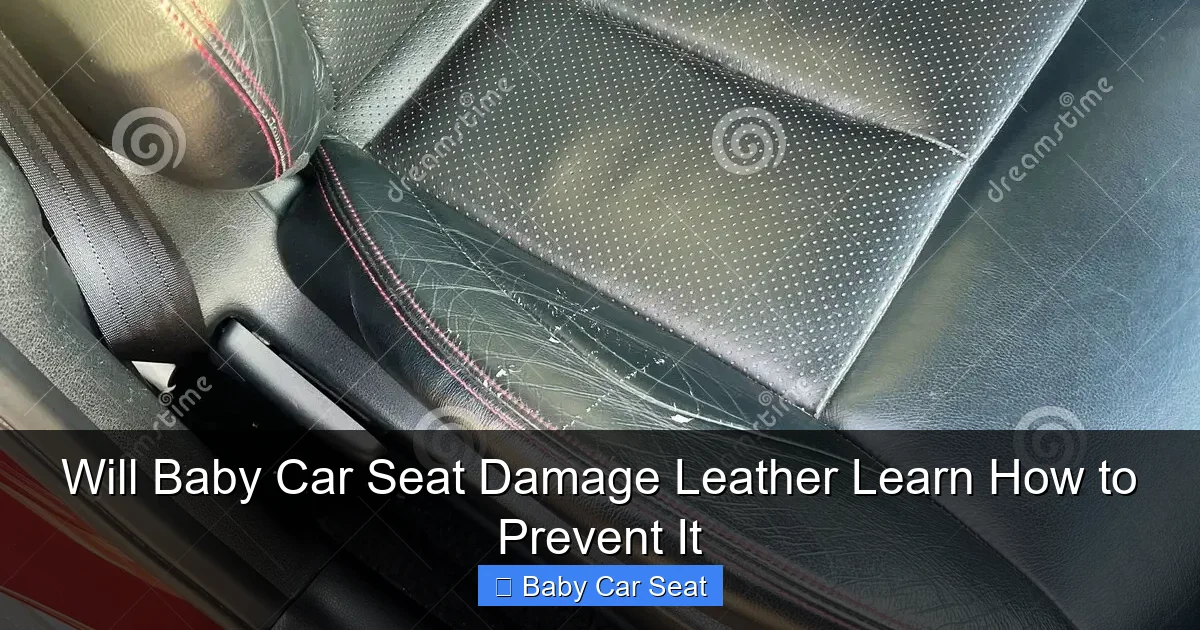
Visual guide about Will Baby Car Seat Damage Leather Learn How to Prevent It
Image source: thumbs.dreamstime.com
Step 1: Choose the Right Protective Barrier
This is your most important purchase. Avoid cheap, vinyl, or non-breathable mats. Look for:
- Material: Soft, felt-like top layer (gentle on leather) with a non-slip rubberized bottom.
- Design: A model that’s specifically marketed for leather seats. It should be waterproof to block spills but breathable to reduce heat/moisture buildup.
- Coverage: Full coverage that protects both the seat bottom and the backrest from rear-facing seat kicks or forward-facing pressure.
- Bonus Tip: For extra cushioning, place a plush, clean towel (like a thick beach towel) between the leather and the seat protector. This adds another layer for pressure distribution.
Step 2: Prepare Your Leather Surface
Before you install anything, get your leather in top shape.
- Clean Thoroughly: Use a dedicated, pH-balanced leather cleaner to remove any dirt or oils that could act as abrasives under the protector.
- Condition: Apply a quality leather conditioner. This replenishes oils, keeping the leather supple and more resilient to pressure marks. Let it fully absorb and dry as per product instructions.
Step 3: Install the Car Seat Correctly and Tightly
A secure seat is a stationary seat. Less movement means less abrasion.
- Read Both Manuals: Consult your car seat manual AND your vehicle’s owner manual for proper installation guidelines (using LATCH anchors or the seat belt).
- Maximize Tightness: When installing, put your full weight into the car seat (kneel on it) while tightening the LATCH strap or seat belt. The seat should not move more than one inch side-to-side or front-to-back at the belt path.
- Protect Adjacent Surfaces: Use soft microfiber cloths or foam pool noodles to pad areas where straps might rub against plastic trim or leather bolsters.
Step 4: Implement a Routine Maintenance Schedule
Prevention is an ongoing process. Set calendar reminders for these tasks:
- Weekly/Bi-Weekly: Quickly remove the car seat and protector to vacuum up crumbs and check for moisture.
- Monthly: Do a full removal. Inspect the leather for early signs of indentations or stains. Wipe with a damp (water-only) microfiber cloth and allow to air dry fully.
- Seasonally (Every 3-4 Months): Perform a full clean and conditioning treatment on the leather while the seat is out for an extended period (e.g., during a detailed car cleaning).
Troubleshooting Common Problems
Uh-oh. Found a problem? Here’s what to do.
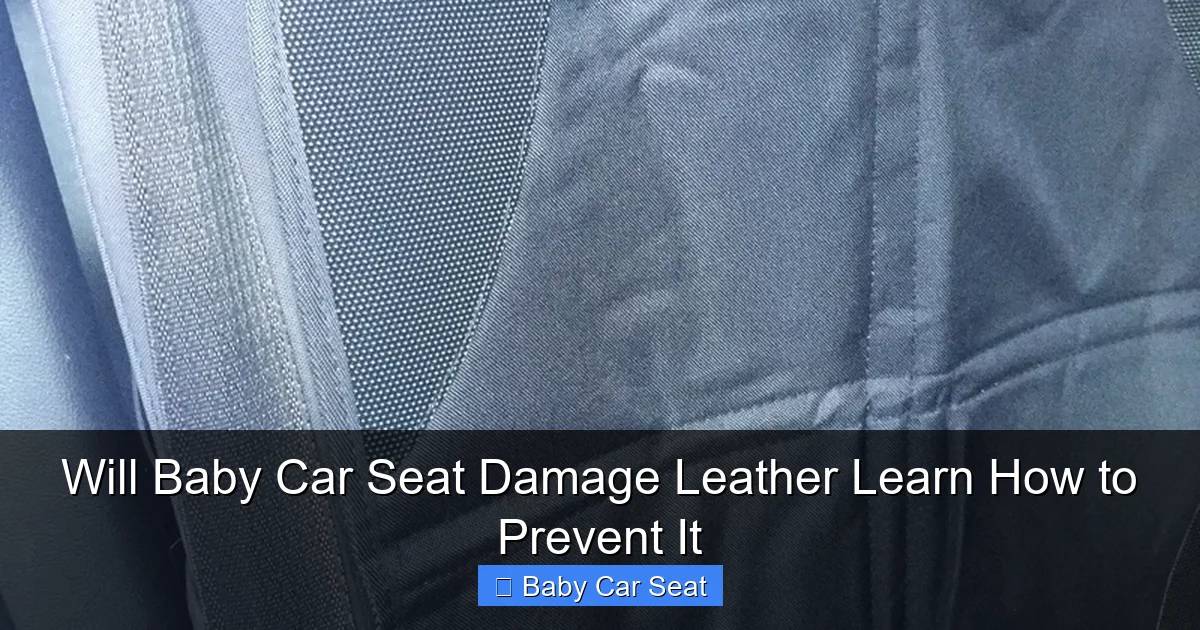
Visual guide about Will Baby Car Seat Damage Leather Learn How to Prevent It
Image source: smiinkyflorida.weebly.com
Problem: You Already Have Light Indentations
Solution: Remove the seat and protector. Use a leather conditioner and gently massage the area. For shallow dents, you can try using a hair dryer on a low, cool setting to gently warm the leather (do not overheat!) while manually trying to plump the foam from the edges. For deep, permanent dents, a professional automotive upholsterer may be needed.
Problem: You Discover Scuff Marks
Solution: Clean the area first. Often, scuffs are just marks from the topcoat. A dedicated leather cleaner and a very gentle buffing with a microfiber cloth can sometimes remove them. For deeper abrasions, a leather “filler” or “dye” kit matched to your interior color might be required.
Problem: A Spill Leaked Through
Solution: Act immediately. Blot—don’t rub—the liquid. Use a leather-specific cleaner for the stain. For milk or juice, a 50/50 solution of white vinegar and water (test in an inconspicuous area first) can help neutralize odors and bacteria before cleaning. Always follow with conditioner.
Conclusion: Peace of Mind is Possible
So, will a baby car seat damage leather? Left unprotected, the odds are not in your favor. But as you’ve learned, you are far from powerless. By understanding the mechanisms of damage—pressure, abrasion, heat, and moisture—you can fight back effectively. The formula is simple: Invest in a quality, leather-specific seat protector, install your car seat with meticulous tightness, and commit to a routine of cleaning and leather care.
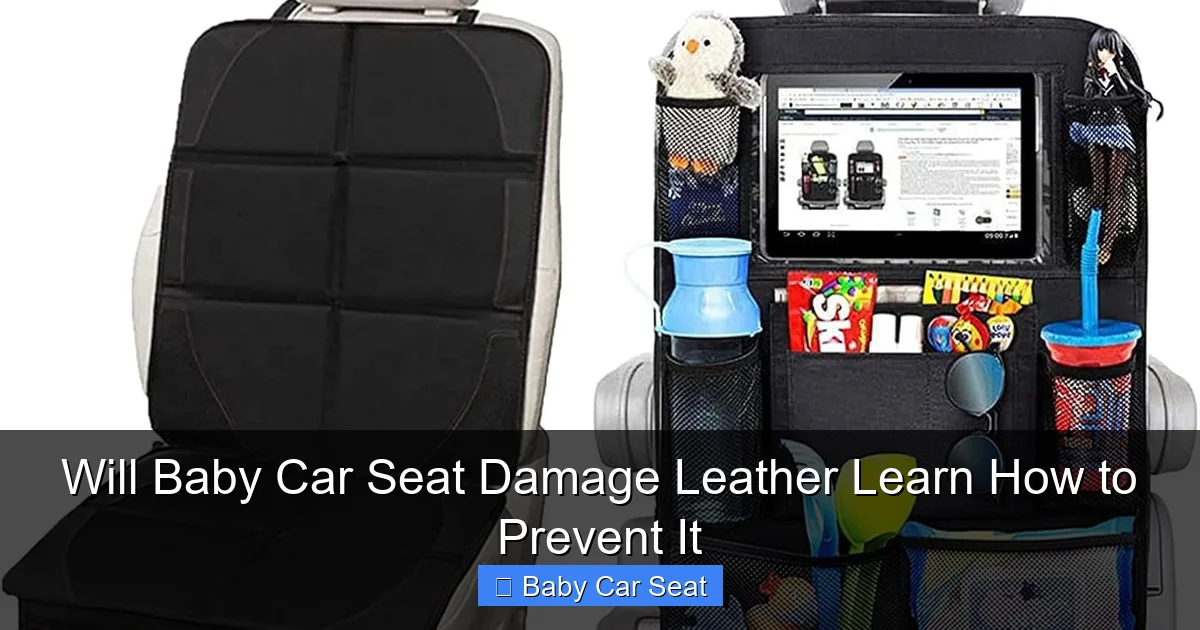
Visual guide about Will Baby Car Seat Damage Leather Learn How to Prevent It
Image source: m.media-amazon.com
This proactive approach lets you enjoy the best of both worlds: the irreplaceable safety of your child’s car seat and the preserved beauty and value of your vehicle’s leather interior. Start your protection plan today and drive forward with confidence.
🎥 Related Video: THIS saved our car | PIDO Car Seat Protector
📺 Rosales Recommendations
Car Seat Protector Recommendation: https://geni.us/seatprotector I truly wish someone would’ve told me something like this …
