
Yes, most baby car seat covers can be washed, but it must be done correctly to maintain safety. This guide provides step-by-step instructions for removing, cleaning, and reinstalling your car seat fabric. Always consult your manual first, as improper cleaning can damage safety materials.
Key Takeaways
- Always Check the Manual First: The manufacturer’s instructions are the ultimate authority on whether and how your specific car seat cover can be cleaned.
- Remove Harness Straps & Buckle: These critical safety components should never be submerged in water or washed with detergent, as it can weaken their integrity.
- Gentle Cleaning is Key: Use mild detergent, cold or warm water, and a gentle cycle to avoid damaging fabrics, flame retardants, and padding.
- Air Dry Thoroughly: Never use a clothes dryer unless the manual explicitly states it’s safe. Air drying prevents shrinkage and fabric damage.
- Inspect Before Reassembly: After cleaning, check all parts for wear, damage, or lingering moisture to ensure the seat remains safe and functional.
- Spot Clean for Minor Messes: For small spills, spot cleaning is often the safest and quickest option to tackle stains without a full wash.
Can Baby Car Seat Covers Be Washed? Your Ultimate Cleaning Guide
Baby car seats see a lot of action. From spilled milk and snack crumbs to diaper leaks and unexpected spit-up, the fabric cover takes the brunt of it. A clean car seat isn’t just about looks; it’s about hygiene and your baby’s comfort. But washing it can feel daunting. Can you just throw it in the washer? Will you ruin the safety features?
Good news! In most cases, yes, baby car seat covers can be washed. However, doing it wrong can compromise the seat’s safety. This guide will walk you through the entire process, from checking your manual to reassembling a fresh, clean seat. We’ll cover machine washing, hand washing, spot cleaning, and crucial safety tips you must not skip.
Step 1: Preparation and Safety First
Before you touch a zipper or a stain, there are critical steps to take. Rushing in can lead to mistakes that affect your seat’s safety.
Visual guide about Can Baby Car Seat Covers Be Washed Ultimate Cleaning Guide
Image source: cdn.shopify.com
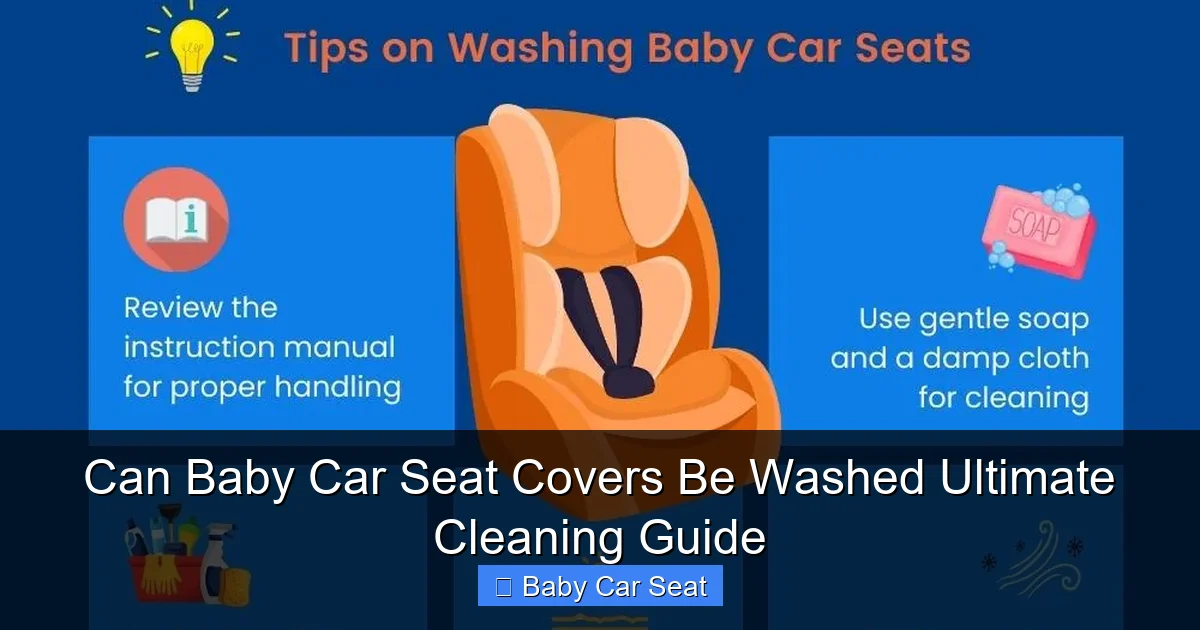
Consult Your Car Seat Manual
This is the most important step. Your car seat’s manual has a cleaning section written by the people who engineered it. It will tell you:
- If the cover is removable and machine washable.
- Which specific parts must not be washed (like harness straps).
- Recommended water temperature and cycle type.
- Approved cleaning agents.
- Drying instructions (this is often where people make mistakes).
Can’t find the manual? Search online for your car seat model’s brand and name. Most manufacturers have PDF versions available on their website.
Gather Your Supplies
Having everything ready makes the process smooth. You will likely need:
- Mild, fragrance-free detergent (like Dreft, Babyganics, or a plain detergent).
- A soft-bristled brush or old toothbrush.
- Large towels or a drying rack.
- A clean, flat surface for disassembly.
- A camera or phone (to take pictures during disassembly).
- Bucket for hand washing (if needed).
Step 2: Removing the Car Seat Cover
Take your time here. Photos are your best friend for remembering how everything goes back together.
Visual guide about Can Baby Car Seat Covers Be Washed Ultimate Cleaning Guide
Image source: i.ytimg.com
Uninstall the Car Seat from Your Vehicle
For a thorough clean, take the entire seat indoors. This gives you space to work and ensures you don’t lose small parts in the car.
Disassemble and Identify Non-Washable Parts
Follow your manual’s instructions. Generally, the process is:
- Remove the Harness Straps and Buckle Tongue: Unthread the harness straps from the shell. CRUCIAL: Do NOT wash the harness straps or the metal buckle tongue. Wiping them with a damp cloth is the only safe cleaning method. Detergents and soaking can degrade the webbing’s strength.
- Unhook and Unzip: Most covers are held by elastic loops, hooks, and zippers. Carefully unhook each loop and unzip every section.
- Remove Padding and Inserts: Take out any foam headrest inserts, body pillows, or chest clip pads. Check the manual to see if these are machine washable or only surface cleanable.
- Separate the Fabric from the Shell: Gently pull the fabric cover off the plastic shell. You may have a multi-piece cover.
Step 3: Choosing Your Cleaning Method
Now you have a pile of fabric. Choose the right cleaning method based on the level of soil and your manual’s guidance.
Visual guide about Can Baby Car Seat Covers Be Washed Ultimate Cleaning Guide
Image source: seatcoverguide.com
Method A: Machine Washing (When Approved)
If your manual gives the green light for machine washing:
- Use a Gentle Cycle: Select the delicate or gentle cycle on your washing machine.
- Use Cold or Warm Water: Avoid hot water, as it can set stains and damage fabrics.
- Measure Detergent Carefully: Use a small amount of mild detergent. Too much soap leaves residue that can irritate skin and is hard to rinse out.
- Skip the Softener: Fabric softeners and dryer sheets can coat fabrics, reducing the effectiveness of flame-retardant treatments. Do not use them.
- Wash Alone: Wash the cover by itself to avoid snagging on zippers or buttons from other items.
Method B: Hand Washing (The Safest Bet)
Hand washing is often the most recommended method. It’s gentle and gives you control.
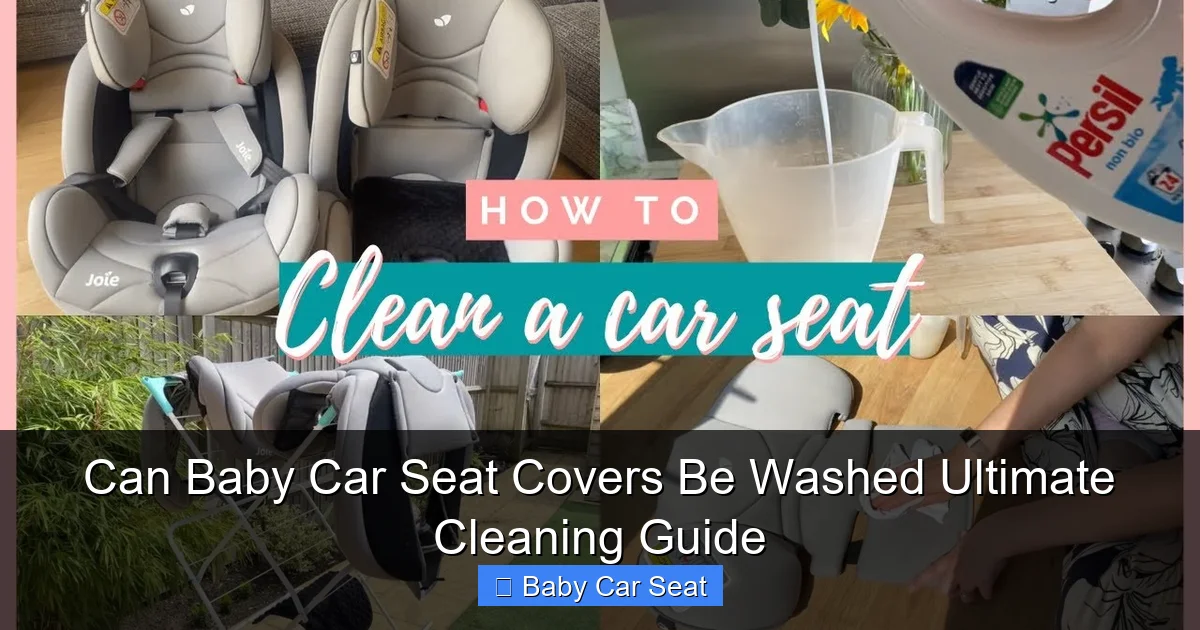
- Fill a bathtub or large bucket with lukewarm water and a small amount of mild detergent.
- Submerge the cover and gently agitate it. Use a soft brush on stained areas.
- Let it soak for 15-30 minutes for tough grime.
- Drain the soapy water and refill with clean water. Rinse repeatedly until the water runs completely clear and no suds remain. Soap residue attracts more dirt.
Method C: Spot Cleaning for Small Messes
For a fresh spill or a localized stain, a full wash might be overkill.
- Blot (don’t rub) liquid spills immediately with a clean towel.
- Mix a small amount of mild detergent with cool water.
- Using a clean cloth, dab the solution onto the stain, working from the outside in.
- Rinse the area by dabbing with a cloth dampened with plain water.
- Allow to air dry completely.
Step 4: Drying the Car Seat Cover Completely
This step is critical. Improper drying can cause mold, mildew, and shrinkage.
Air Dry Only (Unless Manual Says Otherwise)
Do not put your car seat covers in the clothes dryer unless the manufacturer’s manual explicitly states it is safe. The high heat can:
- Shrink the fabric, making it impossible to reinstall.
- Damage elastic and padding.
- Weaken flame-retardant chemicals.
Best Air Drying Practices
To air dry efficiently:
- Gently squeeze out excess water. Do not wring or twist, as this can misshape the fabric.
- Lay the cover flat on large towels or a drying rack, reshaping it to its original form.
- Ensure good air circulation. You can use a fan in the room to speed up the process.
- Flip the cover over halfway through drying.
- Patience is key. It can take 24-48 hours to dry completely. Every single layer must be 100% dry before reassembly to prevent mold inside the padding.
Step 5: Reassembling Your Car Seat
You’re in the home stretch! A clean, dry cover needs to be put back together safely.
Inspect All Components
Before you start:
- Check the cover, straps, and buckles for any signs of fraying, cracking, or damage.
- Ensure the plastic shell is clean (wipe with a damp cloth).
- Verify everything is bone-dry.
Follow Your Photos or Manual in Reverse
Carefully reattach the fabric to the shell, re-thread the harness straps exactly as they were (this is a common point of error), and re-attach all pads and inserts. Double-check every hook and zipper. An improperly installed cover can be a choking hazard or interfere with the harness function.
Troubleshooting Common Cleaning Problems
What if things don’t go perfectly? Here are quick fixes.
Problem: The cover shrank and won’t fit.
Solution: While it’s still slightly damp, try gently stretching it back into place. If it’s fully dry and shrunken, unfortunately, you likely need a replacement cover from the manufacturer.
Problem: Stains didn’t come out.
Solution: For organic stains (spit-up, food), an enzyme-based cleaner safe for fabrics can help. Always test on an inconspicuous area first.
Problem: The padding feels clumpy after washing.
Solution: Gently massage and fluff the padding while it’s drying to redistribute the filling.
Conclusion: Safety and Cleanliness Go Hand-in-Hand
Keeping your baby’s car seat cover clean is an important part of care and maintenance. By following this guide—always starting with your manual, removing safety components correctly, cleaning gently, and air drying thoroughly—you can ensure your baby’s seat is both fresh and, most importantly, safe. Regular light cleaning prevents the need for heavy scrubbing. A clean car seat is a more comfortable and healthier environment for your precious passenger on every journey.
🎥 Related Video: Car Seat CLEANING Tips 🧼
📺 The Baby Cubby
