

Are baby bottle sterilizers necessary depends on your baby’s age and health. This guide explains when to sterilize, which methods work best, and gives easy, step-by-step tips to keep bottles safe. Simple routines and smart choices often make feeding clean and stress-free for new parents.
Key Takeaways
- Point 1: For newborns and premature babies, sterilizing is highly recommended to reduce infection risk.
- Point 2: For older infants, good washing with hot, soapy water or a dishwasher may be enough.
- Point 3: Several methods work: electric steam, microwave steam, boiling, UV, and chemical sterilizers each have pros and cons.
- Point 4: Clean first, then sterilize. Cleaning removes milk residue that shields germs from sterilization.
- Point 5: Sterilizers are tools, not magic. Follow instructions, maintain parts, and check bottles for wear.
- Point 6: If in doubt, consult your pediatrician — they can advise based on baby’s health and local conditions.
Introduction
This how-to guide answers the big question: are baby bottle sterilizers necessary for new parents? You will learn when sterilizing matters. You will learn which methods work. You will learn simple steps to clean and sterilize bottles safely. This guide gives clear, practical steps you can follow today.
Step 1: Know why sterilizing matters
Start with the basics. The phrase are baby bottle sterilizers necessary pops up a lot because parents worry about germs. Babies have small immune systems. Some germs cause stomach upset or more serious illness. Sterilizing reduces germs on bottles and nipples.
Visual guide about Are Baby Bottle Sterilizers Necessary for New Parents
Image source: images.agoramedia.com
When sterilizing helps most
Ask: Is your baby a newborn? Premature? Has a weak immune system? If yes, the answer to are baby bottle sterilizers necessary is closer to “yes.” Hospitals often sterilize equipment for newborns. At home, sterilizing can protect fragile babies.
When you might skip sterilizing
If your baby is healthy and older than 3-6 months, simple washing may be enough. Many parents ask, are baby bottle sterilizers necessary after three months? Often, the answer is no. Clean bottles in hot, soapy water or a top-rack dishwasher. Dry fully. Store properly.
Step 2: Learn the common sterilizing methods
To answer are baby bottle sterilizers necessary, you need to know the options. Each method kills germs. Each has pros and cons. Pick the method that fits your life and budget.
Visual guide about Are Baby Bottle Sterilizers Necessary for New Parents
Image source: youaremom.com
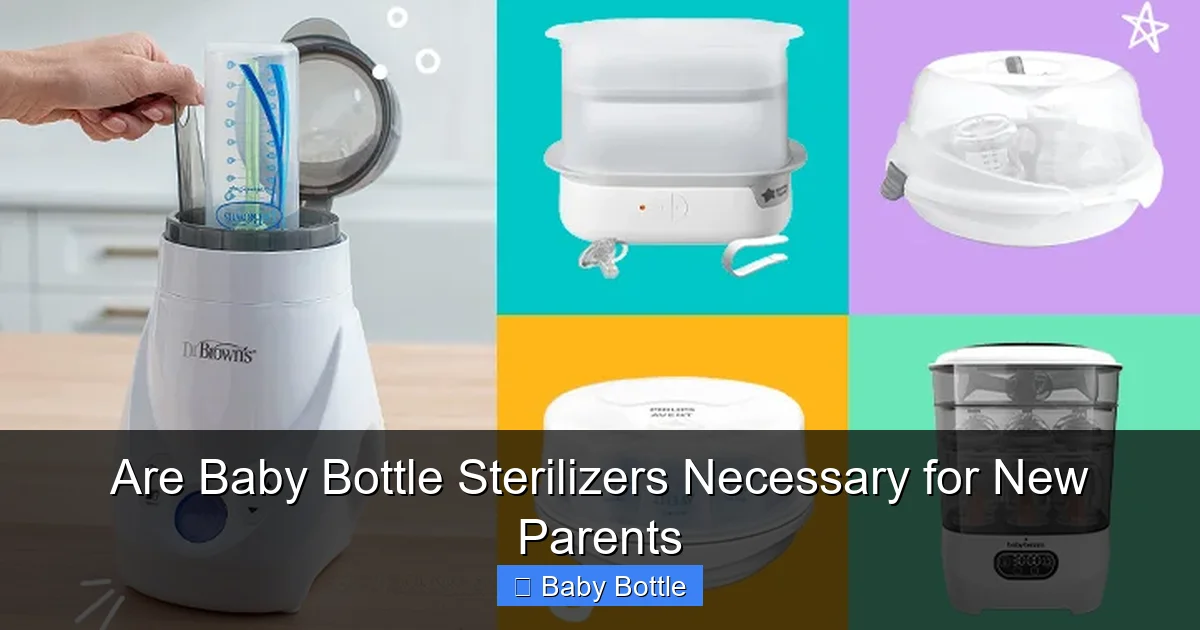
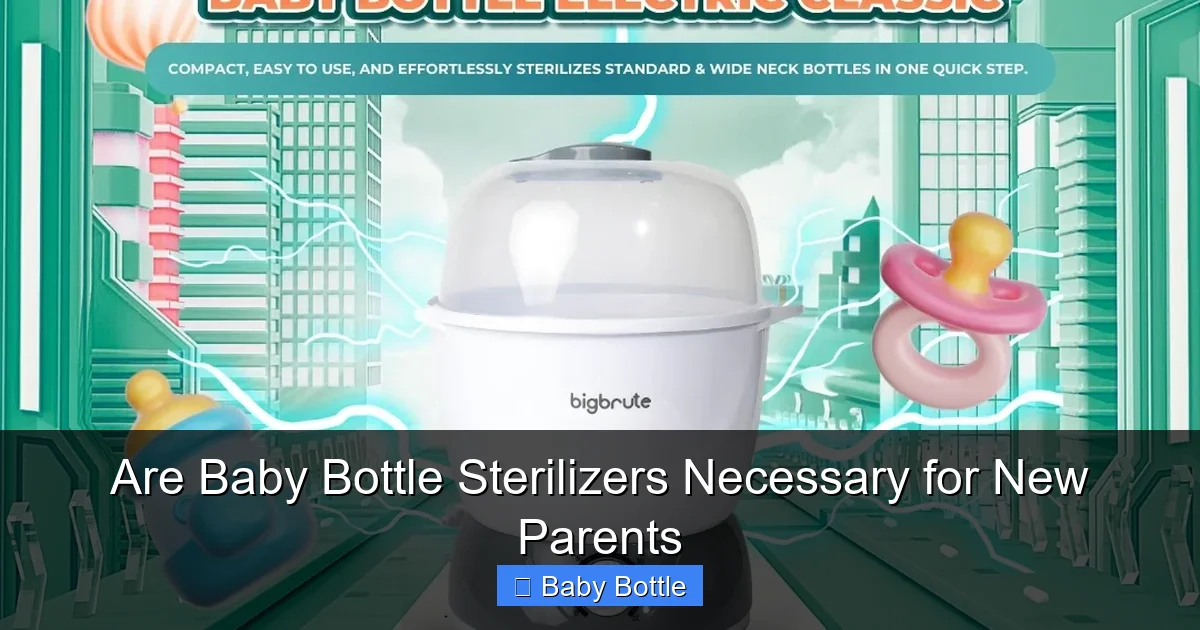
Electric steam sterilizers
These plug in and run a steam cycle. They are fast. They work well for many bottles at once. They dry parts too, in some models. They cost more but are easy to use. If you ask, are baby bottle sterilizers necessary and want convenience, this is a strong option.
Microwave steam sterilizers
These use a small plastic container and water. Add bottles, microwave, and steam kills germs. They are cheap and quick. They fit some bottle types only. Check your bottle manual. If you wonder are baby bottle sterilizers necessary on a budget, microwave steam can help.
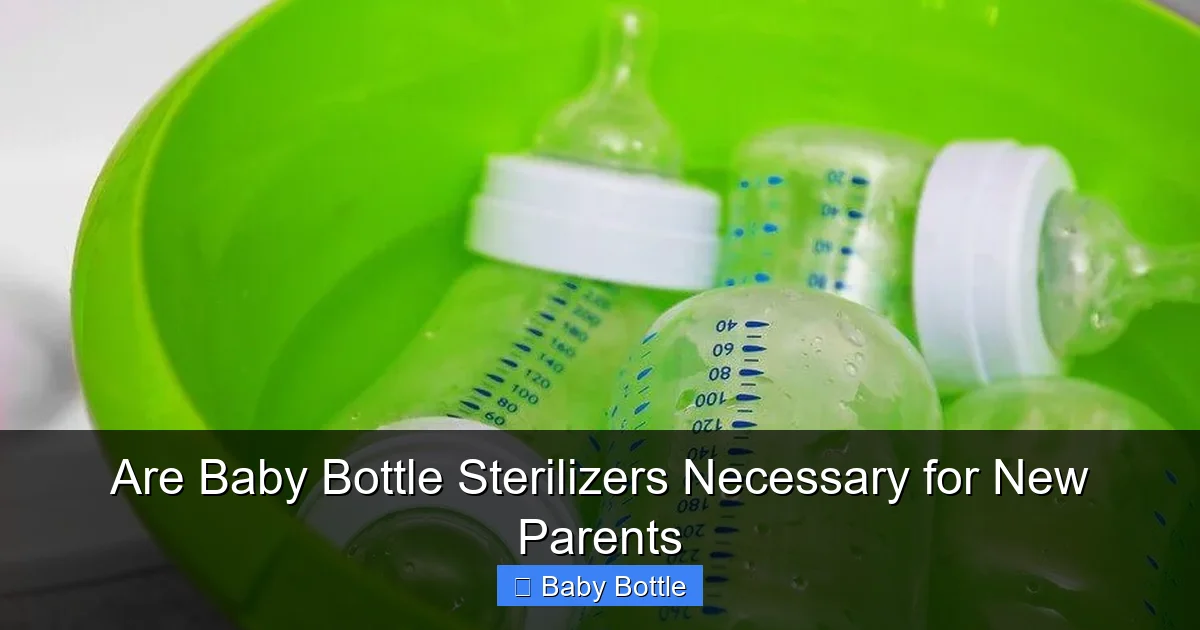
Boiling
Boiling bottles in a pot of water works. It is free and effective. Boil for 5 minutes. Watch for bottle warping. Some nipples and bottles may not stand repeated boiling. Many parents ask, are baby bottle sterilizers necessary if you boil. Yes — boiling does sterilize well.
UV sterilizers
UV models use ultraviolet light. They are modern and dry items. They cost more. They work fast. They kill a wide range of germs. If you ask, are baby bottle sterilizers necessary and want a chemical-free option, UV can fit.
Chemical sterilizers (cold water)
These use sterilizing tablets or solutions. Immerse bottles and parts in treated water for the time listed. They are useful when travel makes heat methods hard. Check chemical safety for baby parts. For parents asking are baby bottle sterilizers necessary while traveling, this helps.
Dishwasher
A high-heat dishwasher cycle can sanitize bottles. Use the top rack for nipples. Some models offer a sanitize cycle. If your dishwasher reaches the right heat, it reduces germs. Parents often ask, are baby bottle sterilizers necessary if you own a dishwasher. Sometimes, the dishwasher is enough.
Step 3: How to clean before you sterilize
Cleaning first is critical. Sterilizing works best on clean surfaces. If milk residue remains, germs can hide. Follow these steps before any sterilizing method.
Visual guide about Are Baby Bottle Sterilizers Necessary for New Parents
Image source: bigbrute.com.ph
Pre-rinse
Rinse bottles, nipples, and parts right after use. Use warm water. This removes milk and formula quickly. Quick rinsing makes washing easier later. It also helps answer are baby bottle sterilizers necessary — sterilizers work best after rinsing.
Scrub with soap
Use warm, soapy water or a bottle brush. Clean inside bottles and thread areas. Clean the nipple holes. Use a small brush for vents and caps. Rinse thoroughly. This simple step lowers germs a lot.
Dishwasher option
Place bottles on the top rack. Use a heated drying or sanitize cycle if your dishwasher has one. Clean all parts first. If you still wonder are baby bottle sterilizers necessary with a dishwasher, consider using the sanitize setting for extra peace of mind.
Step 4: How to sterilize — step-by-step methods
This section gives clear, step-by-step instructions. You can follow any method. Each method uses the same keyword question: are baby bottle sterilizers necessary. These instructions help you decide and act.
Electric steam sterilizer — steps
- Wash bottles and parts with soap and water.
- Fill the sterilizer with the right amount of water.
- Arrange bottles and nipples inside as the manual shows.
- Close and run the cycle.
- Let items cool. Use sterilized tongs or clean hands to remove parts.
Tip: Do not open immediately. Hot steam can burn. Many parents ask are baby bottle sterilizers necessary with this tool. If you want ease, this method works well.
Microwave steam sterilizer — steps
- Clean bottles.
- Add the correct water amount to the microwave container.
- Place bottles and parts inside and close the lid.
- Microwave for the time listed by the product.
- Let cool before removing items.
Tip: Use microwave models approved for your bottle brand. Again, the question are baby bottle sterilizers necessary is personal. Microwaving is quick and portable.
Boiling — steps
- Clean bottles and parts.
- Fill a large pot with water.
- Submerge parts so water covers everything.
- Bring to a rolling boil and boil for 5 minutes.
- Turn off heat and let parts cool in the pot or on a clean surface.
Tip: Watch plastic bottles for warping. For many new parents asking are baby bottle sterilizers necessary, boiling is an effective, low-cost method.
UV sterilizer — steps
- Clean bottles and parts thoroughly.
- Place items in the UV chamber without stacking.
- Run the UV cycle as instructed.
- Remove items when the cycle finishes.
Tip: UV units often dry items too. They are handy for busy parents who think, are baby bottle sterilizers necessary but want low maintenance.
Chemical sterilizer (cold water) — steps
- Clean everything first.
- Prepare the sterilizing solution with the tablet or liquid per directions.
- Fully immerse parts and leave for the recommended time (often 15–30 minutes).
- Remove parts and rinse if required by the product instructions.
Tip: Some solutions do not require rinsing. Read the label. This method answers are baby bottle sterilizers necessary when heat is not available.
Step 5: When and how often to sterilize
How often should you sterilize? This depends. Answering are baby bottle sterilizers necessary helps you choose a schedule.
Newborns and first few months
Sterilize after each use for the first month or two if you want extra safety. Many newborns benefit from frequent sterilizing. If you are breastfeeding sometimes and using pumped milk, sterilize more for pumped-milk bottles.
Older babies (3–6 months and up)
After 3–6 months, you may sterilize less. Washing in hot, soapy water or using a dishwasher often suffices. You might sterilize once a day or weekly for peace of mind.
When to sterilize more often
- If your baby is sick or on antibiotics.
- If your baby was born early or had low birth weight.
- When traveling to areas with unsafe water.
These times make the answer to are baby bottle sterilizers necessary lean toward yes.
Step 6: Storage and handling after sterilizing
Sterilizing is only part of the process. How you handle bottles after sterilizing matters. Clean handling keeps bottles sterile longer.
How to store sterilized items
- Keep lids on bottles after sterilizing.
- Store parts in a clean, covered container.
- Use within 24 hours if left uncovered at room temperature. Use within 48 hours if stored in a sealed container.
Many parents still ask, are baby bottle sterilizers necessary if they can’t store well. Good storage helps preserve sterilization benefits.
Feeding with sterilized items
Wash your hands before handling sterilized bottles. Avoid touching inside surfaces. Use clean tongs if possible. Small steps keep things safe.
Practical tips and examples
Here are simple, real-life tips from parents.
- Tip: Keep one electric sterilizer at home and a small microwave sterilizer for travel.
- Tip: Mark bottles with names when daycare uses them. If daycare sterilizes, ask which method they use.
- Example: When my baby had reflux, my pediatrician said to sterilize nipples daily. That made feedings calmer.
- Tip: Replace worn nipples and cracked bottles. Sterilization won’t fix worn parts.
Troubleshooting
Common issues happen. Here is how to fix them.
Problem: Lingering smell after sterilizing
Rinse bottles well before sterilizing. Use plain water rinse after chemical sterilizers if smell persists. Air dry fully. Try boiling or steam if smell won’t go away.
Problem: Bottles warp or crack
Check bottle material. Some plastics cannot take boiling. Use steam or dishwasher-safe bottles. Replace warped bottles immediately.
Problem: Water left in sterilizer
Empty water after each use. Let the sterilizer dry. Follow the manual to avoid mineral build-up. For hard water, use distilled water if recommended.
Problem: Sterilizer not turning on or finishing
Check power and water levels. Clean mineral deposits. Call manufacturer if needed. Do not force open hot steam units.
Costs and time — what to expect
Costs vary. Boiling is cheapest. Microwave steam and chemical tablets are low-cost. Electric and UV sterilizers cost more. Think about time. Boiling takes longer hands-on time. Electric sterilizers are faster and free you up.
When you wonder are baby bottle sterilizers necessary, balance cost, ease, and your baby’s needs.
Health advice and when to call a doctor
Talk to your pediatrician if your baby has frequent infections. Ask whether sterilizing could help. If your baby is immunocompromised, follow medical advice closely. The question are baby bottle sterilizers necessary is best decided with your doctor in these cases.
Conclusion
So, are baby bottle sterilizers necessary? The short answer: sometimes. For newborns, premature babies, or infants with health issues, sterilizing is a good step. For healthy, older babies, good washing often works well. Choose a method that fits your life. Clean first. Sterilize when needed. Store properly. Ask your pediatrician if you are unsure. Practical steps keep feeding safe and simple. You can do this.
🎥 Related Video: Is Sterilizing Baby Bottles Necessary?
📺 The New York Times
Subscribe on YouTube: http://bit.ly/U8Ys7n Ask Well – Your mother and grandmother may have sterilized baby bottles, but the …