

Are baby bottles dishwasher safe? Yes, many bottles are safe in the dishwasher, but it depends on the material and maker. Follow simple steps to load, choose the right cycle, and sterilize when needed to keep bottles clean and safe for your baby.
Key Takeaways
- Check the label: Always read the bottle manufacturer’s instructions before using a dishwasher.
- Top rack only: Place baby bottles and parts on the top rack to avoid heat damage.
- Use a gentle cycle: Choose a low-heat or baby-care cycle and use a mild detergent.
- Sterilize when needed: Dishwasher can clean, but sterilize after illness or for newborns if recommended.
- Separate parts: Remove nipples, rings, and valves and place them in a basket or mesh bag.
- Material matters: Glass, high-quality silicone, and BPA-free plastics often do well in dishwashers; check specifics.
- Inspect and air-dry: Check for wear and tear and allow parts to air-dry fully before assembly.
Introduction
This guide explains how to answer the question: are baby bottles dishwasher safe. You will learn when to use the dishwasher. You will learn how to load bottles. You will learn which cycles and detergents to use. You will learn how to sterilize when needed. You will get tips and troubleshooting help. The steps are simple. They keep bottles clean and safe for your baby.
Step 1: Read the Manufacturer’s Instructions
Before you start, check the instructions that came with the bottle. Many companies put a symbol or text that says if the bottle is dishwasher safe. This is the most reliable source. If you ask, “are baby bottles dishwasher safe?” start here.
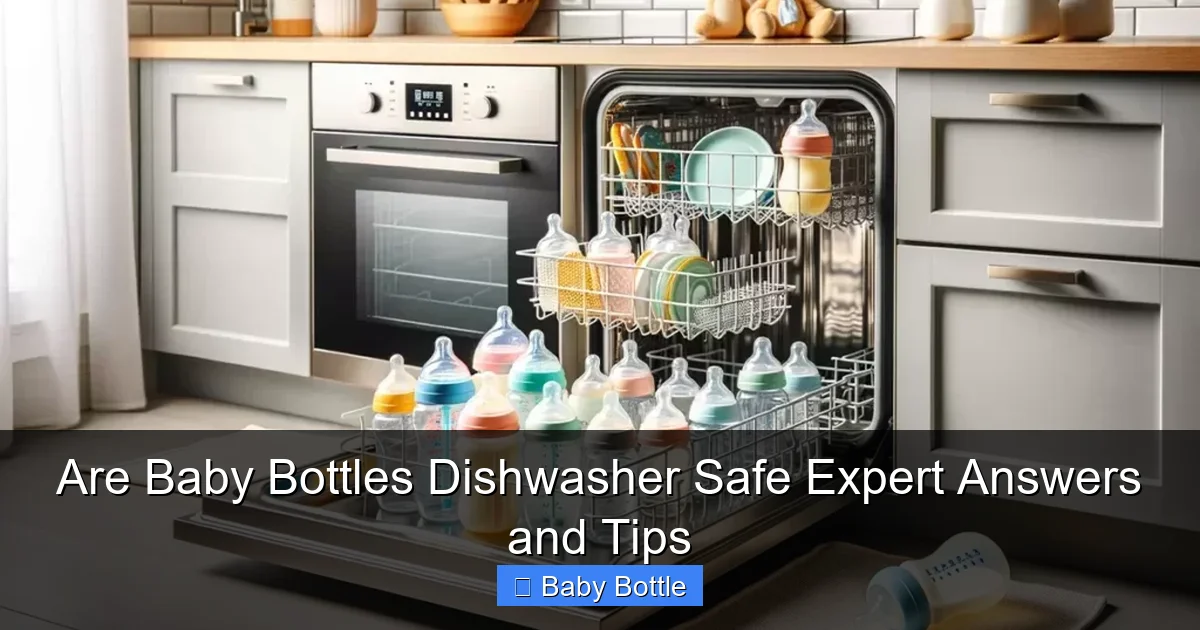
Visual guide about Are Baby Bottles Dishwasher Safe Expert Answers and Tips
Image source: dumpdisposal.com
Find the label or symbol
Look under the bottle or on the box. Some plastics have a small icon of a dish or waves. That icon means it can go in the dishwasher. Some say “top rack only.” Follow those words.
When instructions are missing
If you can’t find directions, treat the bottle as delicate. Hand wash until you contact the maker. This keeps the bottle safe while you wait.
Step 2: Know the Bottle Material
Not all baby bottles are the same. The material affects washing. Ask again: are baby bottles dishwasher safe for the materials you own. Here is a quick list.
Visual guide about Are Baby Bottles Dishwasher Safe Expert Answers and Tips
Image source: juliannayuri.com
Glass bottles
Glass bottles are usually dishwasher safe. They handle heat well. Put them on the top rack to avoid banging. Glass rarely holds odors.
BPA-free plastic bottles
Many BPA-free plastics handle the dishwasher. But some thin plastics warp with high heat. Check the label and use low heat if unsure.
Silicone bottles and nipples
Silicone often does well in dishwashers. It resists heat. It can go with other parts in a mesh bag. Still, confirm with the brand.
Plastic with special coatings
Some bottles have painted designs or coatings. These may fade in the dishwasher. If the bottle has prints, you may want to hand wash to preserve the look.
Step 3: Pre-Rinse and Disassemble
Cleaning works best when you take bottles apart first. This step answers part of the are baby bottles dishwasher safe question by showing how to prepare them for safe washing.
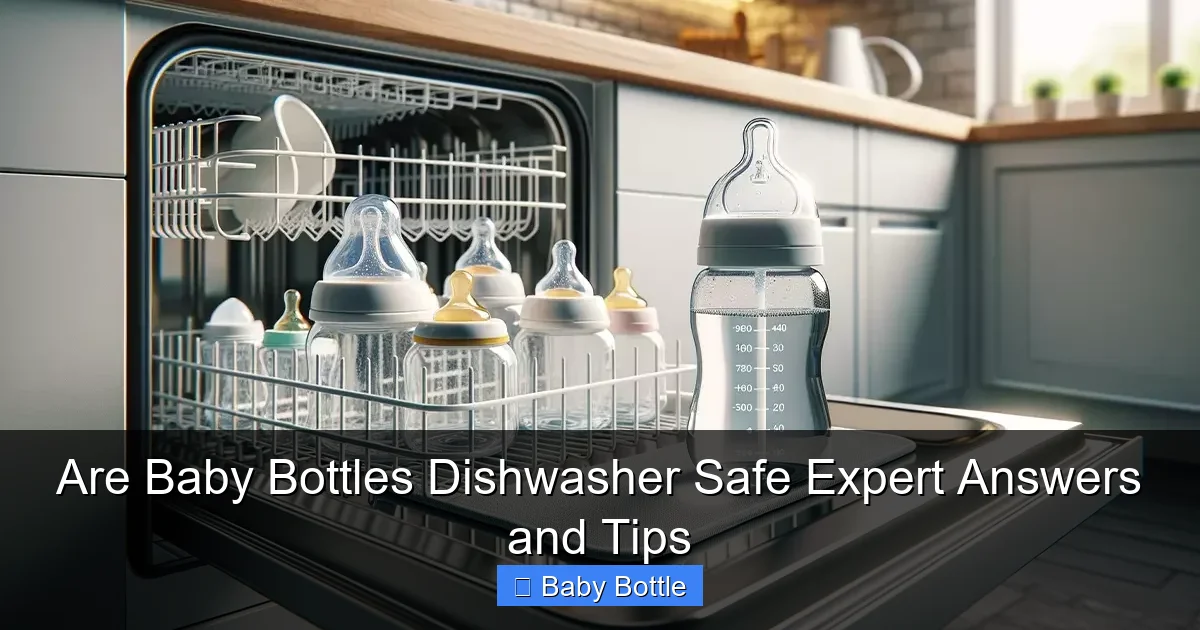
Visual guide about Are Baby Bottles Dishwasher Safe Expert Answers and Tips
Image source: dumpdisposal.com
Remove nipples and rings
Take off all the small parts. Nipples, caps, rings, vent parts, and valves must be washed separately. Food and milk hide in crevices. Disassembling lets water and detergent reach every spot.
Rinse solid residue
Rinse milk and formula residue. Use warm water. A quick rinse saves work for the dishwasher. It also stops smells from building up.
Step 4: Use a Basket or Mesh Bag for Small Parts
Small parts can fall through racks or hide in corners. Use a dishwasher-safe basket or mesh bag. This keeps nipples and valves secure. It also lets water move freely around them.
Why use a mesh bag
Mesh bags prevent loss. They also stop small parts from getting tossed into the bottom of the dishwasher. The bag still allows full cleaning.
Placement tips
Place the bag on the top rack. Spread small parts out so water reaches them. Avoid stacking items on top of the bag.
Step 5: Place Bottles on the Top Rack
Heat rises in dishwashers. The bottom gets hotter. To avoid warping, put bottles on the top rack. This is a key trick for “are baby bottles dishwasher safe.”
Stand bottles upright
Place bottles standing up. Put them so water can flow inside. If you have a bottle holder, use it. Some dishwashers have special pegs for tall items.
Space items apart
Give each bottle space. Do not crowd. Crowding prevents water flow. It also stops detergent from rinsing fully.
Step 6: Choose the Right Detergent and Cycle
The detergent and cycle you pick matter. A mild, fragrance-free detergent is best. Avoid harsh cleaners for baby items.
Detergent choice
Pick a mild formula. If your baby has sensitive skin, choose a hypoallergenic detergent. Rinse well to remove any residue.
Cycle choice
Choose a gentle, low-heat cycle. Use the normal wash if it has a low-heat setting. If your dishwasher has a “baby” or “sanitize” cycle, use it only if the bottle maker approves.
Step 7: Use the Sanitize Option Carefully
A sanitize cycle uses high heat. It kills germs. But it may stress some plastics. When people ask, “are baby bottles dishwasher safe?” they often mean using sanitize. Here is what to do.
Newborns and illness
For newborns or after illness, sanitizing helps. If the maker allows it, use the sanitize cycle. If not, sterilize by other methods (boiling or electric sterilizer).
When to skip sanitize
If the bottle says no high heat, skip the sanitize cycle. Use a gentle wash and boil or steam-sterilize only the parts that can take the heat.
Step 8: Drying and Storage
Drying matters. Never store damp parts. Damp areas invite mold and bacteria. This is a big part of the answer to “are baby bottles dishwasher safe.”
Air-dry vs heated dry
Air dry is safest for many plastics. Heated dry can shrink or warp thin plastic. If your dishwasher has an air-dry option, choose it. Or open the door after the cycle to let steam out.
Storage tips
Store bottles in a clean, dry place. Avoid closed cabinets that trap moisture. Keep small parts in a closed, clean container if you like, but make sure they are fully dry first.
Step 9: Inspect Bottles After Washing
Always check bottles after washing. Look for cracks, cloudiness, or soft spots. These signs mean the bottle needs replacing.
Check nipples and valves
Look closely at nipples. Tears or thinning mean replace. Valves that warp may leak. Inspect all parts before use.
When to replace
Replace any part that looks worn. Follow the maker’s suggested timeline if given. Many recommend replacing nipples every 1–3 months or sooner if damaged.
Step 10: Sterilize When Needed
Dishwashers clean well. But sterilizing kills more germs. Newborns and sick infants may need sterilized bottles. You can sterilize by boiling, steam, or using the dishwasher sanitize option if safe.
Boiling method
Boil parts for 5 minutes in a clean pot. Use tongs to remove parts. Place them on a clean towel to air-dry.
Electric steam sterilizer
Follow the device instructions. These are quick and reliable. Many brands are small and fit on a counter.
Dishwasher sanitizing
If the bottle maker allows it, use the sanitize cycle. This can be convenient. For heat-sensitive parts, use another method.
Practical Tips and Examples
Here are clear, quick tips to keep washing easy. These tips help answer “are baby bottles dishwasher safe” in real life.
- Label bottles: Use a marker to label bottles for daycare. Wash them in the dishwasher but keep them separate if needed.
- Use bottle brush when needed: For stubborn milk residue, pre-scrub with a bottle brush before the dishwasher cycle.
- Mesh basket for small parts: Save time by washing all nipples and rings in one mesh bag on the top rack.
- Keep a backup set: Store a few clean, sterile bottles for emergency use after illness.
- Rotate bottles: Use a few bottles each day and wash the rest. This keeps wear even and stops overuse.
Troubleshooting: Common Questions and Problems
Here are problems you might meet and quick fixes. These help answer “are baby bottles dishwasher safe” in specific cases.
Problem: Bottles smell after dishwasher
Fix: Rinse food residue first. Use a mild, fragrance-free detergent. Run an empty hot cycle with vinegar to clean your dishwasher.
Problem: Plastic parts warped
Fix: Check if the parts were dishwasher safe. Try top-rack only and choose low heat next time. Replace warped parts if needed.
Problem: Milk film or white spots
Fix: Use a bottle brush before washing. Add a rinse aid if spots are from hard water. Soak parts in white vinegar and water to remove buildup.
Problem: Nipple tears after washing
Fix: Use gentle cycles. Avoid heated dry. Inspect nipples often and replace at the first sign of wear.
Special Cases: Electric Bottle Warmers and Travel
If you use warming devices or travel, the same rules apply. Clean and wash parts according to the maker. The question “are baby bottles dishwasher safe” also matters for travel bottles and warmers.
Travel bottles
Small travel bottles can go in the dishwasher if the maker allows. Use a mesh bag so parts do not fall through the rack.
Bottle warmer parts
Wipe the warmer base with a damp cloth. Wash removable parts per instructions. Do not submerge electrical parts.
Environmental and Safety Notes
Washing in a dishwasher saves water and time when done correctly. It also uses electricity. Use full loads to save energy. Check that detergents are safe and mild. Avoid bleach or harsh chemicals on baby parts.
Summary: Quick How-To
Here is a short list to follow. This answers “are baby bottles dishwasher safe” in a step-by-step way.
- Read the bottle label.
- Disassemble and rinse parts.
- Use a mesh bag for small parts.
- Place bottles on the top rack, upright and spaced out.
- Use a mild detergent and low-heat cycle.
- Air dry or use an approved dry setting.
- Inspect and replace worn parts.
Conclusion
So, are baby bottles dishwasher safe? Many bottles are safe in the dishwasher. But it depends on the material and maker. Read the instructions. Use the top rack. Use mild detergent and low heat. Sterilize when needed. Check parts often. These steps keep bottles clean, safe, and ready for your baby. Follow the guide and you will save time and protect your child. Happy feeding!
🎥 Related Video: 3 Step Baby Bottle Cleaning routine! #babyshorts #newmom #babybottle #cleaningtips #newmomtips
📺 Caila Quinn