

Can baby bottles be recycled? Yes, in many cases. This guide shows you how to sort materials, clean bottles, find drop-off options, and avoid common recycling mistakes. Follow these simple steps to make recycling baby bottles easy and safe for your family and the planet.
Key Takeaways
- Point 1: Most glass baby bottles can be recycled curbside if they are clean and free of lids and nipples.
- Point 2: Some plastic baby bottles are recyclable, but you must check resin codes and local rules.
- Point 3: Silicone nipples and parts usually need special recycling or mail-back programs.
- Point 4: Proper cleaning and separation increase the chance that recycling centers accept bottles.
- Point 5: Consider reusing, donating, or returning bottles to manufacturers when recycling isn’t an option.
- Point 6: Always check local recycling rules and retailer take-back programs for the best results.
Introduction: What you’ll learn
This guide answers one big question: can baby bottles be recycled? You will learn how to sort bottles by material. You will learn how to clean them. You will learn where to take them. You will learn tips to avoid common mistakes. You will also find troubleshooting help. The goal is to make recycling baby bottles easy and clear.
Step 1: Identify the bottle material
First, check what your bottle is made of. Different materials have different recycling paths. Ask: can baby bottles be recycled in this form? The short answer depends on the material.
Visual guide about Can Baby Bottles Be Recycled
Image source: mommysavers.com
Check the label
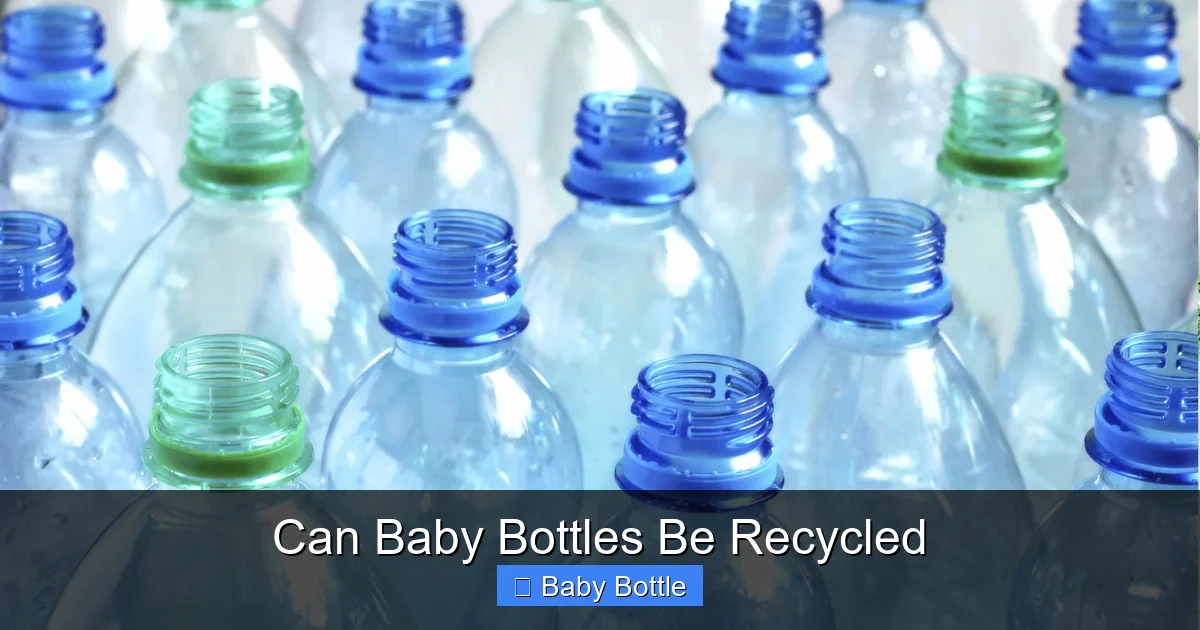
Look for a resin code or material tag. Common codes: 1 (PET), 2 (HDPE), 4 (LDPE), 5 (PP), 7 (other). Glass is usually marked or obvious by weight and look. Silicone is soft and flexible.
Plastic bottles
Plastic bottles often have a recycling code on the bottom. Ask: can baby bottles be recycled if they are plastic? Many can, but not all. Codes 1 and 2 are widely accepted. Codes 4 and 5 may be accepted in some areas. Code 7 (BPA-free plastics) is often not accepted curbside.
Glass bottles
Glass bottles are often the easiest. Ask: can baby bottles be recycled if they are glass? Yes, if you remove lids and nipples and rinse them. Check your local glass rules. Tempered or special coated glass may differ.
Silicone and rubber parts
Silicone bottles and nipples pose a challenge. Ask: can baby bottles be recycled when they are silicone? Most curbside programs do not accept silicone. You may need a special drop-off or mail-back program.
Step 2: Separate parts
Separate the bottle body from caps, rings, nipples, and valves. This step often determines if your item is recyclable. When you ask, can baby bottles be recycled, the answer often depends on whether parts are separated.
Visual guide about Can Baby Bottles Be Recycled
Image source: howitworksdaily.com
Remove nipples and rings
Nipples are usually made of silicone or rubber. Rings and caps can be different plastics. Remove them from the bottle body. Keep parts sorted by material.
Sort by material
Place glass bottles in one pile. Place accepted plastic bottles in another. Keep silicone and mixed materials separate. This helps recycling staff and machines. Remember to think: can baby bottles be recycled? Your prep matters.
Step 3: Clean bottles thoroughly
Rinse and clean all bottles before recycling. Food residue can contaminate loads. When wondering can baby bottles be recycled, cleanliness often makes the difference.
Visual guide about Can Baby Bottles Be Recycled
Image source: i.ytimg.com
Quick rinse
Rinse with warm water to remove milk or formula. Use a bottle brush for stuck-on residue. Small amounts of soap are okay if rinsed well.
Deep clean when needed
For greasy or milky residue, soak bottles in warm, soapy water. Scrub and rinse. Let them dry before recycling. Dry items are better for the bin.
Step 4: Check local recycling rules
Local rules vary a lot. Before you toss, search your city’s recycling website. Ask: can baby bottles be recycled in your local program? Many answers live on local sites.
Call or email your waste agency
If the website is unclear, call or email. Ask about plastic types, glass, and silicone. Give them the bottle code if you can. They can tell you the best path.
Use resources
Use apps or national sites that list accepted materials. These tools often show whether baby bottles are accepted curbside. They can help answer can baby bottles be recycled for your area.
Step 5: Options if curbside recycling won’t accept bottles
If your local bin won’t take bottles, don’t panic. There are other ways. Ask yourself: can baby bottles be recycled through other programs? Often, yes.
Retail take-back programs
Some baby brands or stores run take-back programs. They accept bottles and parts. This is a common answer to can baby bottles be recycled when curbside fails.
Manufacturer recycling or mail-back
Some makers offer mail-back recycling. You send worn products back. They recycle or repurpose parts. Search your bottle brand and “recycle” to find options.
Specialized recycling centers
Some centers accept silicone or mixed materials. They break parts into raw materials. Check local centers for plastic mix or silicone recycling. These centers often solve the “can baby bottles be recycled” problem.
Step 6: Reuse and repurpose as alternatives
Reusing extends life. Ask: can baby bottles be recycled? If recycling is not possible, reuse may be best. You save waste and get more value.
Safe reuse ideas
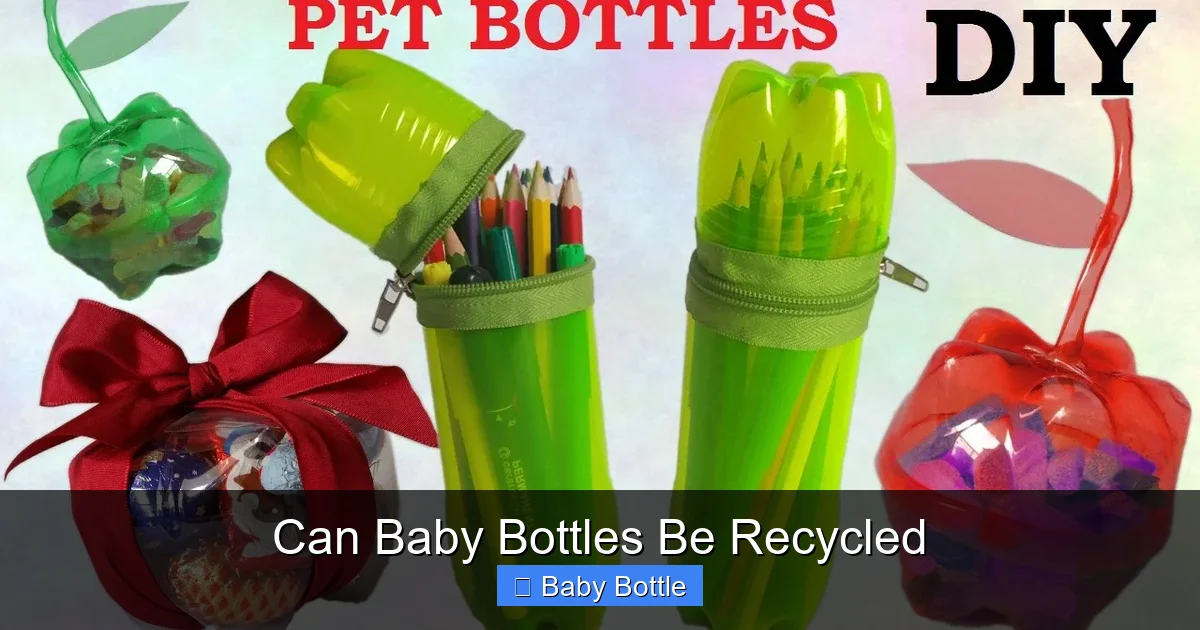
Use old bottles for water storage, craft supplies, or as measuring cups. Glass bottles can become flower vases. Silicone parts can become soft molds or grips.
Donate if in good shape
If bottles are lightly used, donate. Shelters, family groups, or resale shops may accept them. Ask before donating. Hygiene rules vary. Donation is a smart answer to can baby bottles be recycled when items are usable.
Step 7: Dispose responsibly if recycling is impossible
Sometimes recycling is not an option. When you ask can baby bottles be recycled and the answer is no, choose the least harmful disposal method.
Landfill as last resort
Wrap silicone or mixed pieces in a bag before placing them in the trash. This reduces contamination and helps workers. Use landfill only when no other option exists.
Hazardous waste considerations
Some special bottles with batteries or electronics need special handling. These are rare. Check local rules if a bottle includes electrical parts. This may change the answer to can baby bottles be recycled.
Practical tips and examples
Here are quick, real-world tips. They make recycling baby bottles easier. Use these when you think: can baby bottles be recycled?
- Tip 1: Keep a small basket near your sink for bottle parts. Rinse and drop parts in it. When full, sort and recycle.
- Tip 2: Photograph bottle codes. This helps when you call your city. Ask directly, can baby bottles be recycled with this code?
- Tip 3: Buy bottles labeled with common recyclable codes (1 or 2). This makes future recycling easier and answers can baby bottles be recycled more often with yes.
- Tip 4: Join local parenting groups. People share take-back info and local options. You can ask the group: can baby bottles be recycled here?
- Tip 5: Use online marketplaces for gently used bottles. Many parents prefer buying secondhand. This reduces waste and sidesteps asking, can baby bottles be recycled.
Troubleshooting: Common problems and fixes
Questions come up. Here are common issues. They help when you ask, can baby bottles be recycled and find a snag.
Problem: My bottle has mixed materials
Many bottles mix plastic, silicone, and metal. Mixed parts often fail curbside. Fix: separate parts and recycle what you can. For mixed pieces you cannot separate, search for special programs. This often resolves the “can baby bottles be recycled” issue.
Problem: Labels and stickers won’t peel
Stubborn labels can cause rejection. Fix: soak bottle in warm water to loosen glue. Scrub gently. If the label remains, recycling centers may still accept the bottle. Ask first to be sure. This step helps when wondering, can baby bottles be recycled.
Problem: Local rules say no to silicone
If silicone is not accepted, try retailer or brand take-back programs. Also search for specialized silicone recycling. If none exist, consider repurposing. These options answer the practical “can baby bottles be recycled” question.
Problem: I’m unsure about resin codes
Take a clear photo of the code. Send it to your local recycling office or post in a community forum. Most staff can tell you quickly if that code answers your “can baby bottles be recycled” doubt.
Examples: Two real scenarios
Example 1: You have a glass bottle with a silicone nipple. Separate the nipple. Rinse the glass. Recycle the glass curbside. Find a take-back for the nipple. In this case, the answer to can baby bottles be recycled is yes for the glass and maybe for the silicone.
Example 2: You have a plastic bottle marked 7. Remove the nipple and cap. Your city doesn’t accept code 7. Search for a brand mail-back program. If none exists, repurpose the bottle. For code 7, the simple reply to can baby bottles be recycled is often no curbside, but other options may exist.
Conclusion: Make the best choice
So, can baby bottles be recycled? Often yes, but it depends. Glass is usually easy. Plastics may be accepted if they have common codes. Silicone and mixed materials need special handling. The best steps are: identify material, separate parts, clean well, and check local rules. If curbside fails, try take-back programs, manufacturer mail-back, or reuse.
Follow these steps. Make a habit of checking the bottle code. Stay informed on local rules. Your effort reduces waste. It helps your family and the planet. And when you wonder again, can baby bottles be recycled, you will know what to do.
🎥 Related Video: How the baby bottle toys work 🍼 to make the liquid ✨magically✨ disappear #howitworks #toy
📺 Gothorella
How the baby bottle toys from our childhoods work! Like Archimedes in the bath tube this is liquid displacement, oh yeah!