
Can baby car seat face forward is a common question for parents of toddlers. This guide explains when it is safe to switch, how to do it step by step, and what rules, limits, and checks to use to keep your child protected.
Can Baby Car Seat Face Forward Safely After 2 Years
This guide explains how and when a baby car seat can face forward after 2 years. You will learn what to check, how to install a forward-facing seat, and how to keep your child safe. We cover practical steps, tips, examples, and common problems. Read on for clear, simple steps you can follow today.
Key Takeaways
- Follow the car seat manual: Always check the car seat and vehicle manuals for age, weight, and height rules before changing orientation.
- Keep rear-facing longer: Rear-facing offers better protection, so delay facing forward until your child reaches the seat’s rear-facing limits.
- Age 2 is not automatic: Being 2 years old does not automatically mean a baby “can baby car seat face forward” safely; weight and height matter more.
- Check harness fit: When you switch to forward-facing, adjust the harness, chest clip, and top tether for a snug fit.
- Use the top tether or tether anchor: For forward-facing seats, always use the top tether or proper anchor to reduce head movement in a crash.
- Legal and safety standards vary: Local laws may differ. Follow the strictest guidance — your car seat manual or pediatrician if unsure.
- Stay attentive: Regularly inspect the installation, straps, and expiration dates to keep protection strong.
Introduction: What You Will Learn
Many parents ask, “can baby car seat face forward now that my child is 2?” This guide answers that question. You will learn about safety rules. You will learn about weight and height limits. You will learn how to install and secure a forward-facing car seat step by step. You will also get troubleshooting tips and common mistakes to avoid.
Step 1: Check the Car Seat Manual and Labels
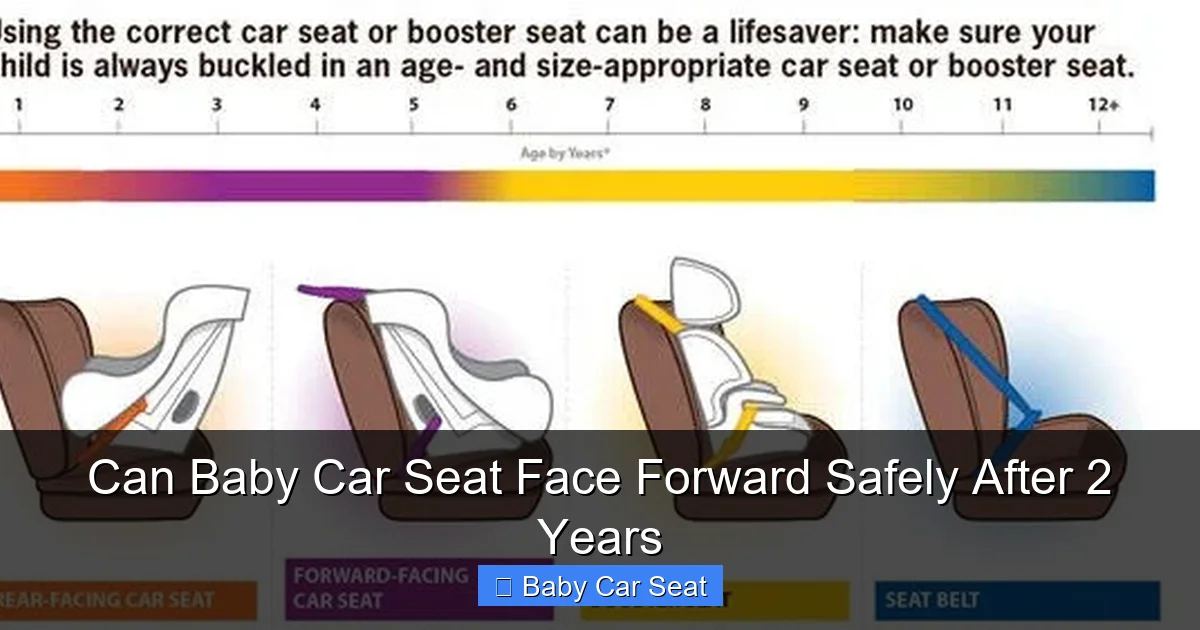
Before you change orientation, read the car seat manual. The manual tells you the rear-facing limits. It also tells you the forward-facing limits. It will say if your model allows extended rear-facing. The phrase can baby car seat face forward depends on these rules.
Visual guide about Can Baby Car Seat Face Forward Safely After 2 Years
Image source: lucieslist.com
Locate the limits
Find the sticker on the side of the seat. Look for weight and height numbers. If your child is under the listed rear-facing max, keep the seat rear-facing. If the child has outgrown the rear-facing limits, you may switch to forward-facing.
Follow vehicle instructions
Check your vehicle manual too. Some car models have rules for using LATCH or seat belts. Make sure your car seat fits your vehicle in the forward-facing position.
Step 2: Confirm Your Child Meets Criteria
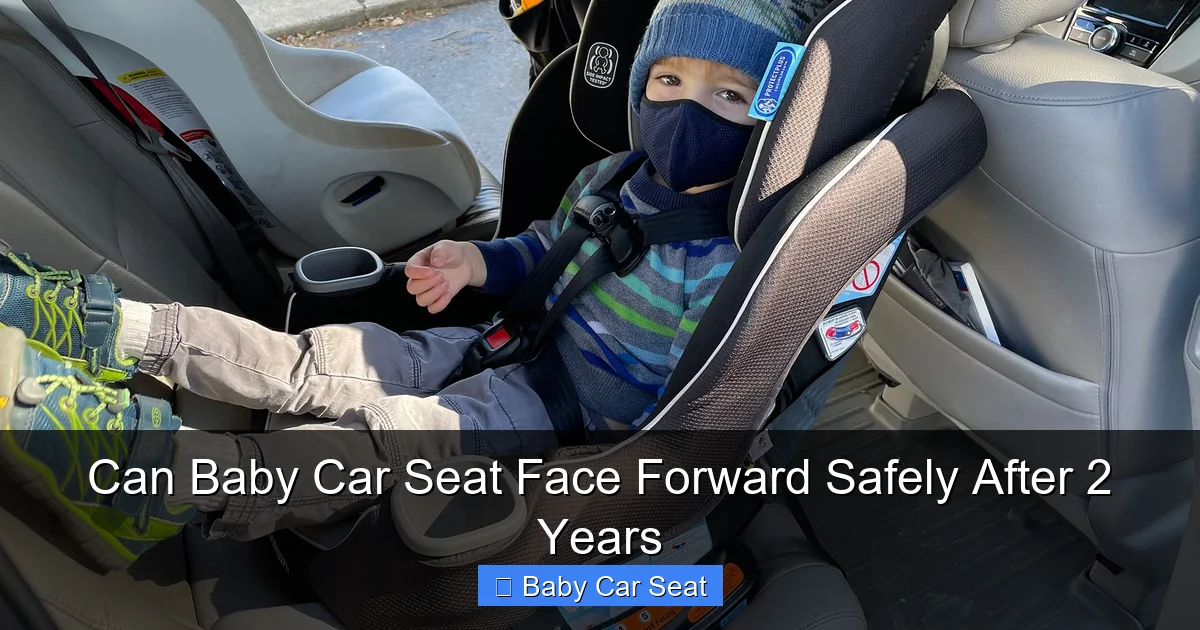
Do not use age alone. Age helps, but weight and height matter most. Many safety groups recommend keeping children rear-facing as long as possible. Most seats allow rear-facing past 2 years.
Visual guide about Can Baby Car Seat Face Forward Safely After 2 Years
Image source: cdn.thewirecutter.com
Age vs. size
A 2-year-old may be ready to face forward if they meet the seat’s forward-facing minimum weight and height. But often they are safer remaining rear-facing. The question “can baby car seat face forward” should be answered with the seat limits in mind.
Behavioral signs
Some toddlers resist rear-facing. Comfort is important. But do not rush to turn them forward only to stop crying. Safety must come first.
Step 3: Choose the Right Seat Type
There are different seats and stages. Use the correct type for your child’s size and age. Below are main choices.
Visual guide about Can Baby Car Seat Face Forward Safely After 2 Years
Image source: chiccousa.com
Convertible seats
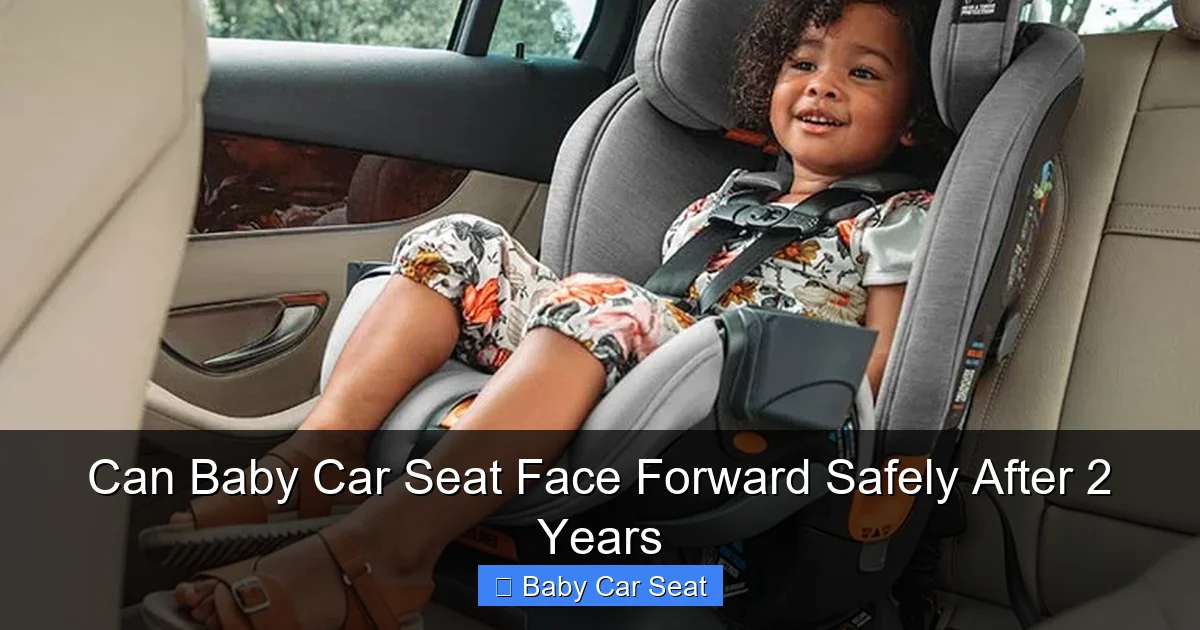
Convertible seats can be rear- or forward-facing. They often allow extended rear-facing. They are a common choice for toddlers.
Forward-facing seats with harness
These seats are for children who have outgrown rear-facing. They use a five-point harness. They often include a top tether.
Combination seats and boosters
Combination seats start as forward-facing harness seats and later become boosters. Do not use a booster until the child outgrows the harness limits.
Step 4: Install the Seat Forward-Facing
Now you will install the seat forward-facing. Installation must be tight. Follow the manual step by step. Use LATCH or the seat belt per your manual. Never use both unless allowed.
Position the seat
Place the car seat in the back seat. The center is often safest if it fits. If not, choose a side seat. Keep the seat upright per the manual.
Use LATCH or seat belt
Attach the lower anchors if using LATCH. Tighten until the seat moves less than one inch at the belt path. If using the seat belt, route the belt per the manual and lock it. Pull up on the car seat to check for tightness.
Attach the top tether
Connect the top tether to the vehicle anchor. Tighten it to remove slack. The tether reduces forward head movement. This step matters a lot for forward-facing seats.
Step 5: Adjust the Harness and Fit
Proper harness fit is key. The harness straps should be at or above the shoulders for forward-facing. The chest clip should sit at armpit level.
Set harness height
Move the harness to the correct slot or adjust the harness path. For forward-facing seats, harness slots must be at or above shoulder level. Check the manual.
Tighten harness
Pull the harness tight. Use the pinch test. You should not be able to pinch slack at the shoulder. The straps should be snug, not loose.
Step 6: Final Checks and Safety Test
Once installed and adjusted, do a final check. Look for the right recline. Ensure the chest clip is at armpit level. Make sure the seat does not move more than one inch at the belt path.
Head and neck support
Check head support. The child’s head should not fall forward. If the head falls forward when sleeping, recline more or keep rear-facing longer.
Practice test
Take a short drive and watch the fit. Stop and re-check if anything shifts. Make small adjustments as needed.
When to Keep Rear-Facing Longer
Experts recommend rear-facing as long as the seat allows. Rear-facing protects the head, neck, and spine better. If the question is “can baby car seat face forward” many safety experts say wait until your child hits the seat’s rear-facing limit.
Crash protection reasons
In a crash, a rear-facing seat spreads forces across the entire back. It reduces injury risk to the neck and spine. This is especially important for toddlers under 4 years.
Common rear-facing limits
Many convertible seats allow children up to 40–50 pounds rear-facing. Check your model. If your child fits under that weight or height, keep them rear-facing.
Legal and Health Considerations
Laws vary by state and country. Some places require rear-facing until age 2. Others set weight or height rules. Always follow the stricter rule between the law and your car seat manual.
Consult your pediatrician
If you have health concerns, ask your pediatrician. Children with special needs may need different guidance.
Practical Tips and Examples
Here are simple tips you can apply now.
- Tip 1: Keep the child rear-facing if that fits the seat’s limits. Many 2-year-olds are safer rear-facing.
- Tip 2: Use the top tether with forward-facing seats every time.
- Tip 3: Tight harness, chest clip at armpit level, and no bulky coats under the straps.
- Tip 4: Replace the seat if it has been in a moderate or severe crash.
Example 1: Two-year-old, small frame
Sam is 2 years old and 28 inches tall. The convertible seat allows rear-facing to 40 pounds. Sam is safer staying rear-facing. The answer to “can baby car seat face forward” for Sam is no, not yet.
Example 2: Two-year-old, tall for age
Alex is 2 and tall. He is near the rear-facing height limit. If Alex reaches the seat’s rear-facing height or weight limit, you can switch to forward-facing per the manual. Do the fit checks first.
Troubleshooting: Common Problems and Fixes
Here are common issues when switching to forward-facing and how to fix them.
Problem: Seat moves more than 1 inch
Fix: Reinstall the seat. Tighten LATCH or seat belt. If the seat still moves, try a different vehicle seat position or use a locking clip if required.
Problem: Harness too loose
Fix: Re-thread the harness or use the adjuster to tighten. Ensure your child is wearing thin clothing. Use the pinch test.
Problem: Child’s head falls forward when sleeping
Fix: Recline the seat more if the manual allows. If reclining does not help, keep the child rear-facing longer. Consider a head support approved for your seat.
Problem: Confusion over LATCH vs. seat belt
Fix: Check the car seat and vehicle manuals. LATCH has weight limits. If your combined weight (child + seat) exceeds that limit, use the vehicle seat belt instead.
Problem: Child resists being rear-facing
Fix: Try short rides, toys, or music. If safe limits allow, keep them rear-facing despite fussing. Comfort tips include a mirror for the child and breaks on long trips.
When to Move to Booster Seats
Do not rush into a booster. Move to a booster only after the child outgrows the forward-facing harness. That means meeting the harness weight and height limits. Use a booster only when a proper lap-and-shoulder belt fits the child correctly.
Belt fit test
In a booster, the lap belt should lie low across the hips. The shoulder belt should cross the middle of the shoulder and chest. If the belt sits on the neck or belly, the child is not ready.
Maintenance and Safety Checks
Regular checks keep the seat safe. Inspect straps, buckles, and the shell for damage. Check the expiration date. Replace the seat after a crash of moderate or severe force. Clean per the manual.
Check the expiration date
Car seats expire. Plastic and straps weaken over time. If the seat is past its date, buy a new one.
Register your seat
Register the car seat with the manufacturer. This alerts you to recalls and safety updates.
Summary: Answering “Can Baby Car Seat Face Forward”
The decision to change from rear-facing to forward-facing is based on the car seat limits and your child’s size. Age alone is not enough. Ask: does the child meet the seat’s rear-facing limit? If yes, follow the manual to switch. If no, keep the child rear-facing. Always use the top tether and tighten the harness for forward-facing. Check local laws, follow the manual, and consult your pediatrician for special cases.
Conclusion
You now know how to decide if can baby car seat face forward is safe for your toddler. You learned steps to check manuals, confirm child size, install the seat, and adjust the harness. You also learned tips, example scenarios, and how to troubleshoot common issues. Put these steps into practice. Keep your child’s safety first. When in doubt, keep the seat rear-facing longer. It is the safer choice for most toddlers.
🎥 Related Video: Is it time to move to a forward-facing car seat?
📺 Safe Kids Worldwide
Learn the signs to look for to know when to move your child from a rear-facing car seat to a forward facing car seat.
