
Can baby car seats be reused is a common question for parents on a budget or planning for another child. This guide explains when reuse is safe, how to inspect a seat, what to replace, and how to install and maintain a reused seat.
Key Takeaways
- Point 1: Check the expiration and crash history before reusing a car seat to ensure safety.
- Point 2: Inspect the shell, harness, labels, and hardware for damage or missing parts.
- Point 3: Follow manufacturer instructions for cleaning, maintenance, and installation.
- Point 4: Replace straps and pads only if approved by the manufacturer.
- Point 5: Never reuse a seat involved in a moderate or severe crash; get professional advice for minor crashes.
- Point 6: Proper installation and correct fit are as important as choosing a safe seat.
- Point 7: When in doubt, choose a new seat — safety is not worth the savings.
Can baby car seats be reused Safely A Parents Guide
This guide answers the question can baby car seats be reused in a clear and practical way. You will learn when reuse is safe. You will learn what to check. You will learn how to clean, install, and maintain a reused seat. You will also get tips and troubleshooting help.
The goal is to help you make a safe choice. The tone is friendly. The steps are simple. Read on to keep your child safe.
Why parents ask: can baby car seats be reused?
Parents ask this question for many reasons. Budget is a big one. Hand-me-downs are common in families. Some seats look fine after years of use. But looks can be deceiving. A seat can hide damage. The seat can be old. The harness can be worn. The instructions can be missing.
Visual guide about Can baby car seats be reused Safely A Parents Guide
Image source: parentswonder.net
Because safety matters, this guide will walk you through checks and choices. It will also explain rules about crashes and expiration dates. By the end, you will know if a reused seat is a good option for your child.
Step 1: Check the labels and expiration
Find the manufacture date
Look for the label on the shell or base. It shows the date of manufacture. It may also show an expiration date. If you find only the manufacture date, most seats expire 6 to 10 years later. Check the manual to be sure.
Visual guide about Can baby car seats be reused Safely A Parents Guide
Image source: suria111.my
Compare to the current date
If the seat is past its expiration, do not reuse it. Plastic weakens with time. Regulations and crash test standards change. Expired seats may not protect well.
Look for recalls
Search the make and model online. Check the manufacturer site. Check national safety agencies. A recalled seat should not be reused until the issue is fixed or the manufacturer says it is safe.
Remember: expiration rules vary. The phrase can baby car seats be reused depends heavily on date checks.
Step 2: Ask about crash history
Did the car seat crash?
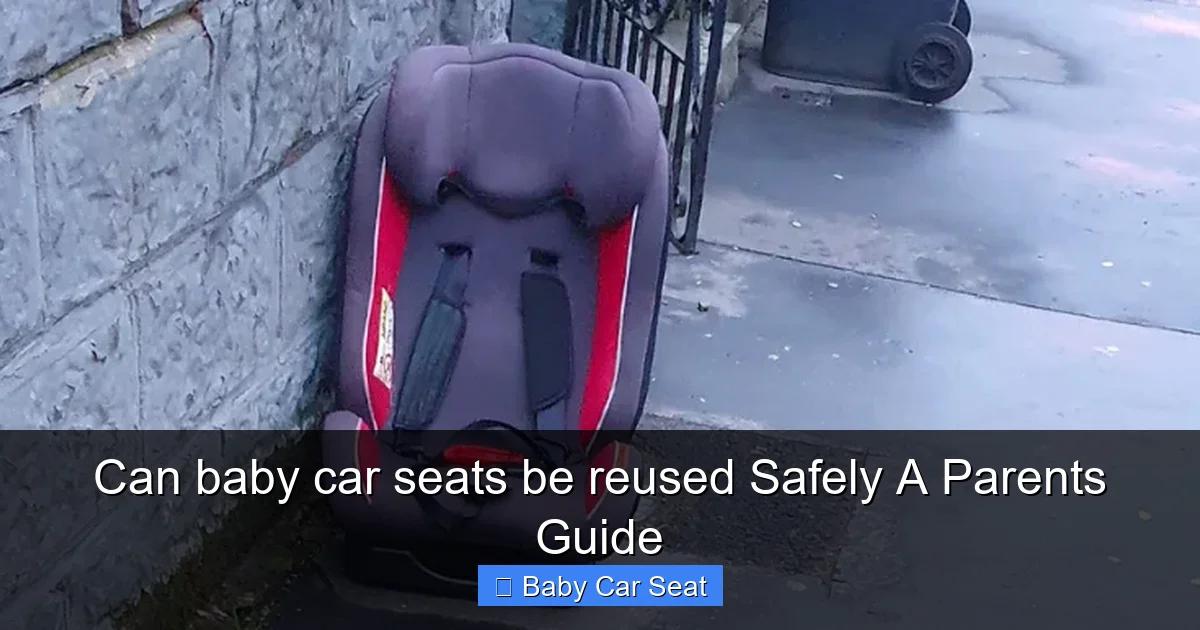
Ask the seller or the family if the seat was in a crash. Even a minor crash can affect the shell or hardware. Many experts say: if a seat was in a moderate or severe crash, do not reuse it. Replace it immediately.
Visual guide about Can baby car seats be reused Safely A Parents Guide
Image source: nursery-online.com
Minor crashes and manufacturer advice
Some manufacturers allow reuse after a minor crash. They may ask you to inspect for visible damage. They may offer a program to replace key parts. Always get written guidance from the maker.
The big rule: never guess. Call the manufacturer. Ask a certified technician. The answer to can baby car seats be reused often hinges on crash history.
Step 3: Inspect the seat closely
Check the shell
Look for cracks, deep scratches, or distortions. Hold the shell to light. Any stress marks mean replace the seat. A cracked shell cannot protect in a crash.
Check the harness and straps
Look for frayed webbing, cuts, or loose stitching. Pull the straps. They should feel strong. Do not use a seat with worn straps. Only use replacement harnesses from the manufacturer.
Check the buckles and hardware
Test the buckle. It should click and lock. Test the release. Clean the buckle if sticky. If it does not work smoothly, replace the buckle with a manufacturer part or replace the seat.
Check connectors and base
Inspect LATCH connectors, anchors, and the base for rust, bending, or missing parts. A damaged connector weakens the whole system.
Look at labels and manuals
Labels should be readable. The manual should match the seat. If parts or labels are missing, do not reuse the seat until you can confirm the seat’s identity and instructions.
Step 4: Clean the seat safely
Follow the manual
Always use the cleaning guidelines the manufacturer gives. They list which parts are removable. They list machine-wash settings. They warn about using harsh chemicals.
Remove covers and foam with care
Take off fabric covers slowly. Keep the order of parts. Foam inserts are fragile. Do not squeeze or brush them hard. Let pads air dry fully.
Clean harnesses and buckles correctly
Use mild soap and water. Do not submerge metal buckles in water for long. Do not use bleach, ammonia, or solvents. If the harness is stained, contact the maker for advice. Many manufacturers do not allow machine washing or bleaching of harness straps.
Cleaning properly helps answer can baby car seats be reused by restoring appearance and function without damaging safety parts.
Step 5: Replace only approved parts
Get parts from the manufacturer
Never use aftermarket straps or buckles unless the maker approves them. Only the manufacturer can supply safe replacement parts. Check their website or call customer service.
Keep records
Note the date you installed replacement parts. Keep receipts. This helps if you need to report a problem later.
What you can replace
Many makers allow replacement of covers, padding, and buckles. Fewer allow replacement of shells or harness webbing. Always verify first.
Step 6: Install the seat correctly
Read the manual
Read both the seat manual and your vehicle manual. Each car is different. Installation steps depend on seat type: rear-facing, forward-facing, or booster.
Use the right method
Use the seat belt or the LATCH system as directed. Do not use both unless the manual allows it. Tighten the seat so it moves less than one inch at the belt path.
Check angle and recline
Rear-facing seats must be at the right angle. Too upright can cause slumping. Use the built-in angle indicator. Add a rolled towel where allowed by the manual.
Secure the harness
Place the harness at or below the shoulders for rear-facing. Place it at or above for forward-facing. Tighten the straps so you cannot pinch any webbing at the shoulder.
Correct installation answers the final part of can baby car seats be reused. A reused seat must still be installed properly.
Step 7: Regular maintenance and checks
Daily quick checks
Before each ride, check the buckle and harness fit. Check that the seat has not loosened. Keep small items away from harness webbing.
Monthly deep checks
Inspect for wear, loose parts, and cracks. Check that instruction labels are legible. Look for new recalls.
Storage tips
Store a spare seat in a cool, dry place. Avoid direct sunlight. Sun and heat damage plastic and straps. Keep manuals and labels with the seat.
Practical tips and examples
Tip: If you get a used seat, ask for the manual, the original purchase receipt, and a history of incidents. This short step is quick and smart.
Example 1: A friend offers a toddler seat two years old. It has the manual. It was never in a crash and is not expired. The shell looks fine. The buckles work. This seat can be reused after cleaning and a careful install.
Example 2: A seat from an older child shows sun fading and small hairline cracks inside the shell. The seller is unsure about a minor fender-bender two years ago. In this case answer to can baby car seats be reused is: do not reuse. Buy a new one.
Tip: Use local car seat inspection stations. Certified technicians do free checks. They can confirm installation and point out hidden damage.
Troubleshooting: common problems and fixes
Problem: Buckle won’t latch
Fix: Clean debris from the buckle slot. Use a soft brush. Test again. If it still fails, get a manufacturer replacement. Do not use the seat with a faulty buckle.
Problem: Seat moves more than 1 inch
Fix: Reinstall using the locking clip or switch the seat belt to locking mode. Use LATCH if the seat and car support it. Check the belt path and tighten firmly.
Problem: Stained or smelly fabric
Fix: Remove fabric and wash as the manual allows. Air dry. If odor persists, contact the manufacturer. Some odors mean chemicals or damage; then do not reuse.
Problem: Missing manual
Fix: Download a PDF from the manufacturer website. If you cannot find the manual, contact the maker with the model and date of manufacture.
Problem: Unsure about crash history
Fix: Ask the seller for details. If you still cannot be sure, do not reuse the seat. Safety is worth the cost of a new seat.
When not to reuse a car seat
- If the seat is expired.
- If the seat has visible cracks or broken parts.
- If the seat was in a moderate or severe crash.
- If the harness is frayed or weakened.
- If the buckle or connectors do not work properly.
- If the seat was recalled and not repaired.
- If you cannot get the manual or verify parts.
These are clear no-go signs. They answer the crucial safety side of can baby car seats be reused.
Cost vs. safety: making the choice
Used seats cost less. New seats cost more. Safety should guide you. If a used seat checks out and the manufacturer approves reuse, it can be a good option. If you have doubts, choose a new seat. The cost is small compared to the risk of a bad outcome.
Some community programs offer low-cost or free certified seats. Look for local help if price is a barrier.
Where to get help
- Manufacturer customer service — call for crash guidance and parts.
- Local police or fire stations — many offer child seat checks.
- Certified child passenger safety technicians — they inspect and teach installation.
- Official safety websites — for recalls and national guidance.
Final checklist before reuse
- Check manufacture and expiration date.
- Confirm no crash or get manufacturer advice if there was a minor crash.
- Inspect shell, straps, buckles, and hardware.
- Confirm no recalls for that model.
- Obtain the manual and verify installation steps.
- Replace only approved parts from the maker.
- Install the seat correctly and test fit on your child.
Conclusion
The question can baby car seats be reused has a clear answer: sometimes, yes. A seat can be reused if it is not expired, was not in a damaging crash, has no visible damage, and matches the manufacturer’s safety rules. You must inspect the seat carefully. You must clean it right. You must replace only approved parts. You must install it correctly and check it regularly.
When in doubt, replace the seat. Safety is the top priority. Use local inspection resources. Call the manufacturer when you need help. A careful check gives you peace of mind and keeps your child safer on every ride.
🎥 Related Video: How To Dispose Of A Car Seat After It Expires? – Raising A Toddler
📺 Raising A Toddler
How To Dispose Of A Car Seat After It Expires? In this informative video, we’ll guide you through the process of safely disposing of …
