
Carrying a baby low often causes pelvic pressure. This discomfort is common, especially in the later stages of pregnancy.
Experiencing pelvic pressure during pregnancy is a frequent concern for many expectant mothers. This sensation often results from carrying the baby low in the pelvis. As the baby grows, the increased weight and pressure can lead to discomfort. Hormonal changes also contribute to the relaxation of pelvic ligaments, exacerbating the pressure.
Maintaining good posture, engaging in gentle exercises, and using supportive garments can alleviate some of the discomfort. Consulting with a healthcare provider ensures that both mother and baby remain healthy. Understanding the causes and remedies for pelvic pressure helps manage this common pregnancy symptom effectively.
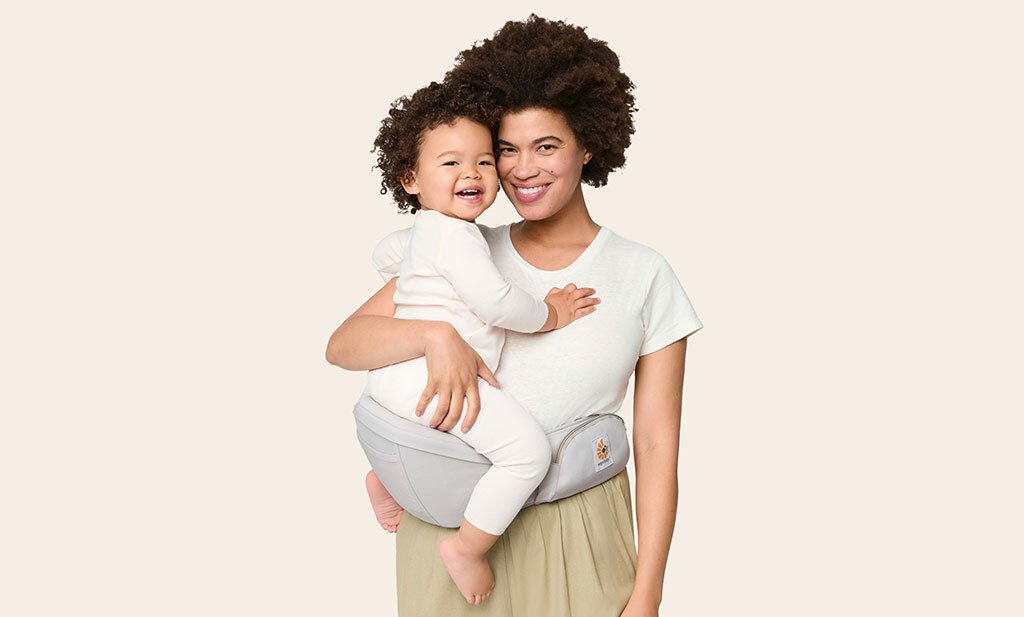
Credit: ergobaby.co.uk
Causes Of Low Pelvic Pressure
Low pelvic pressure during pregnancy can be uncomfortable. Understanding its causes helps manage the condition better. There are several factors contributing to this pressure.
Physical Changes
As the baby grows, the uterus expands. This puts extra weight on the pelvic area. The added weight creates a sensation of pressure. The growing baby also shifts organs, causing discomfort.
The ligaments supporting the uterus stretch. This stretching adds to the feeling of low pelvic pressure. Pregnant women often feel more pressure as the baby drops lower.
Hormonal Influence
Hormones play a key role in pregnancy. The hormone relaxin loosens ligaments and joints. This is essential for childbirth but causes pelvic discomfort.
Progesterone levels rise during pregnancy. High progesterone relaxes muscles, including those in the pelvis. Relaxed muscles can lead to feelings of pressure.
| Cause | Effect on Pelvic Pressure |
|---|---|
| Uterus Expansion | Increases weight on the pelvic area |
| Ligament Stretching | Creates a sensation of pressure |
| Relaxin Hormone | Loosens ligaments, causing discomfort |
| Progesterone Hormone | Relaxes muscles, leading to pressure |
Symptoms To Watch For
Carrying your baby low can cause pelvic pressure. It’s important to understand the symptoms. These can help you know when to seek help.
Discomfort Levels
Experiencing increased pelvic discomfort is common when carrying low. Many mothers report feeling a constant ache. This can be worse when standing or walking.
The intensity of pain can vary. Some may feel mild pressure. Others might experience sharp pains. These sensations often come and go. Resting can sometimes relieve the discomfort. Using a support belt might also help.
Movement Restrictions
Low baby positioning can restrict movement. Bending and lifting may become harder. You might notice difficulty with daily tasks. This can include simple activities. For example, putting on shoes or getting out of bed.
Here are some common movement restrictions:
- Difficulty bending forward
- Struggling to stand up quickly
- Challenges with walking long distances
- Problems with climbing stairs
To manage these restrictions, consider gentle exercises. Stretching and prenatal yoga can be beneficial. Always consult with your healthcare provider first.
Safe Exercises
Experiencing low pelvic pressure during pregnancy is common. Safe exercises can help manage this discomfort. These exercises strengthen muscles and offer relief. Let’s explore some safe exercises for low pelvic pressure.
Prenatal Yoga
Prenatal Yoga is a gentle way to stay active. It helps ease pelvic pressure.
- Cat-Cow Pose: This pose stretches your back and relieves pressure.
- Child’s Pose: A restful pose that stretches hips and thighs.
- Warrior II: Strengthens legs and improves balance.
Remember to move slowly. Breathe deeply and listen to your body.
Pelvic Tilts
Pelvic tilts are simple exercises. They strengthen your pelvic muscles.
- Lie on your back with knees bent.
- Tighten your belly muscles.
- Flatten your back against the floor.
- Hold for a few seconds, then release.
Repeat these steps 10 times. Do it twice a day for best results.
Supportive Gear
Carrying your baby low can cause pelvic pressure. Supportive gear helps. Below are two key items to consider: maternity belts and proper footwear.
Maternity Belts
Maternity belts offer great support. They lift your belly and relieve pelvic pressure. Here are some benefits:
- Reduces discomfort: Helps with back and pelvic pain.
- Improves posture: Encourages better alignment.
- Enhances mobility: Makes walking easier.
Choose a maternity belt that fits well. Make sure it’s adjustable and comfortable. Wear it under your clothes for discretion.
Proper Footwear
Proper footwear is essential. It supports your body and reduces pressure on your pelvis. Here are some tips:
- Choose the right size: Make sure your shoes fit well.
- Look for arch support: Helps distribute weight evenly.
- Opt for low heels: Avoid high heels to reduce strain.
Comfortable shoes can make a big difference. Invest in a good pair to support your journey.
Dietary Adjustments
Carrying baby low pelvic pressure can be uncomfortable. Making dietary adjustments can help. Here are some tips for staying healthy and comfortable.
Hydration Importance
Staying hydrated is crucial. Drink plenty of water throughout the day. Water helps reduce swelling and supports overall health. Aim for at least eight glasses daily.
Other hydrating options include:
- Herbal teas
- Coconut water
- Fresh fruit juices
Avoid sugary drinks and caffeine. These can cause dehydration.
Nutrient-rich Foods
Eating nutrient-rich foods supports your body. Focus on fresh fruits and vegetables. They provide essential vitamins and minerals.
Include lean proteins in your diet. These help maintain muscle strength. Good sources of protein include:
- Chicken
- Fish
- Tofu
- Legumes
Whole grains are also important. They offer sustained energy. Choose options like:
- Brown rice
- Quinoa
- Whole wheat bread
| Food Group | Examples |
|---|---|
| Fruits | Apples, Bananas, Berries |
| Vegetables | Spinach, Carrots, Broccoli |
| Proteins | Chicken, Fish, Tofu |
| Grains | Brown Rice, Quinoa, Whole Wheat Bread |
Incorporate healthy fats into your diet. These include:
- Avocados
- Nuts
- Olive oil
Healthy fats support baby growth. They also provide energy for you.
Rest And Sleep Tips
Dealing with low pelvic pressure during pregnancy can be challenging. Good rest and sleep are crucial. They help in managing discomfort and ensuring well-being. Below are some tips to help you sleep better and feel rested.
Optimal Sleeping Positions
Finding a comfortable sleeping position is essential. The following positions may help:
- Side Sleeping: Sleep on your side, preferably the left side. This position improves blood flow to the baby.
- Use Pillows: Place a pillow between your knees. It helps align your hips and reduces pressure.
- Support Your Belly: Use a small pillow under your belly for extra support.
Rest Breaks
Taking regular rest breaks during the day can alleviate discomfort:
- Short Naps: Take short naps to recharge. Aim for 20-30 minutes.
- Stretching: Gentle stretches can help relieve pressure. Try stretching your legs and back.
- Elevate Your Feet: Prop your feet up on a pillow. This reduces swelling and improves circulation.
Implementing these tips can make a significant difference. They help in managing low pelvic pressure and improving your overall comfort.
Medical Interventions
Experiencing baby low pelvic pressure can be uncomfortable. Medical interventions can help manage this condition effectively. Consult with healthcare providers for appropriate guidance. Medications and treatments can also play a crucial role.
Consulting Healthcare Providers
Consulting healthcare providers is essential. They provide personalized advice and monitor your condition. Regular check-ups ensure both you and your baby are healthy.
Healthcare providers may recommend lifestyle changes. They might suggest specific exercises to alleviate pressure. They also keep an eye on any potential complications.
Medications And Treatments
Medications can sometimes be necessary. Your doctor might prescribe pain relief medications. Always follow the dosage instructions carefully.
Non-medical treatments can also help. Consider using maternity support belts. These can provide extra support to your pelvis. Physical therapy can be beneficial too.
Here is a table summarizing common treatments:
| Treatment | Description |
|---|---|
| Pain Relief Medications | Prescribed by doctors for managing pain. |
| Maternity Support Belts | Provides support to the pelvis. |
| Physical Therapy | Exercises to strengthen pelvic muscles. |
Always consult your healthcare provider before starting any treatment. They will guide you on the best course of action.
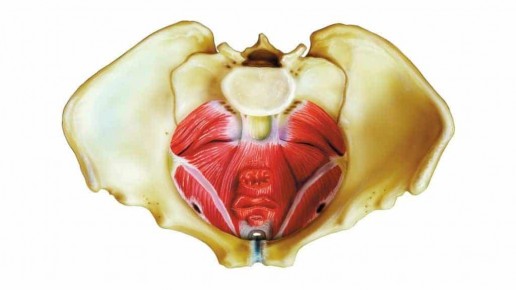
Credit: www.carryingmatters.co.uk
Mental Well-being
Carrying a baby low can bring physical challenges. One major concern is pelvic pressure. However, it also affects the mind. Maintaining mental well-being is crucial for expecting mothers. This section explores ways to manage stress and find emotional support.
Stress Management
Managing stress is vital during pregnancy. High stress levels can affect both mother and baby. Here are some effective strategies:
- Deep Breathing: Helps in calming the mind.
- Regular Exercise: Simple activities like walking can reduce stress.
- Mindfulness Meditation: Focus on the present to ease worries.
Creating a daily routine can also help. Setting aside time for rest and self-care is essential. Consistent sleep patterns improve mental health.
| Activity | Duration |
|---|---|
| Deep Breathing | 5 minutes |
| Exercise | 30 minutes |
| Meditation | 10 minutes |
Emotional Support
Having a support system is key. It helps in dealing with emotional changes. Close friends and family can provide comfort. Joining a support group is also beneficial.
- Talk to Loved Ones: Share your feelings and concerns.
- Join a Support Group: Meet other expecting mothers.
- Seek Professional Help: A therapist can offer guidance.
Feeling connected can make a big difference. Knowing you are not alone helps ease anxiety. Emotional support boosts mental well-being.
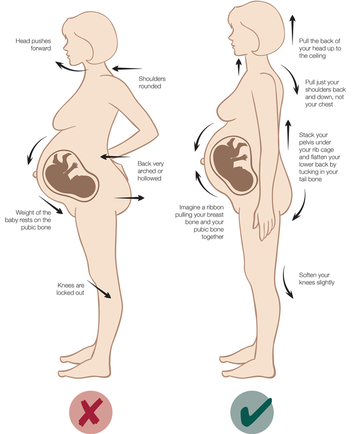
Credit: www.nandishchiropractic.com
Frequently Asked Questions
What Causes Low Pelvic Pressure During Pregnancy?
Low pelvic pressure is caused by the baby’s position and increased weight on the pelvic muscles.
Is Low Pelvic Pressure A Sign Of Labor?
Low pelvic pressure can indicate approaching labor, but it’s not a definitive sign on its own.
How Can I Relieve Low Pelvic Pressure?
Rest, pelvic tilts, and gentle stretching can help alleviate low pelvic pressure during pregnancy.
Should I Be Worried About Low Pelvic Pressure?
Low pelvic pressure is usually normal but consult your doctor if it’s severe or accompanied by other symptoms.
Can Exercise Help With Low Pelvic Pressure?
Yes, prenatal exercises, especially those strengthening pelvic muscles, can help reduce low pelvic pressure.
Conclusion
Managing low pelvic pressure during pregnancy is crucial. Understanding its causes and remedies can provide relief. Always consult your healthcare provider for personalized advice.
Remember, each pregnancy is unique. Stay informed, practice good posture, and engage in gentle exercises to ease discomfort.
Your well-being and your baby’s health are paramount.
