
Baby car seats do not fit all cars universally. Compatibility depends on your vehicle’s seat design, seat belt length, LATCH system, and car seat type. Always perform a fit test before purchase to guarantee safe and secure installation for your child.
As a new or expecting parent, you might wonder, “Do baby car seats fit all cars?” It’s a common question with a crucial answer. In this guide, you’ll discover the real truth about car seat compatibility. You’ll learn why fit varies, how to check it step-by-step, and practical tips to ensure your child’s safety. Let’s dive in and clear up the confusion.
Key Takeaways
- Compatibility is Not Guaranteed: No single car seat fits every vehicle due to variations in seat shapes, belt systems, and safety features.
- Seat Belt Length Matters: Ensure your car’s seat belts are long enough to thread through the car seat’s belt path and buckle securely.
- LATCH System Has Limits: The Lower Anchors and Tethers for Children system eases installation but has weight restrictions and may not be in all seating positions.
- Vehicle Seat Design Impacts Fit: Contoured bucket seats, bench seats, or raised humps can affect how a car seat sits and installs.
- Always Test Before You Buy: Try installing the car seat in your car to check for a snug fit—many retailers allow this or offer return policies.
- Consult Manuals for Guidance: Both your vehicle and car seat manuals provide specific instructions for compatibility and installation.
- Seek Professional Help if Unsure: Certified Child Passenger Safety Technicians can verify fit and installation, often for free, to ensure safety.
Why Baby Car Seats Don’t Fit All Cars
Think of baby car seats like shoes—they come in different sizes and styles, and not every pair fits every foot. Similarly, car seats are designed with specific features that may not match every vehicle. The idea of a one-size-fits-all car seat is a myth. Here’s why.
Cars have unique interiors. Seat shapes, belt lengths, and anchor points differ. A car seat that fits perfectly in a spacious SUV might wobble in a compact sedan. Safety standards require a tight installation, but that depends on your car’s design. Ignoring fit can lead to dangerous loose installations. So, always assume compatibility needs checking.
Key Factors Affecting Compatibility
Several elements determine if a baby car seat fits your car. First, seat belt systems vary. Some cars have short belts that won’t reach around a car seat. Second, the LATCH system (Lower Anchors and Tethers for Children) is not in every seat or car. Third, vehicle seat contours—like bucket seats—can cause tilting. Lastly, car seat size and design matter. Bulkier models may not fit in smaller cars. Understanding these factors helps you make smart choices.
Step-by-Step Guide to Checking Car Seat Fit
Follow these steps to ensure your baby car seat fits your car safely. Take your time and be thorough. It’s better to be sure than sorry.
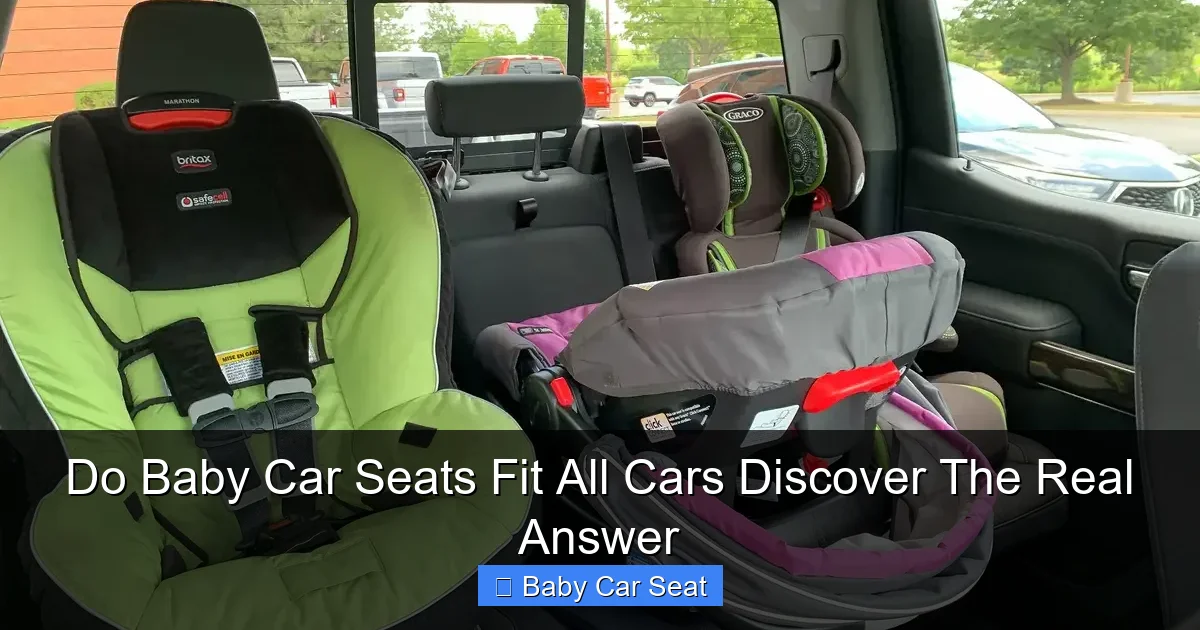
Visual guide about Do Baby Car Seats Fit All Cars Discover The Real Answer
Image source: images.cars.com
Step 1: Understand Your Vehicle’s Features
Start with your vehicle owner’s manual. Look for the child safety section. It lists where to install car seats, seat belt types, and LATCH anchor locations. Note any warnings, like avoiding certain seats due to airbags. For example, many cars have LATCH anchors only in the outboard back seats. Knowing your car’s specs saves hassle later.
Step 2: Know Your Car Seat Type
Baby car seats come in types: infant carriers, convertible seats, and all-in-ones. Infant seats are smaller but may need a base. Convertible seats grow with your child but can be bulky. Check your car seat manual for size and installation requirements. Measure the car seat’s base width and height. Compare it to your car’s seat dimensions. A good fit means the car seat sits flat without overhang.
Step 3: Measure Seat Belt Length
If using seat belts for installation, test their length. Pull the belt fully out and thread it through the car seat’s belt path. Buckle it. Is there enough slack to lock the belt? Seat belts must be long enough to secure the car seat tightly. If the belt is too short, consider a different seating position or a car seat with a compact belt path. Some cars have adjustable belts—check your manual.
Step 4: Check LATCH System Compatibility
The LATCH system uses anchors in the vehicle seat crease and a top tether for forward-facing seats. Find the anchors in your car—they’re usually marked with symbols. Ensure the car seat’s LATCH connectors can reach them easily. Remember, LATCH has weight limits (often 65 pounds total, including the child). Once your child exceeds that, you must switch to seat belts. Also, not all cars have tether anchors for forward-facing seats.
Step 5: Assess Vehicle Seat Contours
Look at your car’s seat shape. Is it flat, curved, or sloped? Place the car seat on it without installing. Does it rock or tilt? Contoured seats can cause improper recline for infant seats. Use a level indicator on the car seat to check the angle. If needed, use rolled towels or pool noodles to adjust, but only if the manuals allow. Never compromise safety for fit.
Step 6: Perform a Practice Installation
Now, do a full installation. Follow the manuals closely. Use either seat belt or LATCH, but not both unless instructed. Push down firmly on the car seat while tightening. Once installed, grab the seat at the belt path and shake. It should not move more than an inch side-to-side or front-to-back. Check the recline angle for infant seats—it should be correct to protect your baby’s airway. If it’s loose, re-tighten or try another position.
Practical Tips for Ensuring a Good Fit
Here are some hands-on tips to make compatibility checks easier. These come from real-world experience and safety experts.
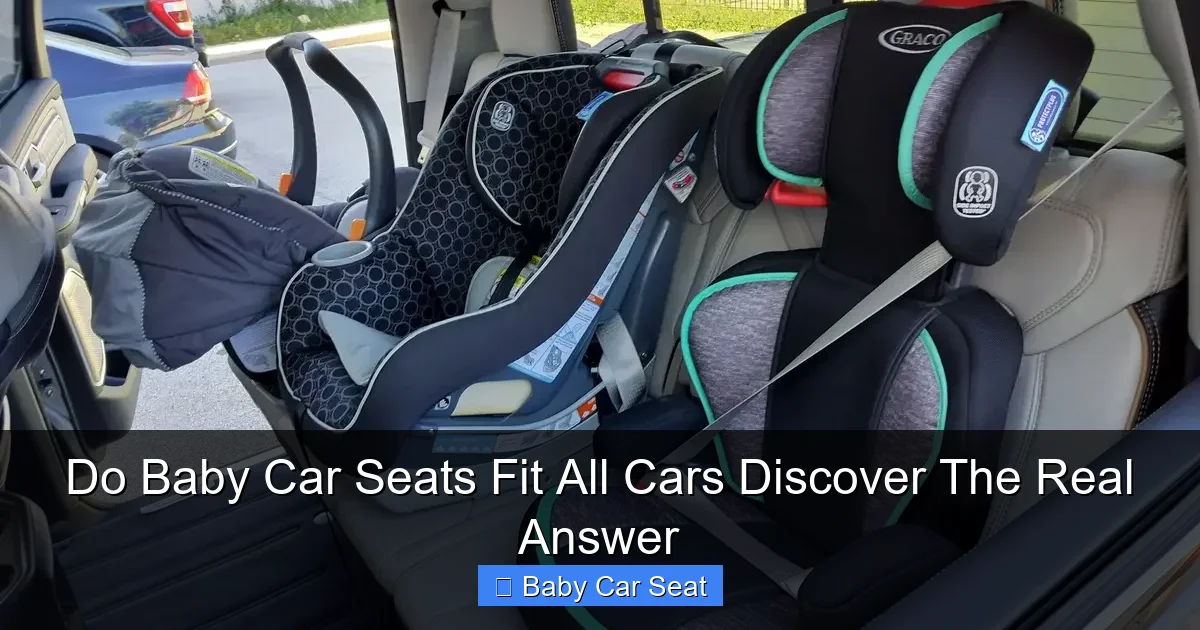
Visual guide about Do Baby Car Seats Fit All Cars Discover The Real Answer
Image source: images.cars.com
Tip for SUVs and Trucks: These vehicles often have higher seats and more space. But watch for seat contours that slope forward. Use tether straps for forward-facing seats to prevent tipping. In trucks, avoid installing in front seats with airbags.
Tip for Sedans and Compact Cars: Space is tight. Choose slim-profile car seats designed for small cars. Measure the back seat area before buying. Install in the center seat if possible, as it’s safest, but ensure seat belts or LATCH are available there.
Tip for Older Vehicles: Cars made before 2002 may not have LATCH. Rely on seat belts, and check their condition. Frayed or worn belts need replacement. Consider using a locking clip if the belt doesn’t lock automatically.
Tip for Multiple Car Seats: If fitting two or more car seats, test them together. Some combinations might not fit side-by-side due to width. Look for narrow models or use different seating positions.
Example: Jane bought a popular convertible car seat for her Honda Civic. She tested it in the store parking lot. The seat belt was too short for the rear-facing installation. She switched to a model with a lower belt path, and it fit perfectly. Always test!
Troubleshooting Common Fit Problems
Even with careful checks, issues can arise. Here’s how to fix common fit problems.
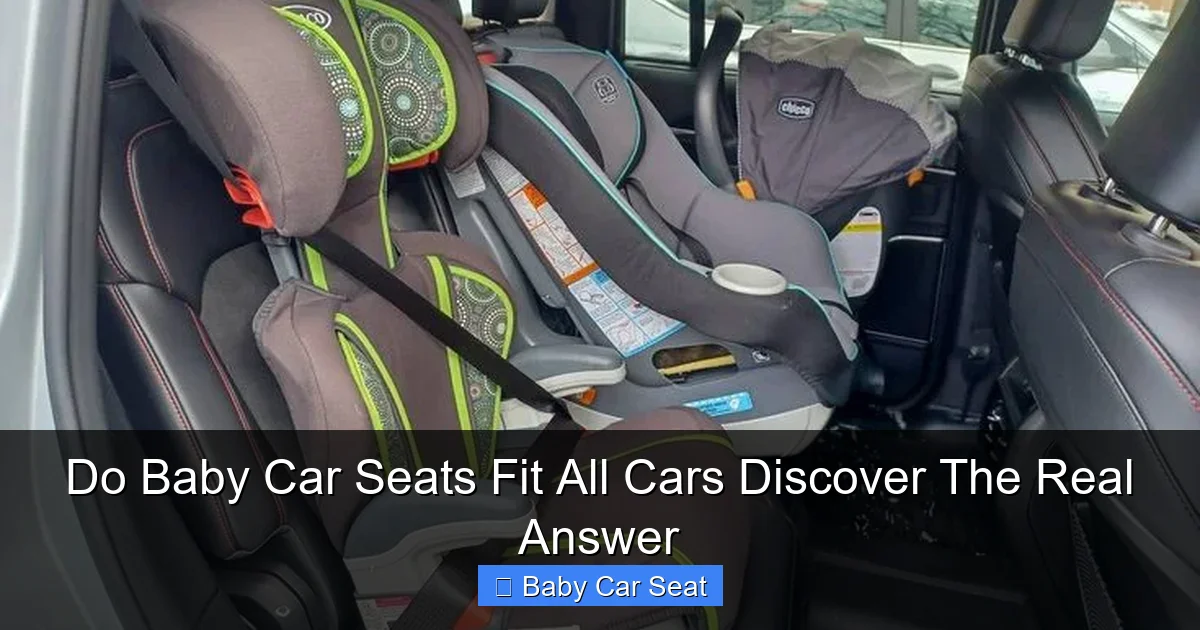
Visual guide about Do Baby Car Seats Fit All Cars Discover The Real Answer
Image source: i.pinimg.com
Problem: Loose Installation
Solution: Re-read the manuals. Ensure you’re using the correct belt path. Kneel in the car seat while tightening to add weight. For seat belts, make sure the retractor is in locking mode. If still loose, try a different seating position or consult a technician.
Problem: Car Seat Tipping Forward
Solution: This often happens with forward-facing seats. Attach the top tether strap to the vehicle’s tether anchor. It reduces forward movement in a crash. If your car lacks a tether anchor, contact the dealer to install one or use a seat belt installation.
Problem: Incorrect Recline Angle
Solution: Infant seats need a specific recline to keep babies safe. Use the built-in level indicator. Adjust with rolled towels or noodles under the car seat base, but only as per instructions. Never place padding under the car seat itself.
Problem: Seat Belt Too Short
Solution: Try a different seating position with longer belts. Some car seats have multiple belt paths—use the one that fits best. Consider a seat belt extender only if approved by the vehicle and car seat manufacturers—never use unauthorized ones.
Problem: LATCH Connectors Don’t Reach
Solution: LATCH anchors might be buried deep in the seat crease. Use your fingers to pull them out. If they’re still unreachable, switch to seat belt installation. Remember, LATCH is not mandatory if seat belts work better.
Conclusion: Safety First, Always Check Fit
So, do baby car seats fit all cars? The clear answer is no. Compatibility is key to safety. By understanding your vehicle and car seat, doing test fits, and troubleshooting issues, you can ensure a secure installation. Never assume a car seat will fit—always verify. Your child’s life depends on it. Take advantage of resources like certified technicians and store return policies. Drive safely, and enjoy the peace of mind that comes with a properly fitted car seat.
🎥 Related Video: How Easy Is ClickTight Installation? See Why Parents Love Britax Car Seats
📺 Britax Child Safety, Inc
Real Parent Review: @littleradadventures shows just how quick and secure a Britax ClickTight installation can be—rear-facing or …
