
Do baby car seats have an expiration date is a question every parent asks. This guide explains how to find the date, why seats expire, how to use seats safely, and what to do when a seat is expired. Follow easy steps to protect your child and make smart car seat choices.
Key Takeaways
- Point 1: Most car seats do have an expiration date printed on the shell or label.
- Point 2: Expiration matters because materials degrade and safety rules change over time.
- Point 3: Check the manual, shell label, or manufacturer website for exact dates and batch info.
- Point 4: Don’t use seats involved in moderate or severe crashes or those with expired dates.
- Point 5: Store seats correctly and avoid secondhand seats unless you know their full history.
- Point 6: Replace seats after the expiration, a crash, or visible damage for best safety.
Introduction: What you will learn
This guide answers the question do baby car seats have an expiration date. You will learn where to find the date. You will know why a car seat expires. You will get step-by-step tips to check a seat. You will learn what to do if a seat is expired or involved in a crash. The steps are simple. The language is clear. Follow these steps to keep your child safe.
Step 1: Understand why car seats expire
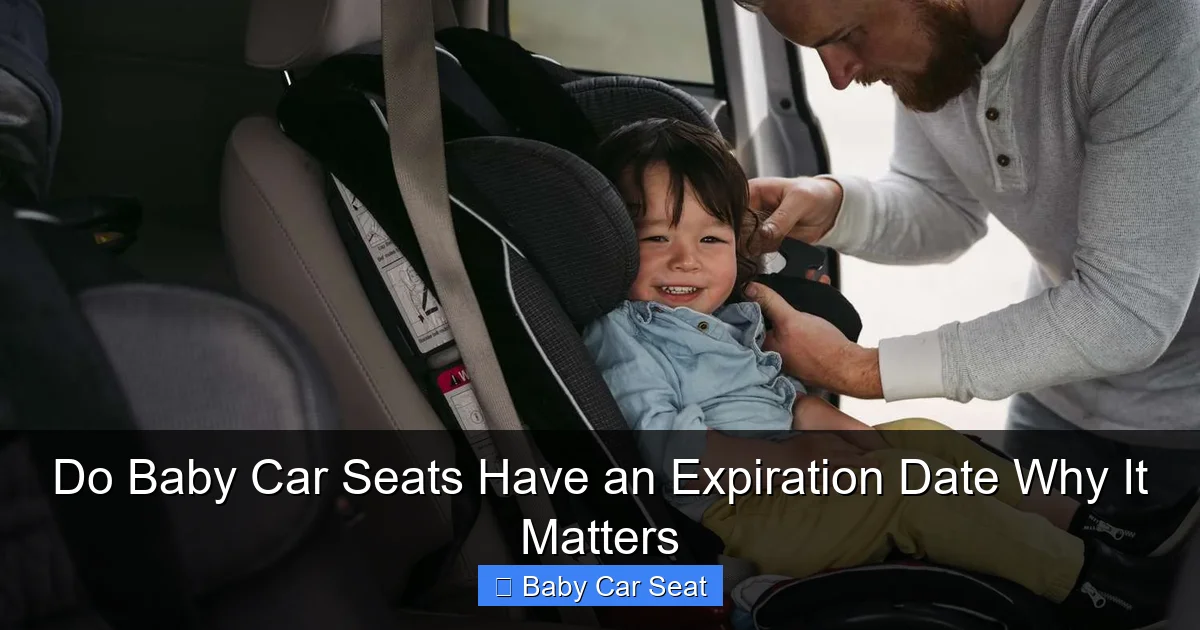
Start with the basics. Manufacturers set an end date for use. They do this for good reasons. Over time, plastics and straps break down. Labels fade. Connector parts wear out. Safety standards also change. That means an older seat may not protect as well in a crash.
Visual guide about Do Baby Car Seats Have an Expiration Date Why It Matters
Image source: parents.com
Materials weaken over time
Car seats face heat, cold, sunlight, and moisture. These elements slowly damage plastic and metal. Even small cracks can reduce strength. The webbing in straps can fray. Foam can compress. All of this lowers protection.
Designs and standards evolve
Laws and testing methods improve. Newer seats meet newer crash-test rules. Older seats may lack key safety features. That is another reason manufacturers set an expiration date.
Step 2: Find the expiration date on your car seat
Now check your seat. The expiration is usually printed on a sticker or molded into the shell. It may be on the back, bottom, or side. Look carefully. You may find a month and year or a raised code.

Visual guide about Do Baby Car Seats Have an Expiration Date Why It Matters
Image source: chiccousa.com
Where to look
- Back of the seat shell
- Under the base or underside of the shell
- On a sticker near the harness slot
- In the user manual or a manufacturer label
How the date is shown
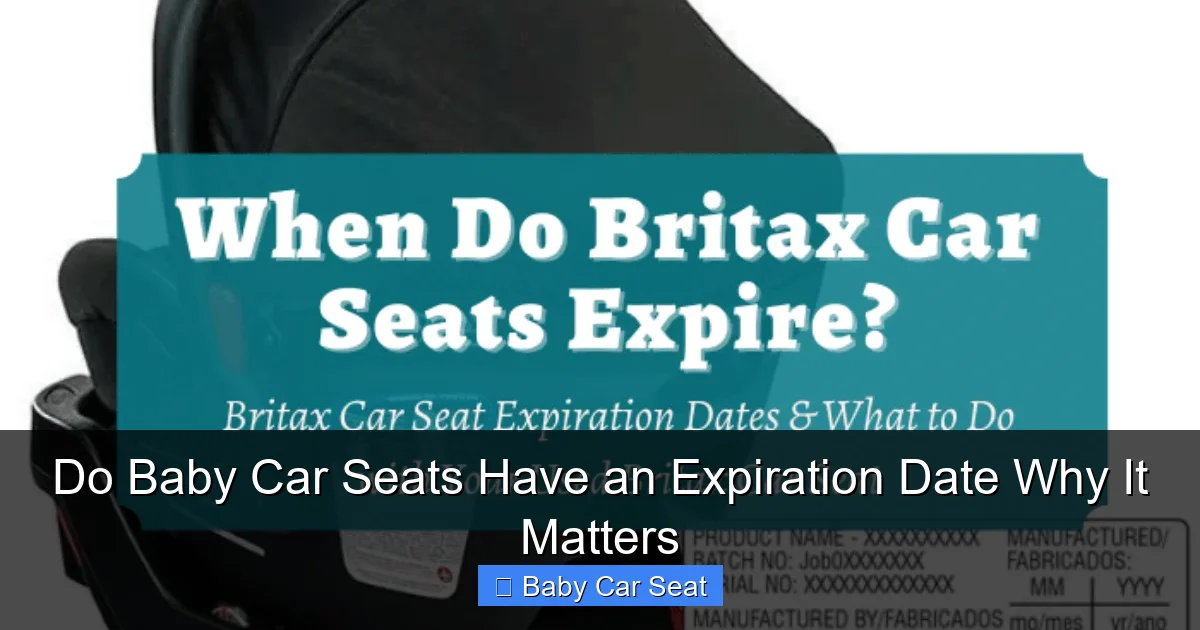
Some seats show a clear date like “Expires: 02/2028.” Others show “Manufactured: 03/2020 – Use for 6 years.” If you see a manufacture date and a lifespan, add them to get the expiration. For example, a 6-year life from March 2020 expires in March 2026.
Step 3: What if you can’t find the expiration date
If you cannot find a date, don’t guess. Use these steps to confirm.
Visual guide about Do Baby Car Seats Have an Expiration Date Why It Matters
Image source: safeconvertiblecarseats.com
Check the manual
Find the original manual. The manual often lists the lifespan and location of the date. If you lost the manual, move to the next step.
Contact the manufacturer
Write down the model number and any codes on the seat. Call or email the maker. Many brands keep records and can tell you the exact expiration date.
Search online
Use the make, model, and manufacture date to search. Parent forums, retailer pages, and the manufacturer’s site help. Be careful with secondhand information. Verify with the maker when possible.
Step 4: Rules for using a car seat near or past expiration
What should you do when you reach the expiration date? Here are clear rules to follow.
Before the date
Use the seat as usual. Inspect it often. Check harnesses, buckles, and shell for damage. Clean it per the manual. Avoid harsh cleaners that can damage materials.
On the expiration date or after
Stop using the seat the day it expires. Even if it looks fine, materials may have degraded. Safety could be reduced. Replace the seat with a new or in-date model.
Exceptions and short extensions
Some manufacturers may allow limited extensions in rare cases, but this is uncommon. Always follow the maker’s guidance. Do not assume you can keep using a seat past the stated date.
Step 5: What to do if a car seat has been in a crash
This is crucial. A crash can damage a seat even if it looks fine. Follow these steps after any collision.
Minor fender-bender
Check your manual. Some brands allow continued use after low-speed, minor crashes with no visible damage. Other brands still recommend replacement. If unsure, replace the seat.
Moderate or severe crash
Replace the seat right away. This is the safest choice. Internal parts can break and fail later. You may not see the damage.
Document the crash
Keep records. If you file an insurance claim, save the report. Note the date, location, and severity. This helps if you later need to prove why the seat was replaced.
Step 6: Tips for buying and storing car seats
Buying a car seat is an important decision. Storage matters too. Here are practical tips to extend life and keep records.
Buying new
- Buy from a reputable retailer or directly from the manufacturer.
- Check the manufacture date on the label before buying.
- Avoid deeply discounted old stock with a short remaining life.
Buying used
Secondhand seats can be a risk. Ask for the manual, the manufacture date, and crash history. If the seller cannot prove the full history, do not buy. Look for a clear expiration date and no signs of damage.
Storing car seats
- Keep the seat in a dry, cool place.
- Avoid direct sunlight and extreme heat, like attics or garages in summer.
- Store the harness in a way that avoids sharp bends.
- Keep the manual and labels in a folder with the seat.
Step 7: Cleaning and maintenance
Proper cleaning keeps a seat safe longer. Follow the manual. Use mild soap and water. Avoid bleach and strong solvents. Dry fully before use. Check the buckles for grit and test them monthly.
Cleaning tips
- Spot clean fabrics when possible.
- Remove covers carefully. Note how they fit so you can reassemble correctly.
- Lubricate metal parts only if the manual allows it.
Troubleshooting: Common problems and fixes
Here are common issues and what to do.
Faded or missing label
If the expiration label is faded, look for embossed dates on the shell. Check the manual or contact the maker if you still cannot find the date.
Stiff buckles
Clean buckles with warm water and a mild brush. Do not oil or spray them. Replace the buckle if it sticks after cleaning.
Loose or frayed straps
Replace straps only if the manufacturer offers replacements. If straps are frayed, retire the seat and replace it.
Cracked shell
Do not use a seat with a cracked shell. Replace it immediately. Cracks greatly reduce crash protection.
Step 8: How to dispose of an expired car seat
Disposing of a car seat needs care. You want to make sure no one else uses it unknowingly. Follow these steps.
Remove labels
Cut or mark the labels that show model and date. That helps prevent reuse. Consider cutting the harness straps so they are unusable.
Break the shell
For safety, cut through or crack the plastic shell so it cannot be reused. Take care and use proper tools or have a professional assist if needed.
Local recycling options
Some parts may be recyclable. Check local programs. Not all materials can be recycled together. If recycling is not available, follow local waste rules.
Step 9: Choosing the next car seat
When you replace a seat, choose one that fits your child and your car. Look for up-to-date safety ratings. Check for easy installation systems like LATCH or a rigid anchor. Buy new when possible.
What to look for
- Correct size for your child’s weight and height
- High crash-test ratings and safety features
- Clear expiration and manufacture date
- Good installation instructions and support
Practical examples
Example 1: You find a seat labeled “Manufactured 05/2019 – 6 year life.” The seat expires in May 2025. If today is June 2025, stop using it and replace it.
Example 2: You inherit a seat with no paperwork. The label is faded. Contact the maker with the model stamped on the shell. If they cannot confirm the date, do not use the seat.
Common myths about car seat expiration
Myth: “If a seat looks fine, it’s safe.” False. Hidden damage or material wear can be dangerous.
Myth: “You can judge life by color change.” Color fades do not always show structural damage. Always check date and manual.
Myth: “Car seats last forever if stored well.” Even stored seats age. Follow the printed life span.
How often to check your car seat
Inspect your seat at least once a month. Check before long trips and after any collision. Look for loose parts, frayed webbing, and buckles that stick.
Safety rules checklist
- Find and note the expiration date today.
- Never use a seat past its expiration.
- Replace seats involved in moderate or severe crashes.
- Store seats away from heat and sunlight.
- Keep manuals and labels with the seat.
- Avoid buying used seats unless history is proven.
Conclusion
Now you know the clear answer to do baby car seats have an expiration date. Yes, most do. The date matters because materials weaken and safety standards change. Always check the label or manual. Contact the manufacturer if you are unsure. Replace seats after the expiration date or after moderate or severe crashes. Store and clean seats properly. Follow the simple steps here to keep your child safe every trip.
🎥 Related Video: Is it true that carseats have an expiration date?
📺 IntermountainParents
Many parents have questions about car seat safety specifically expiration dates. Car seats actually do expire. A highway …
