
Do baby car seats have to face backwards for safety and legal reasons in many places. This guide shows clear steps to install, use, and transition seats, and gives practical tips to keep your child safe on every trip.
Key Takeaways
- Point 1: Do baby car seats have to face backwards — Yes, rear-facing is the safest position for infants and toddlers.
- Point 2: Check age, weight, and height limits before turning a seat forward.
- Point 3: Proper installation and harness fit make a big safety difference.
- Point 4: Rear-facing longer protects your child’s head, neck, and spine in a crash.
- Point 5: Follow local laws and the car seat manual every time.
- Point 6: Inspect, tighten, and check the seat often for correct use.
Introduction
This guide answers the common question: do baby car seats have to face backwards. You will learn why rear-facing matters. You will learn how to install a rear-facing car seat step by step. You will learn when to switch to forward-facing. You will learn legal rules and safety tips. Read on for clear, simple steps you can use today.
Why rear-facing matters: The safety basics
Parents ask, do baby car seats have to face backwards? The safe answer is usually yes. Rear-facing seats spread crash forces across the child’s back. They protect the head, neck, and spine. Research shows rear-facing reduces injury in frontal crashes. For young children, rear-facing is best.

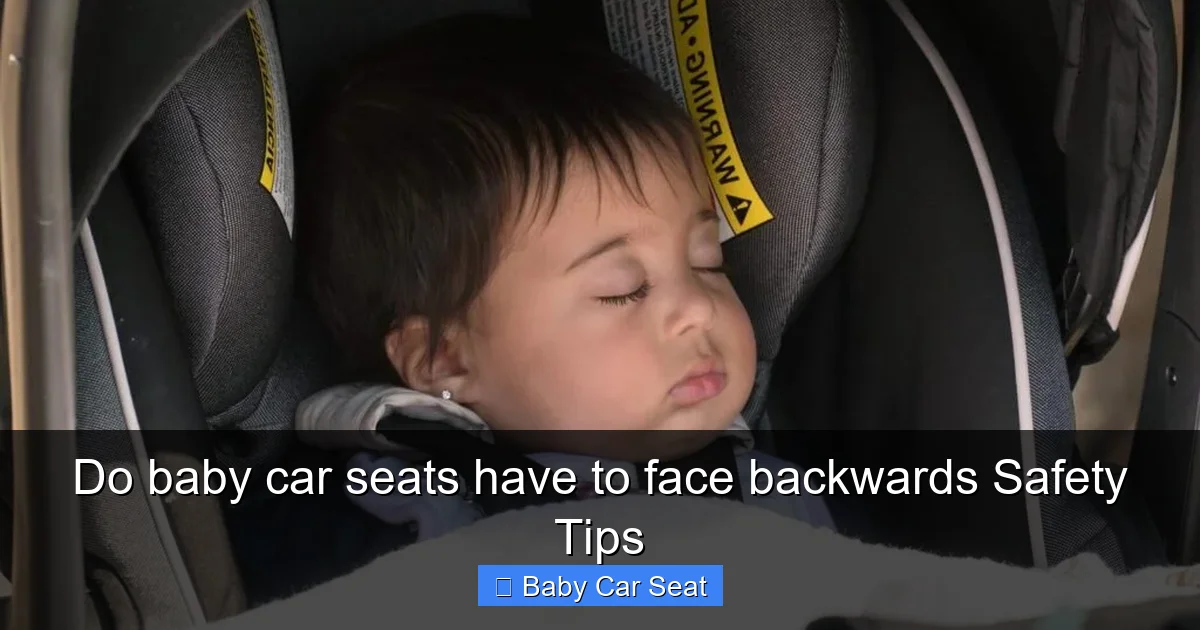
Visual guide about Do baby car seats have to face backwards Safety Tips
Image source: kidshealthexperts.com
How rear-facing protects a child
-
It cradles the head and neck on impact.
-
It uses the seat shell to absorb force.
-
It reduces forward movement of the body.
-
It lowers the risk of serious injury in crashes.
Check laws and recommendations first
Ask, do baby car seats have to face backwards in your area? Rules vary. Many places require rear-facing until at least age two. Some places allow forward-facing by weight or height. Check your local laws. Also follow car seat maker rules. Both matter for safety and compliance.
Visual guide about Do baby car seats have to face backwards Safety Tips
Image source: bellesandgals.com
Where to look for rules
-
Local transportation department websites.
-
Child passenger safety organizations.
-
Car seat labels and manuals.
-
Health clinic or pediatrician advice.
Step 1: Choose the right seat
Start by asking, do baby car seats have to face backwards with your child in mind. For newborns, use an infant rear-facing seat or a convertible seat in rear-facing mode. For toddlers, use a convertible or all-in-one seat. Pick one that fits your car and your child’s size.
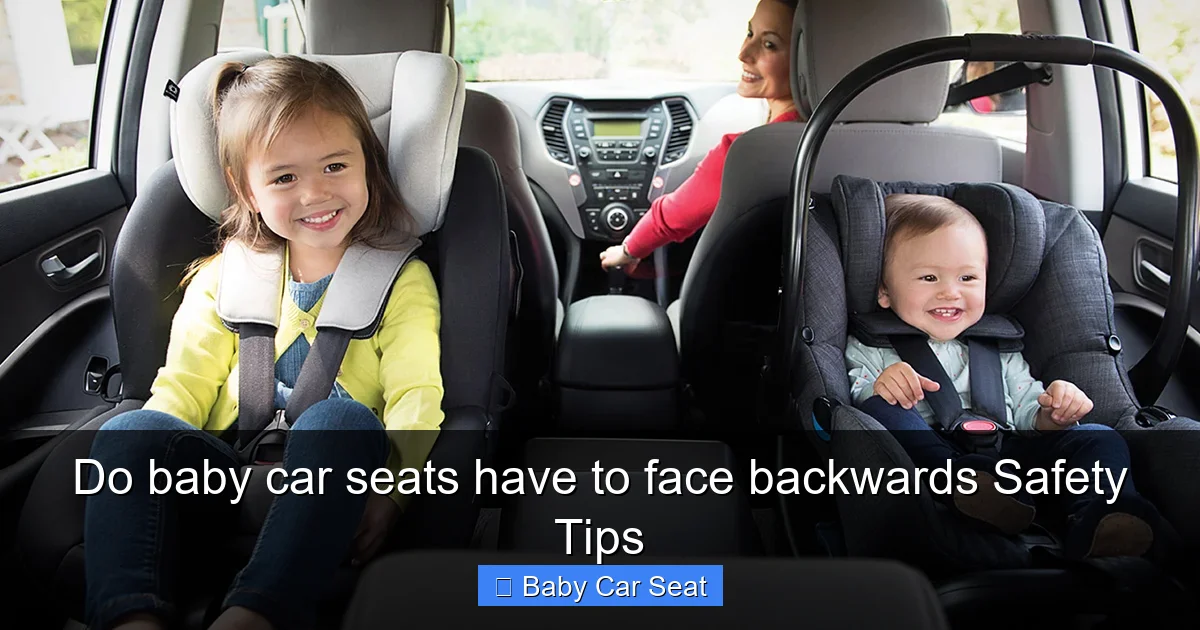
Visual guide about Do baby car seats have to face backwards Safety Tips
Image source: safewise.com
Infant vs convertible seats
-
Infant seats: rear-facing only. Good for newborns. Easy to carry.
-
Convertible seats: start rear-facing, then convert to forward-facing later.
-
All-in-one seats: can be used for many years in different modes.
Step 2: Read the manual and car label
Always read instructions. Ask, do baby car seats have to face backwards for your model? The manual tells you how to install and when to convert. Car manuals show where anchors are. Follow both manuals closely. They are the rulebook for safety.
Key manual points to note
-
Maximum rear-facing weight and height.
-
Correct belt path for rear-facing.
-
Angle indicators and adjusters.
-
Harness slots and tightening instructions.
Step 3: Install the seat rear-facing
Many parents still ask, do baby car seats have to face backwards? If your child meets the rear-facing limits, keep it rear-facing. Here are the steps to install a rear-facing seat.
Prepare the car and seat
-
Move the front seat forward if needed.
-
Place the seat on the vehicle seat, rear-facing.
-
Check the seat base angle marker.
Using the seat belt for installation
-
Route the belt through the rear-facing belt path.
-
Buckle and lock the belt per manual.
-
Tighten until the seat moves less than one inch at the belt path.
Using LATCH anchors
-
Attach lower anchors to the vehicle anchors.
-
Tighten the connectors to remove slack.
-
Check for less than one inch movement at the belt path.
Final checks
-
Confirm correct recline angle.
-
Make sure the harness is at or below the child’s shoulders.
-
Strap the child snugly with no slack.
Step 4: Fit the harness correctly
Parents often ask, do baby car seats have to face backwards and how to strap in the child. Proper harness fit is vital. A loose harness won’t save your child in a crash.
Harness tips
-
Use the correct harness slot at or below the shoulders.
-
Chest clip at armpit level.
-
Snug harness: you should not be able to pinch fabric at the shoulder.
Step 5: Know when to switch to forward-facing
Deciding when to change is a common question: do baby car seats have to face backwards until what age? Keep your child rear-facing until they reach the seat’s rear-facing limits. Many experts say to stay rear-facing as long as possible. This often means until at least age two or older, depending on weight and height.
Signs your child is ready to switch
-
Child exceeds the rear-facing height limit.
-
Child exceeds the rear-facing weight limit.
-
The car seat manual allows forward-facing use.
Practical tips and real examples
Families ask, do baby car seats have to face backwards for each trip. Yes, if they fall within limits. Here are quick tips and examples.
Tip: Use a rear-facing seat as long as you can
Example: Mia is 2 years old and 30 pounds. Her convertible seat allows rear-facing to 40 pounds. Keep her rear-facing. It’s safer.
Tip: Watch the angle
Example: Leo’s infant seat shows a red line if too upright. Adjust the base until the line is green. That keeps his airway open.
Tip: Avoid bulky clothing
Bulky coats can add slack in the harness. Use a blanket over a snug harness. This keeps your child secure in a rear-facing seat.
Troubleshooting: common problems and fixes
Many parents ask, do baby car seats have to face backwards if they see fit or installation problems. Here are common issues and fixes.
Problem: Seat moves more than one inch
Fix: Tighten the belt or LATCH. Use the vehicle seat belt lock if needed. Push down on the seat while tightening. If it still moves, check angle and belt routing.
Problem: Seat too upright for a newborn
Fix: Use the recline adjuster or a rolled towel under the base if manual allows. Check the manual first. Never block the harness path or ventilation.
Problem: Harness is twisted
Fix: Remove the child and untwist. Run the straps flat and straight. A twisted strap can fail in a crash.
Problem: Confused about LATCH vs seat belt
Fix: Use the method recommended by the car seat manufacturer. Many seats allow either LATCH or seat belt. Do not use both unless the manual allows it.
Problem: Child fights back-facing
Fix: Make short practice rides. Use toys and songs to distract. Explain to older toddlers that this is safer. Keep calm and be consistent.
Maintenance and safety checks
To keep rear-facing safe, do quick checks often. Ask, do baby car seats have to face backwards every time you strap the child in? If the child is in the rear-facing mode, confirm the setup every ride.
Daily and weekly checks
-
Daily: harness snug, chest clip level, correct recline.
-
Weekly: check for seat movement, inspect straps and attachments.
-
Monthly: read the manual and confirm recommended limits.
When a crash occurs
If you are in a crash, ask, do baby car seats have to face backwards after the incident? Replace the car seat if the crash was moderate or severe. Some manufacturers recommend replacement after any crash. Check the car seat label and manual for crash replacement rules.
Steps to take after a crash
-
Check your child for injuries and seek medical care if needed.
-
Replace the seat if the manual says to replace after a crash.
-
Keep the crash report and contact the manufacturer if unsure.
Common myths
Many people wonder, do baby car seats have to face backwards forever. Here are myths and facts.
Myth: Forward-facing is fine after 1 year
Fact: Age is only part of the guide. Weight and height limits matter more. Keep a child rear-facing as long as the seat allows.
Myth: LATCH is always safer than the seat belt
Fact: Both can be safe if installed correctly. Follow the car seat manual. Use the method your seat maker recommends.
Myth: Rear-facing limits are the same for all seats
Fact: Limits vary by seat make and model. Read the manual and check the labels for each seat.
Special cases: Premature babies, medical needs, and small cars
Parents ask, do baby car seats have to face backwards for premature infants or children with special needs. Often, yes. But medical advice may change the recommendation. Work with your pediatrician and a certified child passenger safety technician for tailored guidance.
Small cars
In small cars, rear-facing can be trickier. Still, many seats fit. Try different seat positions. If needed, consult a certified technician for help fitting a rear-facing seat safely.
Where to get help and inspections
If you are not sure, seek help. Ask, do baby car seats have to face backwards and bring your child and seat to a checkup. Many fire stations or community centers offer free car seat checks. Certified technicians can inspect your installation and show you fixes.
How to find a technician
-
Search local public health resources.
-
Contact police or fire departments.
-
Look for certified Child Passenger Safety Technicians online.
Conclusion
So, do baby car seats have to face backwards? Most of the time, yes. Rear-facing is safer for infants and toddlers. Keep your child rear-facing until they reach the seat’s rear-facing limits. Read the manuals. Check the laws. Install and fit the harness correctly. If you need help, get an inspection. A few careful steps can keep your child safe on every ride.
🎥 Related Video: BeSafe – Rearfacing vs forward facing crashtest
📺 BABYmatterscom
In a rear facing car seat, the head first presses into the car seat’s padded headrest, backrest and sidewalls (SIP). The car seat …
