

Baby strollers do not have a formal expiration date like food, but they do have a finite lifespan determined by safety, wear, and manufacturer guidelines. This guide explains how to assess your stroller’s condition, perform critical safety checks, and recognize the signs it’s time for a replacement to ensure your child’s safety on every journey.
Key Takeaways
- No Formal Expiration Date: Strollers aren’t stamped with an expiry, but their safe lifespan is limited by materials, usage, and technology updates.
- Manufacturer Guidelines Are Crucial: Always check your manual for a “recommended useful life,” often 5-10 years, and register your product for recall alerts.
- Regular Inspection is Non-Negotiable: You must frequently check the frame, hinges, brakes, harness, and fabric for signs of wear or failure.
- Signs of “Expiration” Are Often Visible: A stroller is likely unsafe if you find frame cracks, wobbly wheels, faulty brakes, or compromised harness straps.
- Proper Care Extends Lifespan: Regular cleaning, proper storage, and following weight limits can significantly prolong your stroller’s safe use.
- Consider the “Hand-Me-Down” Risk: Be extremely cautious with used strollers; unknown history and missing parts pose significant safety risks.
Do Baby Strollers Expire? Understanding Lifespan and Safety
As a parent, you want the best for your child. Safety is your top priority. You check car seat dates and replace helmets. But what about your baby stroller? Do baby strollers expire? The short answer is not in the way milk does. But yes, they become unsafe. Think of it like a pair of running shoes. They don’t have a date stamped on them. But after miles of use, the support breaks down. Using them risks injury. Your stroller is the same. This guide will walk you through everything. You will learn how to check your stroller’s health. You will know the signs it’s time to retire it. And you will get tips to make it last longer. Let’s roll in.
Step 1: Understand What “Expiration” Means for Strollers
First, let’s clear the air. You won’t find a “use by” date on a stroller’s frame. But safety experts agree strollers have a useful life. This lifespan is shaped by three main factors.
Visual guide about Do Baby Strollers Expire Understanding Lifespan and Safety
Image source: legendbaby.com
The Role of Materials and Wear
Strollers face sun, rain, and constant folding. Plastic parts can become brittle. Metal can fatigue and crack. Fabrics fade and weaken. This is normal wear and tear. But it makes the stroller less safe over time.
Changes in Safety Standards
Safety rules get better. Strollers made ten years ago might not meet today’s standards. Newer models have safer harnesses, better brakes, and stronger frames. An old stroller might be outdated in safety design.
The Manufacturer’s Recommended Life
This is key. Many companies now state a “recommended useful life.” It’s often in the manual. It’s usually between 5 and 10 years. This is the closest thing to an official expiration date for a baby stroller.
Step 2: Check the Manufacturer’s Guidelines
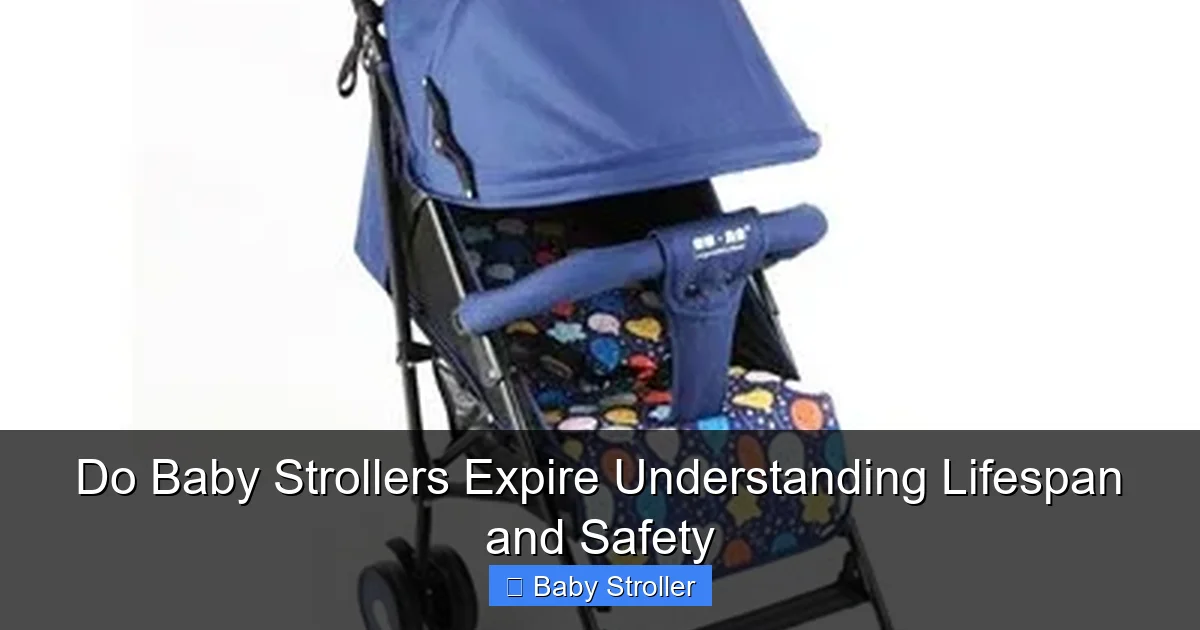
Your first action is simple. Find your stroller’s manual. If you lost it, search online for your model’s brand and name.
Visual guide about Do Baby Strollers Expire Understanding Lifespan and Safety
Image source: legendbaby.com
Look for the “Useful Life” Statement
Check the introduction or safety section. Look for phrases like “recommended product life” or “do not use after X years.” Jot this date down. It’s your baseline.
Register Your Product and Check for Recalls
If you haven’t, register your stroller on the manufacturer’s website. This is vital. They will contact you if there’s a safety recall. Also, check sites like the Consumer Product Safety Commission (CPSC) for any past recalls on your model. A recalled stroller is an expired stroller.
Step 3: Perform a Detailed Safety Inspection
Think of this as a stroller doctor’s visit. Do this every few months. Be thorough. If you ask “do baby strollers expire,” this inspection gives your answer.
Visual guide about Do Baby Strollers Expire Understanding Lifespan and Safety
Image source: juliannayuri.com
Inspect the Frame and Joints
Look closely at the entire frame. Run your hands along the metal and plastic. Feel for cracks, dents, or deep scratches. Pay special attention to folding hinges and locking mechanisms. These are high-stress points. Any damage here is a major red flag.
Test the Wheels and Brakes
Spin each wheel. Does it wobble or rub? Check for worn-down tread. Now, test the brakes. On a flat, safe surface, engage the brake. Try to push the stroller. It should not move. Do this for each wheel if it has individual brakes. A failing brake is an immediate safety fail.
Examine the Harness and Seat
The harness is your child’s lifeline. Check every buckle. Do they click securely? Do they release easily? Look at the straps. Are they frayed, torn, or stretched out? Sit in the seat fabric. Is it sagging or torn? A compromised harness cannot do its job.
Check the Canopy and Basket
While less critical, these can show age. A rusty canopy frame can snap. A rotten basket can drop your groceries. Give them a look.
Step 4: Recognize the Signs It’s Time to Replace
After your inspection, you might see problems. Some are fixable. Others mean the stroller has “expired.” Here are the clear signs.
- Visible Frame Damage: Any crack, bend, or break in the main frame. Do not repair this. Replace the stroller.
- Unreliable Folding Mechanisms: If it collapses unexpectedly or won’t lock open, it’s a pinch and crush hazard.
- Faulty Brakes: If the brakes slip or don’t hold on a mild slope, the stroller is unsafe.
- Compromised Harness: Frayed straps or broken buckles cannot be trusted in a sudden stop.
- Excessive Wobble or Instability: The stroller should feel solid. If it tips easily or shakes, the structure is failing.
Step 5: Maximize Your Stroller’s Lifespan
Take good care of your stroller. You can extend its safe, useful life for years. Follow these easy tips.
Clean It Regularly
Dirt and grit grind down moving parts. Wipe down the frame. Clean the wheels. Follow fabric care instructions. A clean stroller is a smoother, longer-lasting stroller.
Store It Properly
When not in use, store it indoors. Sun and rain are its enemies. If you must store it long-term, keep it in a dry, temperature-stable place.
Follow Weight Limits
Do not exceed the manufacturer’s weight limit. This stresses the frame and wheels. It shortens the stroller’s life fast.
Avoid DIY Repairs
Use only manufacturer-approved parts. A homemade fix might seem strong. But it can fail and void any safety testing.
Troubleshooting Common Stroller Issues
Some issues don’t mean expiration. They just need a fix.
Problem: Squeaky wheels or stiff folding.
Solution: Use a silicone-based lubricant on moving parts. Never use oil-based WD-40, as it attracts dirt.
Problem: Minor fabric tear in the seat or canopy.
Solution: Contact the manufacturer. Many sell replacement fabric parts you can install.
Problem: Loose screw causing a rattle.
Solution: Tighten it with the correct tool. Check all screws periodically.
Conclusion: Safety Over Sentiment
So, do baby strollers expire? They wear out. They become outdated. Their safe life ends. There’s no magic number of years. But there are clear signs. Your job is to watch for them. Check the manual. Inspect it often. Listen for creaks. Feel for wobbles. When in doubt, err on the side of caution. The cost of a new stroller is nothing compared to your child’s safety. Don’t let sentiment for a trusted companion override good sense. A safe ride means happy walks and peace of mind for you both.
🎥 Related Video: When Does Safety 1st Car Seat Expire? – Raising A Toddler
📺 Raising A Toddler
When Does Safety 1st Car Seat Expire? When it comes to ensuring your child’s safety in the car, understanding the lifespan of car …