

Baby strollers do not have formal expiration dates printed on them, but they absolutely have a functional lifespan. Their safety and integrity degrade over time due to material fatigue, wear and tear, and evolving safety standards. This guide will show you how to inspect your stroller, identify critical failure points, and make the smart choice for your family’s safety.
Key Takeaways
- No Official Expiry, But a Real Lifespan: Manufacturers don’t stamp an expiration date, but plastics degrade, metals fatigue, and fabrics wear out over 5-10 years of typical use.
- Your Inspection is the Best Indicator: Regular, thorough checks of the frame, wheels, brakes, harness, and joints are the most reliable way to gauge a stroller’s safety.
- Recalls Supersede Age: Always check for recalls on your model, regardless of its age. A recalled stroller is unsafe immediately.
- Secondhand Strollers Need Extra Caution: When buying used, assume no history of repairs or accidents and perform an extremely diligent inspection, prioritizing models under 5 years old.
- Signs It’s Time to Retire Your Stroller: Persistent wobble, cracked plastic, failing brakes, corroded frame, or a broken harness are clear signals to stop use.
- Safety Standards Evolve: Strollers made over a decade ago lack modern safety features like improved five-point harnesses, wrist tether straps, and stricter stability tests.
- Dispose of It Responsibly: Don’t just send it to the landfill. Recycle metal parts, donate usable fabrics, or use a manufacturer take-back program if available.
Do Baby Strollers Have Expiration Dates? Your Complete Safety Guide
As a parent, you check expiration dates on food, medicine, and car seats. So, it’s natural to look at your trusty stroller and wonder, “Does this have an expiration date too?” The short answer is no, not in the way you might think. You won’t find a “best by” date stamped on the frame. However, baby strollers absolutely have a practical and safety-critical lifespan. This guide will walk you through everything you need to know to assess your stroller’s condition, understand the risks of an aging model, and make confident decisions to keep your little one safe.
Understanding Stroller Longevity: Why “Expiration” is a Real Concept
Think of a stroller like a car. A car doesn’t have an expiration date, but its parts wear down. It needs maintenance. And eventually, it becomes unsafe or too costly to repair. Strollers are the same. They face sun, rain, repeated folding, weight stress, and occasional bumps. Over time, this takes a toll.

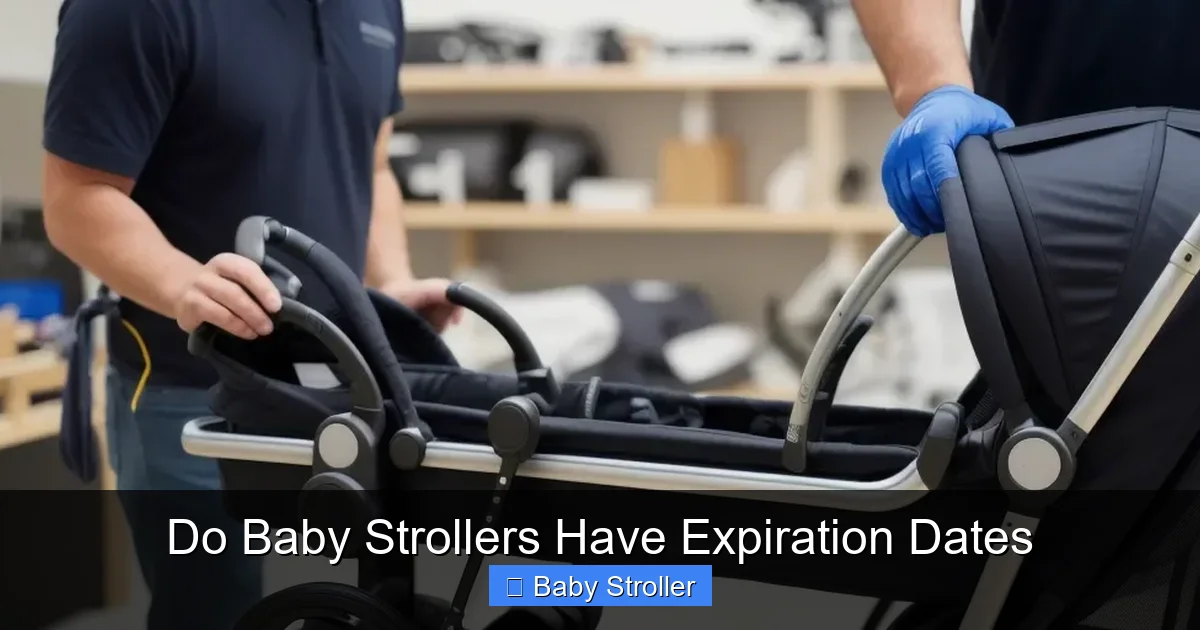
Visual guide about Do Baby Strollers Have Expiration Dates
Image source: stroller-envy.com
Materials degrade. Plastic components can become brittle and crack. Metal can fatigue or corrode. Fabrics fade and weaken. Plasticizers in older plastics can leach out. These changes happen slowly. You might not notice them day-to-day. That’s why proactive checks are so important.
Furthermore, safety standards are always improving. A stroller made 15 years ago met the standards of its time. But today’s standards are tougher. They cover stability, brake strength, harness integrity, and more. An older stroller might lack crucial safety upgrades.
How to Perform a Complete Stroller Safety Inspection
Your eyes and hands are your best tools. Do this inspection every few months, and always before using a stroller that’s been in storage.

Visual guide about Do Baby Strollers Have Expiration Dates
Image source: babyandbib.com
Step 1: Inspect the Frame and Structure
Start with the big picture. Open and close the stroller several times.
- Look for cracks, dents, or deep scratches, especially at welding points and folding joints.
- Check for rust or corrosion, particularly on steel tubes. Surface rust can be cleaned, but pitted, flaky rust weakens the metal.
- Feel for persistent wobbliness or looseness when the stroller is fully opened and locked. A slight flex is normal; a shaky frame is a red flag.
- Push down on the handlebar and seat. Everything should feel solid.
Step 2: Examine the Wheels, Swivels, and Brakes
These are high-wear items critical for control and safety.
- Spin each wheel. They should spin freely without excessive wobbling.
- Check wheel tread for extreme wear or bald spots.
- Test the swivel locks (if your stroller has them). They should engage and disengage smoothly.
- Test the brakes meticulously. Engage the brake on a slight incline. The stroller should not roll at all. Do this for both parking brakes and foot-operated brakes. Listen for any slipping or grinding sounds.
Step 3: Scrutinize the Harness, Buckle, and Canopy
These parts are your child’s primary restraint and protection.
- Inspect the entire five-point harness. Look for fraying, tearing, or thinning straps. Check where the straps connect to the stroller body.
- Test the buckle repeatedly. It should click securely every time and require a deliberate action to release. A sticky or loose buckle is a major failure point.
- Check the canopy fabric and its support rods. Make sure the fabric isn’t ripped and the rods aren’t bent or ready to snap.
Step 4: Check the Seat, Basket, and Accessories
Don’t overlook the smaller parts.
- Look at the seat fabric and padding for rips or compromised seams.
- Ensure the reclining mechanism works at all angles and locks securely.
- Test the weight limit of the storage basket. Make sure its attachments are solid.
- Check any add-ons like cup holders or trays for secure attachment.
Troubleshooting Common Stroller Aging Problems
Here’s what to do if you find issues during your inspection.
Visual guide about Do Baby Strollers Have Expiration Dates
Image source: babyandbib.com
Problem: Sticky or Hard-to-Use Brakes.
First, clean the brake mechanism of dirt, sand, and debris. If it’s still not working, it may need a professional repair or replacement part. Do not use a stroller with faulty brakes.
Problem: Wobbly Wheels.
Check if the wheel axle nut is tight. If the wheel itself is bent or the bearing is shot, you’ll likely need to replace the entire wheel assembly. Many manufacturers sell replacement wheels.
Problem: Fraying Harness Straps.
This is almost always a “replace or retire” situation. Contact the manufacturer to see if you can buy a new harness kit. If you can’t, the stroller is no longer safe.
Problem: Difficulty Folding/Unfolding.
Clean the joints and latches. Apply a silicone-based lubricant (not WD-40, which attracts dirt) to moving parts. If the mechanism is bent or damaged, stop using it. A stroller that collapses unexpectedly is extremely dangerous.
Guidelines for Buying a New vs. Used Stroller
This is where the “expiration” concept matters most.
Buying New
You get the full lifespan, the latest safety features, a warranty, and peace of mind. Register your new stroller with the manufacturer so you’ll be notified immediately of any recalls.
Buying Used: A Calculated Risk
If buying used, follow these rules:
- Prefer models under 5 years old. This increases the chance of getting modern safety features and less wear.
- Get the exact brand name and model number. Before buying, check the CPSC recall database.
- Perform the full safety inspection (above) in person. Don’t buy sight-unseen online.
- Ask about its history. Was it in a car accident? Stored in a damp garage? Used for multiple children? Assume the answer is “yes” to all if the seller is vague.
- Avoid strollers with any signs of frame damage, corrosion, or broken harnesses.
When Is It Definitely Time to Retire Your Stroller?
Sometimes, repair isn’t enough. Retire your stroller immediately if you see any of the following:
- A crack or bend in the main frame or folding joints.
- Brakes that fail to hold the stroller on an incline.
- A harness buckle that does not latch securely.
- Excessive, unfixable wobble that makes the stroller hard to steer.
- It was involved in a severe accident or impact.
- It has been subject to a safety recall that cannot be remedied with the provided repair kit.
- It is over 10 years old and shows significant wear. The risk of hidden material fatigue is too high.
How to Responsibly Dispose of an Old Stroller
Don’t just put it on the curb. Here are better options:
- Recycle: Disassemble it. Separate metal parts (frame, wheels) for scrap metal recycling. Check with your local waste authority for plastic recycling options.
- Donate Parts: Some organizations may want usable fabric seats or canopies.
- Manufacturer Take-Back: A few companies have recycling programs. Contact the manufacturer to ask.
- Proper Trash: If disposal is the only option, break it down so it doesn’t become a hazard for sanitation workers or tempt someone to reuse an unsafe product.
Conclusion
While your baby stroller doesn’t come with a printed expiration date, its lifespan is limited by use, time, and the environment. You are the ultimate judge of its safety. By making regular inspections a habit, understanding the signs of wear, and erring on the side of caution with older or secondhand models, you ensure every ride is a safe one. When in doubt, replace it. Your child’s safety is worth the investment in a new, reliable stroller that meets today’s highest safety standards.
🎥 Related Video: Car seat expiration dates
📺 Atlanta News First
Car seat.