
Is car seat bad for babys back is a common worry for parents. This guide explains what the evidence shows, how to fit a seat safely, and simple steps to protect a baby’s spine. Learn practical tips and troubleshooting advice to keep rides safe and comfortable.
Key Takeaways
- Point 1: Properly installed car seats are safe and do not generally harm a baby’s back.
- Point 2: Rear-facing seats support the head and spine best for infants.
- Point 3: Correct harness fit and recline angle reduce pressure and slumping.
- Point 4: Limit long, uninterrupted travel and take regular breaks to move and stretch.
- Point 5: Use only manufacturer-approved inserts and avoid extra padding that alters fit.
- Point 6: Watch for signs of discomfort and consult a pediatrician if you notice persistent issues.
Introduction
Many parents ask: is car seat bad for babys back? It is a fair question. Babies spend a lot of time in car seats. Parents worry about spine growth, posture, and comfort. This guide explains what research and experts say. You will learn how to fit a seat right. You will learn when to change position. You will learn how to spot problems. Follow the steps here for safer, more comfortable rides.
Step 1: Understand How Car Seats Affect a Baby’s Spine
Start with the basics. Car seats protect babies in crashes. They also shape how a baby sits and rests. Rear-facing seats support the head, neck, and back. They spread crash forces across the back. This is safer for an infant’s spine than forward-facing seats.

Visual guide about Is car seat bad for babys back Answers and Expert Tips
Image source: mamanloupsden.com
Why rear-facing matters
Rear-facing seats let the shell absorb impact. The car seat keeps the spine in a curved, protected position. Most experts recommend rear-facing until at least age two. This position is safer and often more supportive.
Normal baby spine shape
Babies have a natural C-shaped spine. It is normal. The spine straightens and curves as they grow. A car seat should support the natural C curve, not force a different shape.
Step 2: Pick the Right Car Seat for Age and Size
Choose a seat that fits your baby’s weight and length. Read labels and manuals. Use a rear-facing infant seat for newborns. Use a convertible seat to extend rear-facing time. Make sure the seat’s height and weight limits match your child.

Visual guide about Is car seat bad for babys back Answers and Expert Tips
Image source: images.genius.com
Infant vs. convertible seats
Infant seats are portable and fit small babies well. Convertible seats can stay rear-facing longer. Both types can be safe when used correctly.
Check for padding and support
Some seats include head and body inserts. Use only the manufacturer’s inserts. After a few months, you may remove extra padding if it causes the baby to slump. Slumping can stress the neck and spine.
Step 3: Install the Seat Correctly
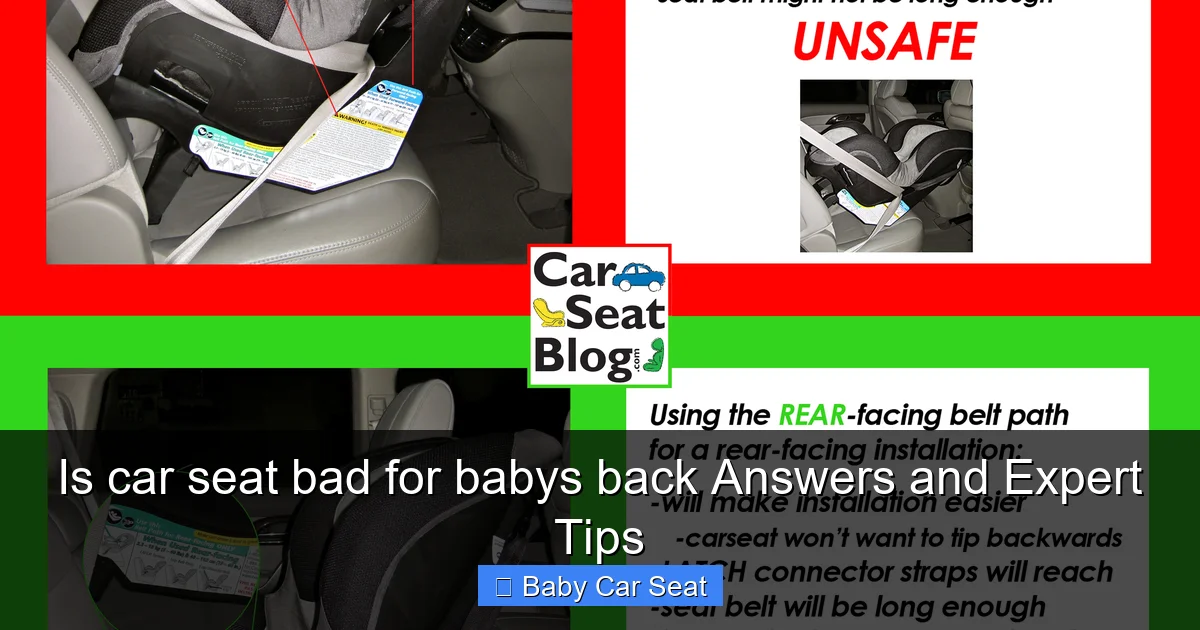
Installation is key. A poorly installed seat can allow the baby to slump. It can change the support the seat gives. Follow the instruction manual. Use either the seat belt or LATCH system. Do not use both unless the manual allows it.
Visual guide about Is car seat bad for babys back Answers and Expert Tips
Image source: i.pinimg.com
Rear-facing angle
Set the correct recline angle. Too upright can make a newborn’s head fall forward. Too reclined can change the way the back rests. Most seats have angle indicators. Use those to set the proper angle for your baby’s weight and age.
Check for tightness
After installation, test the seat. It should move less than one inch side to side at the belt path. Ask a certified car seat technician for help if you need it.
Step 4: Fit the Harness and Straps Properly
A proper harness keeps the baby snug. It helps keep the baby in the right position. The straps should lie flat and be snug. The chest clip should sit at armpit level. Wrong harness fit can let the baby slump or slip forward.
Harness snugness test
Use the pinch test. With the harness snug, you should not be able to pinch any webbing at the shoulder. If you can, tighten the harness.
Shoulder strap placement
For rear-facing, shoulder straps should be at or just below the shoulder. This supports the upper back and neck.
Step 5: Avoid Extra Inserts and Aftermarket Products
Many parents add soft inserts, pillows, or wedges. These can alter the harness fit and the angle. They may create gaps or pressure points. Use only items that come with the seat or are approved by the maker.
Approved vs. aftermarket
If you need more support, contact the car seat maker. They may offer approved inserts for your model. Avoid adapting household items like towels or blankets to prop the baby.
Step 6: Manage Ride Time and Take Breaks
Long trips can make any baby stiff. Limit long, uninterrupted time in the seat. Plan breaks every 1.5 to 2 hours. Take the baby out and hold them upright. Let them stretch and change position.
When to stop
On long trips, stop more often. Even a short walk or holding the baby upright for a few minutes helps. Use these breaks to feed, change, and move the baby’s limbs gently.
Step 7: Watch for Signs of Discomfort or Slumping
Check the baby often. Look for chin-to-chest posture. This is when the head falls forward and presses toward the chest. It can make breathing hard and stress the neck. Also look for red marks, crying, or unusual posture.
What is slumping?
Slumping is when the baby’s torso bends forward. It may block airways or add pressure to the spine. If your baby slumps, stop the trip if safe. Adjust the seat, harness, or angle.
Step 8: Strengthen Back Muscles Outside the Car
Time out of the car is important. Let the baby lie on their tummy when awake. Tummy time builds neck and back muscles. Hold your baby upright on your shoulder. These moves help the spine develop and tolerate car seat use better.
Simple daily activities
- Short tummy time sessions several times a day.
- Carry the baby in a front-facing carrier for short periods when they are awake.
- Encourage reaching and gentle play that promotes core strength.
Step 9: Use Correct Car Seat Transition Timing
Do not rush to move the baby to forward-facing seats. Many crashes show that rear-facing is safer for the spine. Stay rear-facing as long as your seat allows. Follow the weight and height limits. Transition when the baby outgrows the rear-facing limits.
Signs it’s time to change
The baby’s head is above the top of the seat shell. The baby’s shoulders are above the harness slots. The weight or height limit of the seat is reached.
Step 10: When to See a Pediatrician or Specialist
If you worry about the baby’s back, talk to your doctor. Seek help if you see odd signs. These include constant arching, poor breathing, or extreme discomfort in the seat. A pediatrician can assess growth and spine health. They can also refer you to a pediatric physical therapist if needed.
What a doctor might check
They will look at posture, reflexes, and spinal alignment. They may ask about time spent in the car seat. They will provide tailored advice and exercises if needed.
Practical Tips and Examples
Here are simple tips you can use today:
- Example: For a newborn who slumps, recline the seat slightly more and check the harness. Use only the seat’s approved insert for small babies.
- Tip: On a long drive, plan a 10-minute break every hour and a half. Use the time to feed and do tummy time on a blanket.
- Example: If your baby’s chin falls to their chest, pause the trip and adjust the angle or harness. If you cannot fix it, ask a technician for help with installation.
Troubleshooting
Problems happen. Here are common issues with fixes.
Problem: Baby’s head falls forward
Fix: Check the recline angle. Add the manufacturer-approved infant insert. Ensure straps are snug and the chest clip is at armpit level.
Problem: Baby slumps in the seat
Fix: Tighten the harness. Reinstall the seat at the correct angle. Try a different seat model with more side support if slumping persists.
Problem: Seat feels hot and stiff
Fix: Use a breathable, sun-protective cover. Remove thick blankets. On long trips, remove the baby from the seat during breaks to avoid overheating.
Evidence and Expert Views
Research generally shows that car seats protect the spine in crashes. They do not cause lasting harm when used correctly. Experts stress proper fit, rear-facing use, and limiting long stints. Pediatricians recommend tummy time and strength-building outside the car.
In short, the seat itself is not usually bad for a baby’s back. Misuse, poor fit, and long uninterrupted time are the main risks.
Common Myths
Myth: Any time in a car seat is bad for the spine. Fact: Short, supervised trips are fine when the seat fits well.
Myth: Soft padding always helps. Fact: Extra padding can change fit and angle and may be unsafe.
Conclusion
So, is car seat bad for babys back? In most cases, no. A properly chosen and installed car seat supports a baby’s spine. It protects in a crash. The real issues come from poor fit, wrong angle, and too much time without breaks. Use a rear-facing seat as long as possible. Check harness fit often. Take regular breaks. Do tummy time and carry the baby upright when awake. Watch for signs of slumping or discomfort. If you see persistent problems, talk to your pediatrician. With the right steps, car travel can be safe and gentle for your baby’s back.
🎥 Related Video: Why Puffy Jackets Are Dangerous In Car Seats 😨
📺 Zack D. Films
