
Knowing when to turn your baby car seat face forward is crucial for your child’s safety. This guide explains the key age, weight, and height requirements to ensure a secure transition. Follow our steps to make the switch safely and confidently.
Key Takeaways
- Safety First: Always prioritize manufacturer guidelines and local laws over convenience or assumptions.
- Age and Size Matter: The minimum age is 2 years, but weight and height are often more critical factors for forward-facing.
- Proper Installation is Key: A correctly installed forward-facing car seat reduces injury risks significantly.
- Check Developmental Milestones: Ensure your child can sit upright comfortably without slouching before switching.
- Avoid Common Mistakes: Don’t rush the transition based on age alone; use all safety criteria.
- Regular Monitoring: Continuously assess your child’s fit in the car seat as they grow.
- Consult Experts: Seek help from certified child passenger safety technicians if unsure about installation or timing.
Discover When Baby Car Seat Face Forward Is Recommended: Your Complete Guide
As a parent, your child’s safety is your top priority. One big question often pops up: when should your baby car seat face forward? It’s not just about age. It’s about size, development, and safety rules. This guide will walk you through everything. You’ll learn the right time to make the switch. We’ll cover steps, tips, and common mistakes. By the end, you’ll feel confident and informed. Let’s dive in!
Understanding Car Seat Safety: Why Direction Matters
Car seats are designed to protect kids in crashes. The direction they face is crucial. Rear-facing seats support the head, neck, and spine. Forward-facing seats use harnesses to restrain the body. Knowing when to change directions can save lives. We’ll explain the science simply. Then, we’ll help you apply it to your child.
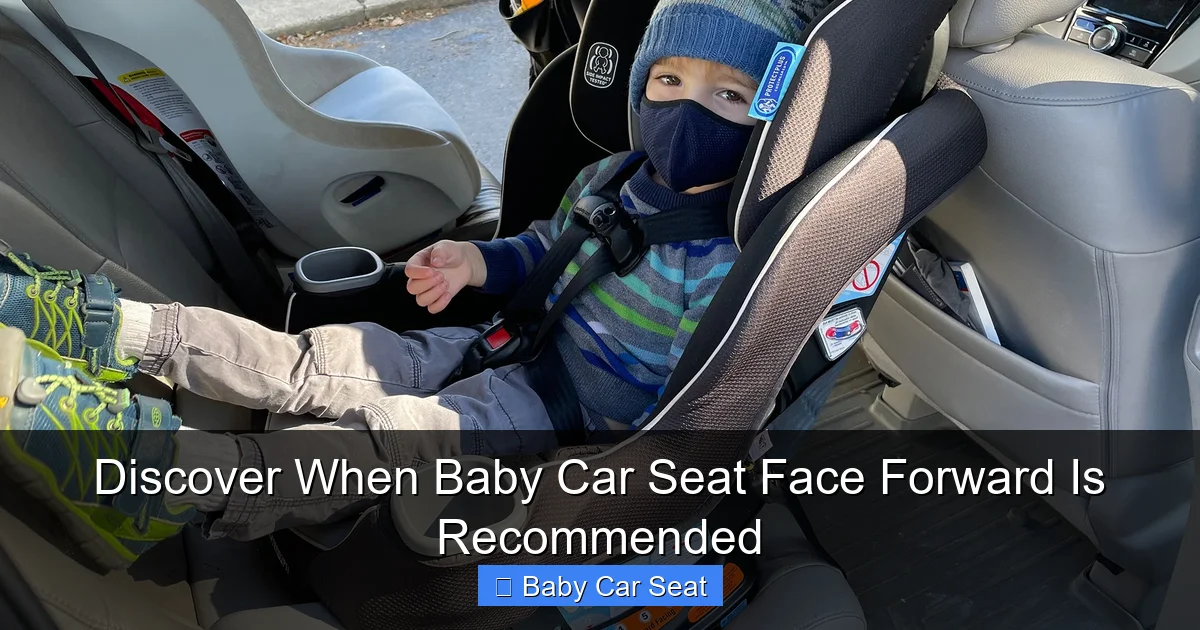
Visual guide about Discover When Baby Car Seat Face Forward Is Recommended
Image source: cdn.thewirecutter.com
Most experts agree: rear-facing is safer for longer. It spreads crash forces across the back. This protects fragile body parts. When you turn the seat forward, the harness holds the child. But the neck and head get more stress. That’s why timing is key. You want to wait until your child is ready. This guide focuses on when baby car seat face forward becomes the best choice.
When Is It Safe to Turn the Car Seat Forward?
This is the core of our guide. Don’t rely on guesswork. Use clear guidelines from safety groups. We’ll break it down step by step.

Visual guide about Discover When Baby Car Seat Face Forward Is Recommended
Image source: chiccousa.com
Check the Age Requirement
Age is one factor. The American Academy of Pediatrics says: keep kids rear-facing until at least 2 years old. Some states have laws based on this. But age alone isn’t enough. Always combine it with size. If your child turns 2 but is still small, wait. The goal is to maximize rear-facing time. So, think of age as a minimum. It’s a starting point for when baby car seat face forward might be okay.
Meet the Weight and Height Limits
Weight and height are often more important. Check your car seat manual. Every model has specific limits. For forward-facing, your child must meet the minimum weight. Usually, it’s 22 to 30 pounds. But some seats allow 20 pounds. Height matters too. Your child’s head must be at least 1 inch below the top of the seat shell. If they exceed rear-facing limits, it’s time to switch. This ensures the harness fits right. Never guess these numbers. Use a scale and measuring tape.
Look for Developmental Signs
Is your child comfortable rear-facing? Can they sit upright without slouching? These signs matter. If they’re cramped or unhappy, check size limits first. Sometimes, a bigger rear-facing seat helps. But if they meet all criteria, forward-facing may work. Also, ensure they can follow simple instructions. This helps with safety in the car. Developmental readiness supports a smooth transition when baby car seat face forward.
Step-by-Step Guide to Transitioning to Forward-Facing
Once you’ve checked age, size, and development, follow these steps. Take your time. Do it right.
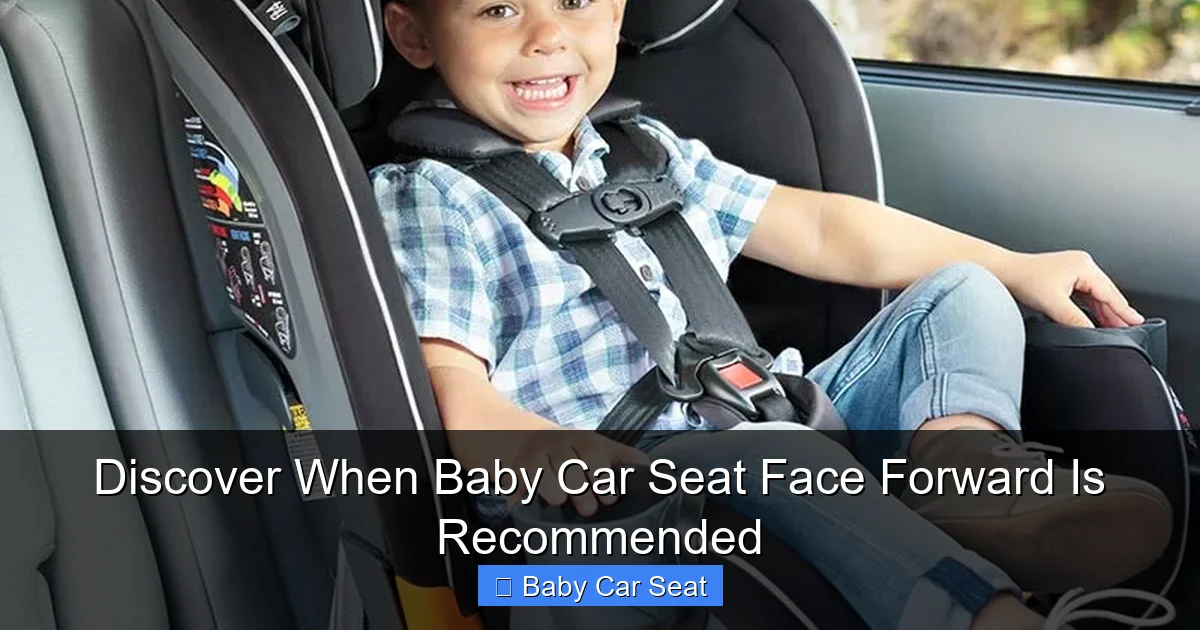
Visual guide about Discover When Baby Car Seat Face Forward Is Recommended
Image source: chiccousa.com
Step 1: Review Your Car Seat Manual
Don’t skip this! Your manual has exact instructions. It tells you how to adjust the seat. It lists weight and height limits. Keep it handy. If you lost it, download it online. This step prevents errors.
Step 2: Gather Your Tools
You might need a seat belt or LATCH system. Have a level indicator ready. Some seats come with built-in levels. Also, get a towel or pool noodle if needed for angle adjustment. Preparation makes installation easier.
Step 3: Adjust the Harness and Straps
Before installing, set the harness. For forward-facing, straps should be at or above the shoulders. Check the manual for how to change them. Also, ensure the chest clip is at armpit level. This keeps your child secure when baby car seat face forward.
Step 4: Install the Seat in Your Vehicle
Follow your manual’s installation method. Use either LATCH or seat belt. Tighten the strap until the seat moves less than an inch side-to-side. Recline angles differ from rear-facing. Aim for upright as per instructions. We’ll detail installation next.
Step 5: Do the Final Safety Checks
Test the harness tightness. You shouldn’t pinch any slack at the shoulders. Ensure the seat is firmly installed. Double-check that your child fits well. Their back should be against the seat. Knees bent comfortably. Now you’re set!
How to Install a Forward-Facing Car Seat Correctly
Installation is critical. A poorly installed seat won’t protect well. Let’s go through the process.
Choose the Right Spot in Your Car
The back seat is safest. Middle is best if possible. But use the spot where you get a tight install. Check your vehicle manual too. Some seats have rules for forward-facing placement.
Use LATCH or Seat Belt System
LATCH stands for Lower Anchors and Tethers for Children. It’s easy to use. But it has weight limits. Often, 65 pounds total (child plus seat). After that, switch to seat belt. For seat belt, lock it by pulling it all the way out. Then, let it retract. Follow your manual closely.
Engage the Top Tether
This is a strap at the top of the seat. It connects to an anchor in your car. It reduces forward movement in a crash. Always use it when baby car seat face forward. Find the anchor in your vehicle. It might be on the seat back or ceiling. Attach and tighten it.
Check for Movement and Angle
Once installed, grab the seat at the belt path. Shake it side-to-side and front-to-back. It should not move more than an inch. Use a level if needed for angle. Most forward-facing seats should be upright. Refer to your manual for specifics.
Tips for Ensuring a Safe Forward-Facing Experience
After installation, keep these tips in mind. They enhance safety daily.
Dress Your Child Properly
Bulky coats can compress in a crash. This loosens the harness. Instead, use thin layers. Put a blanket over the harness if cold. Always buckle the harness snugly over clothes.
Regularly Inspect the Seat
Check for wear and tear. Look at straps, buckles, and the shell. Ensure nothing is frayed. Clean spills promptly but follow manual instructions. A well-maintained seat lasts longer.
Monitor Your Child’s Growth
Kids grow fast. Measure weight and height every few months. Ensure they don’t exceed the forward-facing limits. When they do, move to a booster seat. Staying proactive keeps them safe when baby car seat face forward.
Lead by Example
Always wear your seatbelt. Kids mimic parents. Make car safety a habit. Talk about why the car seat is important. This encourages cooperation.
Troubleshooting Common Issues
Problems can arise. Here’s how to fix them.
Issue: Car Seat Moves Too Much
Solution: Tighten the installation. Kneel into the seat while pulling the strap. Use your body weight to compress it. Ensure you’re at the correct belt path. If using LATCH, check anchor points.
Issue: Harness is Too Loose or Tight
Solution: Adjust the straps. For looseness, tighten the harness adjuster. For tightness, loosen it and rethread if needed. The pinch test helps: if you can pinch strap material at the shoulder, it’s too loose.
Issue: Child Slouches or Escapes
Solution: Check harness height and tightness. Ensure the chest clip is correct. If slouching, add rolled towels at the sides for support. Never use aftermarket products not approved by the manufacturer.
Issue: Top Tether is Hard to Reach
Solution: Look for anchors behind seats or on the floor. Consult your vehicle manual. If missing, contact dealership for installation. Don’t skip the tether; it’s vital when baby car seat face forward.
Conclusion: Prioritize Safety Every Step of the Way
Knowing when baby car seat face forward is recommended is a big deal. It’s not just a milestone. It’s a safety decision. Use age, weight, and height as your guides. Always follow your car seat manual. Install the seat tightly. Use the top tether. And keep checking as your child grows.
You’re now equipped with all the info. Take action today. Review your child’s stats. Check your car seat manual. If in doubt, seek help from a certified technician. Your care makes all the difference. Safe travels!
🎥 Related Video: Forward Facing Child Car Seat Installation
📺 First Time Father
Quick and Easy How To Install A Car Seat! In 90 seconds I show you exactly how to SAFELY fit a child seat in your car. The car …
