
Baby car seats expire, typically 6-10 years after manufacture, and using an expired seat is a serious safety risk. This guide explains how to find your seat’s expiration date, the key reasons behind expiry, and the crucial steps to take when your seat reaches its limit. Protecting your child means respecting this non-negotiable safety deadline.
Key Takeaways
- All Car Seats Expire: Every car seat has an expiration date, typically 6 to 10 years from manufacture. It is a non-negotiable safety rule.
- Material Degradation is the Main Cause: Plastics and other materials weaken over time due to temperature changes, stress, and UV exposure, compromising protection in a crash.
- Find the Date on the Seat: Locate the expiration date or manufacture date on a label on the seat’s shell, often under the seat or on the back.
- Never Use an Expired Seat: Using an expired car seat is dangerous and may violate local laws. It should be taken out of service immediately.
- Dispose of it Properly: To prevent unsafe reuse, render an expired seat unusable by cutting straps and recycling components if possible before disposal.
- Register Your Seat: Always register your new car seat with the manufacturer to receive critical safety update and recall notifications.
When Do Baby Car Seats Expire? Your Complete Safety Guide
As a parent, your child’s safety is your top priority. You buy the best car seat, install it with care, and buckle them in for every trip. But did you know that car seat has an expiration date? Just like the food in your pantry, car seats have a limited shelf life for safety. Using an expired car seat is a risk no parent should take.
This guide will walk you through everything you need to know. We will cover how to find the date, why seats expire, and what to do next. Let’s make sure your little one is always protected.
How to Find Your Car Seat’s Expiration Date: A Step-by-Step Search
Your first task is to play detective. The expiration date is always on the car seat itself. It is not on the box. The box is often long gone. So, let’s find it.

Visual guide about When Do Baby Car Seats Expire Crucial Safety Information
Image source: chiccousa.com
Step 1: Look for the Label
Take the car seat out of your vehicle. Find the manufacturer’s label. This white label has lots of important information. It is usually sewn into the cover or stuck onto the plastic shell.
Common places to check are:
- On the back of the seat: Look at the back of the plastic shell.
- Underneath the seat: Turn the seat over and check the bottom.
- Behind the harness area: Sometimes it’s tucked behind where the child sits.
- On the side of the shell: Check the lower sides near the belt path.
Step 2: Decode the Information
On that label, you will see one of two things:
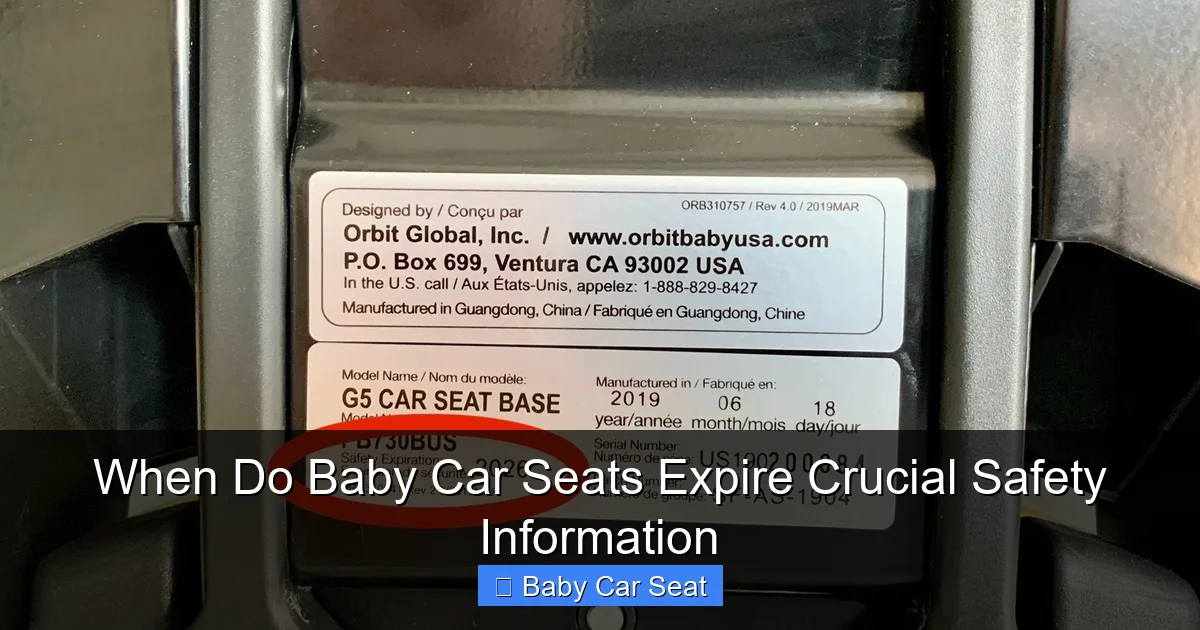
- A Clear Expiration Date: Some labels plainly state “Do not use after [MONTH/YEAR]”. This is the easiest find.
- A Manufacture Date: More often, you will find the date the seat was made. It might look like “MFD: 05/2022” or have a long serial number with the date embedded. You will then need to add the seat’s lifespan to this date.
Step 3: Calculate if You Have a Manufacture Date
If you only have a manufacture date, you need to know the seat’s lifespan. How long is it good for?
- Check the manual: Your car seat manual will state the expiration period, usually 6, 7, 8, or 10 years.
- Look on the manufacturer’s website: Can’t find the manual? Search the seat’s model name and number online. The product page or support section will list its lifespan.
- Call the manufacturer: Their customer service can give you the exact lifespan for your model.
Example: Your seat was made in June 2018 (MFD: 06/2018). The manual says it expires 8 years after manufacture. Its expiration date is June 2026.
Why Do Car Seats Expire? The Science of Safety
This is not a marketing ploy. Car seats expire for solid, science-based safety reasons. Understanding “why” helps us respect the “when.”
Visual guide about When Do Baby Car Seats Expire Crucial Safety Information
Image source: support.orbitbabyusa.com
Reason 1: Plastic Degrades Over Time
The shell and base of your car seat are made of high-impact plastic. Think about a plastic toy left in the sun for years. It becomes brittle and cracks. The same thing happens to car seat plastic, but you can’t always see it.
Inside your hot and cold car, the plastic expands and contracts. Over many years, this stress makes it weaker. In a crash, a weakened shell might not hold together. It could crack and fail to protect your child.
Reason 2: Weakened Harness Straps and Padding
The harness system takes immense force in a collision. The straps are made from strong fibers. But with years of use, sunlight, and cleaning, these fibers break down.
They can fray from the inside where you can’t see. The foam padding that absorbs energy also compresses and loses its effectiveness. An old harness might not restrain your child properly.
Reason 3: Outdated Safety Standards and Technology
Car seat safety is always improving. A seat made 10 years ago was built to the safety standards of that time. Since then, new research, better materials, and improved designs have come out.
An expired seat misses these critical updates. It also may not fit newer car models correctly. Using an old seat means missing out on modern life-saving technology.
Reason 4: Missing Parts and Recall Issues
Over a long life, pieces can get lost. Covers, buckle tongues, or locking clips go missing. Using a seat without all its original parts is unsafe.
Also, if a seat is very old, it might have been part of a safety recall. The company may no longer support that model with replacement parts. You cannot fix a recalled, expired seat.
What to Do When Your Car Seat Expires: Your Action Plan
You found the date. Your seat has expired, or it will soon. Do not panic. Follow this simple action plan.
Visual guide about When Do Baby Car Seats Expire Crucial Safety Information
Image source: advisorwheels.com
Step 1: Take It Out of Service Immediately
The rule is simple. Never use an expired car seat. Not for one more trip. Not for a cousin. Not as a spare. Its safety can no longer be trusted. Remove it from your car today.
Step 2: Decide on Disposal or Recycling
You must make sure no one else can use this unsafe seat. Do not donate it or sell it. Do not leave it on the curb where someone might take it.
Here is how to properly retire a seat:
- Cut the Harness Straps: Use heavy-duty scissors or a knife. Cut the shoulder straps and crotch strap into several pieces.
- Write “Expired” or “Unsafe” on It: Use a permanent marker. Write this clearly on the plastic shell and the fabric cover.
- Separate Components: Take off the fabric cover. Remove the metal harness adjuster and buckle if you can.
- Check for Recycling: Some communities have special recycling programs for car seat plastic. Search online for “car seat recycling near me.” Organizations like TerraCycle sometimes offer mail-in programs.
- Dispose with Your Trash: If recycling isn’t an option, put the disassembled, marked pieces in your regular trash. Take the seat to the dump yourself if needed.
Step 3: Choose a New Car Seat
Now you get to pick a new, safe seat for your child. Make sure it fits your child’s current height and weight. Check that it fits well in your vehicle. Look for a seat with a clear, future expiration date that gives you plenty of use. And always, always register your new seat with the manufacturer.
Troubleshooting Common Car Seat Expiry Questions
Let’s solve some tricky situations you might face.
“I Can’t Find the Date or Label!”
If the label is faded or torn off, your seat is unusable. You cannot verify its age or safety. You must stop using it. Contact the manufacturer with the model number. They might be able to tell you the lifespan based on the model. But without a date, you cannot confirm it hasn’t expired. Safety first. Replace it.
“My Seat Was in a Minor Crash. Does It Expire Sooner?”
Yes. A car seat involved in any crash, even a minor fender-bender, needs to be replaced immediately unless the manufacturer’s guidelines state otherwise (and most require replacement after any crash). The stress from the crash forces can damage the seat’s integrity, making the expiration date irrelevant. Check your manual for the specific crash replacement policy.
“I Bought a Second-Hand Seat. What Now?”
This is very risky. You must be certain of its full history. Before you buy or accept a used seat:
- Find and check the expiration date.
- Make sure it has all original parts and the manual.
- Verify it has never been in a crash.
- Check for recalls on the manufacturer’s website.
If you cannot confirm all these points, do not use the seat. The small savings are not worth the huge risk.
Conclusion: Safety Has an Expiration Date
Your baby’s car seat is the most important piece of safety equipment you own. Just like you wouldn’t drive a car with worn-out brakes, you should never use a car seat past its expiration date. The materials inside are designed to protect for a specific number of years. After that, their strength is a question mark.
Make it a habit today. Find the date on your current seat. Mark the expiration on your family calendar. Plan for its replacement. When that day comes, retire it with care so it can’t harm another child. This simple act is a powerful way to say “I love you” on every car ride. Your child’s safety is always worth it.
🎥 Related Video: Why Do Car Seats Expire, And When Should You Replace Them? – Child Illness Disease Guide
📺 Child Illness Disease Guide
Why Do Car Seats Expire, And When Should You Replace Them? Have you ever wondered why car seats have an expiration …
