
Choosing the safest baby car seat is vital for your child’s safety. This guide provides step-by-step instructions on evaluating safety standards, selecting the right type, and ensuring proper installation. Follow our advice to make an informed decision and secure your little one on every journey.
Key Takeaways
- Safety Standards are Non-Negotiable: Always choose a car seat that meets or exceeds FMVSS 213 and has high NHTSA ratings for optimal crash protection.
- Type Matters for Age and Size: Select the right car seat type—infant, convertible, or all-in-one—based on your child’s age, weight, and height for a secure fit.
- Key Features Enhance Protection: Look for side-impact protection, a five-point harness, and energy-absorbing foam to reduce injury risks in accidents.
- Proper Installation is Critical: Even the safest car seat fails if installed incorrectly. Use LATCH or seat belt securely and get it checked by a professional.
- Fit Your Child Correctly: Ensure the harness straps are at the right height and snug, with the chest clip at armpit level, to keep your child safe.
- Consider Long-Term Use and Value: Think about adjustability, cleaning ease, and expiration dates to maximize safety and investment over time.
- Stay Informed on Recalls: Register your car seat and monitor for recalls to address any safety issues promptly.
Introduction: Your Journey to Finding the Safest Baby Car Seat
Hello, caring parent! Welcome to your guide on discovering which baby car seat is safest for your child. We know you want the best protection for your little one on the road. With so many options, it can feel overwhelming. But don’t worry! This guide will walk you through everything. You’ll learn about safety standards, car seat types, key features, and installation tips. By the end, you’ll feel confident picking the safest baby car seat. Let’s get started!
Step 1: Understand Safety Standards and Ratings
First things first: safety standards and ratings are your foundation. They tell you if a car seat is built to protect. Ignore them, and you might choose a seat that looks good but isn’t safe. Here’s how to navigate them.
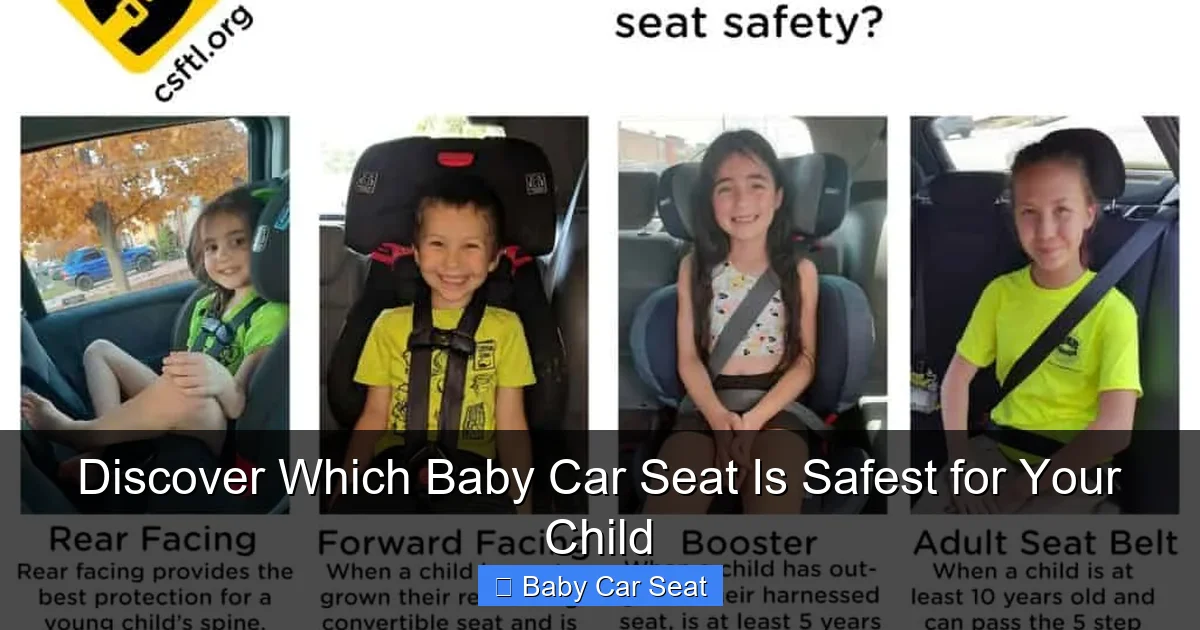
Visual guide about Discover Which Baby Car Seat Is Safest for Your Child
Image source: csftl.org
Look for FMVSS 213 Compliance
All car seats sold in the U.S. must meet Federal Motor Vehicle Safety Standard (FMVSS) 213. This rule sets minimum crash test requirements. It covers things like harness strength and head protection. But the safest baby car seats often go beyond this. They include extra features for better safety. Always check the label for FMVSS 213. It’s a basic must-have.
Check NHTSA Ease of Use Ratings
The National Highway Traffic Safety Administration (NHTSA) rates car seats. They use a five-star system. Stars are based on ease of use. This includes installation, labeling, and securing your child. A seat with five stars is user-friendly. That means you’re more likely to install it right. And proper installation means better safety. Visit the NHTSA website to compare ratings.
Consider IIHS Recommendations
The Insurance Institute for Highway Safety (IIHS) also tests car seats. They focus on crash performance and ease of use. IIHS recommends seats that excel in both. Look for their “Best Bet” or “Good Bet” picks. These seats are among the safest on the market. It’s a trusted source for extra peace of mind.
Practical Tip: Always buy new car seats. Used seats might have hidden damage. They could also be expired. New seats ensure you get the latest safety features and a full lifespan.
Step 2: Choose the Right Type of Car Seat
Car seats come in different types. Each is designed for specific ages and sizes. Picking the right type is key to safety. Here’s a breakdown to help you decide.
Visual guide about Discover Which Baby Car Seat Is Safest for Your Child
Image source: newhealthguide.org
Infant Car Seats
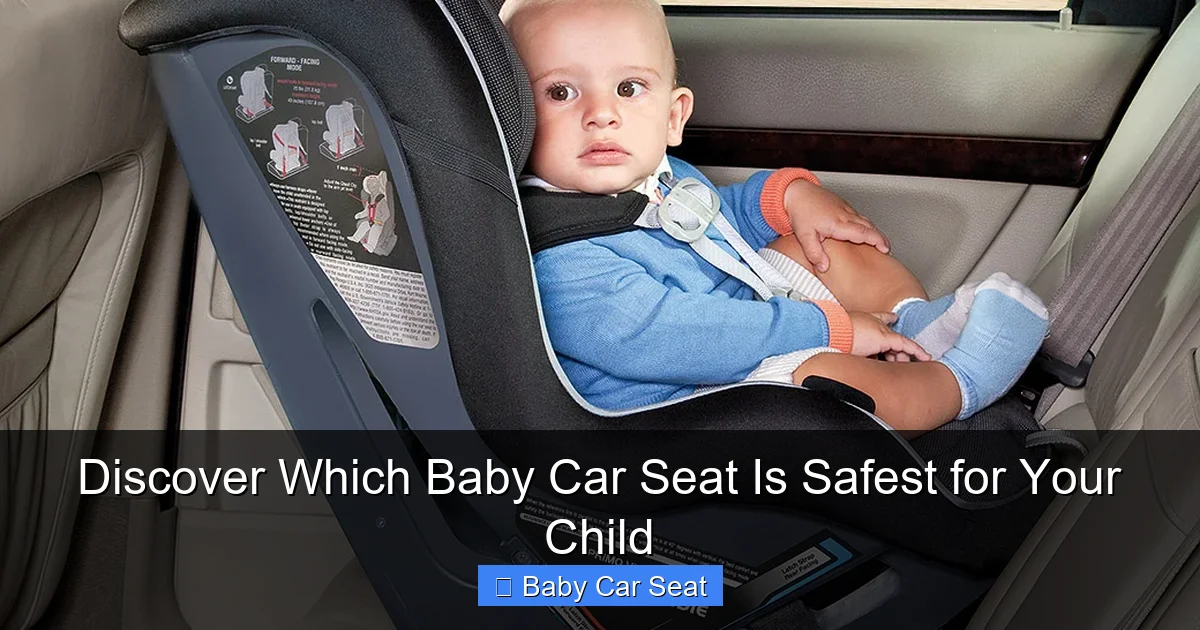
These are rear-facing only seats. They are perfect for newborns and small babies. Infant seats usually have a handle for carrying. They fit babies from 4 to 35 pounds, depending on the model. The safest baby car seat for infants is one that’s rear-facing. It supports their head, neck, and spine in a crash. Use it until your child reaches the height or weight limit.
Convertible Car Seats
Convertible seats can be used rear-facing and forward-facing. They start rear-facing for infants. Then, you switch to forward-facing for toddlers. They often hold kids up to 65 pounds or more. Convertible seats are great for long-term use. But they are bulkier. Make sure they fit your car when rear-facing.
All-in-One Car Seats
Also called 3-in-1 seats, these work rear-facing, forward-facing, and as boosters. They grow with your child from infancy to big kid stage. All-in-one seats offer value. But check the size. They might not fit well in smaller cars. Also, ensure each mode meets safety standards.
Example: If you have a newborn, an infant car seat is often the safest start. It’s lightweight and portable. As your child grows, switch to a convertible or all-in-one seat. This way, you always have the right fit.
Step 3: Evaluate Key Safety Features
Beyond standards, look for features that boost safety. These add-ons can make a big difference in a crash. Here are the top ones to consider.
Visual guide about Discover Which Baby Car Seat Is Safest for Your Child
Image source: kenyanmagazine.co.ke
Side-Impact Protection
Side crashes are common and dangerous. Side-impact protection adds extra padding or structure to the sides of the seat. It shields your child’s head and body. Look for deep head wings or energy-absorbing materials. This feature is a must for the safest baby car seat.
Five-Point Harness
A five-point harness has five straps: two at the shoulders, two at the hips, and one between the legs. It spreads crash forces evenly across the body. This reduces injury risk. Always choose a seat with a five-point harness over a three-point one.
Energy-Absorbing Foam
Foam like EPS (expanded polystyrene) or EPP (expanded polypropylene) absorbs energy during a crash. It cushions your child and reduces impact. Check the product details for this foam. It’s often in the headrest and sides.
Adjustable Headrest and Harness
Kids grow fast! An adjustable headrest and harness let you adapt the seat. Look for a no-rethread harness. This allows you to adjust height without taking straps out. It makes sure the harness is always at the right level for your child’s shoulders.
Tip: Test the harness adjuster in the store. Pull the strap to tighten. It should be smooth and easy to do with one hand. A stiff adjuster might lead to loose harnesses.
Step 4: Ensure Proper Fit and Installation
The safest baby car seat won’t work if it’s not installed right. Proper fit is crucial for your child and your car. Follow these steps to get it perfect.
Measure Your Child
Before buying, know your child’s weight, height, and age. Check the car seat’s limits. Never use a seat if your child exceeds these limits. For rear-facing, keep your child in that position as long as possible. It’s the safest.
Use the LATCH System or Seat Belt
Most cars have LATCH (Lower Anchors and Tethers for Children). It makes installation easier. Use the lower anchors for the base and the tether for forward-facing. If your car doesn’t have LATCH, use the seat belt. Ensure it’s threaded correctly and tight.
Get a Professional Check
Even if you think it’s right, get a check. Many fire stations, police departments, or car seat clinics offer free checks. A certified technician will verify your installation. It’s a quick way to ensure safety.
Example: When installing, push down on the car seat while tightening the belt. Use your body weight. The seat should not move more than an inch side-to-side or front-to-back. That’s the gold standard.
Step 5: Consider Ease of Use and Long-Term Value
Safety isn’t just about crashes. Ease of use ensures you’ll use the seat correctly every time. Long-term value means it lasts and stays safe. Here’s what to think about.
Adjustability and Comfort
Look for seats with multiple recline positions. This helps your child sleep comfortably. Also, check the padding. Soft, breathable fabrics prevent overheating. A comfy child is happier and safer.
Cleaning and Maintenance
Car seats get messy from spills and snacks. Choose a seat with removable, machine-washable covers. It makes cleaning easy. Regular cleaning keeps the seat in good condition.
Expiration Dates
Car seats expire! Plastic and materials degrade over time. The expiration date is usually on a label. It’s often 6-10 years from manufacture. Never use an expired seat. It might not protect in a crash.
Tip: Register your car seat with the manufacturer. You’ll get recall notices and safety updates. It’s a simple step to stay informed.
Troubleshooting Common Issues
Sometimes, problems pop up. Don’t panic! Here are solutions to common car seat issues.
Car Seat Moves Too Much
If the seat moves more than an inch, it’s loose. Reinstall it. Use the LATCH or seat belt again. Apply pressure while tightening. Make sure the car is on level ground. If it still moves, try a different seating position in the car.
Harness Straps Are Twisted
Twisted straps can hurt your child and reduce safety. Always untwist them before buckling. Run your fingers along the straps to check. Do this every time you use the seat.
Child Slouching or Slumping
If your child slouches, adjust the recline angle. For rear-facing seats, use the built-in recline indicator. For forward-facing, ensure the seat is upright. You can also use rolled towels or pool noodles under the base if the manual allows. Never add aftermarket products unless approved.
Remember: When in doubt, read the manual. It has specific advice for your car seat model. You can also contact the manufacturer for help.
Conclusion: Your Path to Peace of Mind
You’ve made it! Now you know how to discover which baby car seat is safest for your child. Start with safety standards. Pick the right type. Look for key features. Ensure proper fit and installation. Think about ease of use and value. Remember, the safest baby car seat fits your child, your car, and is used correctly every trip. Take your time, do your research, and trust your instincts. Your child’s safety is worth it. Drive safely and enjoy the journey ahead!
🎥 Related Video: Infant Car Seats vs. Convertible Car Seats – Babylist
📺 Babylist
Confused about the difference between an infant and convertible car seat? Babylist Scout Laura breaks it down to help you …
