

If your little one is refusing the bottle, this guide explains common causes and clear fixes. You’ll learn simple checks, feeding techniques, and step-by-step plans to help your baby accept the bottle again. Calm, practical steps make change easier for both baby and parent.
Introduction
If you asked, “why baby refusing bottle,” you are not alone. Many parents face this issue. This guide will help. You will learn why this happens and what to try. The steps are simple. They are practical. They are kind to your baby and you.
Key Takeaways
- Point 1: Many reasons explain why baby refusing bottle — from small health issues to preferences and feeding technique.
- Point 2: Start with basic checks: temperature, flow, nipple shape, and recent illness.
- Point 3: Simple changes to bottle, milk, or position often solve the problem quickly.
- Point 4: Use calm, short sessions and alternate caregivers to ease the transition.
- Point 5: If problems continue, see a pediatrician to rule out reflux, tongue tie, ear infection, or allergies.
- Point 6: Be patient. Slow, steady steps work better than pressure. Small wins build confidence.
Step 1: Understand common reasons why baby refusing bottle
There are many causes. Some are easy to fix. Some need a doctor. Knowing the likely reasons helps you choose the right step.
Hunger and timing
Babies have moods and schedules. If you try to feed when baby is sleepy or too upset, they may refuse. Try when baby is calm and mildly hungry. This is one reason parents wonder why baby refusing bottle during a meltdown.
Nipple flow and shape
The bottle nipple can be the problem. Flow too fast can choke a baby. Flow too slow can frustrate them. The shape can feel different from the breast. If you see your baby pull off or fuss, try a different nipple.
Milk taste or temperature
Milk that tastes different can be rejected. Pumped breast milk sometimes has a different smell. Formula brand changes can be noticeable. Temperature matters too. Babies often prefer milk warm, close to body temp.
Pain, illness, or discomfort
Ear infections, sore throat, teething, reflux, or a stuffy nose make feeding hard. These can make a baby refuse. If baby seems in pain, check with your pediatrician.
Oral issues
Tongue tie or lip tie can make sucking hard. These issues may cause repeated refusal. Ask a lactation consultant or doctor if you suspect a tie if you keep thinking “why baby refusing bottle.”
Preference for breastfeeding
Some breastfed babies strongly prefer breastfeeding. They like the closeness and the way milk flows there. That can make them refuse a bottle. Gentle changes can help.
Developmental stages
Babies change fast. Growth spurts, teething, or a new skill can briefly change feeding patterns. A phase can cause refusal for a few days.
Step 2: Quick health checks to rule out medical causes
Before trying many tricks, do a short health check. Fixing a medical issue often fixes the feeding problem.
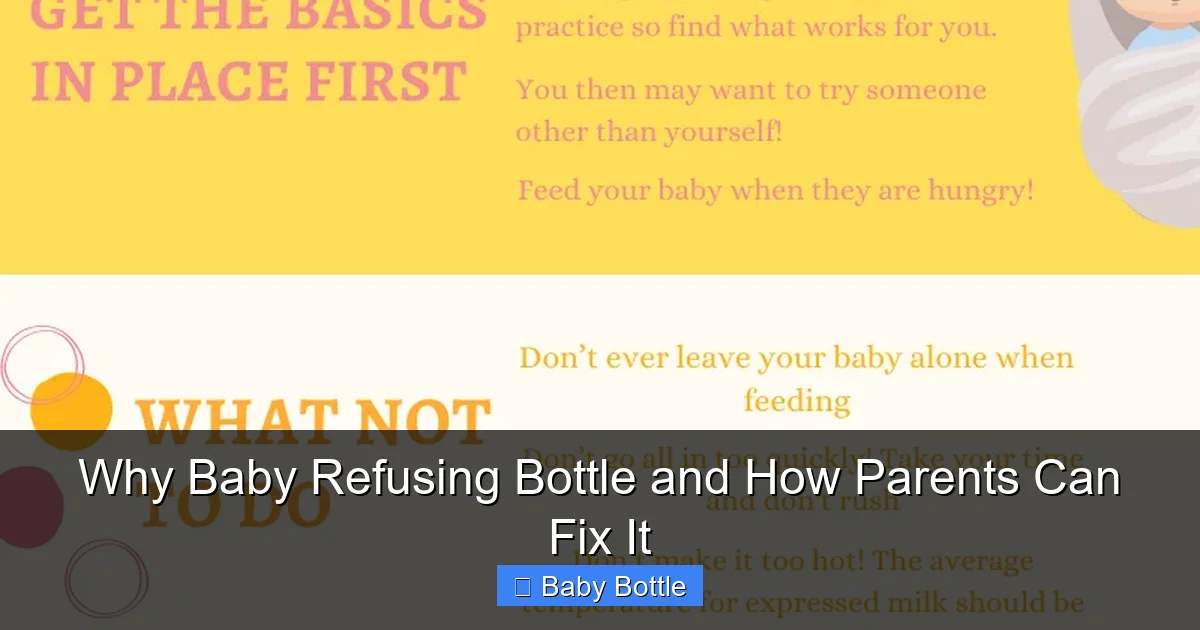
Visual guide about Why Baby Refusing Bottle and How Parents Can Fix It
Image source: mammycares.com
Check temperature and breathing
Take baby’s temperature. Look for fever. Check for fast breathing or cough. A cold or fever can make bottle feeding unpleasant. If you find signs of illness, contact a doctor.
Watch for ear tugging or crying
Ear infections can make sucking painful. If baby pulls at ears or cries more during feeding, ask your pediatrician to check.
Look for weight and diaper changes
Track wet diapers and weight. If wet diapers drop or weight falls, get professional help. These signs mean baby may not be getting enough food.
Ask about tongue tie and sores
Open baby’s mouth and look for a short band under the tongue. If you see one, or if sucking looks odd, ask a lactation consultant. Tongue tie can explain why baby refusing bottle when all else seems fine.
Step 3: Fix bottle and milk factors
Small changes to the bottle or milk often help. Try one change at a time. Keep sessions short and calm.
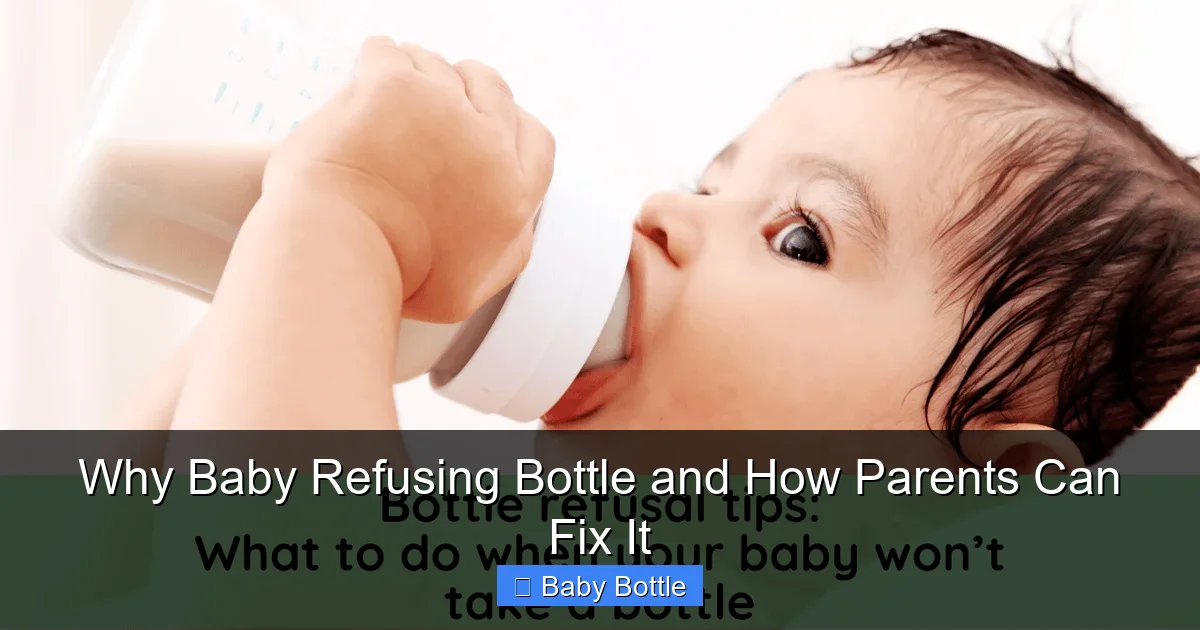
Visual guide about Why Baby Refusing Bottle and How Parents Can Fix It
Image source: kajabi-storefronts-production.kajabi-cdn.com
Change nipple flow
If flow is too fast, try a slower nipple. If baby seems bored or frustrated, try a faster nipple. Match the flow to baby’s age and skill.
Try different nipple shapes
Get nipples with a wide base, mimic-breast shape, or orthodontic options. Some babies prefer one shape. Rotate options until you find one that suits them.
Check milk temperature
Warm the milk to about body temperature. Hold a few drops on your wrist to test. Cold milk can be refused. Too hot will burn. Aim for a gentle warmth.
Smell and freshness
Use fresh breast milk or freshly prepared formula when possible. Pumped milk that has been stored may smell. Some babies notice and refuse. Also rinse bottles well to remove detergent smells.
Mixing formula carefully
If you use formula, follow directions exactly. Wrong concentration can taste odd and upset the baby’s tummy. Try switching brands only with advice from your pediatrician.
Step 4: Adjust feeding technique and environment
How you feed matters. Babies feed best when calm and near a caring adult. Use gentle, paced feeding methods.
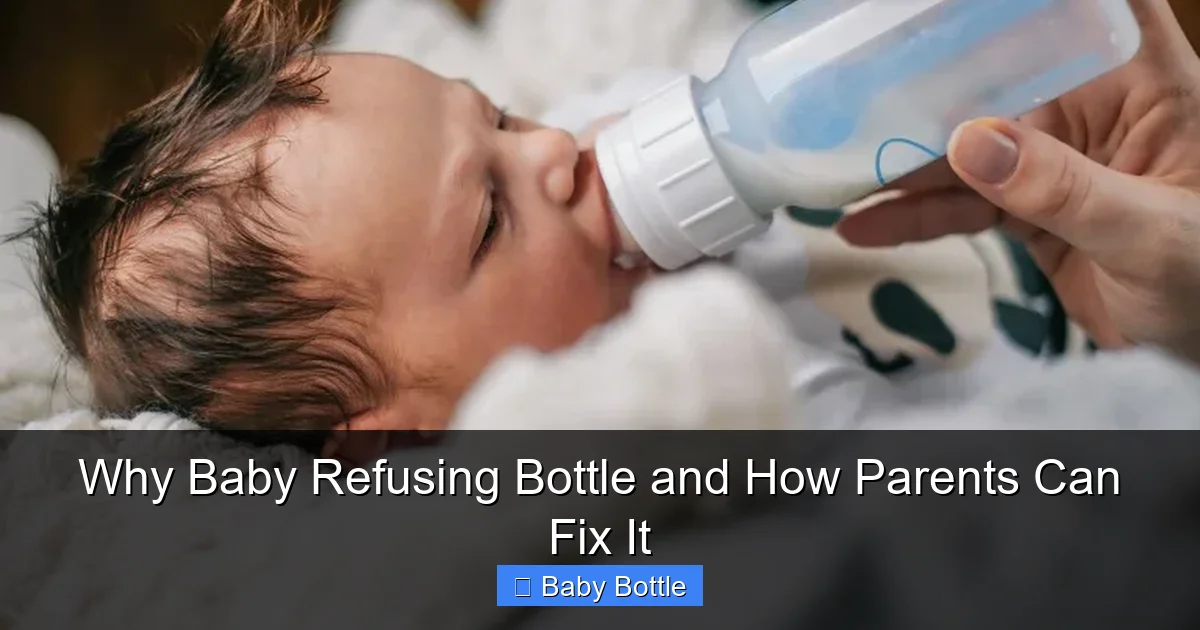
Visual guide about Why Baby Refusing Bottle and How Parents Can Fix It
Image source: images.babylist.com
Use paced bottle feeding
Paced feeding slows the flow. Hold the bottle horizontal. Let baby draw out milk. Pause often. This mimics breastfeeding. It reduces fussiness and helps baby control milk intake.
Try skin-to-skin or cuddling
Hold baby close. Skin-to-skin soothes many babies. This helps if baby refuses because they want closeness. Try feeding in a quiet room with soft light.
Use another caregiver
Sometimes baby refuses from mom but accepts from dad or caregiver. This can be because baby expects to nurse. Let someone else try the bottle. Or have mom step out of the room while bottle is offered.
Create a calm routine
Feed in the same quiet spot. Keep toys and screens away. Use soft voice and slow movements. Babies pick up on tension. A calm approach can change refusal to acceptance.
Step 5: Reintroduce the bottle slowly
Small steps build trust. A quick forceful session can make things worse. Try short, gentle tries. Reward small wins.
Start with short sessions
Offer a few sips, then stop. Praise baby. Try again later. Gradually increase time. This helps if baby has been refusing for days.
Offer when mildly hungry
Try after a short wait from the last feed. If baby is too hungry, crying will make bottle feeding harder. Mild hunger makes baby motivated but calm.
Combine breast and bottle
Offer breast first if baby is used to nursing, then offer a bottle shortly after. Or try a bottle first when parent is not present. Rotate methods to prevent strong preference for one method only.
Use favorite caregiver for practice
Have the person the baby enjoys feed them a few times a day. Change caregiver once baby shows comfort. This helps when baby refuses the bottle from specific people.
Step 6: Alternatives and temporary tools
If the bottle is not working, try other ways to feed while you troubleshoot. These are short-term aids, not long-term replacements.
Use a cup or spoon
Small open cups or spoons work for older babies. This method can avoid nipple issues. It’s faster to learn than you might expect.
Try a syringe or spoon for small amounts
For small feeds, a syringe or medicine spoon can help. This is useful if baby refuses everything but still needs calories.
Consider a supplemental nursing system (SNS)
An SNS lets a baby suck at the breast while getting extra milk through a tiny tube. This keeps breastfeeding cues while ensuring nutrition. Ask a lactation consultant for guidance.
Troubleshooting: What to do in common scenarios
Below are short solutions to common patterns of refusal. Try one idea at a time for a few days.
- Baby gags or coughs: Check nipple flow. Use a slower flow and paced feeding. Ensure baby is upright during feeding.
- Baby turns head away: Try a different time or caregiver. Offer small tastes first. Use cuddling before feeding.
- Baby drinks only a little then refuses: Offer shorter sessions more often. Try cup or syringe for small top-ups.
- Baby accepts from dad but not mom: Let dad help feed while mom soothes nearby. Gradually swap roles so mom becomes the feeder again.
- Baby refuses only certain brands: Try different nipples and brands. Warm the milk and add a little breast milk to formula (with pediatrician OK) to ease transition.
Practical tips and sample plan
Here is a simple 7-day plan you can adapt. Keep notes to track progress.
Day 1: Observe and check
Note when baby eats, how much, and any signs of pain. Check temperature and diapers. Try one new nipple type.
Day 2: Small, calm tries
Offer 2–3 short bottle sessions while baby is calm. Use skin-to-skin and soft talk. Try a caregiver baby likes.
Day 3: Adjust flow and temperature
Try a different nipple and body-temperature milk. Offer milk in a quiet room. Pause often during feeding.
Day 4: Combine methods
If baby is breastfed, offer a short nursing session then a bottle right after. Or have mom step out while caregiver offers bottle.
Day 5: Try cup or syringe
If bottle still fails, try a small cup or syringe for a few sessions. This keeps calories up without pressure.
Day 6: Seek help
If no progress, consult a lactation consultant or pediatrician. Ask about tongue tie, reflux, or allergies.
Day 7: Review and continue
Keep what worked and stop what did not. Be patient. Celebrate small wins. Change is often slow but steady.
When to see a doctor right away
Contact a pediatrician if you see any of these signs:
- Less wet diapers or fewer bowel movements.
- Significant weight loss or poor weight gain.
- Fever, rapid breathing, or severe vomiting.
- Severe pain during feeds or blood in spit-up.
These can be signs of a serious issue. Early care avoids bigger problems.
Real-life examples from parents
Case 1: Anna’s baby refused the bottle after mom returned to work. She tried dad for a few days. Then she switched to a wider nipple and warmed milk. Baby accepted again.
Case 2: Marcus’s baby had ear pain. The baby refused the bottle and cried during feeds. After a doctor visit and medication, feeding returned to normal.
Case 3: Leah had a baby who preferred nursing. She used paced feeding and an SNS for a short time. Slowly the baby took bottles during daycare.
Conclusion
Many parents ask, “why baby refusing bottle.” The answer is often one of many simple reasons. Start with health checks. Then try small, calm changes to the bottle, milk, position, and routine. Use short, gentle sessions and alternate caregivers. If the problem continues, get medical help. Most babies return to normal feeding with steady, kind steps. Be patient. Trust your instincts. Small wins add up.
🎥 Related Video: Baby Refusing the Bottle? Here’s What to Do!
📺 Medical Centric Podcast
Medical Centric Recommended : (Affiliate Links) Thermometer ➝ https://amzn.to/48etrFS Blood pressure machine …