

Why baby suddenly refusing bottle is common. This guide explains the top causes and gives clear, gentle steps to help your baby accept the bottle again. Use easy tips, troubleshooting ideas, and feeding plans to calm both baby and caregiver.
Key Takeaways
- Common causes: Illness, teething, nipple flow, change in routine, or preference for breastfeeding can trigger refusal.
- Stay calm: Babies sense stress. A calm approach helps them try the bottle again.
- Small changes work: Try temperature, position, nipple type, and timing adjustments first.
- Step-by-step plan: Use a short, repeatable routine to reintroduce the bottle over days.
- When to get help: Call your pediatrician if refusal lasts, baby loses weight, or shows signs of illness.
- Keep breastfeeding bond: If breastfeeding, combine gentle bottle training to avoid preference issues.
Introduction: What you will learn
This guide helps parents who ask, why baby suddenly refusing bottle. You will learn clear steps to find the cause. You will get simple fixes. You will get a short plan you can try at home. You will read troubleshooting tips and when to call the doctor.
Step 1: Stay calm and observe
When a baby refuses the bottle, the first move is to breathe. Stay calm. Babies pick up tension. Your calm helps them relax.
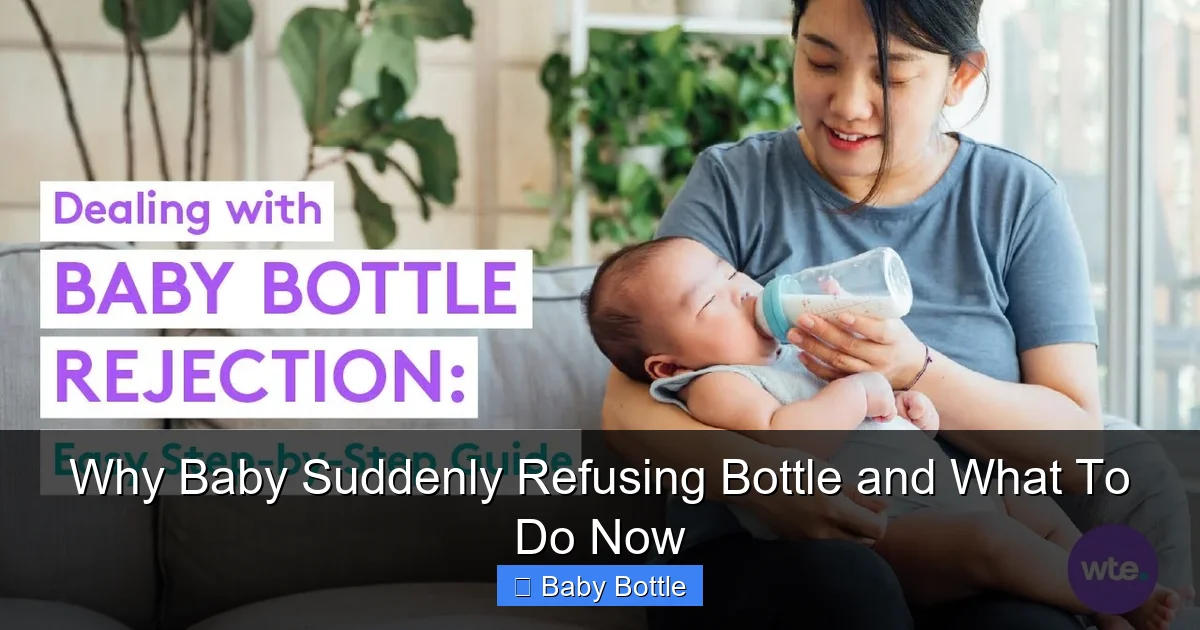
Visual guide about Why Baby Suddenly Refusing Bottle and What To Do Now
Image source: i.ytimg.com
Watch for clues
- Is the baby sick? Look for fever, cough, or runny nose.
- Is the baby teething? Check gums for swelling or drool.
- Has the baby’s schedule changed? New naps or travel can affect feeding.
- Is the bottle new or recently cleaned with a new soap or formula?
- Has the nipple flow changed? Fast or slow flow can be off-putting.
Keep a short feeding log
Write simple notes for 3 days. Note time, amount fed, mood, and any signs of illness. This log helps you see patterns and helps your pediatrician if needed.
Step 2: Rule out illness or discomfort
Sickness often causes refusal. Babies may not want to feed when they have a sore throat, congestion, or an earache.
Visual guide about Why Baby Suddenly Refusing Bottle and What To Do Now
Image source: embracingchaoswithlove.com
Check basic signs
- Temperature: Use a reliable thermometer.
- Breathing: Is breathing fast or noisy?
- Ear pulling: Babies tugging an ear may have an ear infection.
- Poop and pee: Less wet diapers or fewer stools can mean poor intake.
When to call the doctor
Call your pediatrician if your baby has a fever over 100.4°F (38°C), vomits a lot, shows signs of dehydration, or loses weight. Let the doctor rule out infections or other causes.
Step 3: Check the bottle and nipple
Small changes in the bottle or nipple can matter more than you think. Babies notice flow, shape, and smell.
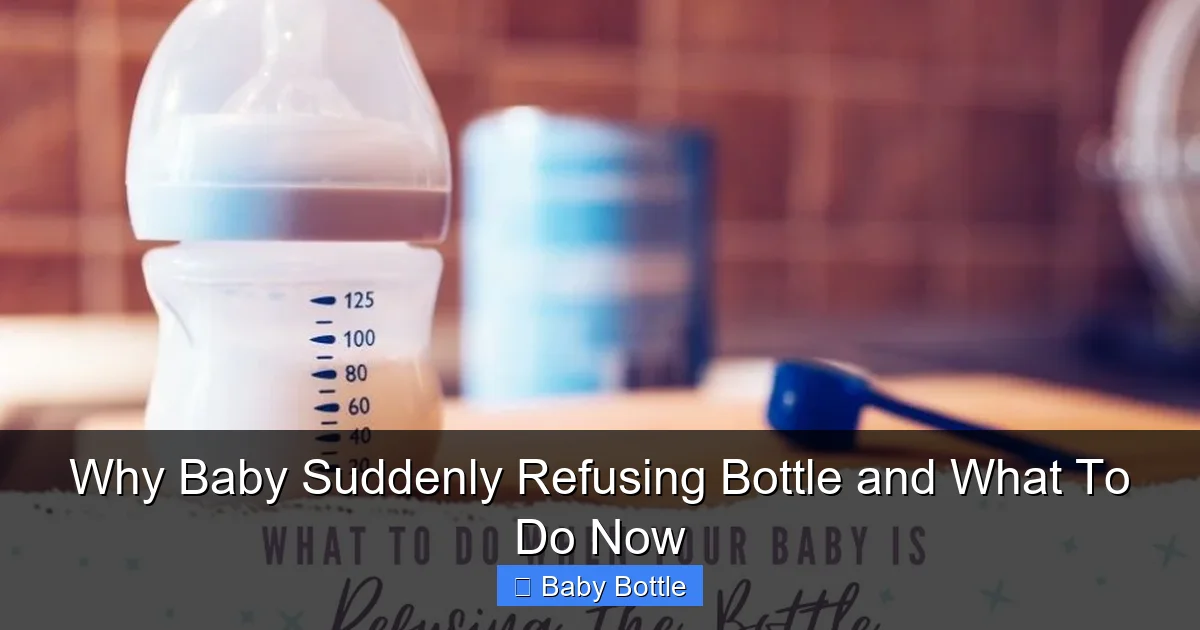
Visual guide about Why Baby Suddenly Refusing Bottle and What To Do Now
Image source: gladtobemama.com
Try these quick tests
- Smell the bottle and nipple. New soap or milk residue can smell off.
- Check nipple holes. Too small or too large makes feeding hard.
- Try different nipple shapes. Some babies prefer wide or long nipples.
- Warm the bottle to body temperature. Many babies like warm milk.
Example: Fixing flow issues
If milk drips too fast, the baby may choke and refuse next time. Try a slower flow nipple for a day. If no milk comes out, try a faster flow. Change one thing at a time. Watch how the baby reacts.
Step 4: Adjust feeding position and environment
Position and setting matter. Babies feed better when they feel safe and close.
Try different holds
- Upright hold: Good for congestion or reflux.
- Combination hold: Similar to breastfeeding, helps some babies accept the bottle.
- Skin-to-skin: Calm babies and may encourage feeding.
Create a calm space
Turn off the TV. Dim the lights. Move to a quiet room. Soft music or white noise can soothe some babies. A calm room reduces distractions and helps the baby focus on feeding.
Step 5: Offer the bottle at the right time
Timing is key. A very hungry baby is upset and may not latch. A full baby will refuse. Aim for a calm, slightly hungry window.
Watch hunger cues
- Rooting or smacking lips
- Hand-to-mouth movements
- Fussing that calms with feeding cues
Plan short, calm attempts
Try a 5-7 minute attempt. If the baby refuses, stop and try again in 15-30 minutes. Repeat calmly. Short, gentle tries are better than long, stressful sessions.
Step 6: Use paced bottle feeding
Paced bottle feeding mimics breastfeeding. It helps babies control flow and can ease transitions between breast and bottle.
How to pace feed
- Hold the baby semi-upright.
- Keep the bottle horizontal so milk flows slowly.
- Let the baby draw the nipple into their mouth.
- Pause every few sucks. Tip the bottle down to stop flow during breaks.
Why it helps
Paced feeding slows the milk flow. The baby controls the pace. This can reduce fussiness and make the bottle feel more like the breast.
Step 7: Re-introduce the bottle gradually
If your baby has refused for a few days, go slow. A gentle plan over several days works best.
Day-by-day example plan
- Day 1: One calm attempt at usual feeding time. Try 5 minutes. Offer breast or formula after if needed.
- Day 2: Two short attempts. Try different positions or nipples.
- Day 3: Offer bottle at a time the baby is calm and slightly hungry. Use paced feeding.
- Day 4–7: Gradually increase attempts and time at the bottle. Keep things calm and predictable.
Tip
Let a caregiver other than the breastfeeding parent try the bottle. A baby may refuse the bottle from a parent who also breastfeeds. This is normal and often temporary.
Step 8: Try alternative feedings if needed
If direct bottle feeding fails, try other safe options to keep baby fed. Always consult your pediatrician if you use an alternative method for a long time.
Alternatives
- Spoon or syringe feeding for small amounts
- Cup feeding for older infants with good head control
- Supplemental nursing system (SNS) if breastfeeding and supplementing
Safety note
Never prop a bottle. Never feed while the baby is lying flat. These can cause choking or ear infections.
Troubleshooting: Common scenarios and fixes
Here are specific problems and quick fixes. These help answer the core worry: why baby suddenly refusing bottle.
Scenario: Baby used to take bottle, then stopped
- Fix: Go back to basics. Try a familiar bottle and nipple and a calm space. Keep attempts short. Try paced feeding.
Scenario: Baby cries and pushes the bottle away
- Fix: Stop and soothe first. Try feeding after calm. Offer small tastes to reintroduce the bottle.
Scenario: Baby coughs or gags when bottle is offered
- Fix: Check nipple flow. Try a slower flow or a different nipple shape. Hold baby more upright.
Scenario: Refusal only with formula or expressed breast milk
- Fix: Check temperature and smell. Try warming the bottle slightly. If formula is new, try a different brand after talking to the doctor.
Scenario: Baby prefers breastfeeding
- Fix: Let another caregiver offer the bottle. Try giving a bottle when the baby is calm, not starving. Use paced feeding.
When to seek help from a professional
If your baby will not eat for more than 24 hours or is losing weight, call the pediatrician right away. Also call if the baby shows signs of dehydration, fever, or severe lethargy.
What the doctor may check
- Weight and growth curve
- Ear infection or reflux
- Oral issues like thrush or tongue-tie
- Feeding plan and safe alternative feeding options
Practical tips and examples from other parents
Many parents share simple tricks that helped. Try one at a time. Here are a few that often work.
- Offer the bottle while the baby is half-asleep. Babies may accept easier when relaxed.
- Have another caregiver try the bottle. Babies might refuse from the breastfeeding parent.
- Use a favorite blanket or sniff cloth that smells like home to calm the baby.
- Mix breast milk and formula slowly if switching. Start with more breast milk and slowly change ratios.
- Stay consistent. Try the same small routine for a week before changing tactics.
Conclusion: Be patient and persistent
As you work through these steps, remember that this is common. Many babies go through short phases of bottle refusal. Keep calm. Check health first. Try small changes in nipple, flow, position, and timing. Use paced feeding and a gentle reintroduction plan. If you are worried, call your pediatrician. With steady, calm steps you can find the root cause and bring feeding back. If you wonder, why baby suddenly refusing bottle, use this guide as a simple plan. You can do this. The feeding routine will return.
🎥 Related Video: Baby Refusing the Bottle? Here’s What to Do!
📺 Medical Centric Podcast
Medical Centric Recommended : (Affiliate Links) Thermometer ➝ https://amzn.to/48etrFS Blood pressure machine …