
If your baby cries in the car seat, this guide is for you. We explore the main reasons behind the tears, from discomfort to boredom, and provide actionable solutions to help you and your baby enjoy car rides. You’ll learn how to identify causes and apply effective calming strategies.
Find Out Why Does My Baby Cry in the Car Seat Today
Does your baby start crying the moment you buckle them into the car seat? You are not alone. Many parents face this challenge. It can turn simple car rides into stressful events. But do not worry! This guide will help you understand why your baby cries in the car seat. And we will give you practical steps to fix it. Let us make car rides peaceful for you and your baby.
Key Takeaways
- Discomfort is a common culprit: Ensure the car seat is properly adjusted and your baby is comfortable to prevent crying from physical irritation.
- Boredom and loneliness can cause tears: Use toys, music, or a companion to engage your baby and reduce feelings of isolation.
- Motion sickness may be the issue: Look for signs like vomiting or dizziness and manage with breaks, ventilation, and avoiding heavy meals before travel.
- Temperature matters: Keep the car neither too hot nor too cold to prevent discomfort from extreme climates.
- Regular breaks are essential: Plan stops for feeding, changing, and cuddling during long trips to avoid overstimulation and restlessness.
- Create positive associations: Make the car seat a happy place with toys, rewards, and familiar items to reduce anxiety.
- Rule out health problems: Consult a doctor if crying persists or is accompanied by other symptoms like fever or excessive fussiness.
Introduction: Why This Guide Matters
Car seats are essential for safety. But if your baby hates them, it is hard. Crying in the car seat can be due to many reasons. It might be physical discomfort. Or emotional distress. Sometimes, it is just boredom. In this guide, we will explore all possible causes. We will give you a step-by-step plan to find the root cause. And we will share tips to soothe your baby. By the end, you will know how to handle car seat tears. And you will enjoy smoother journeys. We will cover everything from basic checks to advanced strategies. So, let us dive in and find out why your baby cries in the car seat today.
Common Reasons Why Babies Cry in Car Seats
First, let us look at the common reasons. Knowing why is the first step to solving the problem. Babies cry to communicate. In a car seat, they might be telling you something is wrong. Here are the top causes.
Visual guide about Find Out Why Does My Baby Cry in the Car Seat Today
Image source: psychoautos.com
1. Physical Discomfort
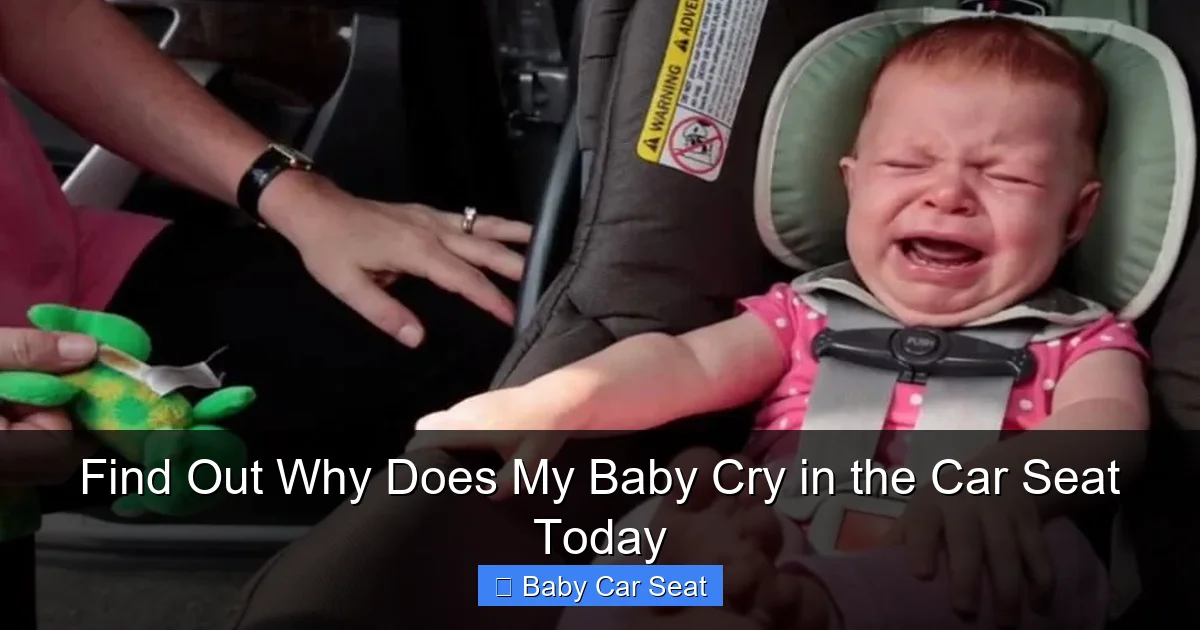
Your baby might be uncomfortable. The car seat might not fit right. The straps could be too tight. Or too loose. The seat might be too hard. Or too hot. Babies have sensitive skin. Even a small wrinkle in clothing can irritate them. Check if the car seat is installed correctly. A poorly installed seat can cause awkward angles. This leads to discomfort. Also, if your baby has outgrown the seat, it can be cramped. Always follow weight and height limits. Look for red marks on your baby’s skin after rides. That is a sign of tight straps. Adjust the harness to be snug but not painful. Use the pinch test. You should not be able to pinch any slack in the straps. The chest clip should be at armpit level. This keeps the straps in place. The recline angle is crucial for infants. It should be according to the manual. A too upright seat can cause breathing issues. A too reclined seat might be uncomfortable. Fixing these issues can stop crying fast.
2. Emotional Distress
Babies crave closeness. In a car seat, they are alone. They might feel lonely or scared. They might associate the car seat with negative experiences. Like going to the doctor. Or being left alone. Separation anxiety can start as early as 6 months. This can make car rides stressful. Your baby might cry because they miss you. They want to be held. This is normal. But it can be managed. Try to make the car seat a positive place. Use toys and smiles. Talk to your baby during the ride. Even from the front seat, your voice can comfort them. Over time, they will learn that car rides are safe. And they will cry less.
3. Environmental Factors
The car environment can affect your baby. Temperature is key. If it is too hot or too cold, your baby will cry. Sunlight in their eyes can be bothersome. Loud noises from traffic or the radio might scare them. Poor ventilation can make them feel stuffy. Motion sickness is another factor. Some babies get nauseous in moving vehicles. Signs include vomiting, paleness, or drooling. To help, keep the car cool and well-ventilated. Use sunshades on windows. Play soft music to mask noise. Avoid sudden stops and starts. Drive smoothly. This reduces motion sickness. Also, check for drafts. A cold breeze on your baby’s face can cause tears. Adjust the vents or use a blanket. Small changes in the environment can make a big difference.
4. Health Issues
Sometimes, crying is due to health problems. Your baby might be teething. Or have an ear infection. Gas or reflux can worsen in a car seat. If your baby cries excessively, consult a doctor. Rule out any medical conditions. Teething pain can make babies fussy in any position. In a car seat, they cannot move to relieve the pain. Offer a teething toy before the ride. For ear infections, lying back in a car seat can increase pressure. This causes pain. If you suspect an ear issue, see a doctor. Gas and reflux are common in infants. The semi-upright position of a car seat can help. But if it is not adjusted right, it can make it worse. Burp your baby well before travel. Use anti-colic bottles if bottle-feeding. Address health issues first. Then, the crying might stop.
5. Boredom and Overstimulation
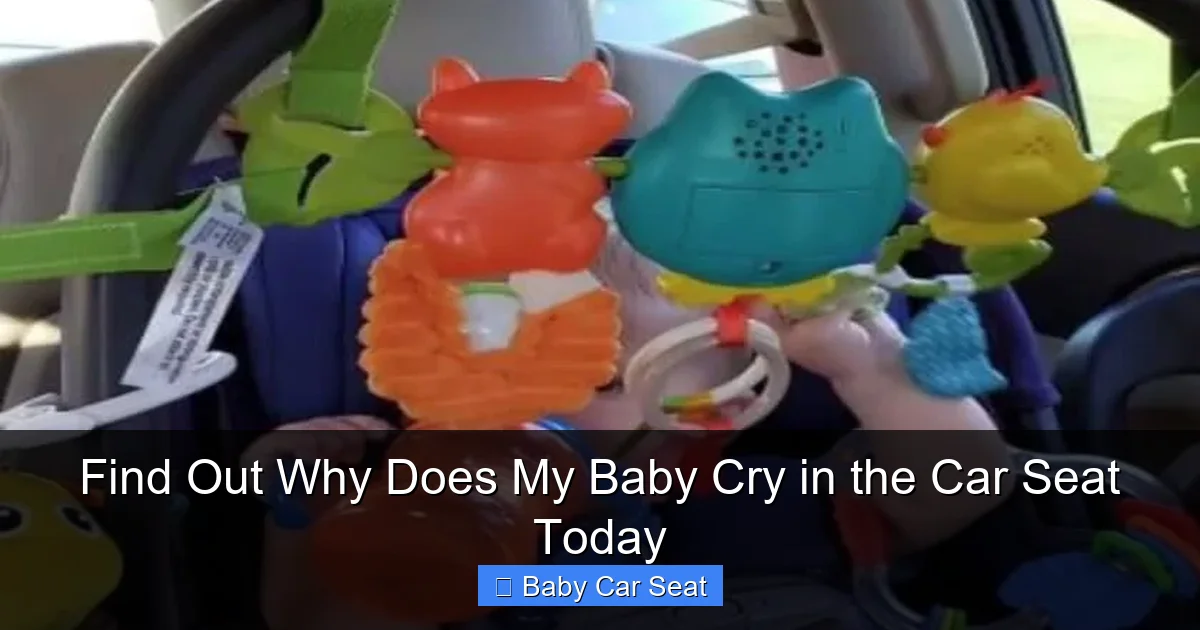
Babies need stimulation. But too much can overwhelm them. In a car, the passing scenery might be overstimulating. Or, if it is boring, they might cry from lack of engagement. Finding the right balance is important. For young babies, simple patterns like trees moving can be too much. For older babies, monotony can lead to fussiness. Use age-appropriate toys. Hang a mobile from the handle. Play peek-a-boo with a mirror. But avoid overloading your baby with toys. Too many choices can cause stress. Stick to one or two favorite items. Rotate them to keep interest. Also, consider audio stimulation. Lullabies or stories can engage your baby without visual overload. Pay attention to your baby’s cues. If they look away or cry, they might be overstimulated. Reduce input and try a calm approach.
Step-by-Step Guide to Troubleshooting
Now, let us go through a step-by-step process. This will help you identify why your baby cries. And what to do about it. Follow these steps in order. They are designed to cover all bases. From simple fixes to complex solutions.
Visual guide about Find Out Why Does My Baby Cry in the Car Seat Today
Image source: psychoautos.com
Step 1: Check the Car Seat Fit
Start with the car seat itself. Is it the right size for your baby? Car seats have weight and height limits. Ensure your baby has not outgrown it. Check the harness straps. They should be snug but not tight. You should not be able to pinch any slack. The chest clip should be at armpit level. The recline angle is crucial for infants. It should be according to the manual. A too upright seat can cause breathing issues. A too reclined seat might be uncomfortable. Also, look at the padding. Is it worn out? Replace it if needed. Make sure there are no loose parts. A wobbly seat can scare your baby. Secure it tightly. Use the seat belt or LATCH system correctly. If you are unsure, get help from a certified technician. Many fire stations offer free checks. A proper fit can eliminate discomfort crying.
Tip: Use a rolled towel or pool noodle for adjustment if needed. But always follow the manufacturer’s instructions. Do not add aftermarket products unless approved.
Step 2: Assess Baby’s Needs
Before you leave, make sure your baby’s basic needs are met. Are they hungry? Thirsty? Need a diaper change? Tired? A baby who is hungry or wet will cry. Try to time car rides after naps or feedings. But avoid feeding right before leaving. This can cause spit-up or discomfort. Instead, feed 30 minutes before. This gives time for digestion. Also, check for tiredness. An overtired baby will cry more. Plan rides during awake but calm periods. For example, after a nap and a feed. Keep a diaper bag handy with essentials. Include diapers, wipes, a change of clothes, and snacks if age-appropriate. Do not forget a lovey or pacifier if your baby uses one. Meeting basic needs reduces crying significantly.
Tip: Create a pre-travel checklist. Go through it every time. This ensures you do not miss anything.
Step 3: Create a Comforting Environment
Make the car seat a pleasant place. Use soft padding or inserts if allowed. Ensure the temperature is comfortable. Use sunshades to block bright light. Play soothing music or white noise. Some babies calm down with gentle sounds. You can also hang toys from the handle. But ensure they are safe and not a distraction for the driver. Introduce the car seat at home. Let your baby sit in it while playing. This creates positive associations. Add familiar items like a blanket with your scent. This can comfort your baby. Also, consider the lighting. Dim the interior lights if possible. Harsh lights can be irritating. Use a mirror to see your baby from the front seat. This allows you to monitor them without turning around. A comforting environment soothes emotional distress.
Tip: Use a car seat cover for infants. It blocks light and creates a cozy space. But remove it when not needed to prevent overheating.
Step 4: Plan Your Trips Wisely
For long trips, plan breaks. Every 1-2 hours, stop for a break. Get your baby out of the seat. Stretch, feed, or cuddle. This prevents discomfort from prolonged sitting. For short trips, try to make them during your baby’s happy times. Avoid rush hour if possible. Traffic jams can prolong the ride and increase crying. Also, consider the route. Smooth roads are better than bumpy ones. Bumps can jostle your baby and cause tears. Use GPS to find the best path. If your baby cries only on highways, it might be due to speed. Try using white noise to mask engine sounds. Drive at consistent speeds when safe. Planning reduces unexpected stressors.
Tip: Schedule trips around your baby’s routine. Consistency helps babies feel secure. They know what to expect.
Step 5: Observe and Adapt
Watch your baby’s behavior. Note when they cry. Is it at the start of the ride? Or after a while? Does it happen on certain roads? Keep a log if needed. This can reveal patterns. For example, if crying starts after 30 minutes, it might be boredom. Add a new toy at that time. If crying happens on curves, it might be motion sickness. Drive more slowly on turns. Adapt your strategies based on observations. Try different soothing methods. Some babies like singing. Others prefer quiet. Be flexible. What works one day might not work the next. Stay patient. Keep experimenting until you find what works.
Tip: Involve your partner or family. They might notice things you miss. A fresh perspective can help.
Practical Tips for Soothing Your Baby
Here are more tips to keep your baby calm in the car seat. These are practical and easy to implement. Use them before, during, and after rides.

Visual guide about Find Out Why Does My Baby Cry in the Car Seat Today
Image source: i1.sndcdn.com
Before the Ride
- Dress your baby comfortably: Avoid bulky clothing that can interfere with harness straps. Use layers for temperature control. Choose soft, breathable fabrics.
- Do a quick check: Ensure the car seat is clean and free from crumbs or toys that might cause discomfort. Wipe it down regularly.
- Engage in calm activities: Read a book or sing a song before buckling up. This sets a peaceful tone. Avoid rough play that might overexcite your baby.
- Practice short sessions: Put your baby in the car seat at home for a few minutes daily. Give toys and praise. This builds positive associations.
During the Ride
- Talk or sing to your baby: Your voice can be soothing. Even if you are in the front seat, talk calmly. Describe what you see. This engages your baby.
- Use distractions: Age-appropriate toys or books can help. For older babies, interactive toys like rattles are good. Change toys every so often to maintain interest.
- Play music or audiobooks: Soft lullabies or children’s songs can engage your baby. Use a playlist of favorites. Avoid loud or sudden sounds.
- Consider a travel companion: If possible, have an adult sit in the back with the baby. This provides comfort and interaction. They can hand toys or soothe the baby directly.
- Use a pacifier: If your baby uses one, offer it during the ride. Sucking can be calming. Attach it with a clip to prevent loss.
After the Ride
- Praise your baby: If they were calm, give lots of praise. This reinforces good behavior. Say things like, “You did a great job in the car!”
- Make exiting pleasant: Unbuckle your baby gently and offer a hug. This ends the ride on a positive note. Avoid rushing them out.
- Reflect on the ride: Think about what worked and what did not. Adjust your strategy for next time. Learning from each trip helps improve future rides.
Troubleshooting Specific Scenarios
What if the general tips do not work? Let us look at specific scenarios. These are common situations parents face. And how to handle them.
Scenario 1: Baby Cries Only on Highways
This might be due to speed or noise. Highways are louder and faster. Try using white noise to mask sounds. Ensure the car windows are closed to reduce wind noise. Check if the car seat is secure. Vibration from high speed might cause discomfort. Use a vibration pad designed for car seats if approved. Also, drive in the slow lane. This reduces speed variation. If possible, avoid highways for short trips. Use alternate routes. Over time, your baby may get used to highways. Start with short highway trips and gradually increase duration.
Scenario 2: Baby Cries When Alone in the Back
This is likely separation anxiety. Use a mirror so you can make eye contact. Talk frequently. If safe, reach back and touch their hand. Over time, they will learn that you are still there. Also, place a photo of your family where they can see it. This provides visual comfort. For older babies, use a doll or stuffed animal as a “friend.” Explain that the friend is keeping them company. Never leave your baby alone in the car. But these tricks can ease anxiety during rides.
Scenario 3: Baby Cries from Motion Sickness
Signs include vomiting, paleness, or drooling. To help, ensure good ventilation. Avoid heavy meals before travel. Use AC or open windows slightly. Plan breaks for fresh air. Consult a doctor for medication if severe. Also, try ginger snacks for older babies. Ginger can reduce nausea. Use a car seat liner for easy cleanup. Keep bags and wipes handy. Drive smoothly. Avoid sudden stops and accelerations. Position the car seat in the middle of the back seat if possible. This reduces swaying. Motion sickness often improves with age. But managing it now can prevent crying.
Scenario 4: Baby Cries During Night Rides
Darkness can be scary. Use a small night light in the car. Choose one that plugs into the charger port. Play soft, familiar music. Keep the interior dome light off to avoid glare. Stick to your baby’s bedtime routine as much as possible. For example, play a lullaby they associate with sleep. Use a comfort item like a blanket. If your baby falls asleep, drive carefully to avoid waking them. Night rides can be peaceful with the right setup.
Conclusion: Enjoy Peaceful Car Rides
Dealing with a crying baby in the car seat is tough. But with patience and the right strategies, you can overcome it. Start by understanding why your baby cries. Then, apply the steps in this guide. Remember, every baby is different. What works for one might not work for another. Keep trying different solutions. And always prioritize safety. Never compromise on car seat rules. With time, your baby will learn to enjoy car rides. And you will have stress-free journeys. So, next time your baby cries in the car seat, you will know what to do. Use this guide to find out why does my baby cry in the car seat today. And take action for happier travels.
We hope this guide helped you find out why your baby cries in the car seat. Use these tips today for a happier ride! Share your experiences with other parents. Together, we can make car rides better for everyone.
🎥 Related Video: What to do when your baby hates the car seat
📺 Motherly
Summer is the perfect time for a family car trip but what if your baby hates riding in their car seat and screams bloody murder?
