
Many babies resist the pram due to discomfort, fear, or need for closeness. This guide explains common reasons and provides step-by-step solutions to help your baby accept the stroller. With patience and the right approach, you can make pram rides enjoyable for both of you.
Key Takeaways
- Discomfort is a key issue: Ensure the pram is comfortable with proper padding and support to prevent fussiness.
- Fear and anxiety can cause resistance: Gradually introduce the pram in a safe, familiar environment to build trust.
- Babies need closeness: Use parent-facing prams or babywearing before transitions to ease separation anxiety.
- Timing matters: Avoid pram rides when baby is tired, hungry, or overstimulated for smoother outings.
- Make it engaging: Add toys, mirrors, or music to distract and entertain your baby in the pram.
- Check for physical issues: Rule out medical problems like reflux or ear infections with a pediatrician.
- Patience is essential: Consistency and positive associations will help your baby adapt to the pram over time.
Why Your Baby Hates the Pram and How to Help: A Complete Guide
Does your baby scream every time you try to put them in the pram? You’re not alone. Many parents face this challenge, and it can turn simple outings into stressful events. But don’t worry! In this guide, we’ll explore the reasons why your baby might hate the pram and provide practical, step-by-step solutions to help them enjoy stroller rides. By understanding your baby’s needs and making a few adjustments, you can transform pram time into a peaceful experience for both of you. We’ll cover everything from comfort checks to fun distractions, so you can confidently use your pram again.
Understanding Why Your Baby Hates the Pram
Before we dive into solutions, it’s important to understand why your baby resists the pram. Babies communicate through crying and fussing, so their dislike for the pram is a sign that something isn’t right. Here are some common reasons that might explain why your baby hates the pram.
Visual guide about Why Your Baby Hates the Pram and How to Help
Image source: clipground.com
Discomfort and Poor Fit
Your baby might be uncomfortable in the pram. Check if the seat is too hard, the harness is too tight, or if there’s insufficient padding. Babies have sensitive skin and need proper support for their developing bodies. A poorly fitted pram can cause pressure points or even pain, making your baby hate every ride. Always ensure the pram is adjusted to your baby’s size and age.
Fear of the Unknown
The pram can be a scary new environment. The motion, sounds, and isolation from you might cause anxiety. Babies thrive on familiarity, so a sudden introduction to the pram can be overwhelming. If your baby hasn’t spent much time in the pram, they might associate it with uncertainty, leading to tears. This is a key reason why many babies initially hate the pram.
Need for Closeness
Babies are wired to stay close to their caregivers for security and bonding. Being placed in a pram can feel like separation, triggering distress. This is especially true for newborns and young infants who rely on physical contact. If your baby hates the pram, it might be their way of asking for more closeness. Understanding this need can help you find solutions.
Physical Discomfort or Pain
Sometimes, underlying issues like gas, reflux, teething, or ear infections can make pram rides painful. The position in the pram might aggravate these conditions. If your baby consistently hates the pram, it’s worth consulting a pediatrician to rule out medical causes. Addressing health concerns first can make a big difference in how your baby feels in the pram.
Boredom or Overstimulation
Babies can get bored if the pram ride is monotonous, or overstimulated if there’s too much noise and movement. Finding the right balance is key. A quiet, slow walk might bore an alert baby, while a busy street might scare them. Observing your baby’s reactions will help you tailor pram outings to their preferences.
Step-by-Step Solutions to Help Your Baby Love the Pram
Now that we know the reasons, let’s look at how to address them. Follow these steps to make the pram a happy place for your baby. With patience, you can help your baby enjoy the pram in no time.
Visual guide about Why Your Baby Hates the Pram and How to Help
Image source: clipground.com
Step 1: Ensure Comfort and Safety
First, make sure the pram is comfortable and safe. Adjust the recline position so your baby can lie flat or sit comfortably. Use soft blankets or pram liners for extra cushioning. Check that the harness is snug but not tight, and that the pram is properly assembled. A comfortable pram is less likely to cause complaints. Also, ensure the pram is clean and free from rough edges. Regularly inspect your pram for wear and tear to keep it safe for your baby.
Step 2: Gradual Introduction
Don’t rush. Start by letting your baby explore the pram while it’s stationary. Sit next to them, talk softly, and let them touch the fabric. Once they seem comfortable, try short rides indoors or in a familiar garden. Gradually increase the duration as your baby adapts. This slow approach helps build positive associations with the pram, reducing fear and resistance.
Step 3: Create Positive Associations
Make the pram a fun place. Attach toys, mirrors, or musical mobiles to the pram. Sing songs or play gentle music during rides. Offer a favorite blanket or pacifier to soothe your baby. You can also use the pram for enjoyable activities, like walks to the park. By linking the pram with happy experiences, your baby will start to see it as a source of joy rather than stress.
Step 4: Time It Right
Choose the best time for pram rides. Avoid times when your baby is hungry, tired, or just woke up. After a feed and diaper change, when baby is content, is ideal. Morning walks can be refreshing for both of you. Pay attention to your baby’s natural rhythms to schedule pram outings when they’re most receptive. This simple timing can prevent many meltdowns in the pram.
Step 5: Stay Connected
Babies need to feel your presence. Use a pram with a parent-facing option so your baby can see you. Talk to them frequently during the ride. If possible, occasionally stop and give them a cuddle. This reassurance can ease separation anxiety and make the pram feel safer. Even small interactions, like making eye contact or smiling, can help your baby feel secure in the pram.
Troubleshooting Persistent Pram Problems
What if your baby still hates the pram? Here are some troubleshooting tips for persistent issues. Sometimes, it takes a bit of experimentation to find what works for your baby and your pram.
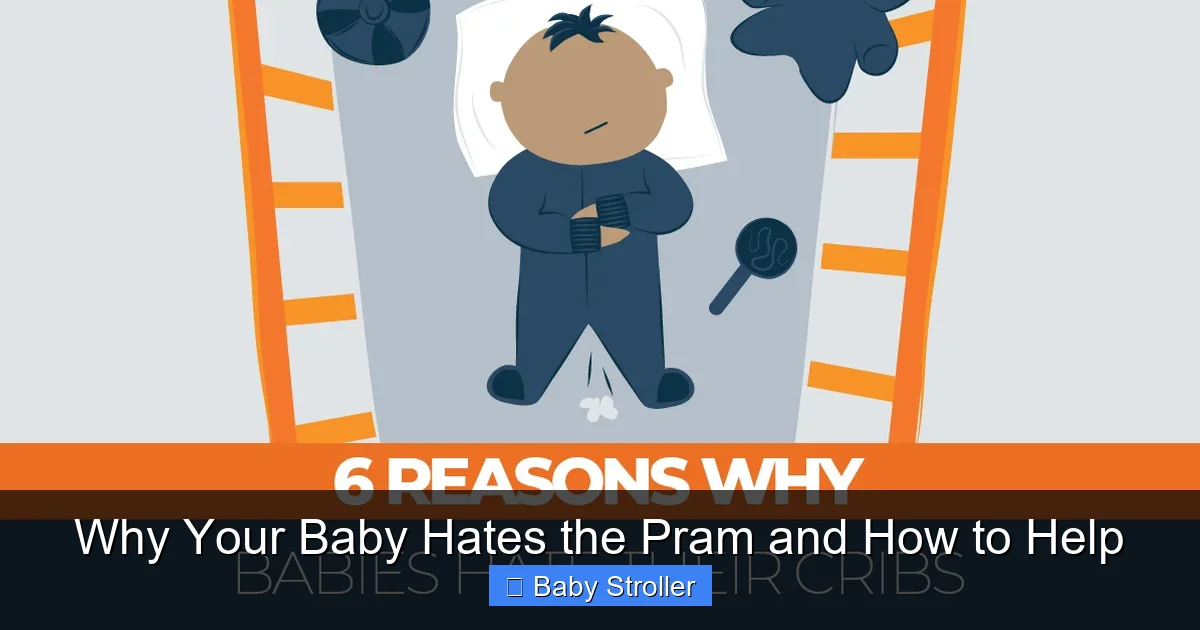
Visual guide about Why Your Baby Hates the Pram and How to Help
Image source: sleepadvisor.org
When Baby Cries Non-Stop
If crying persists, check for immediate needs: hunger, diaper, temperature. Then, consider if the pram is the issue. Try a different stroller model or a baby carrier for outings. Sometimes, a break from the pram for a few days can help reset your baby’s attitude. Also, ensure the pram isn’t causing motion sickness—smooth, steady pushes might help. If crying continues, consult a doctor to rule out pain or discomfort.
Alternative Options
If the pram remains a problem, explore alternatives like babywearing, slings, or lightweight strollers. Remember, every baby is different, and what works for one might not work for another. You can alternate between the pram and other methods to give your baby variety. Over time, your baby might become more accepting of the pram as they grow and develop.
Conclusion: Patience Leads to Pram Success
Helping your baby accept the pram takes patience and understanding. By addressing their comfort, fears, and needs, you can gradually make pram rides enjoyable. Remember, this phase is temporary, and with consistent effort, your baby will likely grow to love the pram. Keep trying different strategies, and don’t hesitate to seek advice from other parents or professionals. Happy outings await! With these tips, you can turn pram time into a bonding experience rather than a battle.
🎥 Related Video: What if child hates stroller
📺 Kaitlyn Day
