
Knowing when to move baby out of infant car seat is vital for your child’s safety. This guide covers the key factors, including height, weight, and developmental signs. Follow our step-by-step instructions to ensure a smooth and secure transition.
Key Takeaways
- Monitor Height and Weight Limits: Infant car seats have specific limits; exceeding them means it’s time to move for safety.
- Check Age Guidelines: Most babies outgrow infant seats by 12-18 months, but always refer to manufacturer specifications.
- Watch for Developmental Signs: If baby’s head is within an inch of the top or shoulders exceed harness slots, transition is needed.
- Prioritize Safety Over Convenience: Err on the side of caution when limits are reached, even if the seat seems usable.
- Choose the Right Convertible Seat: Select a rear-facing convertible car seat with high limits and good vehicle fit.
- Ensure Proper Installation: Correctly install the new seat using LATCH or seat belt, and seek professional help if unsure.
Introduction: Why Timing Matters for Infant Car Seat Transitions
As a parent, your baby’s safety is your top priority. One of the most critical decisions you’ll make is knowing when to move baby out of infant car seat. This transition isn’t just about convenience; it’s about ensuring your child is properly protected on every ride. Infant car seats are designed for newborns and small babies, but as your little one grows, they can outgrow these seats faster than you think. In this comprehensive guide, we’ll walk you through all the factors that signal it’s time for a change. You’ll learn how to spot the signs, choose the right next seat, and make the switch smoothly. By the end, you’ll feel confident in your decision and ready to keep your little one safe. Understanding when to move baby out of infant car seat can prevent safety risks and give you peace of mind. Let’s dive in!
Understanding Infant Car Seat Limits
Infant car seats come with specific limits set by manufacturers. These limits are based on rigorous safety testing. They ensure the seat can protect your baby in a crash. Ignoring these limits can put your child at risk. So, it’s crucial to know them. Most seats have height, weight, and age guidelines. But these aren’t just numbers on a label. They are key to deciding when to move baby out of infant car seat. Always keep the seat’s manual handy. Refer to it regularly as your baby grows. This proactive approach helps you stay ahead of any safety issues.

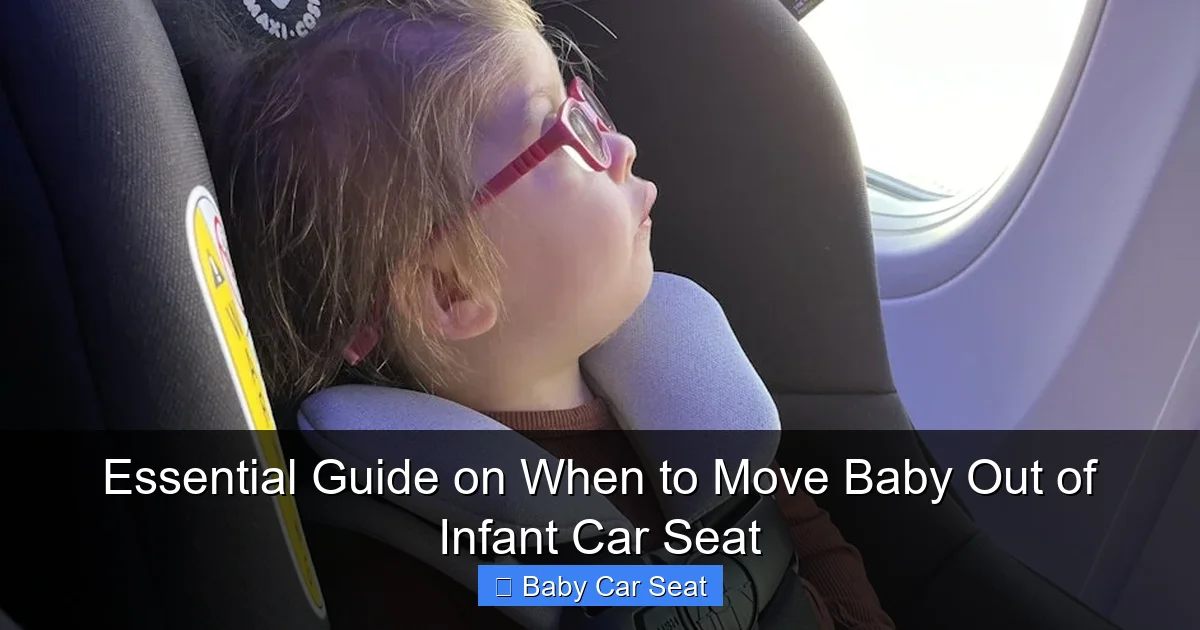
Visual guide about Essential Guide on When to Move Baby Out of Infant Car Seat
Image source: thule.com
Key Factors to Determine When to Move Baby Out of Infant Car Seat
Figuring out when to move baby out of infant car seat involves several key factors. Let’s break them down in detail. Each factor plays a role in keeping your baby safe. We’ll cover height, weight, age, and more. By combining these, you’ll get a clear picture of when it’s time to transition.
Visual guide about Essential Guide on When to Move Baby Out of Infant Car Seat
Image source: cdn.prod.website-files.com
Height Limits: The Top Sign to Watch For
Height is often the first indicator. Most infant car seats have a height limit. This is usually measured from the top of your baby’s head to the top of the seat shell. A common rule is the one-inch rule. If your baby’s head is within one inch of the top, it’s time to move. Why? In a crash, the seat needs to contain your baby fully. If their head is too high, they might not be protected. The shell could fail to absorb impact. Always check your seat’s manual for specific height limits. Some seats use a different metric, like overall height. Measure your baby regularly. Use a tape measure while they’re in the seat. This simple check can save lives. Knowing when to move baby out of infant car seat based on height is a smart safety habit.
Weight Limits: Don’t Exceed the Maximum
Weight limits are equally crucial. Infant seats typically have a maximum weight of 22 to 35 pounds. Once your baby reaches this weight, you must transition. Even if they seem comfortable, the harness and structure might not handle more weight safely. The materials can stretch or weaken. This compromises protection in an accident. Weigh your baby monthly. Use a reliable scale. Refer to the seat’s label for the exact limit. Don’t guess or estimate. Exceeding the weight limit is a common mistake. It’s a clear sign that it’s time to move baby out of infant car seat. Prioritize this over convenience. Your baby’s safety depends on it.
Age Considerations: More Than Just a Number
Age is a factor, but it’s not the only one. Most babies outgrow infant seats by 12 to 18 months. However, some might outgrow them sooner due to rapid growth. Others might fit longer if they’re smaller. Use age as a guideline, but always combine it with height and weight checks. Remember, the goal is to keep your baby rear-facing as long as possible. The American Academy of Pediatrics recommends rear-facing until at least age 2. A convertible seat allows this. So, when considering when to move baby out of infant car seat, think about age alongside other factors. This holistic approach ensures optimal safety.
Developmental Milestones: Behavioral Cues
Sometimes, your baby will show signs they’re ready to move. Behavioral cues can be telling. For example, if they seem cramped, fussy, or uncomfortable in the infant seat, it might be time. Also, if their shoulders are above the top harness slots, the seat no longer fits properly. Another cue is if baby can sit up unassisted. This often means they need more room. Pay attention to these cues alongside physical measurements. They can help you decide when to move baby out of infant car seat. Your baby’s comfort matters too. A happy baby is safer on the road.
Safety Standards and Expiration Dates
Infant car seats have expiration dates, usually 6 to 10 years from manufacture. Check the label on your seat. If it’s expired, it’s time to move baby out, regardless of other factors. Materials degrade over time. Safety standards also update. An old seat might not meet current regulations. Additionally, if the seat has been in a crash, replace it immediately. These aspects are critical when deciding when to move baby out of infant car seat. Always prioritize a seat that’s in good condition and up-to-date.
Step-by-Step Guide to Transitioning Your Baby to a Convertible Car Seat
Once you’ve decided it’s time to move baby out of infant car seat, follow these steps for a safe transition. This process ensures your baby is protected every step of the way. We’ll cover assessment, selection, installation, and more.
Visual guide about Essential Guide on When to Move Baby Out of Infant Car Seat
Image source: thecarseatlady.com
Step 1: Assess Your Baby’s Current Fit
Before anything, verify that your baby has outgrown the infant seat. Measure their height and weight accurately. Use a tape measure and scale. Check the seat’s manual for limits. Look for the one-inch rule for head height. Also, inspect the harness slots. If the shoulders are above the top slots, it’s time. This assessment is key to knowing when to move baby out of infant car seat. Don’t rush this step. Take your time to ensure accuracy. If in doubt, consult a professional.
Step 2: Research and Choose the Right Convertible Car Seat
Convertible car seats can be used rear-facing and later forward-facing. Choose one with high height and weight limits for rear-facing. This extends safety. Read reviews from trusted sources like Consumer Reports. Check safety ratings from organizations like NHTSA. Ensure the seat fits your vehicle. Some seats are bulky, so measure your car’s back seat. Look for features like easy installation, comfortable padding, and washable covers. Your goal is a seat that will last for years. Investing time in research pays off. It helps you make an informed decision when you move baby out of infant car seat.
Step 3: Proper Installation of the New Seat
Installation is critical. A poorly installed seat is unsafe. Start by reading both the car seat and vehicle manuals. Use either the vehicle’s LATCH system or the seat belt, whichever is recommended. Ensure the seat is tightly installed. There should be less than an inch of movement at the belt path. Use your non-dominant hand to test it. Adjust the recline angle according to your baby’s age. For rear-facing, it should be at the correct angle to support the head. If unsure, seek help from a certified child passenger safety technician. Many fire stations or hospitals offer free checks. Proper installation is non-negotiable when you move baby out of infant car seat.
Step 4: Acclimate Your Baby to the New Seat
Let your baby get used to the new seat before the first ride. Place it in the living room and let them sit in it while playing. Make it a positive experience with toys, songs, and praise. This helps reduce fussiness during car rides. You can also take short practice drives around the neighborhood. Transitioning can be smooth with a little preparation. Acclimation eases the change for both you and your baby. It’s a simple step that makes a big difference when you move baby out of infant car seat.
Step 5: Final Safety Checks Before First Ride
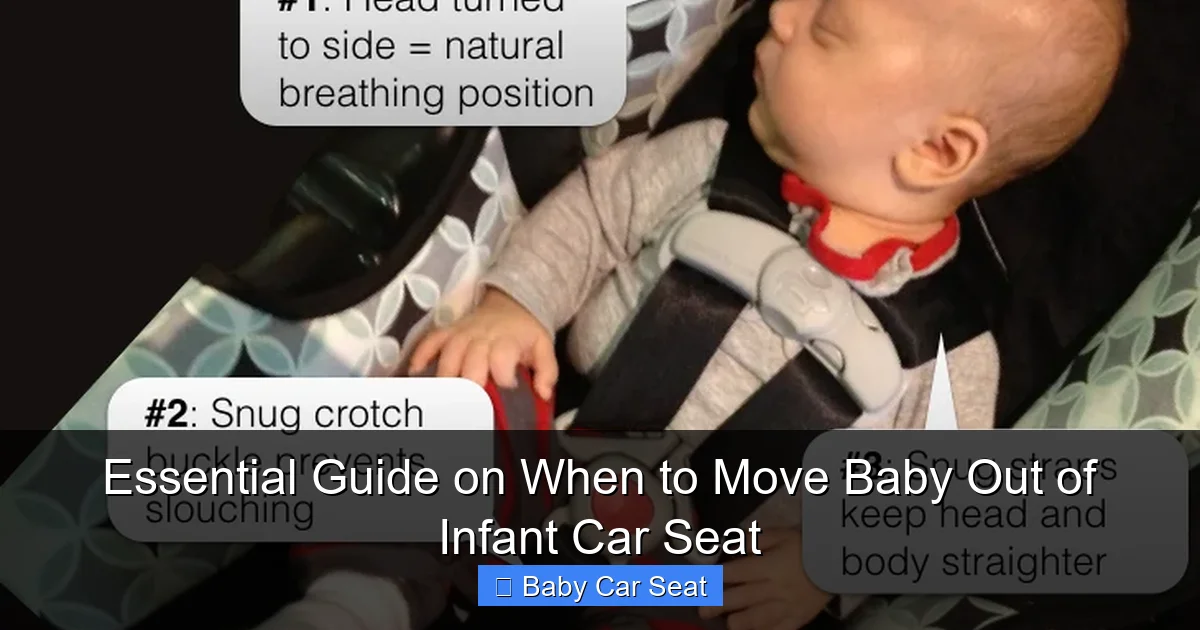
Before hitting the road, double-check everything. Ensure the harness is snug—you shouldn’t be able to pinch any slack at the shoulders. The chest clip should be at armpit level. The seat should be at the correct recline angle. Also, verify that the seat is still tightly installed. These checks ensure your baby is safe and secure. Make this a habit every time you use the seat. Safety is an ongoing process. By following these steps, you’ll master when to move baby out of infant car seat.
Practical Tips for a Smooth and Safe Transition
Here are some extra tips to help when you move baby out of infant car seat. These practical ideas make the process easier and safer.
Tip 1: Make the Switch Gradually
If possible, start using the convertible seat for short trips before longer ones. This lets your baby adjust without stress. Keep the infant seat handy for quick errands if needed, but prioritize the new seat for safety. Gradual transition helps everyone adapt. It reduces anxiety for parents and babies alike. When planning when to move baby out of infant car seat, consider this phased approach.
Tip 2: Use Comfort Items
Add familiar items like a favorite blanket or small toy to the new seat. This can make it feel more comforting. Avoid bulky items that interfere with the harness, though. Safety first, but comfort helps too. Comfort items ease the change, making the new seat inviting. This tip is especially useful for sensitive babies.
Tip 3: Double-Check Harness Fit
With a convertible seat, harness fit is key. Adjust the straps as your baby grows. They should be at or below shoulder level for rear-facing. The harness should be snug but not tight. You should not be able to pinch excess webbing. Regularly revisit this as part of your routine. A proper fit ensures protection. It’s a core aspect of knowing when to move baby out of infant car seat and maintaining safety afterward.
Tip 4: Keep the Infant Seat for Travel if Needed
If you travel frequently, you might keep the infant seat for airplane use or rentals. But only if your baby hasn’t outgrown it. Once limits are reached, it’s time to move baby out of infant car seat entirely. For travel, consider a lightweight convertible seat instead. Balance convenience with safety. Always follow the same rules on the go.
Tip 5: Involve Your Baby in the Process
Let your baby touch and explore the new seat. Explain that it’s their “big kid” seat. Use positive language. This involvement can build excitement. It turns the transition into a milestone rather than a chore. When you move baby out of infant car seat, make it a celebration. This positive association helps with cooperation.
Troubleshooting Common Issues When Moving Baby Out of Infant Car Seat
Sometimes, challenges arise. Here’s how to handle them. These solutions address common problems parents face.
Issue 1: Baby Seems Uncomfortable in the New Seat
If your baby cries or seems unsettled, check for discomfort sources. Is the harness too tight? Is the seat too upright? Adjust the recline or padding. Give it time; babies often need a few rides to adapt. Ensure the seat is installed correctly for comfort and safety. Sometimes, a different cover material helps. Patience is key. This issue is common when you move baby out of infant car seat, but it usually resolves quickly.
Issue 2: The New Seat Doesn’t Fit Your Vehicle
Some convertible seats are bulky. If it doesn’t fit well, try different positions in the car, like the center or outboard seats. Consult the car seat manual for vehicle compatibility. If necessary, consider exchanging the seat for a slimmer model. Proper fit is essential for safety. Don’t force a seat that doesn’t fit. Research before buying to avoid this issue when you move baby out of infant car seat.
Issue 3: You’re Unsure About Installation
Don’t guess! Incorrect installation is common. Use resources like video tutorials from the manufacturer. Or, find a local car seat inspection station. Certified technicians can help ensure your seat is installed perfectly. This peace of mind is worth the effort. Many communities offer free checks. Take advantage of these services. They are invaluable when you move baby out of infant car seat.
Issue 4: Baby Misses the Infant Seat’s Portability
The infant seat’s carry handle is convenient. Without it, you’ll need to carry your baby in and out of the car. Use a baby carrier or stroller for outings. Plan ahead to minimize hassle. This adjustment is part of the transition. Remember, safety outweighs convenience. Over time, you’ll adapt to this new normal.
Conclusion: Embracing the Next Stage with Confidence
Knowing when to move baby out of infant car seat is a milestone in your parenting journey. By following the factors and steps in this guide, you can make an informed decision. Remember, safety always comes first. Transitioning to a convertible seat means your baby continues to ride rear-facing, which is safest. With proper installation and regular checks, you’ll provide the best protection. Embrace this change confidently, knowing you’re keeping your child safe on the road. The process of deciding when to move baby out of infant car seat may seem daunting, but with knowledge and care, it becomes straightforward. You’ve got this! Keep learning, stay vigilant, and enjoy the ride ahead with your growing baby.
🎥 Related Video: How to buckle baby in car seat | SG Road Safety Month #carseat #babygear #maxicosi #babysafety
📺 PramFox Baby Gear Boutique, SG
