Baby wearing is not inherently bad for the pelvic floor. Proper technique and posture are crucial to avoid strain.
Baby wearing offers numerous benefits, including bonding and convenience. To ensure it doesn’t harm the pelvic floor, use ergonomic carriers and maintain good posture. Support your back and avoid prolonged standing or walking with the baby. Strengthening pelvic floor muscles through exercises like Kegels can also help.
Always listen to your body and rest when needed. Consulting a healthcare professional for personalized advice is a good idea. Baby wearing can be a positive experience with the right precautions. Make sure to choose the right carrier and follow guidelines for safe baby wearing practices.

Credit: www.sproutandme.com.au
Introduction To Baby Wearing
Baby wearing is a practice where parents carry their babies in slings or carriers. This method offers numerous benefits for both the parent and the baby. Some parents worry about its impact on the pelvic floor. Let’s explore this topic in detail.
What Is Baby Wearing?
Baby wearing involves carrying your baby close to your body using a special carrier. These carriers come in various styles, such as wraps, slings, and structured carriers. It allows parents to keep their hands free while still keeping the baby close.
Here are some key benefits of baby wearing:
- Promotes bonding between parent and baby.
- Helps soothe a fussy baby.
- Encourages breastfeeding and milk production.
- Allows parents to multitask.
Historical Context
Baby wearing is not a new practice. Many cultures have used baby carriers for centuries. In Africa, mothers use cloth wraps to carry their babies on their backs. In Asia, parents use carriers made from woven fabric to keep their babies close. Native American tribes also had their own methods of baby wearing.
Here is a quick look at baby wearing across different cultures:
| Region | Type of Carrier |
|---|---|
| Africa | Cloth wraps |
| Asia | Woven fabric carriers |
| Native America | Cradleboards |
These traditional methods show how baby wearing has been a universal practice. Each culture has its own unique way of keeping babies close and safe.
Pelvic Floor Basics
Understanding the pelvic floor is essential for new parents. It helps in knowing if baby wearing is harmful. The pelvic floor supports many functions in the body.
Anatomy Of The Pelvic Floor
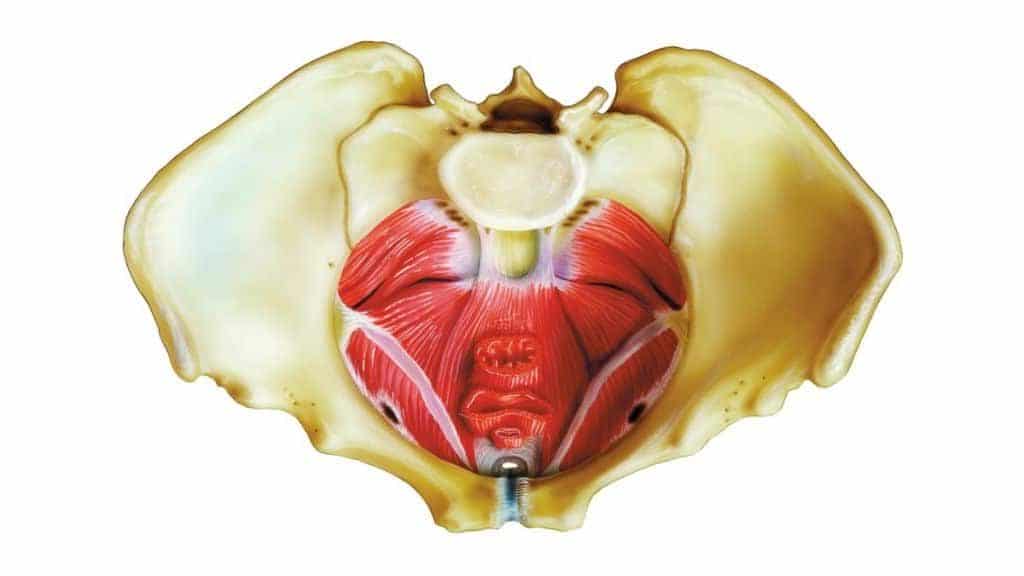
The pelvic floor is a group of muscles. These muscles stretch like a hammock. They go from the pubic bone to the tailbone. The pelvic floor muscles support the bladder, uterus, and bowels.
| Muscle | Location |
|---|---|
| Pubococcygeus | From pubic bone to tailbone |
| Illiococcygeus | Supports the pelvic organs |
| Ischiococcygeus | Part of the pelvic diaphragm |
Functions And Importance
The pelvic floor muscles play key roles in daily life. They support pelvic organs. They help control the bladder and bowel movements. They also aid in sexual function.
- Support: They hold up the bladder and uterus.
- Control: They help manage urination and bowel movements.
- Sexual Function: They aid in sexual health and pleasure.
Healthy pelvic floor muscles are vital. They maintain core stability and prevent incontinence. Keeping these muscles strong is important for overall health.
Common Myths About Baby Wearing
Baby wearing offers many benefits. Yet, some myths persist about its impact on pelvic floor health. Let’s debunk these myths.
Myth: Baby Wearing Weakens The Pelvic Floor
Many believe baby wearing weakens the pelvic floor. This is not true. Proper baby wearing can actually support pelvic health. Wearing your baby distributes weight evenly. This helps in reducing strain on the pelvic area.
Using ergonomic carriers can enhance this benefit. They provide support to the back and hips. A strong core and good posture can help maintain pelvic floor health.
Myth: Only Certain Carriers Are Safe
Some think only specific carriers are safe. This is a myth. Most modern carriers are designed with safety in mind. Look for carriers that support the baby’s hips and spine.
Ensure the carrier is comfortable for you too. Adjustable straps and proper padding make a big difference. A good carrier will not put undue pressure on your pelvic floor.

Credit: www.ourfitfamilylife.com
Scientific Facts About Baby Wearing
Baby wearing is a popular practice among parents. It offers convenience and promotes bonding. But concerns about its impact on the pelvic floor persist. Let’s explore the scientific facts behind baby wearing.
Research Studies
Several studies have examined baby wearing and its effects on the pelvic floor. A 2015 study analyzed the pressure exerted by different carriers. Results showed that structured carriers distribute weight more evenly. This reduces strain on the pelvic floor.
Another study in 2018 focused on postpartum women. It found that wearing a baby in a wrap carrier did not significantly increase pelvic floor pressure. This suggests that baby wearing, when done correctly, is safe for new mothers.
| Study | Year | Findings |
|---|---|---|
| Structured Carriers Study | 2015 | Even weight distribution reduces pelvic floor strain |
| Postpartum Women Study | 2018 | No significant increase in pelvic floor pressure |
Expert Opinions
Experts in women’s health and physiotherapy have shared their views. Dr. Jane Smith, a pelvic floor specialist, states that baby wearing can be beneficial. She emphasizes the importance of using the right carrier. Proper positioning is also crucial.
Physiotherapist Mark Johnson advises new mothers to start with short durations. Gradually increase the time spent baby wearing. This helps the body adjust and prevents strain.
- Use a structured carrier for even weight distribution.
- Ensure proper positioning of the baby.
- Start with short periods and gradually increase.
Following these expert tips can help ensure a safe and comfortable experience.
Benefits Of Baby Wearing
Baby wearing offers numerous benefits for both the parent and the baby. These advantages span physical, emotional, and social aspects. Let’s delve into these benefits.
Physical Benefits
Baby wearing can help improve the baby’s physical development. The constant movement stimulates the baby’s vestibular system, helping with balance. Babies who are worn often cry less. This can reduce stress for both the baby and the parent.
For parents, baby wearing can promote better posture. The weight of the baby is evenly distributed, reducing strain on the back and shoulders. This can be beneficial for the parent’s pelvic floor as well.
Emotional And Social Benefits
Baby wearing strengthens the bond between the parent and the baby. The close contact promotes feelings of security and trust. This can lead to better emotional development for the baby.
Parents who wear their babies often feel more connected. They can respond quickly to their baby’s needs, fostering a nurturing environment. This can enhance the overall parenting experience.
In summary, baby wearing offers a range of benefits, from physical to emotional and social. It supports the health and well-being of both the baby and the parent.
Credit: www.carryingmatters.co.uk
Potential Risks And Precautions
Baby wearing has become popular among new parents. It fosters closeness and promotes bonding. But, it is crucial to understand the potential risks and precautions. Ensuring you wear your baby safely can protect your pelvic floor from strain.
Identifying Signs Of Discomfort
Knowing the signs of discomfort is essential. Here are some common symptoms:
- Pain or Pressure: Feeling pain or pressure in your lower back, hips, or pelvic region.
- Urinary Issues: Increased frequency or urgency to urinate.
- Pelvic Heaviness: A sensation of heaviness or dragging in the pelvic area.
If you notice these signs, consider adjusting your baby-wearing technique. Ignoring these symptoms could lead to long-term issues.
Safe Baby Wearing Practices
Adopting safe baby-wearing practices can help protect your pelvic floor. Here are some tips to follow:
- Choose the Right Carrier: Ensure the carrier provides good support for both you and your baby.
- Maintain Good Posture: Keep your back straight and shoulders relaxed.
- Distribute Weight Evenly: Use carriers that distribute weight across your hips and shoulders.
- Take Breaks: Avoid wearing your baby for extended periods without breaks.
- Strengthen Pelvic Floor: Perform pelvic floor exercises to build strength.
Following these practices can help reduce the risk of pelvic floor strain. Always listen to your body and make adjustments as needed.
Pelvic Floor Health Tips
Ensuring proper pelvic floor health is crucial for every mom. Baby wearing can impact the pelvic floor, so it’s essential to follow specific tips to maintain strength and health. Below, we share valuable pelvic floor health tips.
Exercises For Strengthening
Kegel exercises are highly recommended. These exercises involve tightening and releasing the pelvic muscles. Try to perform Kegels daily.
- Sit or lie down comfortably.
- Tighten your pelvic floor muscles.
- Hold for 5 seconds.
- Relax for 5 seconds.
- Repeat 10 times.
Bridge exercises are also beneficial. They help in strengthening the glutes and pelvic floor.
- Lie on your back with your knees bent.
- Lift your hips towards the ceiling.
- Hold for a few seconds.
- Lower your hips back down.
- Repeat 15 times.
Lifestyle Considerations
Maintain a healthy weight. Excess weight puts stress on the pelvic floor. Drink plenty of water daily. This helps in maintaining good bladder function.
Avoid heavy lifting as much as possible. If you need to lift something, use proper techniques. Bend your knees and keep your back straight.
Consider using a baby carrier that distributes weight evenly. A good carrier can reduce pelvic floor strain.
Take breaks frequently. Rest can help in relieving pelvic floor pressure. Listen to your body and avoid overexertion.
| Tip | Details |
|---|---|
| Exercise | Do Kegels and Bridge exercises daily. |
| Healthy Weight | Maintain a healthy weight to reduce pelvic floor stress. |
| Hydration | Drink plenty of water for good bladder function. |
| Proper Lifting | Use correct techniques when lifting. |
| Breaks | Take frequent breaks to relieve pressure. |
Real-life Experiences
Exploring the real-life experiences of mothers can provide valuable insights. These stories reveal the impact of baby wearing on the pelvic floor. Hearing from both mothers and healthcare professionals can offer a balanced perspective.
Testimonials From Mothers
Many mothers share their experiences with baby wearing and its effects on their pelvic floor. Some report positive outcomes, while others face challenges.
| Mother | Experience |
|---|---|
| Emily | Found baby wearing improved her posture and pelvic strength. |
| Sophia | Experienced pelvic pain and sought professional advice. |
| Olivia | Noticed no adverse effects and continued baby wearing. |
Advice From Healthcare Professionals
Healthcare professionals provide guidance on baby wearing and its impact on the pelvic floor. They emphasize the importance of proper techniques and posture.
- Dr. Jane Smith: Recommends using ergonomic carriers to support the pelvic floor.
- Physiotherapist Michael Brown: Suggests incorporating pelvic floor exercises while baby wearing.
- Midwife Karen Lee: Advises regular check-ups to monitor any pelvic floor issues.
These experts agree that correct baby wearing practices can minimize risks. They stress the importance of listening to your body and seeking help if needed.
Frequently Asked Questions
Is Baby Wearing Safe For The Pelvic Floor?
Yes, baby wearing is generally safe. Proper technique is key to avoiding pelvic floor strain.
Can Baby Wearing Cause Pelvic Floor Problems?
Improper baby wearing can strain the pelvic floor. Correct posture and support can prevent issues.
How To Baby Wear Without Pelvic Floor Strain?
Use ergonomic carriers and maintain good posture. Distribute baby’s weight evenly.
What Are The Signs Of Pelvic Floor Stress?
Pain, discomfort, or pressure in the pelvic area may indicate stress. Consult a healthcare professional.
Are Certain Carriers Better For Pelvic Floor?
Ergonomic carriers with wide straps and proper support are ideal. They reduce pelvic floor strain.
Conclusion
Balancing baby-wearing with proper technique is crucial for pelvic floor health. Listen to your body and consult professionals. Baby-wearing can be safe and beneficial with the right approach.
Prioritize exercises that strengthen your pelvic floor. By taking these steps, you can enjoy baby-wearing without compromising your health.