You can carry your baby on your hip when they have strong neck and head control. This usually happens around six months.
Babies typically develop the necessary strength to be carried on the hip by six months. At this stage, they can hold their head up independently and have better control over their neck muscles.
Carrying your baby on your hip can help in evenly distributing their weight, making it more comfortable for both you and the baby.
This position also allows your baby to observe the surroundings, aiding in their cognitive development. Always ensure you support their back and keep a firm hold.
Using a baby carrier designed for hip carrying can provide additional support and comfort.
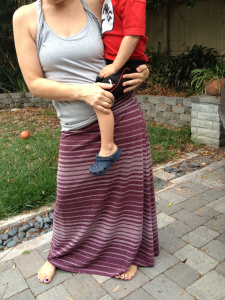
Credit: arroyoandshpritz.com
Physical Development Milestones
Understanding your baby’s physical development is crucial. It helps in knowing when to carry your baby on your hip. Two key milestones are neck and head control and sitting without support.
Neck And Head Control
Babies develop neck and head control around 4 to 6 months. During this time, they can hold their head steady while sitting. It’s a sign their muscles are getting stronger.
To support this milestone, you can try the following activities:
- Tummy time: Helps strengthen neck muscles.
- Sitting with support: Use pillows or your hands.
- Gentle play: Encourage head movement with toys.
Once they have good control, you can start carrying them on your hip. This will help them see the world from a new angle.
Sitting Without Support
Another important milestone is sitting without support. Babies usually achieve this between 6 to 8 months. This shows they have good balance and core strength.
You can encourage this milestone by:
- Placing toys around them: Encourages reaching and balancing.
- Using a baby seat: Helps them practice sitting up.
- Giving them floor time: Allows freedom to practice sitting.
When your baby can sit without support, they are ready for more hip-carrying time. This helps them interact more with their environment.
Benefits Of Hip Carrying
Hip carrying is a popular method for parents to hold their babies. This technique offers numerous advantages for both the parent and the child. Below, we explore the key benefits of hip carrying.
Enhanced Bonding
Hip carrying allows close physical contact between the parent and the baby. This proximity fosters a stronger emotional connection. Babies feel secure when held close to their caregiver. This sense of security can reduce anxiety and stress for the baby.
Parents can easily maintain eye contact with their baby. This helps in building trust and understanding. Talking and singing to the baby become more natural and frequent. These interactions boost the baby’s emotional and cognitive development.
Ease Of Movement
Carrying a baby on the hip offers great mobility for parents. It frees up one hand, making daily tasks easier to manage. Parents can cook, clean, or shop while still holding their baby. This can be very convenient, especially for busy caregivers.
Hip carrying helps distribute the baby’s weight more evenly. This reduces strain on the parent’s back and shoulders. It allows for longer periods of carrying without discomfort. Parents can also switch sides to avoid muscle fatigue.
Below is a simple comparison table highlighting the key benefits:
| Benefit | Description |
|---|---|
| Enhanced Bonding | Promotes emotional connection and security |
| Ease of Movement | Allows multitasking and reduces physical strain |
Hip carrying is a versatile and practical method. It offers significant benefits for both parents and babies. Consider incorporating hip carrying into your daily routine.
When To Start Hip Carrying
Hip carrying your baby can be a great way to keep your baby close. Many parents find it convenient and comfortable. But, when is the right time to start hip carrying your baby? Let’s explore the recommended age and signs of readiness.
Recommended Age
Most babies are ready for hip carrying around 6 months old. By this age, many babies can sit up without support. They also have better neck and head control. These abilities are crucial for safe hip carrying.
Signs Of Readiness
Look for these signs to know if your baby is ready:
- Baby can sit up without help.
- Baby has good neck control.
- Baby can hold their head steady.
If your baby shows these signs, you can start hip carrying. Always ensure your baby is comfortable and secure.
Proper Techniques
Carrying your baby on your hip can be convenient and comfortable. It helps you keep your hands free while keeping your baby close. However, it’s important to use the proper techniques to ensure safety and comfort for both you and your baby.
Correct Positioning
The correct positioning is essential when carrying your baby on your hip. Your baby should be seated on the fleshy part of your hip. This helps distribute their weight evenly.
- Ensure your baby’s legs are wrapped around your waist.
- Keep your baby’s back supported with one arm.
- Your baby’s head should be close to your chest.
Maintain a straight posture to avoid back strain. Your baby should be able to see over your shoulder.
Safety Precautions
Safety precautions are crucial while carrying your baby on your hip. Always use your arm to support your baby. Check that your baby is secure and comfortable.
- Make sure your baby can breathe easily.
- Avoid carrying your baby on your hip for long periods.
- Use a baby carrier for added support if needed.
Be mindful of your surroundings. Avoid any objects that could harm your baby.
Proper techniques can make carrying your baby on your hip a safe and enjoyable experience. Ensure you follow these tips to keep both you and your baby comfortable and secure.
Choosing The Right Carrier
Choosing the right carrier is crucial for carrying your baby on your hip. The right carrier ensures safety and comfort for both you and your baby. In this section, we will discuss the types of carriers and features to look for.
Types Of Carriers
There are several types of carriers available:
- Ring Slings: Made of fabric with a ring for easy adjustment.
- Mei Tais: A mix between a wrap and a structured carrier.
- Soft Structured Carriers: Provide padded straps and buckles.
- Wraps: Long pieces of fabric you tie around your body.
Features To Look For
Consider the following features when choosing a carrier:
| Feature | Description |
|---|---|
| Comfort | Padded straps and waistbands for reduced strain. |
| Adjustability | Easy to adjust for different body types. |
| Support | Proper support for baby’s head and back. |
| Breathability | Lightweight, breathable materials for hot weather. |
| Safety | Secure buckles and strong stitching. |
Common Mistakes To Avoid
Carrying your baby on your hip can be comfortable for both you and your child. Yet, many parents unknowingly make mistakes that could lead to discomfort or even injury. Let’s explore some of these common mistakes to avoid.
Incorrect Positioning
One of the most frequent errors is incorrect positioning of the baby on the hip. This can cause strain on your back and hips.
- Ensure the baby’s legs are spread wide around your waist.
- Keep the baby’s spine straight and aligned with yours.
- Support the baby’s bottom with one hand.
- Use a baby carrier for better support.
Incorrect positioning can also affect your baby’s hip development. Always check that the baby’s knees are higher than their bottom.
Ignoring Baby’s Cues
Babies communicate through their cues. Ignoring these can lead to discomfort or distress.
- Watch for signs of discomfort, like fussiness or squirming.
- If your baby leans away, they might need a different position.
- Take breaks if your baby seems tired or restless.
- Ensure the baby is not too hot or cold.
Responding to your baby’s cues ensures they are comfortable and happy. This also helps build trust and strengthens your bond.
Expert Tips
When carrying your baby on your hip, expert tips can help ensure safety and comfort. Below, we share advice from pediatricians and experienced parents. These tips can guide you in making the best decisions.
Consulting Pediatricians
Pediatricians are experts in child health. They provide valuable insights on baby care. Here are some tips from pediatricians:
- Consult your pediatrician before you start carrying your baby on your hip.
- They can check your baby’s physical development.
- Ask about the ideal age to start hip carrying.
- Pediatricians can suggest safe carrying techniques.
- They may recommend specific baby carriers for added safety.
Listening To Experienced Parents
Parents with experience offer practical advice. They have hands-on knowledge. Here are some tips from experienced parents:
- Start hip carrying when your baby has good head control.
- Use a strong arm to support your baby’s weight.
- Switch sides to avoid muscle strain.
- Choose comfortable clothing for both you and your baby.
- Look for signs of discomfort in your baby.
Experienced parents often recommend using a hip seat carrier. This can reduce strain on your back and hips. It also provides extra support for your baby.

Credit: wrapyourbaby.com
Frequently Asked Questions
When Can You Start Carrying Baby On Hip?
Babies can be carried on the hip around 6 months when they have stable head and neck control.
Is Hip Carrying Safe For Newborns?
No, hip carrying is not safe for newborns. They lack the necessary neck and head control.
How Long Can You Carry Baby On Hip?
Carry your baby on the hip for short periods to avoid straining your back and shoulders.
What Are The Benefits Of Hip Carrying?
Hip carrying allows better interaction and bonding with your baby while keeping your hands free.
Which Carriers Support Hip Carrying?
Ring slings, hip seats, and some structured carriers support safe and comfortable hip carrying.
Conclusion
Carrying your baby on your hip can be a bonding experience. Ensure your baby is developmentally ready and comfortable. Always maintain proper posture to avoid strain.
Remember, every baby is unique, so consult your pediatrician for personalized advice. Enjoy this precious time with your little one safely and confidently.