
Parental abuse involves harmful actions by a parent towards their child. It includes physical, emotional, and psychological harm.
Understanding parental abuse is crucial. It affects a child’s well-being and development. Abuse can be physical, like hitting or slapping. It can be emotional, like constant criticism or neglect. Psychological abuse includes manipulation and control. Recognizing these signs helps protect children.
Knowing what constitutes abuse aids in early intervention. It is important to be aware and take action. This blog explores the various forms of parental abuse. It aims to inform and support those affected. By understanding abuse, we can work towards prevention and healing.
Defining Parental Abuse
Understanding parental abuse is crucial for creating a safe environment for children. This section will define what parental abuse is, and outline its various forms. We will also explore the legal definitions that help identify and address it.
Types Of Parental Abuse
Parental abuse can take many forms. It is not just physical. Here are the main types:
- Physical Abuse: This includes hitting, kicking, or any form of physical harm.
- Emotional Abuse: This involves verbal abuse, threats, and constant criticism.
- Neglect: Failing to provide basic needs like food, shelter, and medical care.
- Sexual Abuse: Any form of sexual contact or exploitation.
- Financial Abuse: Exploiting a child’s financial resources for personal gain.
Legal Definitions
Different countries have different laws to define and address parental abuse. These laws provide a framework for protecting children and prosecuting abusers.
| Country | Legal Definition |
|---|---|
| United States | Parental abuse is any form of maltreatment by a parent or guardian. This includes physical, emotional, sexual abuse, and neglect. |
| United Kingdom | Child abuse involves physical injury, emotional harm, sexual exploitation, and neglect by a parent or caregiver. |
| Australia | Abuse includes physical harm, emotional maltreatment, sexual abuse, and neglect by a parent or guardian. |
Understanding these definitions helps in recognizing and preventing parental abuse. It is essential for the well-being of children.
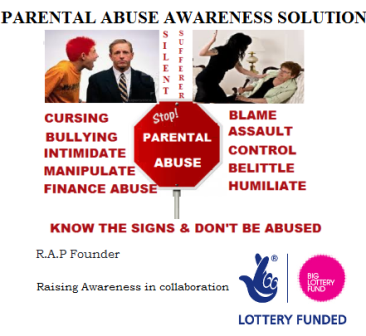
Credit: www.rapcharity.co.uk
Physical Abuse Indicators
Recognizing physical abuse in children is crucial. Physical abuse often leaves visible signs. These signs can help identify abuse early. It is important to stay vigilant and know what to look for.
Visible Injuries
Visible injuries are the most obvious indicators of physical abuse. These injuries may appear as:
- Bruises
- Cuts
- Burns
- Fractures
Bruises in various stages of healing can signal repeated abuse. Pay attention to unusual patterns or shapes, like handprints or belt marks. Cuts or burns with clear shapes may indicate intentional harm. Fractures in different healing stages can also be a red flag.
Behavioral Changes
Children suffering from physical abuse often show noticeable behavioral changes. These changes can be as telling as physical injuries. Watch for:
- Withdrawal from friends and activities
- Fear of going home
- Sudden drop in school performance
- Increased aggression or anger
Withdrawal from friends and activities can indicate a child is trying to hide injuries or avoid questions. A fear of going home is a strong sign that the home environment may be unsafe. A sudden drop in school performance might suggest a child is preoccupied with their safety, not their studies. Increased aggression or anger can be a way for the child to express their trauma.
Emotional And Psychological Abuse
Emotional and psychological abuse can be just as damaging as physical abuse. It often leaves deep, lasting scars on a child’s mental health. Recognizing and addressing this form of abuse is crucial. Let’s explore the signs and impacts of this kind of abuse.
Verbal Abuse Signs
Verbal abuse includes name-calling, shouting, and belittling. These actions harm a child’s self-esteem. Children may feel worthless or unloved. Here are some signs to watch for:
- Frequent crying
- Sudden behavior changes
- Withdrawal from friends and activities
- Low self-confidence
Parents may use hurtful words to control or manipulate. This type of abuse can cause significant emotional damage. It’s important to listen and offer support to children showing these signs.
Mental Health Impact
Emotional and psychological abuse affects a child’s mental health. It can lead to anxiety, depression, and other disorders. Here are some potential impacts:
| Impact | Description |
|---|---|
| Anxiety | Constant worry and fear |
| Depression | Persistent sadness and loss of interest |
| Trust Issues | Difficulty trusting others |
| Self-Harm | Harming oneself as a coping mechanism |
These mental health issues can persist into adulthood. Early intervention can help mitigate these effects. Therapy and supportive relationships play a crucial role in recovery.
Credit: mandatedreporter.com
Neglect As Abuse
Neglect is often a form of parental abuse that goes unnoticed. It is the failure to provide for a child’s basic needs. Neglect can have severe long-term effects on a child’s development and well-being. In this section, we will explore two critical types of neglect: Basic Needs Neglect and Emotional Neglect.
Basic Needs Neglect
Basic needs neglect involves the failure to provide essential necessities. This includes food, shelter, clothing, medical care, and education. Children need these basics to grow and thrive.
For instance, a child may suffer from malnutrition if they do not receive proper food. Lack of adequate shelter can expose children to dangerous environments. Inadequate clothing can leave them vulnerable to harsh weather conditions. Without medical care, treatable illnesses can become severe. Education is crucial for a child’s future. Denying it can limit their opportunities in life.
| Basic Need | Impact of Neglect |
|---|---|
| Food | Malnutrition, stunted growth |
| Shelter | Exposure to unsafe conditions |
| Clothing | Susceptibility to weather |
| Medical Care | Untreated illnesses |
| Education | Limited opportunities |
Emotional Neglect
Emotional neglect is the failure to meet a child’s emotional needs. This includes love, support, and attention. Emotional neglect can be as damaging as physical neglect.
Children need to feel loved and valued. Without emotional support, they may develop low self-esteem. They may also struggle with forming healthy relationships in the future. Emotional neglect can lead to anxiety, depression, and other mental health issues.
Signs of emotional neglect include:
- Lack of affection
- Ignoring the child’s emotional expressions
- Failure to provide comfort during distress
- Withholding love as a form of punishment
Providing emotional support is crucial for a child’s mental well-being. A child needs to feel safe and secure in their environment.
Long-term Consequences
Parental abuse has severe long-term consequences for children. These effects can shape their entire lives. Understanding these consequences is crucial for prevention and support.
Impact On Child Development
Children exposed to parental abuse often face developmental challenges. They may struggle with emotional regulation. This can lead to anxiety and depression.
Their cognitive development might suffer too. Abused children often perform poorly in school. They may have trouble concentrating and learning new skills.
Physical health is also at risk. Stress from abuse can weaken the immune system. Children might experience frequent illnesses or chronic conditions.
Future Relationships
Abuse affects future relationships deeply. Children may struggle to trust others. They might fear getting hurt again.
Building healthy relationships becomes a challenge. They may not know what a healthy relationship looks like. This can lead to choosing unhealthy partners.
Social skills can be impacted as well. Abused children might withdraw or become aggressive. They might struggle with making and keeping friends.
| Consequence | Description |
|---|---|
| Emotional Challenges | Anxiety, depression, and emotional instability |
| Cognitive Issues | Poor academic performance and concentration problems |
| Physical Health Risks | Weak immune system and chronic illnesses |
| Trust Issues | Difficulty trusting others and forming relationships |
| Social Skills | Challenges in making and keeping friends |

Credit: neildbrown.com
Seeking Help And Support
Parental abuse is a serious issue that can leave lasting scars. It’s crucial for victims to seek help and support as soon as possible. Knowing where to turn and who to talk to can make a world of difference. In this section, we’ll explore various resources and legal actions available to those affected by parental abuse.
Resources For Victims
Various organizations offer help to victims of parental abuse. These resources provide emotional support, guidance, and practical assistance.
- Hotlines: Many countries have hotlines dedicated to abuse victims. They offer immediate help and guidance. The National Child Abuse Hotline in the USA is one such resource.
- Counseling Services: Therapy can help victims process their experiences. Many non-profits offer free or low-cost counseling services.
- Support Groups: Joining a support group can provide a sense of community. Sharing experiences with others who understand can be very healing.
- Online Resources: Websites like ChildHelp and NSPCC offer valuable information and support for abuse victims.
Legal Actions
Victims of parental abuse have legal options to protect themselves and seek justice. Knowing these options can empower victims to take the necessary steps.
| Action | Description |
|---|---|
| Restraining Orders | A court order that legally prohibits the abuser from contacting the victim. |
| Filing a Police Report | Documenting the abuse with local law enforcement can lead to criminal charges against the abuser. |
| Child Protective Services (CPS) | Reporting to CPS can trigger an investigation and possible removal of the child from the abusive environment. |
| Legal Aid Services | Many organizations offer free legal advice and representation for abuse victims. |
Each of these actions has its own process and requirements. It’s important to consult with a legal professional to understand the best course of action.
Frequently Asked Questions
What Are The Signs Of Parental Abuse?
Signs include physical harm, neglect, emotional manipulation, and excessive control. Look for changes in behavior.
Can Emotional Neglect Be Considered Parental Abuse?
Yes, emotional neglect is a form of abuse. It includes ignoring a child’s emotional needs.
How Does Parental Abuse Affect Children?
Abuse can cause emotional, physical, and mental health problems. It impacts a child’s development.
What Should I Do If I Suspect Parental Abuse?
Report to authorities or child protective services. Seek help from professionals or organizations.
Is Disciplining A Child Considered Parental Abuse?
Discipline is not abuse if it is fair and non-violent. Abuse involves harm or severe punishment.
Conclusion
Recognizing parental abuse is crucial for a child’s well-being. It includes physical, emotional, and neglectful behaviors. Understanding these signs helps protect children. Always stay alert and seek help if needed. Early intervention can make a big difference. Support systems and resources are available for those affected.
Remember, every child deserves a safe, loving environment. Let’s work together to ensure their safety and happiness.