
Glass vs plastic baby bottles is a common parenting question. This guide helps you weigh safety, weight, durability, and cleaning. You’ll learn how to pick the best bottle for your baby and how to care for it safely.
Key Takeaways
- Point 1: Glass bottles are chemical-free and durable but heavier and breakable.
- Point 2: Plastic bottles are lightweight and shatterproof but may carry chemical concerns if not BPA-free.
- Point 3: Cleaning and sterilizing matter more than material for safety.
- Point 4: Consider baby age, feeding style, and family habits when choosing.
- Point 5: Inspect bottles regularly and replace any damaged parts.
- Point 6: Follow safe heating and storage steps to avoid burns and contamination.
- Point 7: You can mix types at home to get the best of both worlds.
Introduction: What you will learn
This guide covers glass vs plastic baby bottles. You will learn the pros and cons of each. You will learn step-by-step how to choose. You will learn how to clean and care for bottles. You will get tips and troubleshooting help. The goal is a clear, safe choice for your baby.
Step 1: Understand the basic differences
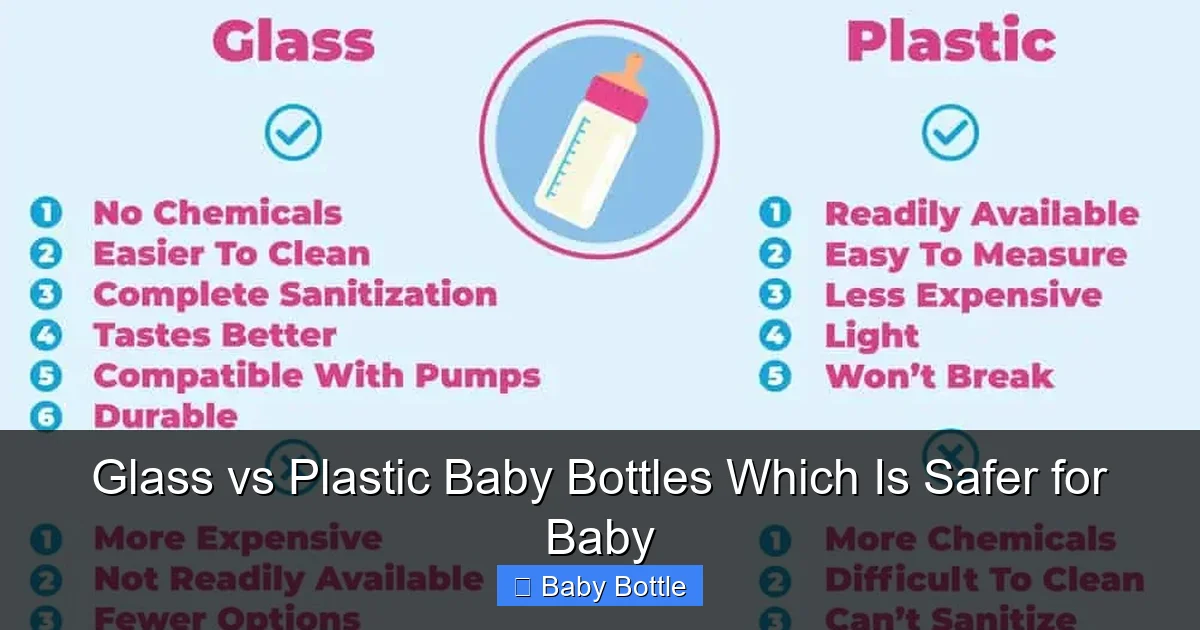
The first step is to know what each material offers. The phrase glass vs plastic baby bottles appears a lot for a reason. Each type fits different needs. Read short facts below.
Visual guide about Glass vs Plastic Baby Bottles Which Is Safer for Baby
Image source: momlovesbest.com
Glass: what it offers
Glass bottles are heavy. They feel sturdy. They do not leach chemicals. They tolerate hot water and steam well. They can be cleaned in a dishwasher. Glass can break if dropped. Many parents like glass for formula or milk storage. Glass is ideal if you worry about chemicals.
Plastic: what it offers
Plastic bottles are light. They do not shatter. They are easy to carry. Most modern plastics are BPA-free. Yet some plastics may change over time. They can scratch. Scratches can trap residue. Parents like plastic for travel and day care.
Step 2: Compare safety factors
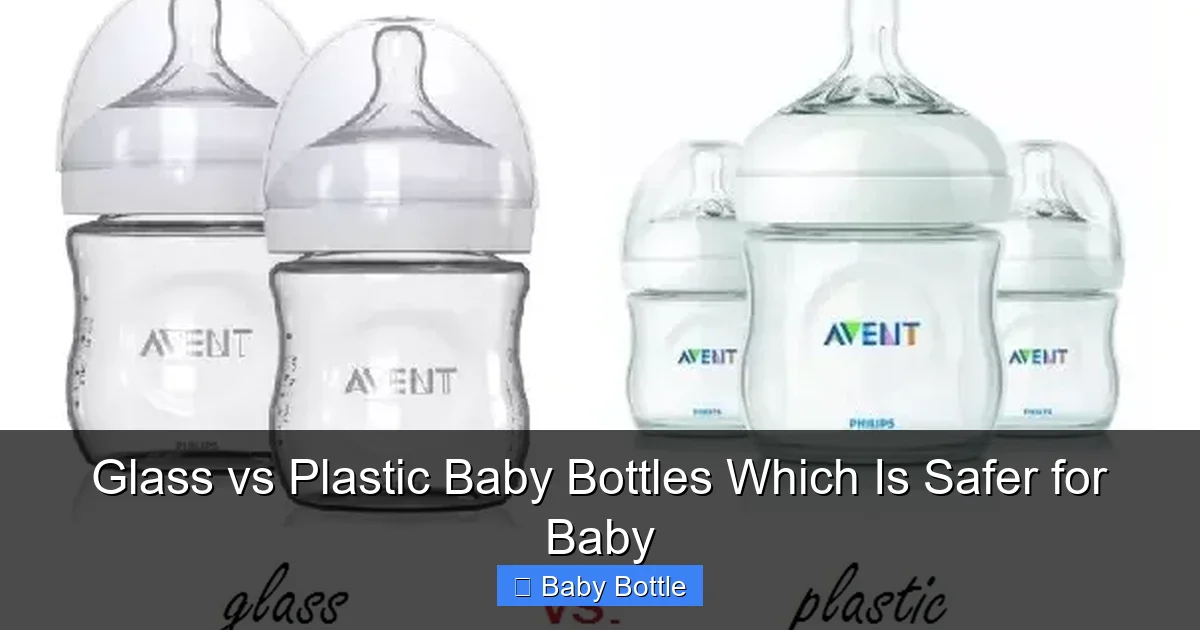
Safety is the main concern. When deciding glass vs plastic baby bottles, look at chemicals, heat, and breakage risk.
Visual guide about Glass vs Plastic Baby Bottles Which Is Safer for Baby
Image source: babybottles.com
Chemical safety
Older plastics used BPA. Today many are BPA-free. But chemicals like BPS or phthalates sometimes show up. Glass does not have this risk. If chemical exposure worries you, glass is safer by default.
Heat and sterilizing
Both glass and most BPA-free plastics handle standard sterilizing. Glass tolerates high heat well. Some plastics warp if overheated. Check the manufacturer instructions. Use steam sterilizers or boiling water when safe.
Breakage and choking risk
Glass can break. Broken glass is dangerous. Plastic will not shatter. If your baby is mobile or you travel, plastic reduces break risk. Some glass bottles come with silicone sleeves for protection.
Step 3: Consider your baby’s needs
Think about age and feeding patterns. The best choice depends on daily life. When weighing glass vs plastic baby bottles, match to routines and safety.
Visual guide about Glass vs Plastic Baby Bottles Which Is Safer for Baby
Image source: babiesparent.com
Newborns
Newborns feed often. You may prepare many bottles each day. Glass is easy to clean and store. It keeps milk fresh longer in some cases. But glass is heavier. If you will lift bottles often, consider weight.
Older babies
Older babies may hold bottles. A heavy glass bottle can be hard for them to manage. Plastic may be better for self-feeding. You can switch to glass at home and use plastic outside.
Step 4: Compare cost and environmental impact
Cost and waste matter. Decide if you want to spend more now for long-term benefits.
Upfront cost
Glass bottles often cost more. They last longer if not broken. Plastic bottles are cheaper up front. Expect to replace plastic more often if scratched or worn.
Environmental footprint
Glass is recyclable and reusable. It may have a higher production footprint but lasts longer. Many plastic bottles are recyclable but may not be recycled well. If sustainability is key, glass is often preferred.
Step 5: Cleaning and sterilizing — step-by-step
Cleaning is crucial. Here are clear steps to keep bottles safe. Whether you pick glass or plastic, follow this guide. The cleaning routine reduces risk more than the material alone. When you think of glass vs plastic baby bottles, remember cleaning matters most.
Daily cleaning routine
- Step 1: Rinse right after feeding. Use warm water to remove milk residue.
- Step 2: Disassemble the bottle. Remove nipple, ring, and cap.
- Step 3: Wash with warm, soapy water. Use a bottle brush for inside the bottle.
- Step 4: Rinse well under running water.
- Step 5: Air dry on a clean rack or towel.
Deep sterilizing
- Boiling: Place clean parts in boiling water for 5 minutes. Glass tolerates this well. Check plastic that it is marked as boil-safe.
- Steam sterilizer: Follow device instructions. Both materials usually work. Use the right cycle.
- Sterilizing solution: Use a cold-water sterilizing solution for travel or if you lack heat options.
Dishwasher use
Most glass bottles are dishwasher safe. Use the top rack. Many plastics also go on the top rack. Check labels and avoid high heat settings if not recommended.
Step 6: Inspecting and maintaining bottles
Regular checks keep bottles safe. Broken parts cause leaks and hazards. This step helps you know when to replace.
Check nipples and seals
- Look for cracks or tears in the nipple.
- Check for discoloration or sticky spots that won’t clean.
- Replace nipples if flow changes or wear shows.
Check the bottle body
For glass: Inspect for hairline cracks or chips. Stop using if you see damage. For plastic: Look for deep scratches, cloudiness, or a strange smell. Replace if the plastic seems worn or rough.
Step 7: How to choose — decision checklist
Use this checklist to decide between glass vs plastic baby bottles. It helps you make a clear choice quickly.
- Do you need lightweight bottles for travel? Choose plastic.
- Do you worry about chemicals? Choose glass.
- Do you want low cost now? Plastic may fit your budget.
- Do you want a long-term bottle for home? Glass is better.
- Will your baby hold the bottle soon? Consider plastic for self-feeding.
- Do you want easy sterilizing? Both work, but glass handles higher heat well.
Step 8: Practical tips and examples
Here are real-life tips. They are simple. They help you use bottles safely. They show how to mix glass and plastic.
Tip 1: Use glass at home, plastic on the go
Many parents keep glass at home. Glass is used for nighttime feeds and for storage. Plastic is used in the diaper bag. This setup balances safety and convenience. It is a common approach after comparing glass vs plastic baby bottles.
Tip 2: Use silicone sleeves for glass
A silicone sleeve protects glass. It adds grip and lowers break risk. It also softens the impact if dropped.
Tip 3: Rotate bottles
Keep at least three bottles. Clean as you go. Rotate so you always have a clean one ready. This keeps feeding easy for busy parents.
Tip 4: Test water temperature safely
Shake a small drop on your wrist to test. Never heat bottles in a microwave. Microwaves heat unevenly and can cause hot spots. Warm with a bottle warmer or a cup of hot water.
Troubleshooting: Common issues and fixes
Problems happen. Here are common ones and quick fixes. They cover both glass and plastic.
Problem: Bottle smells or stains
Fix: Soak in a mixture of vinegar and water for 30 minutes. Rinse well. For tough stains, use baking soda paste. Avoid harsh scrubbers that scratch plastic.
Problem: Nipple flow slows or clogs
Fix: Use a fine needle or nipple brush to clear holes. Replace nipples every few months or when wear shows. If formula builds up, deep clean before use.
Problem: Glass chip or crack
Fix: Stop using immediately. Do not try to repair. Small chips can cut. Replace the bottle and inspect other glassware for damage.
Problem: Plastic gets cloudy
Fix: Clouding can mean wear or heat damage. Replace if the bottle looks rough or smells. Cloudy plastic may trap bacteria in scratches.
Problem: Bottle leaks
Fix: Check seals and threads. Tighten rings correctly. Replace worn gaskets, nipples, or caps. Ensure all parts are aligned before feeding.
Safety when heating and storing milk
Safe heating is vital. Follow these steps to prevent burns and bacteria growth.
Heating steps
- Warm bottles in a bowl of hot water or use a bottle warmer.
- Do not microwave. It creates hot spots.
- Test with a drop on your wrist before feeding.
Storing milk
- Use clean, sealed bottles for storage.
- Label with time and date.
- Refrigerate within two hours of pumping or expressing.
- Discard unused milk after 24 hours in the fridge or after one hour at room temperature, following pediatric guidelines.
When to ask for help
Seek help from a pediatrician or lactation consultant when unsure. If your baby shows signs of allergy, fussiness, or feeding issues, consult a professional. If you suspect chemical exposure or a bottle defect, stop use and contact the manufacturer.
Final decision examples
Here are examples to guide your choice. They show common family setups and the likely bottle choice for each.
- Working parent on the go: Mostly plastic for travel, glass for home feeds.
- Home-based family who values long-term reuse: Mostly glass with silicone sleeves.
- Family with older toddlers learning to hold the bottle: Plastic for safety and weight.
- Parents worried about chemicals: Glass for all feeds at home, glass storage for pumped milk.
Conclusion
Deciding glass vs plastic baby bottles comes down to priorities. Glass offers chemical safety and durability. Plastic offers light weight and shatter resistance. Cleaning and care make any bottle safer. Use the checklist and steps above. Inspect bottles often. Replace worn parts. Mix types if that fits your life. With the right care, you can keep feeds safe and simple for your baby.
🎥 Related Video: Glass or Plastic Bottles?
📺 LeahVidaurre
The great bottle debate #mom #moms #newmom #momlife #toddlermom #toddlermomlife #pregnant #newmomtips …
