
How to support baby’s head in car seat starts with the right car seat, proper fit, and firm straps. This guide shows small steps, safety tips, and fixes to keep your baby safe and comfy on every trip.
Key Takeaways
- Choose the right seat: Use a rear-facing seat that fits your baby’s size and weight.
- Position matters: Recline angle and head support keep the head stable while riding.
- Use correct harnessing: Tight, flat straps and the chest clip at armpit level prevent head flop.
- Safe accessories only: Avoid bulky head pillows unless manufacturer-approved.
- Check often: Recheck fit at each trip and adjust as baby grows.
- Know signs of risk: Learn when extra help or a seat change is needed.
- Practice and troubleshoot: Small adjustments fix most head support issues.
Introduction
This guide teaches how to support baby’s head in car seat safely on every trip. You will learn what gear to pick. You will learn how to set the seat. You will learn simple checks for each ride. The steps are easy. The language is clear. The goal is a safe, comfy ride for your baby.
Why head support matters
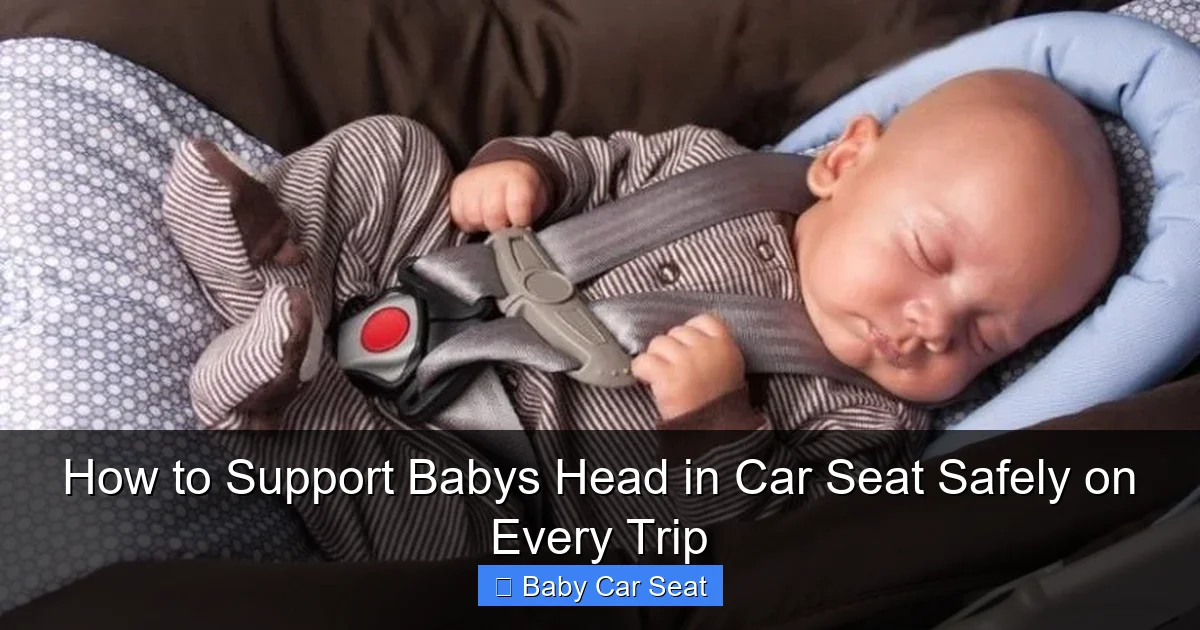
Newborns and young babies have weak necks. Their heads are large for their bodies. A sudden stop or turn can let the head fall forward. This can block the airway. It can also strain the neck. Proper support keeps the head aligned. It keeps the airway open. It reduces injury risk. That is why we focus on learning how to support baby’s head in car seat.
Visual guide about How to Support Babys Head in Car Seat Safely on Every Trip
Image source: safeconvertiblecarseats.com
Step 1: Pick the right car seat
The best start is a proper seat. Not all seats suit all babies.
Visual guide about How to Support Babys Head in Car Seat Safely on Every Trip
Image source: safeconvertiblecarseats.com
Choose rear-facing for as long as possible
Rear-facing seats protect the neck and head better. Keep your child rear-facing until they reach the seat’s limit. Many seats allow rear-facing to 40 pounds or more.
Check fit for age and weight
Read the owner manual. Check the lower and upper weight and height limits. A seat that is too big offers poor head support. A seat that is too small can be unsafe. This step is key when learning how to support baby’s head in car seat.
Consider seat shape and padding
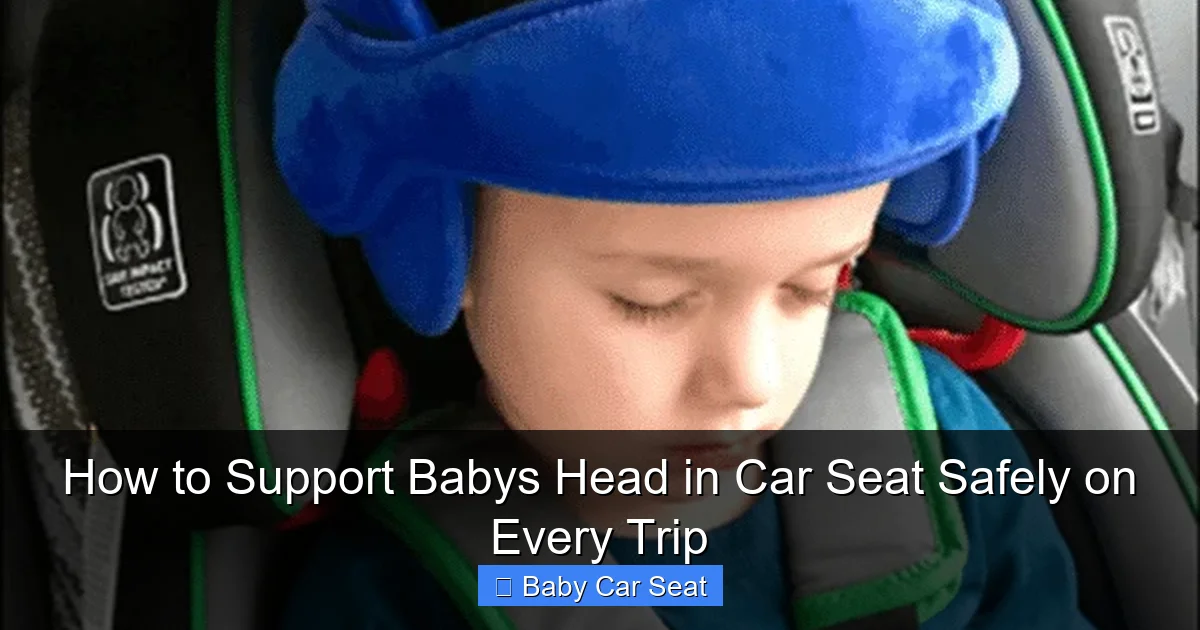
Some seats have deep side walls and built-in head supports. These help keep the head midline. Look for firm, well-shaped head wings. Choose materials that breathe and hold their form.
Step 2: Install the car seat correctly
Correct installation makes all other tips work. A loose seat can let the baby’s head move too much.
Visual guide about How to Support Babys Head in Car Seat Safely on Every Trip
Image source: coolestbabies.com
Follow the manual and vehicle guide
Read both manuals. Use the LATCH system or seat belt per instructions. Get a tight install. The seat should move less than one inch at the base when tested at the belt path.
Set the right recline angle
Newborns need a more reclined angle. This keeps the head from falling forward. Most seats have a level indicator. Use it. If the seat is too upright, the head can flop. If it is too flat, the airway can close. Aim for the angle the manual recommends to learn how to support baby’s head in car seat.
Step 3: Adjust the harness and chest clip
The harness keeps the baby in the safe zone. It helps the head stay in place.
Position the harness at or below the shoulders
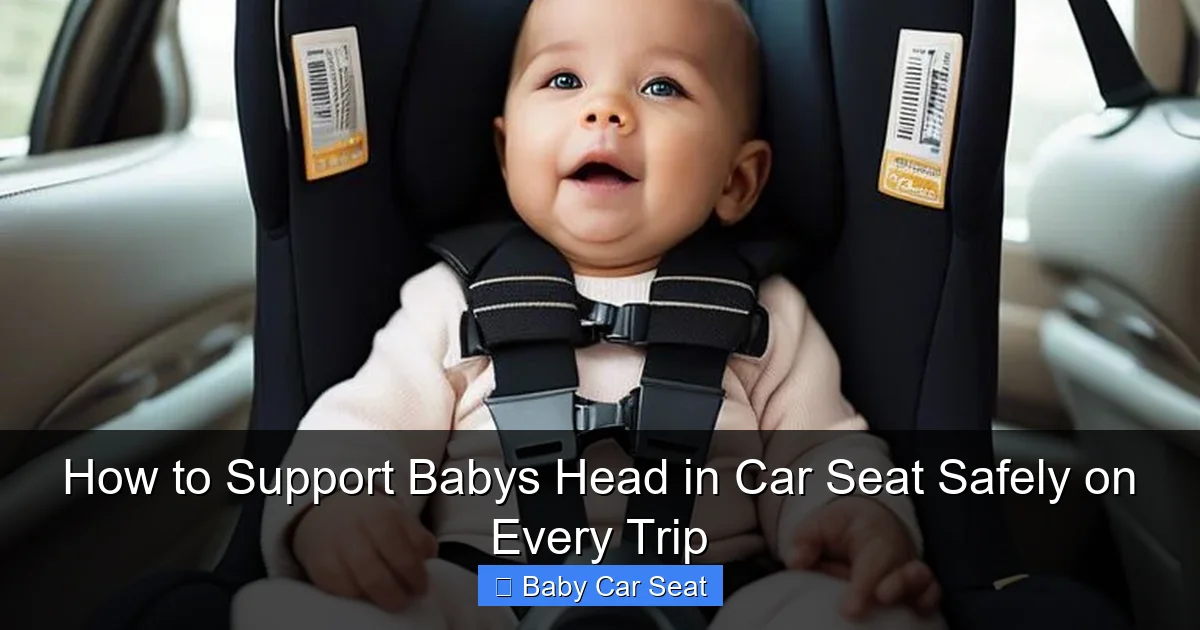
For rear-facing, set the straps at or below shoulder level. This helps cradle the head. Use the right slot as the baby grows.
Tighten the harness well
Pull the strap so you cannot pinch any webbing at the shoulder. The straps should be snug but not cutting into skin. Snug straps keep the head from leaning forward during sudden stops.
Set the chest clip at armpit level
The chest clip must sit at the baby’s armpit line. If it sits low, the head and chest can slump forward. If it sits high, it may push the head forward. Proper chest clip position is critical when learning how to support baby’s head in car seat.
Step 4: Use head supports correctly
Many parents try pillows or rolled towels. These can help if used safely. But many aftermarket products are unsafe.
Use only manufacturer-approved supports
Aftermarket head pillows can change the crash dynamics. They may crush in a crash. They can also interfere with the harness. Use only supports made for your seat. Check the manual for approved accessories.
How to position a safe head insert
Place the insert so it supports the side of the head. It should not push the head forward. The head should sit upright in line with the body. Keep the insert flat and snug against the seat shell.
When not to use extra padding
If padding makes the harness loose, do not use it. Never place bulky items behind the baby’s back. They can compromise the harness fit. Safety comes first when learning how to support baby’s head in car seat.
Step 5: Adjust clothing and blankets
Thick coats and blankets can loosen harness straps. They can prevent the baby from sitting in the right spot.
Dress thinly under the harness
Put the harness on over thin layers. Use a blanket over the baby after buckling. Or use a car-seat-ready coat. This ensures a tight fit. Tight fit helps support the head.
Secure blankets without blocking the face
Tuck the blanket under the harness or the baby. Avoid covering the face or neck. A warm head is not worth a blocked airway.
Step 6: Keep the head centered with simple positioning
Small position changes can make a big difference.
Move head toward the center
Gently guide the head to rest in the center of the headrest. Use gentle pressure, not force. The head should rest against the seat’s shaped padding.
Use slight recline changes for sleep
If the baby falls asleep and the head tilts forward, recline slightly more (if the seat allows). This can help the chin stay off the chest. Always check the manual before changing recline on the road.
Step 7: Ride practices for safer trips
How you drive and plan the trip affects head support.
Avoid sudden stops and sharp turns
Drive smooth. Slow down well before turns. Smooth driving helps keep the head steady. It reduces the chance of sudden head flop.
Plan frequent stops for long trips
Babies can get tired fast. Stop every one to two hours to feed, change, and re-check the seat fit. This keeps the baby safe and calm.
Step 8: Monitor the baby during the trip
Keep an eye on the baby’s head and breathing. Use a mirror for rear-facing seats.
Use a baby mirror safely
Mount the mirror so it does not block your view. Check the mirror often without turning away from traffic. If your baby’s head is slumped, stop safely to adjust.
Know the signs of head slump
Look for chin on chest, shallow breathing, or muffled sounds. If you see any, pull over when safe. Fix the seat and harness. Check the baby’s airway.
Practical tips and examples
Here are simple, real-world tips to help you master how to support baby’s head in car seat.
- Example 1 — Newborn ride: Use a rear-facing infant seat with head insert. Recline to the manufacturer’s newborn angle. Strap snugly. Place a thin blanket over the baby after buckling.
- Example 2 — Older baby nap: If the head tilts forward, try a slight recline or a firm, approved head support. Stop and reposition at the next safe pull-over.
- Example 3 — Winter coats: Remove bulky coats before harnessing. Use a car-seat cover or blanket over the harness to keep baby warm after buckling.
Troubleshooting common problems
Many parents face the same issues. Here are solutions to the top problems when learning how to support baby’s head in car seat.
Problem: Head falls forward during naps
Fix: Check recline angle first. Use an approved insert. Tighten the harness. If the baby still slumps, try a different seat type or consult a certified technician.
Problem: Harness is hard to tighten with padding
Fix: Remove bulky padding. Use thinner layers. Only use padding approved by the seat maker. A snug harness is better than padding that creates gaps.
Problem: Seat moves more than one inch
Fix: Reinstall the seat using the vehicle belt or LATCH. Tighten the install. Use a locking clip if needed. If still loose, visit a car seat check station.
Problem: Mirror causes glare or distraction
Fix: Reposition the mirror. Use a small convex mirror. Keep it low enough to be safe and high enough to see the baby without turning your head.
When to seek expert help
Some issues need more than tips. Call a certified technician if:
- The seat is damaged or recalled.
- You cannot get a tight install.
- Your baby’s head still slumps despite correct harnessing and recline.
- You are unsure about accessory use.
Certified Child Passenger Safety Technicians can inspect your seat and show correct fit. They help you learn how to support baby’s head in car seat the right way.
What NOT to do
- Do not add aftermarket padding not approved by the manufacturer.
- Do not tuck straps under the baby or behind the seat shell.
- Do not let the chest clip sit below armpit level.
- Do not leave a baby unattended in a car seat in a parked car.
How this changes as baby grows
As babies grow, head support needs change. Keep checking fit. Move harness slots up as shoulders rise. Remove newborn inserts when they no longer fit. Switch to a forward-facing seat only when your child meets the height and weight limits for rear-facing per the seat manual. Always review how to support baby’s head in car seat as you make each change.
Safety checks to do before every trip
- Seat is tightly installed (less than 1 inch at the belt path).
- Harness is snug and flat with no twists.
- Chest clip is at armpit level.
- Head is centered and not slumped forward.
- No bulky clothing under the harness.
- Approved head support only if needed.
Conclusion
Learning how to support baby’s head in car seat is easy with steady steps. Start with the right seat. Install it tight. Set the right recline. Keep the harness snug and the chest clip in place. Use only approved supports. Watch your baby and drive smoothly. Do these things and each trip will be safer and calmer. Small checks before each ride make a big difference. If you are ever unsure, get help from a certified technician. Your baby’s safety is worth the extra minute.
🎥 Related Video: Newborn Head Positioning in the Car Seat
📺 Emily Roberts
Learn what to watch for (and what not to worry about) when positioning baby’s head in the car seat to maintain breathing.
