Babies can face forward in a carrier when they are around 6 months old. They should have strong neck and head control.
Parents eagerly await the milestone of carrying their baby facing forward. This change offers babies a new perspective on the world. It also helps parents engage more with their surroundings. Ensuring the baby is ready is crucial for their safety and comfort.
Typically, babies develop the necessary neck and head strength around 6 months of age. Some may reach this milestone sooner, while others might take a bit longer.
Always consult with your pediatrician before making the switch. Properly adjusting the carrier is also essential. This ensures both comfort and safety for your baby.
Developmental Milestones
Understanding when a baby can face forward in a carrier is crucial. It ensures their safety and comfort. The right time depends on specific developmental milestones. These milestones include neck strength and head control. Let’s explore these essential milestones in detail.
Neck Strength
Babies need strong neck muscles before facing forward. This strength develops over time. Typically, babies achieve sufficient neck strength around 4 to 6 months.
To check neck strength, observe if your baby can hold their head upright. Look for steady and controlled movements. Strong neck muscles help prevent injuries when facing forward.
Head Control
Head control is another key milestone. Babies should have good head control before facing forward. This usually occurs around 5 to 6 months.
To assess head control, check if your baby can keep their head steady. They should be able to turn their head smoothly. Good head control ensures your baby’s safety in a forward-facing position.
| Milestone | Age Range | Signs |
|---|---|---|
| Neck Strength | 4-6 months | Upright head, steady movements |
| Head Control | 5-6 months | Steady head, smooth turns |
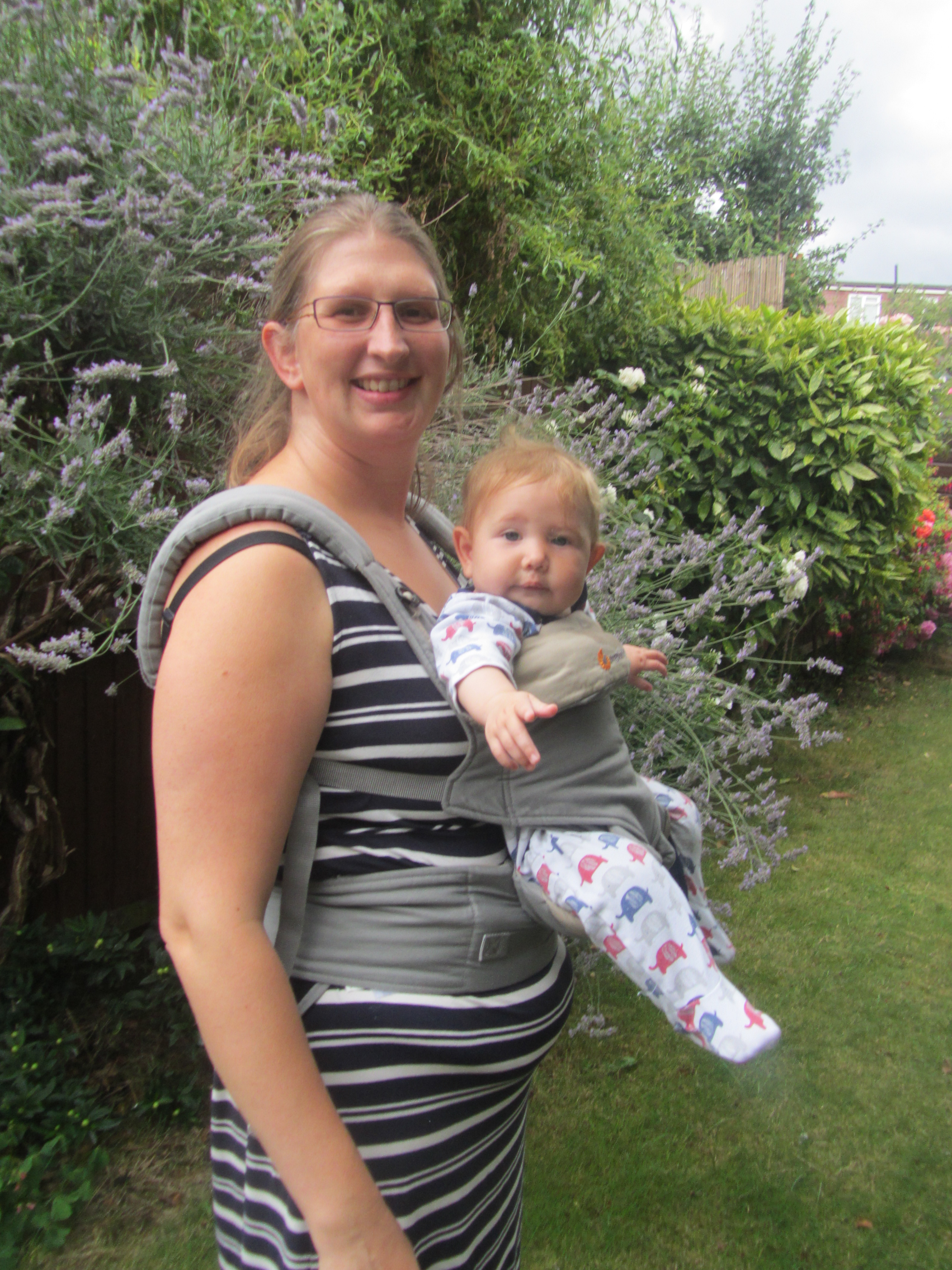
Credit: sheenslings.com
Age Recommendations
Determining the right age for a baby to face forward in a carrier is crucial. It ensures both safety and comfort for your little one. Below, we break down the general guidelines and individual differences to consider.
General Guidelines
Most experts suggest babies can face forward in a carrier around six months. This is when they can hold their head up steadily. Here are some general guidelines:
- Head Control: Baby should have strong neck muscles.
- Sitting Unassisted: The baby should sit without help.
- Weight: Ensure the carrier supports the baby’s weight.
Always follow the manufacturer’s instructions for the specific carrier model.
Individual Differences
Every baby is unique. Some may be ready to face forward earlier, some later. Factors include:
- Developmental Milestones: Check if your baby meets key milestones.
- Comfort: Ensure your baby is comfortable facing forward.
- Health: Consult your pediatrician if unsure.
Keep observing your baby’s reactions and comfort levels. If they seem uncomfortable, consider waiting a bit longer.
Understanding these recommendations can help you make an informed decision. Always prioritize your baby’s safety and comfort.
Carrier Types
Choosing the right baby carrier is crucial. Different types offer various benefits. Let’s explore the carrier types and when your baby can face forward in each.
Structured Carriers
Structured carriers, also known as soft-structured carriers, are popular. They include padded shoulder straps and waist belts. These carriers provide excellent support.
Babies can face forward in these carriers. This is safe usually after 6 months. Ensure your baby has strong neck control first. Always follow the manufacturer’s guidelines.
Wraps And Slings
Wraps and slings are fabric-based carriers. They offer a snug fit for your baby. These carriers are flexible and versatile.
Forward-facing in wraps and slings is different. Wait until your baby is at least 6 months old. Ensure your baby can hold their head up. Some wraps are not designed for forward-facing. Check instructions carefully.
| Carrier Type | Age for Forward-Facing | Key Features |
|---|---|---|
| Structured Carriers | 6 months+ | Padded straps, waist belts |
| Wraps and Slings | 6 months+ | Fabric-based, snug fit |
- Check the carrier’s weight limit.
- Ensure proper support for your baby’s neck.
- Follow manufacturer’s instructions.

Credit: ergobaby.com
Safety Considerations
Ensuring your baby’s safety is crucial when deciding to face them forward in a carrier. Babies have delicate bodies that require proper support. Here are some key safety considerations to keep in mind.
Proper Positioning
Proper positioning is essential for your baby’s comfort and safety. Ensure your baby’s hips are in the “M” position. This means their knees should be higher than their bottom.
Also, make sure your baby’s back is supported. The carrier should keep their spine in a natural curve. This helps in preventing any strain on their developing spine.
Check the carrier’s instructions. Follow them to ensure you’re using the carrier correctly.
Breathing Safety
Ensure your baby’s airway is always clear. Their chin should not touch their chest. This can block their airway and make it hard to breathe.
Regularly check your baby’s breathing. If you notice any trouble, adjust their position immediately.
Make sure their face is not covered. This allows them to breathe freely.
| Consideration | Details |
|---|---|
| Proper Positioning | Hips in “M” position, back supported. |
| Breathing Safety | Clear airway, face not covered. |
- Always check the baby’s position.
- Ensure their comfort and safety.
- Follow the carrier’s instructions.
Comfort For Baby
Ensuring comfort for your baby in a forward-facing carrier is crucial. Babies thrive in environments where they feel secure and supported. When choosing a carrier, it is essential to consider the materials and features that provide the best comfort for your baby.
Supportive Materials
The materials used in baby carriers play a vital role in comfort. Opt for carriers made with breathable fabrics. These materials help keep your baby cool and comfortable. Organic cotton and mesh fabrics are excellent choices. They are soft on the skin and allow airflow.
Consider the padding in the carrier. Well-padded carriers provide better support. Thick padding ensures that your baby does not feel any hard parts of the carrier. This is especially important for long durations of use.
Adjustable Features
Adjustable features in a baby carrier enhance comfort significantly. Adjustable straps allow you to customize the fit. This ensures that the carrier supports your baby snugly.
Look for carriers with adjustable seat width. This feature helps in supporting your baby’s hips and legs correctly. Proper hip support is crucial for your baby’s development.
Some carriers come with adjustable head and neck support. This is essential for younger babies who cannot hold their heads up. Ensuring proper neck support prevents discomfort and potential injury.
| Feature | Benefit |
|---|---|
| Breathable Fabrics | Keeps baby cool and comfortable |
| Thick Padding | Provides better support and comfort |
| Adjustable Straps | Customizes fit for snug support |
| Adjustable Seat Width | Ensures proper hip and leg support |
| Adjustable Head and Neck Support | Provides safety for younger babies |

Credit: ergonomic-baby-carriers.com
Comfort For Parents
Choosing the right baby carrier is important for parents’ comfort. When babies can face forward, the carrier should be easy to use and comfortable. Parents need to be able to carry their baby without pain.
Weight Distribution
Proper weight distribution is key to a comfortable baby carrier. The carrier should distribute the baby’s weight evenly across your shoulders and hips. This prevents back and shoulder pain.
Look for carriers with wide, padded straps. These straps help distribute weight more evenly. A good carrier will also have a supportive waistband. This waistband takes the baby’s weight off your shoulders.
| Feature | Benefit |
|---|---|
| Wide, padded straps | Even weight distribution |
| Supportive waistband | Reduces shoulder and back pain |
Ease Of Use
A good baby carrier should be easy to use. It should allow you to put your baby in and take them out quickly. Look for carriers with simple buckles or Velcro. These make it easier to adjust the carrier.
- Simple buckles make adjustments quick and easy.
- Velcro straps allow for fast adjustments.
- Clear instructions ensure you use the carrier correctly.
Easy-to-use carriers save time and reduce frustration. They allow you to focus more on your baby and less on the carrier.
Signs Baby Is Ready
Determining the right time for your baby to face forward in a carrier is crucial. Observing specific signs can help you make the best decision for your baby’s comfort and safety. Watch for physical cues and behavioral indicators that show your baby is ready.
Physical Cues
Physical development is key when considering a forward-facing carrier. Ensure your baby has strong neck muscles. Your baby should hold their head up without support for extended periods.
Another important cue is consistent head control. Babies often achieve this milestone around 5 to 6 months. At this stage, they can keep their heads steady and upright. Check if your baby can sit up with minimal assistance. This ability shows they have the necessary muscle strength.
| Physical Cue | Description |
|---|---|
| Strong Neck Muscles | Baby holds head up without support. |
| Head Control | Baby keeps head steady and upright. |
| Sitting Up | Baby can sit with minimal assistance. |
Behavioral Indicators
Look for behavioral indicators that suggest your baby wants to face forward. Notice if your baby shows interest in the surroundings. If they try to turn their head or body to see more, this is a strong sign.
Another indicator is reduced fussiness when facing forward. Babies often become calmer when they can observe their environment. Also, check if your baby seems bored or restless in the current position. These behaviors suggest they might enjoy a new perspective.
- Interest in surroundings
- Reduced fussiness
- Boredom or restlessness
Transitioning Tips
Transitioning your baby to face forward in a carrier is an exciting milestone. It allows your little one to explore the world in a new way. To ensure a smooth and comfortable transition, follow these helpful tips.
Gradual Introduction
Start with short sessions facing forward. This helps your baby adjust slowly. Begin with just five minutes at a time.
- Increase the duration gradually.
- Watch for signs of discomfort.
- Ensure proper support for your baby’s neck and back.
A slow introduction helps your baby feel safe and secure.
Monitoring Baby’s Response
Pay close attention to how your baby reacts. Look for signs of happiness and engagement.
- If your baby seems uncomfortable, switch back to the inward position.
- Check for any strain on their neck or back.
- Observe their mood and comfort level.
Each baby is different, so go at your baby’s pace.
Common Myths
Deciding when a baby can face forward in a carrier can be confusing. Many parents hear conflicting advice. Here, we will debunk some common myths.
Misconceptions
Many parents believe their baby should face forward as soon as possible. They think it helps babies see more and stay entertained. Some even believe it helps with development. But these are just misconceptions.
Fact Vs. Fiction
Let’s separate fact from fiction:
- Fiction: Facing forward is always better for the baby.
- Fact: Facing forward too early can harm a baby’s neck.
- Fiction: Babies can face forward at any age.
- Fact: Babies should have strong neck muscles first.
- Fiction: All carriers are safe for forward-facing positions.
- Fact: Only some carriers support forward-facing safely.
It’s important to know the truth. Babies need proper support and care. Always check if your baby is ready before changing positions.
Expert Advice
Knowing the right time to let your baby face forward in a carrier is crucial. Experts have insights that can help you make the best decision. Here’s what pediatricians and experienced parents recommend.
Pediatrician Insights
Pediatricians emphasize the importance of neck strength. Babies should have strong neck muscles before facing forward. This usually happens around 6 months old.
Another key point is hip development. Facing forward too early can affect a baby’s hip growth. Ergonomic carriers are recommended to support healthy hip positioning.
Consulting your pediatrician can provide personalized advice. Each baby’s development is unique.
| Consideration | Recommended Age |
|---|---|
| Neck Strength | 6 months |
| Hip Development | 6-9 months |
Experienced Parents’ Tips
Experienced parents suggest using carrier inserts for younger babies. These inserts provide additional support.
Short durations are key when starting. Begin with small periods of forward-facing time. Gradually increase as the baby gets used to it.
Observe your baby’s comfort and mood. If the baby seems uncomfortable, return to inward-facing.
- Use carrier inserts for babies under 6 months.
- Start with short durations of forward-facing.
- Watch for signs of discomfort.
Both experts and parents agree on one thing: safety first. Always prioritize your baby’s comfort and development.
Frequently Asked Questions
- When Can Baby Face Forward In Carrier?
Babies can face forward in carriers around 6 months when they have strong neck and head control.
- Is Forward-facing Position Safe For Babies?
Yes, it’s safe if your baby has strong neck and head control and meets the carrier’s weight requirements.
- What Age Can Baby Face Forward?
Most babies can face forward around 6-12 months, depending on their development and strength.
- How Long Can Baby Face Forward In Carrier?
Limit forward-facing to short periods, around 10-15 minutes, to avoid overstimulation and ensure comfort.
- What Are The Benefits Of Forward-facing Carriers?
Forward-facing carriers allow babies to explore their surroundings, aiding in cognitive development and keeping them entertained.
Conclusion
It’s crucial to know when your baby can face forward in a carrier. Ensure they meet the recommended age and weight guidelines. Always prioritize their safety and comfort.
Consult your pediatrician if unsure. Following these tips can help create a safe, enjoyable experience for both you and your baby.