Stop using a baby swing when your child can sit up independently or when they exceed the weight limit. Typically, this occurs around six months to one year of age.
Baby swings provide a comforting space for infants, allowing parents to take a breather. These swings can soothe babies with gentle rocking motions.
While they are beneficial, it’s crucial to know when to transition your child to other activities. Prolonged use may hinder development or lead to dependency on the swing for sleep.
Monitoring your baby’s physical milestones helps ensure they receive proper stimulation. Understanding when to stop using the swing can promote healthier habits and encourage independence in your little one.
Prioritizing safety and developmental readiness will benefit both you and your child.
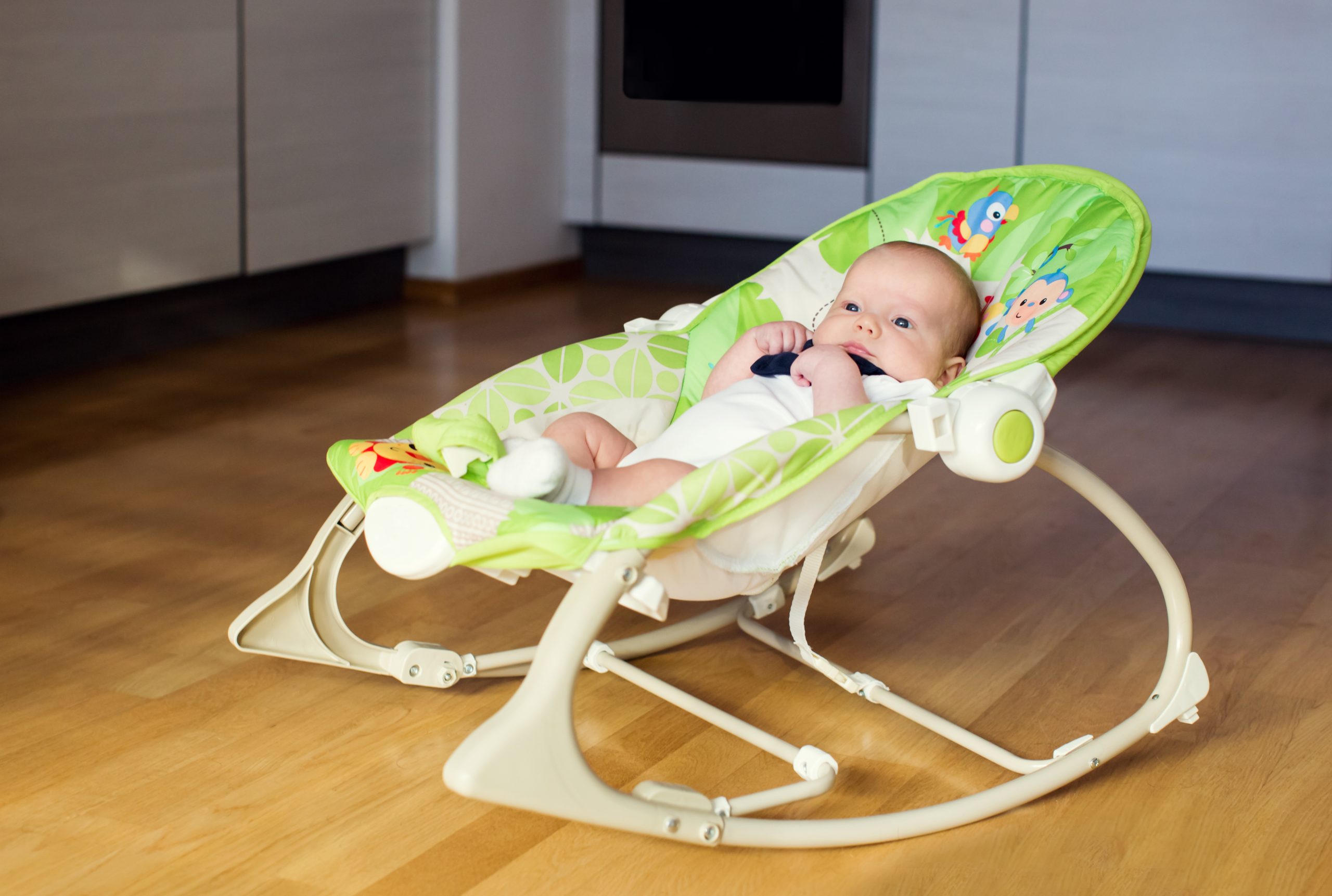
Credit: www.riverbabygroup.com
Introduction To Baby Swings
Baby swings provide a cozy space for infants. They offer gentle motion that soothes babies. Many parents rely on them for calming fussy little ones. Understanding their benefits helps parents make informed choices.
Benefits Of Using A Baby Swing
Baby swings come with various advantages:
- Soothing Motion: The swinging motion mimics being held.
- Hands-Free Time: Parents can use their hands for other tasks.
- Multiple Settings: Many swings offer adjustable speeds and sounds.
- Safe Space: Swings provide a secure area for babies.
- Entertainment: Swings often have toys to engage babies.
General Guidelines For Use
Follow these guidelines for safe swing usage:
- Age Limit: Use swings for babies under 6 months.
- Weight Limit: Check the swing’s weight capacity.
- Supervision: Always keep an eye on your baby.
- Time Limits: Limit use to 30 minutes at a time.
- Flat Surface: Place the swing on a stable surface.
Parents should monitor their baby for comfort and safety.
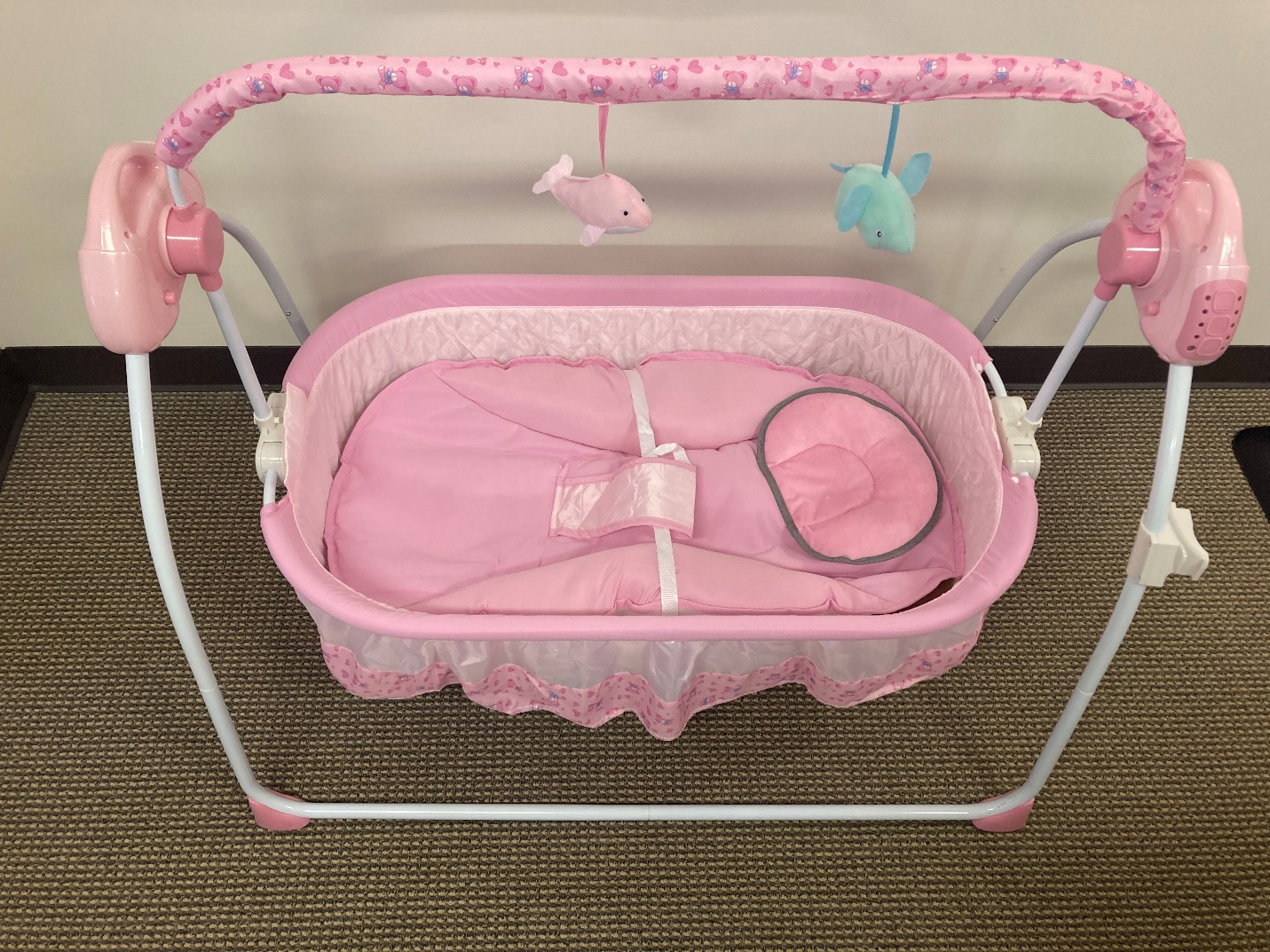
Credit: www.cpsc.gov
Key Signs To Stop Using A Baby Swing
Knowing when to stop using a baby swing is important for safety. Swings provide comfort but can become unsuitable as your baby grows. Watch for key signs that indicate it’s time to transition your little one.
Exceeding Weight And Height Limits
Every baby swing has specific weight and height limits. These limits ensure safety and comfort. Check the manufacturer’s guidelines before using the swing.
| Weight Limit | Height Limit |
|---|---|
| 30 pounds | 30 inches |
| 40 pounds | 32 inches |
When your baby reaches these limits, stop using the swing. Exceeding these limits can lead to accidents. Always prioritize your child’s safety and comfort.
Baby Can Sit Up Unassisted
Another sign to stop using the baby swing is when your child can sit up alone. Sitting up means they no longer need the support of the swing. This skill develops around 6-9 months.
- Watch for signs of sitting up:
- Baby holds head steady.
- Baby pushes up on arms.
- Baby sits without support.
Once your baby sits up unassisted, it’s time to transition to a different seating option. This change promotes independence and encourages movement. Always keep your baby’s growth and development in mind.
Developmental Milestones And Baby Swing Use
Understanding developmental milestones is key to knowing when to stop using a baby swing. Swings can be comforting, but they should not replace active play. Babies grow quickly, and their needs change as they develop.
Importance Of Physical Development
Physical development is crucial for babies. It involves strength, coordination, and movement skills. Here are some important points:
- Gross Motor Skills: These skills help babies sit up, crawl, and walk.
- Fine Motor Skills: These skills involve grasping and holding objects.
- Balance: Developing balance is vital for standing and walking.
Using a swing too long may limit these skills. Babies need floor time for muscle growth. This helps them learn to roll, sit, and crawl. Encourage tummy time to strengthen neck and back muscles.
Risks Of Prolonged Swing Use
Using a baby swing for extended periods can lead to risks. Here are some potential issues:
| Risk | Description |
|---|---|
| Flat Head Syndrome | Spending too much time in one position can flatten the skull. |
| Delayed Milestones | Less movement can slow down reaching physical milestones. |
| Dependency | Babies may rely on swings for comfort and not learn self-soothing. |
Limit swing time to 30 minutes daily. Encourage other activities to promote active play. Observe your baby’s cues. If they seem restless or unhappy, it’s time to switch to a more engaging activity.
Monitoring your baby’s development is essential. Every child grows at their own pace. Adjust swing use based on their physical progress. Ensure they have plenty of opportunities to explore and play.
Safety Concerns With Continued Use
Baby swings provide comfort and entertainment. However, using them too long raises safety concerns. Parents should be aware of potential risks. Understanding these risks helps ensure a safe environment for your child.
Potential For Injury
Extended use of baby swings can lead to injuries. Here are some common concerns:
- Falling: Babies can lean or twist and fall out.
- Pinching: Small fingers can get caught in the mechanism.
- Overheating: Swings can trap heat, causing discomfort.
- Strangulation: Loose straps may pose a strangulation risk.
To prevent these injuries, always follow the manufacturer’s guidelines. Regularly check the swing for wear and tear. Ensure your baby is securely strapped in.
Impact On Motor Skills Development
Using a baby swing for too long can affect motor skills. It limits the baby’s movement. Here are key points to consider:
- Less tummy time: Swings reduce time spent on the floor.
- Weak muscles: Babies may develop weak core muscles.
- Delayed crawling: Swings can delay crawling milestones.
- Reduced balance: Babies need movement for balance development.
Encourage playtime on the floor. This helps develop strength and coordination. Limit swing time to ensure healthy growth.
Transitioning Out Of The Baby Swing
Transitioning out of the baby swing can be a significant change for both you and your baby. Many parents wonder when the right time is to make this move. Babies typically outgrow swings between 6 to 12 months. Look for signs that your baby is ready to explore new forms of rest and play.
Alternatives To The Baby Swing
Many alternatives can provide comfort and stimulation for your growing baby. Consider these options:
- Baby Rockers: These provide gentle rocking motions.
- Play Mats: They encourage tummy time and exploration.
- Activity Centers: These stimulate movement and play.
- Cribs with Rocking Features: Some cribs have gentle rocking capabilities.
Each alternative has its unique benefits. Choose one based on your baby’s preferences and needs.
Encouraging Independent Sleep And Play
Fostering independence helps your baby adapt to new routines. Here are some tips:
- Establish a Sleep Routine: Consistent bedtime helps signal sleep time.
- Introduce a Lovey: A small stuffed toy can provide comfort.
- Set Up a Play Area: Create a safe space for exploration.
- Limit Swing Time: Gradually reduce the time spent in the swing.
Encourage your baby to play and sleep independently. This builds confidence and helps them adjust smoothly.
Listening To Your Baby’s Cues
Understanding your baby’s signals is vital. Babies communicate their needs clearly. Observing their cues helps you know when to stop using the baby swing. This ensures their comfort and safety.
Recognizing Discomfort And Disinterest
Discomfort and disinterest are common signs. Watch for these cues:
- Crying: A clear sign of discomfort.
- Arching Back: Indicates the baby wants to be held.
- Turning Head: Shows disinterest in the swing.
- Restlessness: Frequent shifting may signal discomfort.
Responding to these cues is important. If your baby shows discomfort, it’s time to stop using the swing. Create a more comfortable environment for your little one.
Adapting To Your Baby’s Needs
Every baby is unique. As they grow, their needs change. Here are some ways to adapt:
- Observe Playtime: Encourage play outside the swing.
- Limit Duration: Use the swing for shorter periods.
- Introduce Alternatives: Try a playmat or bouncer.
Adjusting the routine helps your baby feel secure. Pay attention to their preferences. This creates a nurturing environment.
Professional Recommendations
Understanding when to stop using a baby swing is crucial for your child’s development. Experts offer valuable insights. Their recommendations can help parents make the best choices.
Pediatricians’ Advice On Swing Use
Pediatricians suggest careful monitoring of baby swing usage. Here are their main points:
- Age Limit: Limit swing use to babies under 6 months.
- Duration: Use swings for no more than 30 minutes at a time.
- Posture: Ensure the baby maintains proper posture in the swing.
- Signs of Discomfort: Stop use if the baby shows signs of discomfort.
Guidelines From Child Development Experts
Child development experts recommend transitioning away from swings as babies grow. Their guidelines include:
- Developmental Milestones: Stop using the swing once the baby can sit up independently.
- Active Play: Encourage active playtime instead of prolonged swing use.
- Variety of Activities: Introduce varied activities to promote overall development.
- Safety Precautions: Always ensure the swing is used safely and appropriately.
| Expert | Recommendation |
|---|---|
| Pediatricians | Limit swing use to under 6 months and 30 minutes at a time. |
| Child Development Experts | Transition away from swings when the baby can sit up. |

Credit: www.cpsc.gov
Frequently Asked Questions
When Should I Stop Using A Baby Swing?
Parents should stop using a baby swing when their child can sit up unassisted, usually around 6 months old.
Is It Safe To Let My Baby Sleep In A Swing?
It’s not recommended for babies to sleep in swings due to safety risks and the potential for positional asphyxia.
What Are The Risks Of Prolonged Swing Use?
Prolonged use can lead to dependency, developmental delays, and issues with muscle tone and posture.
Can I Use A Swing For A Toddler?
Most swings are designed for infants, so check the weight limit before using one for a toddler.
How Do I Transition My Baby From A Swing?
Gradually reduce swing time and introduce other calming methods, like rocking or holding, to ease the transition.
Conclusion
Choosing the right time to stop using a baby swing is crucial for your child’s development. Monitor your baby’s growth and comfort levels closely.
Transitioning to other forms of play can encourage independence and motor skills. Always prioritize safety and ensure your little one is ready for the next step.