The average parent has around two to three children. This number varies by region, culture, and personal choice.
Parenthood is a journey filled with joys and challenges. One key question many prospective parents consider is the number of children they might have. Understanding this average can help in planning for the future. Different factors influence family size, such as economic conditions, societal norms, and personal aspirations.
Some might opt for a larger family, while others may prefer fewer children. This article explores the average number of offspring per parent, shedding light on the factors that play a role in this decision. Join us as we delve into the intriguing world of family dynamics and uncover what shapes the size of the modern family.
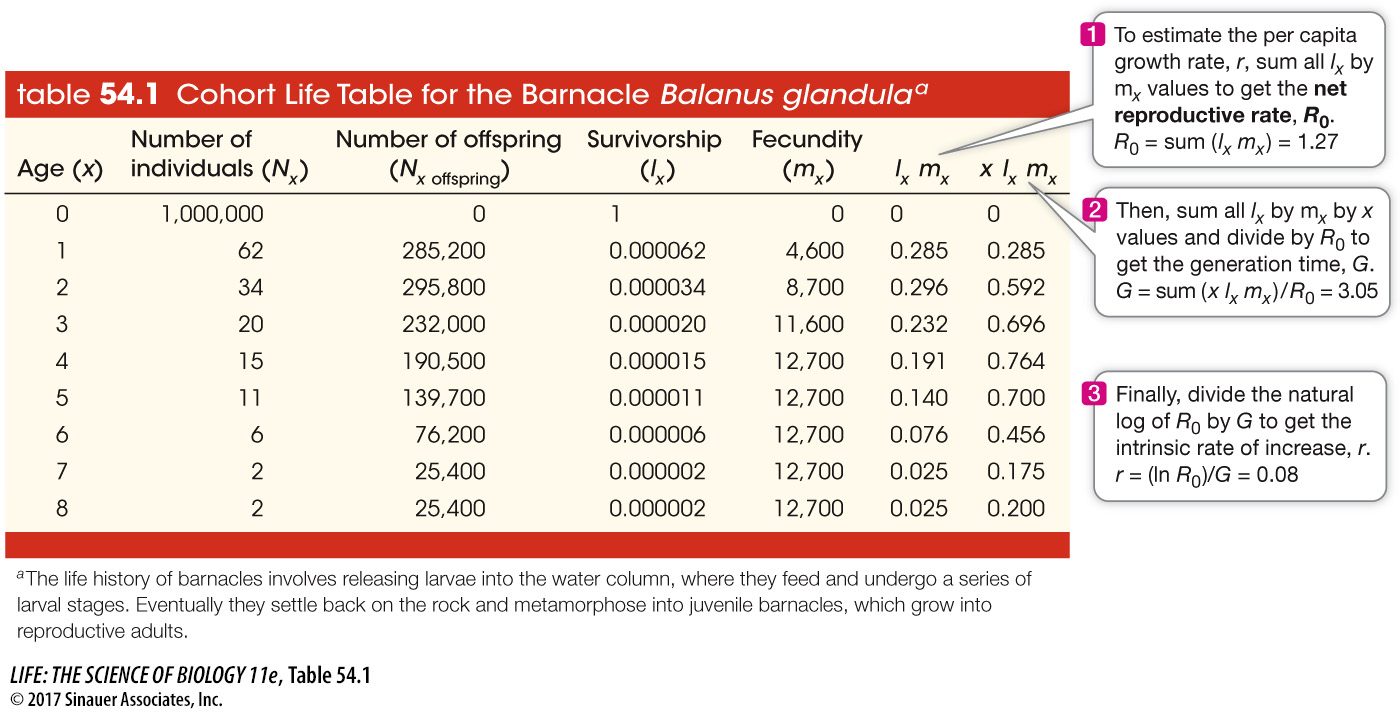
Credit: digfir-published.macmillanusa.com
Global Birth Rates
Understanding global birth rates is essential for analyzing population growth. Birth rates vary significantly across different regions and over time. This section explores these variations and trends to provide a comprehensive understanding of global birth rates.
Regional Variations
Birth rates differ greatly across various regions of the world. In Africa, the birth rate remains high, with many families having multiple children. Conversely, in Europe, birth rates are much lower, often with fewer than two children per family.
Here is a table showing average birth rates in different regions:
| Region | Average Birth Rate (Births per Woman) |
|---|---|
| Africa | 4.6 |
| Europe | 1.6 |
| Asia | 2.2 |
| North America | 1.8 |
| South America | 2.0 |
Trends Over Time
Birth rates have changed significantly over the past decades. In the 1960s, birth rates were much higher globally. Since then, there has been a steady decline in many parts of the world. This trend is due to several factors:
- Increased access to education
- Improved healthcare
- Better family planning resources
These factors have contributed to lower birth rates, especially in developed countries. The chart below shows the global birth rate trends from 1960 to 2020:
Global Birth Rate Trends (1960-2020):
| Year | Birth Rate (Births per Woman) |
|------|-------------------------------|
| 1960 | 4.9                           |
| 1980 | 3.5                           |
| 2000 | 2.6                           |
| 2020 | 2.4                           |
In conclusion, global birth rates vary widely by region and have decreased over time. These trends affect population growth and can influence economic and social policies.

Credit: rabbit.org
Factors Affecting Family Size
Family size can vary greatly across the world. Many factors influence how many children a family may have. These factors can be economic, cultural, social, and personal. Understanding these influences helps to explain the differences in family size.
Economic Influences
Economic conditions are a major factor in family size. In regions with high living costs, families tend to have fewer children. The cost of raising a child includes education, healthcare, and daily expenses. These costs can be a deciding factor for many parents.
| Expense Type | Estimated Annual Cost |
|---|---|
| Education | $5,000 |
| Healthcare | $2,500 |
| Food and Clothing | $3,000 |
In wealthier countries, families often have access to contraception and family planning services. These services allow parents to control the size of their families more easily.
Cultural Norms
Cultural beliefs also impact family size. In some cultures, large families are valued. Children are seen as a blessing and a source of support. In these societies, having many children is a common goal.
In contrast, some cultures emphasize smaller families. This may be due to urbanization and the availability of education and career opportunities for women.
- Large families: Common in rural areas, where children may help with work.
- Small families: More common in urban areas, where living space and resources are limited.
Religious beliefs can also play a role. Some religions encourage larger families, while others support family planning.
Understanding these economic and cultural factors helps explain the variations in family size around the world. Each family’s decision is influenced by a unique mix of these elements.
Impact Of Education
Education plays a significant role in determining the number of children a parent will have. Higher education levels often correlate with fewer offspring. This is due to various factors that education influences.
Women’s Education
Women’s education is crucial in family planning. Educated women tend to have fewer children. They usually delay marriage and childbirth. This results in smaller families.
Educated women also have better job opportunities. They focus on career growth. This reduces the desire for more children. Education empowers women to make informed choices about reproduction.
Access To Information
Access to information is another key factor. Parents with access to information make better decisions. They understand the benefits of smaller families. Information about contraception helps in planning.
Information also spreads awareness about child care costs. It highlights the importance of investing in each child’s future. Parents then opt for fewer children to provide better resources. This leads to a balanced family size.
| Factor | Impact |
|---|---|
| Women’s Education | Fewer children, delayed marriage and childbirth |
| Access to Information | Better family planning, awareness of costs |
In summary, education and access to information greatly impact family size. They enable parents to make informed choices. This ensures balanced and planned families.
Healthcare And Fertility
Healthcare and fertility are crucial topics that impact the number of children a family may have. The availability and quality of healthcare can significantly influence fertility rates. This section will explore how access to healthcare and fertility treatments affect the average number of offspring per parent.
Access To Healthcare
Access to healthcare is essential for maintaining reproductive health. Regular check-ups and medical advice can help identify and treat fertility issues early. Below are some key points on how healthcare access affects fertility:
- Regular health screenings can detect conditions that affect fertility.
- Timely medical interventions can prevent complications during pregnancy.
- Access to contraception allows families to plan pregnancies better.
In regions with better healthcare access, families tend to have fewer children. This is due to effective family planning and health education. Conversely, limited healthcare access often results in higher fertility rates. This is because of fewer options for contraception and medical advice.
Fertility Treatments
Fertility treatments play a significant role in helping couples conceive. These treatments can range from medications to advanced procedures. Here is a table summarizing common fertility treatments:
| Type of Treatment | Description |
|---|---|
| Medications | Drugs to stimulate ovulation. |
| Intrauterine Insemination (IUI) | Sperm is placed directly into the uterus. |
| In Vitro Fertilization (IVF) | Eggs and sperm are combined outside the body. |
Fertility treatments can be costly and complex. They may not be accessible to everyone. Successful treatments can lead to an increase in the number of children per family. But, they also come with emotional and financial challenges.
In summary, healthcare access and fertility treatments are vital factors in determining family size. Better healthcare can lead to planned pregnancies and healthier outcomes. Fertility treatments offer hope but also require significant resources.
Government Policies
Government policies greatly influence the number of children parents decide to have. These policies can support or discourage large families through various measures.
Family Planning Programs
Many countries offer family planning programs to help parents make informed decisions. These programs provide education about contraception and reproductive health. They aim to prevent unplanned pregnancies and promote healthy family sizes.
Some popular methods include:
- Contraceptive pills
- Intrauterine devices (IUDs)
- Condoms
- Permanent solutions like sterilization
Access to these resources can significantly reduce the average number of children per family.
Parental Leave Policies
Parental leave policies also impact family size decisions. Generous leave policies encourage parents to have more children. These policies provide job security and financial support during critical times.
Here is a comparison of parental leave policies in different countries:
| Country | Duration of Leave | Pay Rate |
|---|---|---|
| Sweden | 480 days | 80% of salary |
| Canada | 12 months | 55% of salary |
| United States | 12 weeks | Unpaid |
The table shows that countries with longer, paid leave tend to have more children per family. Parental support is crucial for family planning.

Credit: manuals.atlasti.com
Future Predictions
Future predictions about the number of offspring per parent are intriguing. As society evolves, various factors will influence these numbers. Let’s explore some of these factors under the headings of Demographic Shifts and Technological Advances.
Demographic Shifts
Demographic shifts play a crucial role in family planning. Countries with aging populations may see fewer children per family. In contrast, regions with younger populations might see more births.
Economic stability also impacts birth rates. In wealthier nations, people often have fewer children. In developing countries, larger families are more common.
Urbanization trends affect family size too. City dwellers typically have smaller families. Rural areas often see larger families due to different lifestyles and needs.
| Region | Average Offspring |
|---|---|
| Urban Areas | 1-2 |
| Rural Areas | 3-4 |
Technological Advances
Technological advances will also influence family planning. Access to contraception and fertility treatments can change birth rates.
Healthcare improvements reduce infant mortality rates. Parents may choose to have fewer children if they are confident in their survival.
Education and information dissemination through technology empower people to make informed family planning choices. This can lead to smaller, well-planned families.
Automation and AI in the workforce might change how families think about child-rearing. More leisure time and financial stability could either increase or decrease family sizes.
- Access to contraception
- Improved healthcare
- Educational resources
- Workforce automation
Frequently Asked Questions
How Many Children Do Parents Usually Have?
The average number of children per family varies by region. Globally, it is around two.
What Factors Influence Family Size?
Economic status, cultural norms, and personal preferences greatly influence the number of children parents decide to have.
Are Families Getting Smaller Over Time?
Yes, families have been getting smaller. Modern lifestyle changes and economic factors contribute to this trend.
How Does Education Affect Family Size?
Higher education levels typically lead to smaller family sizes. Educated individuals often prioritize careers and financial stability.
Why Do Some Countries Have Higher Birth Rates?
Higher birth rates in some countries are due to cultural values, lack of family planning resources, and economic factors.
Conclusion
The number of offspring varies greatly among parents. Many factors influence this. Culture, lifestyle, and personal choices play key roles. While some families prefer fewer children, others may have many. Understanding these influences helps us see the broader picture. Parenting is a unique journey for everyone.
The average number of children can differ widely. It’s important to respect each family’s decision. Each parent’s experience is valid and unique. The journey of parenthood is truly personal and diverse.