
This guide breaks down the essentials of baby strollers and car seats. You’ll learn what they are, their key types, and how to select the best options for your family. With practical tips and safety advice, you’ll feel confident in making informed decisions for your baby’s comfort and security.
Key Takeaways
- Baby strollers are for mobility: They help you transport your baby comfortably on walks, trips, or daily errands, with various types suited to different lifestyles.
- Car seats are non-negotiable for safety: Designed to protect your child in vehicles, they must meet strict safety standards and be installed correctly.
- Choose based on your needs: Consider factors like your daily routine, budget, and storage space when selecting a baby stroller and car seat.
- Safety features are paramount: Look for certifications, harness systems, and sturdy construction in both strollers and car seats to ensure your baby’s well-being.
- Proper usage is key: Always follow manufacturer instructions for assembly, installation, and adjustments to maximize safety and comfort.
- Maintenance extends longevity: Regular cleaning and checks for wear and tear keep your baby stroller and car seat in good condition for years.
- Travel systems offer convenience: Combo sets that integrate a car seat with a stroller can simplify transitions and are great for on-the-go families.
Welcome to Your Essential Guide to Baby Stroller and Car Seat Basics
Hello, new parent or caregiver! Navigating the world of baby gear can feel overwhelming. But don’t worry. This guide is here to help. We’ll explore what baby strollers and car seats are. You’ll learn how to choose and use them safely. By the end, you’ll feel ready to make smart choices for your little one. Let’s dive in!
What is a Baby Stroller? Your Go-To for Mobility
A baby stroller is a wheeled device. It lets you push your baby around comfortably. Think of it as a portable bed or seat on wheels. Strollers are perfect for walks, shopping, or travel. They come in many shapes and sizes. Understanding the basics will help you pick the right one.
Visual guide about Essential Guide to Baby Stroller and Car Seat Basics
Image source: kidsittingsafe.com
Key Types of Baby Strollers
Not all strollers are the same. Here are the main types:
- Standard Strollers: These are full-sized and sturdy. They often have storage baskets and recline features. Great for everyday use.
- Lightweight Strollers: Also called umbrella strollers. They are compact and easy to fold. Ideal for travel or quick trips.
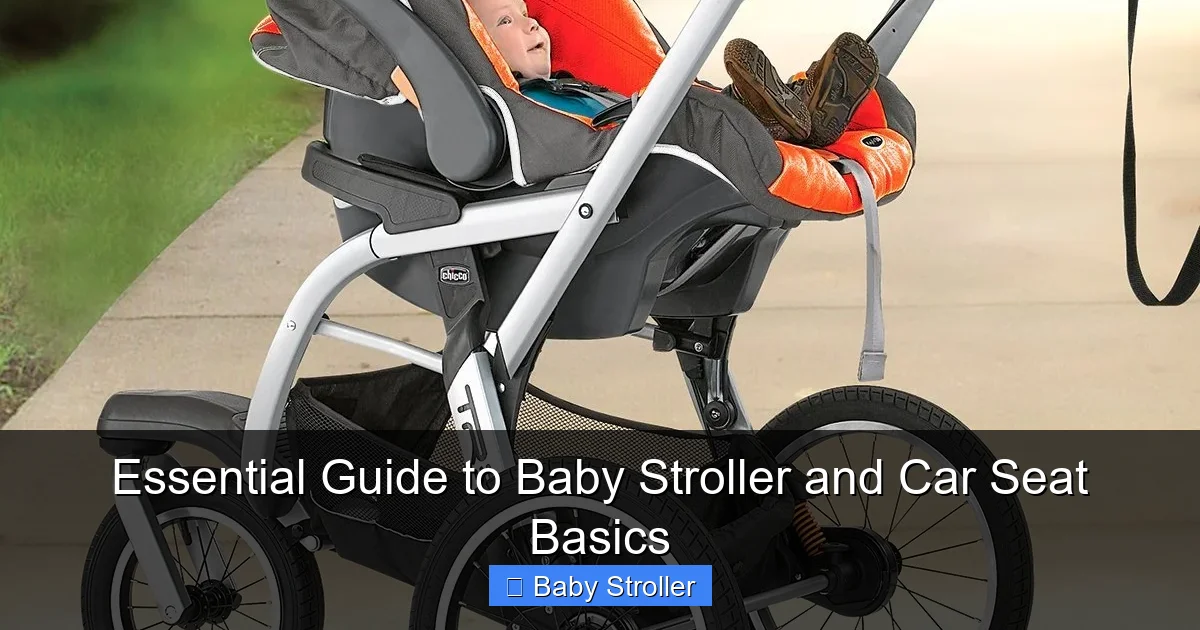
- Jogging Strollers: Made for active parents. They have three wheels and suspension for smooth runs. Perfect for trails or parks.
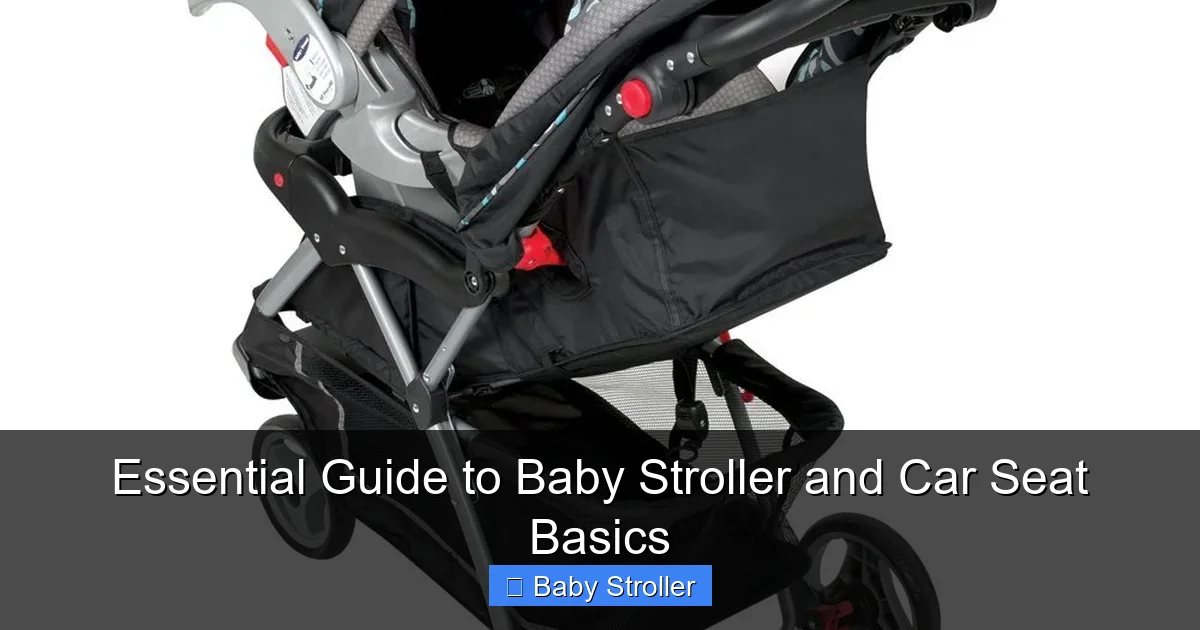
- Travel Systems: These include a stroller and a car seat that click together. Very convenient for babies and toddlers.
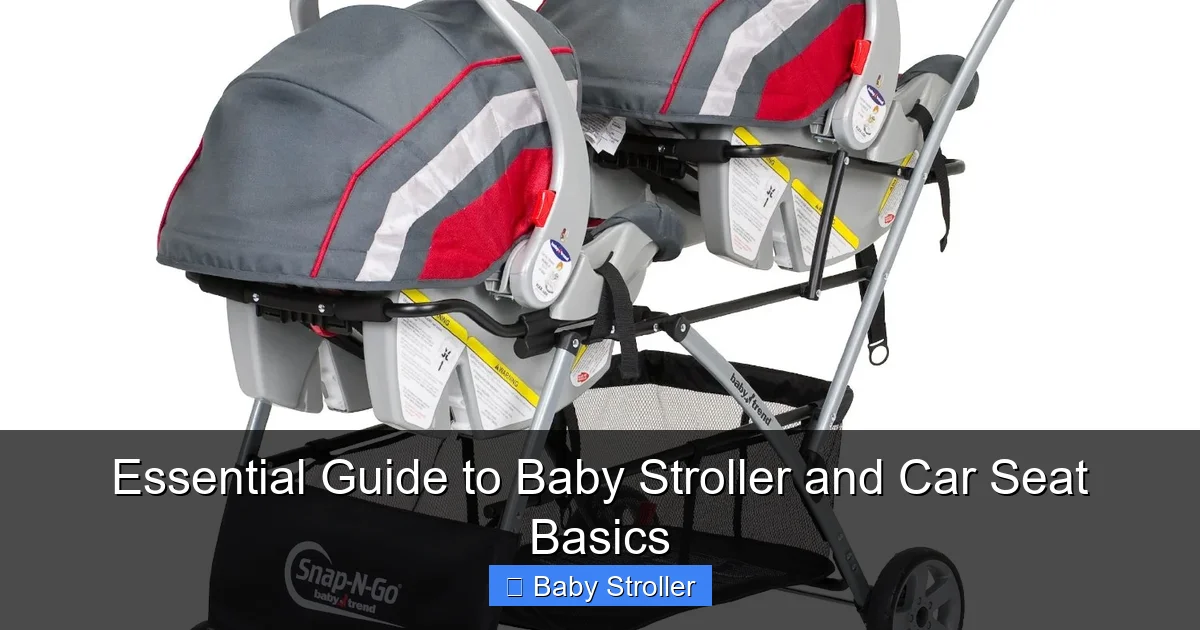
- Double Strollers: Designed for twins or two children. They can be side-by-side or tandem style.
Each type serves different needs. Your choice depends on your lifestyle.
Basic Parts of a Baby Stroller
Knowing the parts helps with use and care. A typical stroller has:
- Frame: The main structure, often made of metal or plastic.
- Seat: Where your baby sits, usually with a harness.
- Wheels: They can be swivel or fixed, with air or foam tires.
- Handlebar: For pushing, sometimes adjustable for height.
- Canopy: A hood to shield your baby from sun or rain.
- Brakes: To keep the stroller from rolling away.
These parts work together for a smooth ride.
What is a Car Seat? Safety on the Road
A car seat is a special seat for babies and children in vehicles. It is designed to protect them during car rides. In fact, it’s a must-have for safe travel. Car seats use harnesses and sturdy materials to reduce injury risks. Let’s look at the details.
Visual guide about Essential Guide to Baby Stroller and Car Seat Basics
Image source: kidsittingsafe.com
Key Types of Car Seats
Car seats come in stages based on your child’s age and size:
- Infant Car Seats: For newborns and small babies. They are rear-facing and often portable with a handle.
- Convertible Car Seats: These can switch from rear-facing to forward-facing. They last longer as your child grows.
- All-in-One Car Seats: Very versatile. They adjust from rear-facing to forward-facing to booster mode. A long-term investment.
- Booster Seats: For older children who have outgrown forward-facing seats. They boost the child so the seat belt fits properly.
Always check weight and height limits. Safety comes first.
Essential Safety Features in Car Seats
When choosing a car seat, look for these features:
- Five-Point Harness: Straps over the shoulders, hips, and between the legs. It keeps your baby secure.
- Side-Impact Protection: Extra padding or structure to shield from side crashes.
- Easy Installation: Systems like LATCH (Lower Anchors and Tethers for Children) make installation simpler.
- Certifications: Ensure it meets safety standards like FMVSS 213 in the U.S. or similar regulations elsewhere.
These features help keep your baby safe on every trip.
How to Choose the Right Baby Stroller: Step-by-Step
Choosing a baby stroller can be fun. Follow these steps to find your match.
Visual guide about Essential Guide to Baby Stroller and Car Seat Basics
Image source: kidsittingsafe.com
Step 1: Assess Your Lifestyle
Think about your daily life. Do you walk a lot in the city? A lightweight stroller might be best. Are you a runner? Consider a jogging stroller. For frequent car trips, a travel system could save time. Write down your typical activities. This will guide your choice.
Step 2: Set Your Budget
Baby strollers range from budget to high-end. Decide how much you want to spend. Remember, a higher price often means more features or durability. But there are good options at every price point. Look for sales or second-hand deals if needed.
Step 3: Check Key Features
Test or research these features:
- Foldability: Can you fold it easily with one hand? This is great for storage and travel.
- Weight: Lighter strollers are easier to carry. But heavier ones may be more stable.
- Maneuverability: Try pushing it around. Smooth steering makes walks enjoyable.
- Comfort: Look for padded seats and adjustable recline. Your baby will thank you.
- Storage: A basket underneath is handy for diapers or groceries.
Make a list of must-haves versus nice-to-haves.
Step 4: Read Reviews and Test
Read online reviews from other parents. They share real experiences. If possible, visit a store to test the stroller. Push it, fold it, and imagine using it daily. This hands-on step can prevent regrets later.
How to Choose the Right Car Seat: Step-by-Step
Picking a car seat is crucial for safety. Here’s a simple process.
Step 1: Determine the Correct Type
Start with your child’s age and size. For newborns, an infant car seat is often best. As they grow, a convertible seat offers flexibility. If you want one seat for years, an all-in-one might be ideal. Refer to the manufacturer’s guidelines for weight and height limits.
Step 2: Focus on Safety Ratings
Look for car seats with high safety ratings. Organizations like the NHTSA (National Highway Traffic Safety Administration) provide ratings. Choose seats with top scores in crash tests and ease of use. Don’t compromise on safety.
Step 3: Ensure It Fits Your Vehicle
Not all car seats fit all cars. Check the dimensions. Try installing it in your vehicle before buying. Some stores offer fitting services. A proper fit means better security. Also, consider if you need multiple seats for different cars.
Step 4: Consider Comfort and Convenience
Your baby will spend time in the car seat. Look for features like padded inserts, adjustable harnesses, and breathable fabrics. For you, features like easy cleaning covers or simple installation can make life easier. Balance safety with practicality.
Using Your Baby Stroller and Car Seat Safely: Practical Tips
Now that you have your gear, let’s talk about safe use. These tips will help you avoid common mistakes.
Tips for Baby Stroller Safety
- Always use the harness: Secure your baby with the stroller’s harness every time. This prevents falls.
- Lock the brakes: When stopped, engage the brakes. This keeps the stroller from rolling away.
- Avoid hanging heavy bags: Don’t overload the handlebar. It can cause the stroller to tip over.
- Check for recalls: Register your stroller with the manufacturer. You’ll get alerts if there’s a safety issue.
- Keep an eye on your baby: Never leave your baby unattended in a stroller, even for a moment.
Follow these to ensure smooth strolls.
Tips for Car Seat Safety
- Install it correctly: Read the manual carefully. Use the LATCH system or seat belt as instructed. Get it checked by a certified technician if unsure.
- Position it properly: For infants, always use rear-facing. It’s the safest position. Only switch to forward-facing when your child meets the requirements.
- Tighten the harness: The straps should be snug. You shouldn’t be able to pinch excess webbing at the shoulder.
- Place it in the back seat: The rear seat is safest for children. Avoid front seats with airbags.
- Replace after accidents: If you’re in a moderate to severe crash, replace the car seat. Even if it looks fine, internal damage can occur.
Safety is a habit. Practice it every day.
Troubleshooting Common Issues
Sometimes, things don’t go as planned. Here’s how to handle common problems with baby strollers and car seats.
Baby Stroller Issues
Problem: Stroller is hard to push. Check the wheels for debris or inflation. Clean and lubricate if needed. Ensure the brakes are fully released.
Problem: Stroller won’t fold. Refer to the manual. There might be a lock or button you missed. Practice folding when you’re not in a rush.
Problem: Seat is wobbly. Tighten all screws and connections. If it persists, contact the manufacturer for support.
Car Seat Issues
Problem: Car seat moves too much. Reinstall it, pulling the belt or LATCH strap tighter. It should not move more than an inch side-to-side.
Problem: Harness is twisted. Straighten the straps regularly. Twisted straps can reduce protection in a crash.
Problem: Baby seems uncomfortable. Adjust the padding or recline angle. Ensure clothing isn’t bulky under the harness. For long trips, take breaks.
When in doubt, consult the manual or seek professional help.
Conclusion: Your Journey to Confident Parenting
You’ve reached the end of this essential guide. Now you know what baby strollers and car seats are. You understand how to choose and use them safely. Remember, every family is different. Pick gear that fits your life. Prioritize safety and comfort. With this knowledge, you’re ready to enjoy adventures with your baby. Happy parenting!
🎥 Related Video: Infant Car Seats vs. Convertible Car Seats – Babylist
📺 Babylist
Confused about the difference between an infant and convertible car seat? Babylist Scout Laura breaks it down to help you …
