
Most babies can start using a fully reclined stroller from birth, but safety depends on the stroller type, your baby’s neck strength, and proper use. This guide covers crucial age and development milestones, from newborns in travel systems to toddlers in umbrella strollers. Following manufacturer guidelines and prioritizing your baby’s physical readiness is key to safe strolling.
Key Takeaways
- Newborns Need Full Recline: Babies under 6 months must be in a stroller that lies completely flat to protect their airway and spine.
- Travel Systems Are Ideal for Infants: A car seat that clicks into a stroller frame is the safest, most convenient option for very young babies.
- Strength Over Age: The ability to sit up independently, usually around 6 months, is the key milestone for moving to an upright stroller seat.
- Always Use the Harness: A properly secured 5-point harness is non-negotiable for safety at every age and stage.
- Check Weight and Height Limits: Always adhere to your specific stroller model’s limits, which are more important than age alone.
- Sun and Weather Protection is a Must: Use canopies, shades, and appropriate clothing to shield your baby from the elements.
- Never Hang Bags on Handles: To prevent the stroller from tipping over, store all weight low and in designated areas.
When Can Baby Use Stroller: Your Complete Safety Guide
One of your first big outings with your new baby often involves a stroller. It’s an exciting step! But it also brings an important question: when is it truly safe for your baby to ride in one? The answer isn’t just about a number on a calendar. It’s about your baby’s development, the type of stroller you have, and how you use it. This guide will walk you through everything you need to know. We’ll cover age guidelines, crucial safety tips, and how to choose the right stroller for your baby’s stage. Let’s make sure every journey is a safe and happy one.
Understanding Stroller Types and Age Readiness
Not all strollers are made for all ages. The first step to safety is knowing what kind of stroller you have.
Visual guide about When Can Baby Use Stroller Safety Tips and Age Guidelines
Image source: pcprd.azureedge.net
1. Travel Systems (Car Seat Carriers)
These are stroller frames designed to hold a specific infant car seat. This is the only type of stroller suitable for a newborn from day one.
- Age: From birth until your baby outgrows the infant car seat (typically by height or weight, often around 12-18 months).
- Why it’s safe: The car seat provides the full recline and support a newborn’s delicate spine and airway need. The baby stays snugly harnessed in the seat you simply click onto the frame.
- Important Tip: Limit extended naps in the car seat outside the car. Once you reach your destination, it’s best to move a sleeping baby to a firm, flat surface if possible.
2. Full-Size or Standard Strollers with a Fully Reclining Seat
Many all-terrain or everyday strollers have a seat that can recline to a completely flat (180-degree) position.
- Age: Can often be used from birth, but only if the reclined position is truly flat.
- Safety Check: Consult your manual. If it says “birth to 50 lbs,” and the recline is flat, it’s likely approved. Always use the infant snugger or head support if included.
3. Strollers with a Semi-Recline or Upright Seat
These include most umbrella strollers and lightweight models.
- Age: Not safe for newborns. Wait until your baby can sit up completely unassisted. This milestone is usually reached between 5 and 7 months.
- Why you must wait: A baby who cannot sit up lacks the core and neck strength to sit upright safely in a stroller. Slumping can compromise their breathing.
Step-by-Step: Determining Your Baby’s Readiness
Step 1: Check the Manufacturer’s Guidelines
This is your most important resource. Look in the stroller manual or on a label on the frame. It will state the minimum weight, age, or required developmental stage. Always follow this over general advice.

Visual guide about When Can Baby Use Stroller Safety Tips and Age Guidelines
Image source: worldwiderunning.com
Step 2: Assess Your Baby’s Physical Development
Can your baby hold their head up steadily and strongly? This is the first sign of neck muscle development needed for a semi-reclined seat. The big milestone is independent sitting. Can they sit on the floor without using their hands for support and without toppling over? If yes, their core strength is likely sufficient for an upright stroller seat.
Step 3: Consider Weight and Height
Your baby must meet the minimum weight requirement (often 15-20 lbs for an upright seat) and must not exceed the maximum limits. Their head should also be well below the top of the seatback.
Essential Stroller Safety Tips for Every Ride
1. Harness is Non-Negotiable
Always use the 5-point harness (two shoulder straps, two waist straps, one crotch strap). Buckle it every single time, even for short trips. The straps should be snug—you should not be able to pinch excess material at the shoulder.
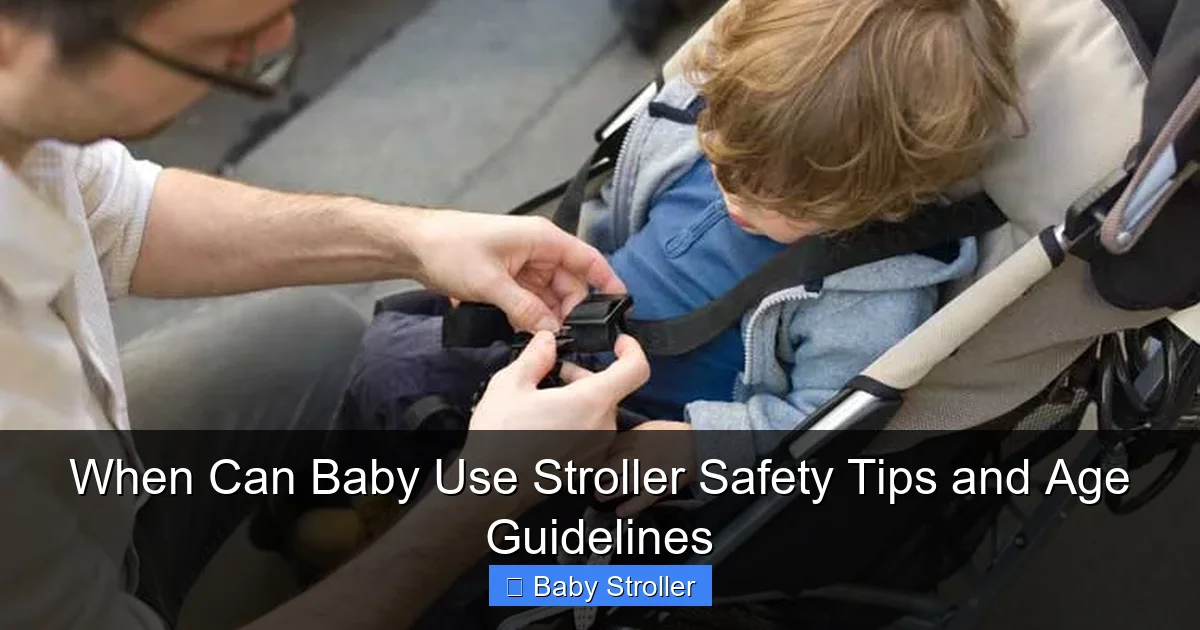
Visual guide about When Can Baby Use Stroller Safety Tips and Age Guidelines
Image source: article.images.consumerreports.org
2. Master the Recline for Young Babies
For infants under 6 months, the seat must be fully reclined. This keeps their back straight and their airway open. As they grow stronger, you can gradually adjust it to more upright positions.
3. Secure Brakes and Balance
Always engage the brakes whenever you stop. Never hang heavy bags, purses, or shopping bags from the stroller handles. This can cause the entire stroller to tip over backwards. Use the storage basket underneath instead.
4. Protect From the Elements
Use the stroller’s canopy or a sunshade to protect your baby from sun and wind. In cold weather, use a footmuff or blanket. Avoid bulky coats under the harness, as they create slack. Dress baby in thin layers and tuck a blanket over them after buckling.
5. Stay Attentive and Close
Never leave your baby unattended in a stroller. Keep your hands on the stroller, especially on hills or near traffic. Avoid using headphones so you can stay aware of your baby and surroundings.
Troubleshooting Common Stroller Concerns
Problem: My newborn slumps to the side in the stroller seat, even when fully reclined.
Solution: Use the included infant insert, head hugger, or rolled-up receiving blankets (securely placed outside the harness) to provide lateral support. Ensure the harness is tight enough to hold them in position.
Problem: My 4-month-old seems strong, but the stroller manual says 6 months+.
Solution: Always follow the manual. The age guidelines are based on safety testing for average development. It’s not worth the risk.
Problem: My toddler tries to stand up or climb out.
Solution: Immediately stop the stroller. Consistently reinforce that they must stay seated and buckled. For persistent escape artists, consider a stroller with a deeper seat or a 5-point harness that is harder to unbuckle.
Conclusion: Safety is a Journey
Knowing when your baby can use a stroller is one of the first of many safety decisions you’ll make as a parent. The golden rules are simple: prioritize full recline for newborns, wait for independent sitting for upright seats, and never, ever skip the harness. By matching the stroller to your baby’s stage, checking your manual, and staying vigilant, you turn the stroller into a wonderful tool for exploration and connection. Enjoy the walks ahead, knowing you’re creating safe and joyful adventures for your little one.
🎥 Related Video: Travel stroller folding competition is back! Who do you think won? #nuna #uppababy #joolz #bugaboo
📺 Strolleria
