
Choosing the best stroller for your baby doesn’t have to be stressful. This guide simplifies the process by helping you assess your lifestyle, understand stroller types, and prioritize essential features. You’ll gain the confidence to select a safe, comfortable, and practical stroller that makes every outing a breeze.
Key Takeaways
- Assess Your Lifestyle First: Your daily activities, living space, and travel habits are the biggest factors in choosing the right stroller type.
- Understand the Different Stroller Types: From full-size to jogging and travel systems, each type is designed for specific uses and environments.
- Never Compromise on Safety: Always look for a sturdy frame, a reliable five-point harness, effective braking systems, and relevant safety certifications.
- Prioritize Comfort and Convenience: Features like adjustable recline, ample canopy coverage, easy folding, and sufficient storage enhance daily usability.
- Set a Realistic Budget: Determine your spending range early, but consider a stroller as a long-term investment in your child’s comfort and your sanity.
- Research Extensively and Test Drive: Read verified reviews, check ratings, and if possible, test the stroller’s maneuverability and fold in person before buying.
- Think About Adaptability and Growth: Consider strollers that grow with your child via reversible seats or those compatible with infant car seats for added value.
Introduction: Your Journey to Finding the Best Stroller
Hello, new parent! Welcome to your ultimate guide on which stroller is best for your baby. Feeling overwhelmed by the endless aisles of options online or in stores? You’re not alone. Picking a stroller is a big decision. It will be your trusty sidekick for shopping trips, park visits, and daily walks. This guide is here to turn confusion into clarity. We’ll walk you through a simple, step-by-step process. You’ll learn how to match a stroller to your unique life. Let’s find the perfect ride for your little one together!
Step 1: Assess Your Lifestyle and Needs
The first step to finding the best stroller is to look at your own life. There is no one-size-fits-all answer. The best stroller for a city-dwelling family is different from one for suburban joggers. Ask yourself these questions.
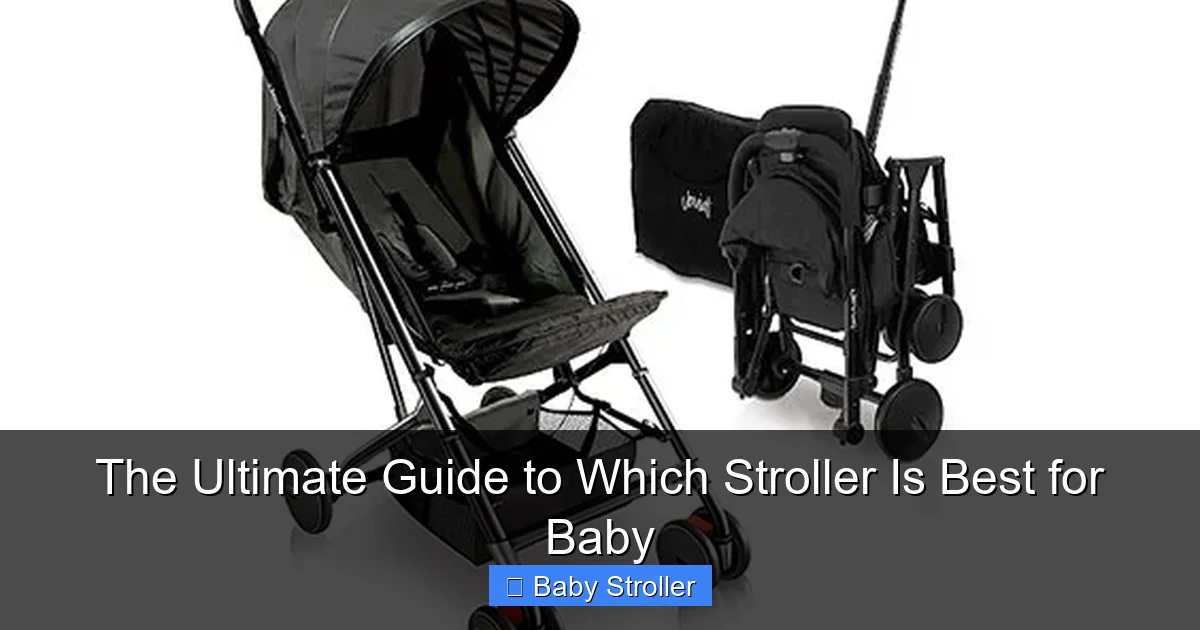
Visual guide about The Ultimate Guide to Which Stroller Is Best for Baby
Image source: riverbabygroup.com
Consider Your Daily Routine
What does a typical day look like? Do you run errands daily, or are you more of a weekend adventurer? If you’re always on the go, you need a stroller that’s easy to fold and lift. Think about how often you’ll use it. Frequent users might want more durable wheels and comfort.
Evaluate Your Living Environment
Do you live in a walk-up apartment or a house with a garage? Narrow doorways and stairs call for a compact, lightweight stroller. If you have smooth sidewalks or drive everywhere, a larger, plusher stroller could work. Also, consider your car trunk size for storage.
Think About Travel and Future Plans
Do you love to travel or fly often? A lightweight, travel-friendly stroller is a must. Also, think about your family’s future. Are you planning on more children soon? A stroller that converts to a double might be a smart choice now.
Step 2: Understand Stroller Types
Once you know your needs, learn the main stroller categories. This will quickly narrow your search. Here are the most common types.

Visual guide about The Ultimate Guide to Which Stroller Is Best for Baby
Image source: i.pinimg.com
Full-Size or Standard Strollers
These are the workhorses. They offer lots of features like large storage baskets, adjustable handles, and plush seats. They are great for everyday use but can be bulky. This type is often the best stroller for baby if you want all the comforts.
Lightweight or Umbrella Strollers
These are simple, compact, and easy to fold. They are perfect for quick trips, travel, or as a backup. They usually have fewer features but are very portable. They might not be suitable for newborns without full recline.
Jogging Strollers
Designed for active parents, these have three air-filled tires for smooth rides on rough terrain. They are great for running, hiking, or beach walks. They are larger and might not fit in small trunks. Always check if your baby is old enough for a jogger.
Travel System Strollers
These are bundles that include a stroller and a compatible infant car seat. The car seat clicks directly into the stroller frame. This is incredibly convenient for newborns. You won’t wake your sleeping baby when moving from car to stroller.
Double and Triple Strollers
Ideal for twins or siblings close in age. They come side-by-side or in tandem (front-and-back). Consider your doorway width and maneuverability needs. Some single strollers can be converted with an attachment, offering flexibility.
Step 3: Key Features to Look For
Now, let’s dive into the details. These features will determine how happy you and your baby are with your choice.

Visual guide about The Ultimate Guide to Which Stroller Is Best for Baby
Image source: babyseatguide.com
Safety Features Are Non-Negotiable
Your baby’s safety comes first. Look for a sturdy, stable frame. A five-point harness is the gold standard—it secures at the shoulders, hips, and between the legs. Test the brakes. They should be easy to engage and hold firmly on a slope. Look for safety certifications like JPMA (Juvenile Products Manufacturers Association).
Comfort for Your Baby
A happy baby makes for happy outings. The seat should have multiple recline positions, especially for newborns who need to lie flat. A large, extendable canopy with a peek-a-boo window is great for sun and weather protection. Padded seats and adjustable footrests add to the comfort.
Maneuverability and Ease of Use
Try pushing the stroller with one hand. Swivel front wheels make turning in stores easy. Lockable front wheels are better for jogging or straight lines. The folding mechanism should be simple and quick. Can you fold it while holding your baby? Check the handle height—it should be comfortable for your back.
Storage and Practical Extras
Don’t underestimate storage! A large under-seat basket is a lifesaver for groceries or diaper bags. Look for parent consoles for your phone and coffee. Some strollers have pockets on the seatback. These small features make a big difference in daily use.
Step 4: Set Your Budget
Strollers can range from $50 to over $1000. Setting a budget helps you focus. But think of it as an investment.
Determine Your Spending Range
Decide how much you are willing to spend. Entry-level strollers are basic but functional. Mid-range models ($200-$500) often offer the best balance of features and quality. High-end strollers have premium materials and advanced engineering.
Balance Cost with Long-Term Value
Sometimes, spending more upfront saves money later. A durable stroller that lasts through multiple children is a better value. A travel system might cost more but includes a car seat. Consider the cost per use. If you use it daily for years, a higher price may be justified.
Step 5: Research and Compare Models
With your needs and budget in mind, it’s time to shop. Don’t rush this step.
Read Online Reviews and Ratings
Websites like Consumer Reports, Amazon, and parenting blogs are treasure troves of information. Look for reviews from parents with similar lifestyles. Pay attention to common complaints about wheels breaking or difficult folding. This research is key to finding which stroller is best for baby in real-world use.
Visit Stores to Test Drive
If possible, go to a baby store. Push the stroller around. Fold and unfold it. Lift it to feel the weight. Place a weighted bag in the seat to simulate your baby. See how it feels in your trunk. This hands-on test can make your decision clear.
Check for Recalls and Warranty
Always check the manufacturer’s website or the CPSC (Consumer Product Safety Commission) for any recalls on the model you like. A good warranty (at least one year) protects your investment. It shows the company stands behind its product.
Step 6: Make the Decision and Purchase
You’ve done the homework. Now, it’s time to choose and buy.
Final Checklist Before Buying
Run through this list: Does it fit your lifestyle? Is it safe and comfortable? Is it within budget? Have you read the reviews? Does it fold easily for your car? If you answered yes, you’re ready.
Where to Buy and What to Avoid
You can buy from big retailers, specialty baby stores, or online. Buying from authorized sellers ensures you get the warranty. Avoid used strollers unless you know their full history and can check for recalls. Safety should never be compromised.
Troubleshooting Common Stroller Issues
Even the best stroller might have hiccups. Here are quick fixes for common problems.
Problem: Stroller is hard to push or pull to one side. Check tire pressure if they are air-filled. For swivel wheels, ensure they aren’t locked and are free of debris.
Problem: Difficulty folding or unfolding. Re-read the manual. Often, there’s a safety lock or button that needs to be pressed in a specific sequence. Practice a few times.
Problem: Squeaky wheels or joints. A little silicone-based lubricant on the wheels and joints can work wonders. Avoid oil-based products that attract dirt.
Problem: Storage basket is too small. Consider adding a stroller hook or clip-on bag for extra storage. Don’t overload the basket, as it can affect stability.
Conclusion: You’re Ready to Choose the Best Stroller!
Congratulations! You’ve navigated the world of strollers like a pro. Remember, the best stroller for your baby is the one that fits seamlessly into your life. It should keep your child safe and comfortable while making your outings easier. Trust the process you just learned. Assess, research, and test. Your perfect stroller is out there waiting. Happy strolling!
🎥 Related Video: What No One Tells You About Newborn Strollers: Bassinet, Pramette, Full Flat Recline, or Car Seat?
📺 The Stroller Mom
Did you find this video helpful?* Please consider shopping through my affiliate links below—your support helps keep the channel …
