
Does baby car seat need a base? This guide helps you choose the safest option for your child. It shows step-by-step instructions for installing with a base and without one, plus tips and troubleshooting to keep rides safe.
Key Takeaways
- Point 1: A base can make installation quicker and more consistent.
- Point 2: Many infant seats work safely without a base when installed correctly with a seat belt or LATCH.
- Point 3: Learn both methods so you can travel and switch cars with confidence.
- Point 4: Always check the car seat manual and your vehicle manual before installation.
- Point 5: Regular checks and simple maintenance keep a base or no-base setup safe over time.
- Point 6: If in doubt, get a certified car seat check from a technician.
Introduction
This guide answers the common question: does baby car seat need a base. You will learn how to install infant car seats with a base. You will also learn how to install without a base. You will get tips, examples, and fixes for common problems. The goal is simple. Help you choose the safest option for your baby.
Quick answer: Does baby car seat need a base?
Short answer: does baby car seat need a base depends on your needs. Many infant seats are designed for use with a base. But most of them can be used safely without a base if installed correctly. This guide explains both paths so you can make the right choice.
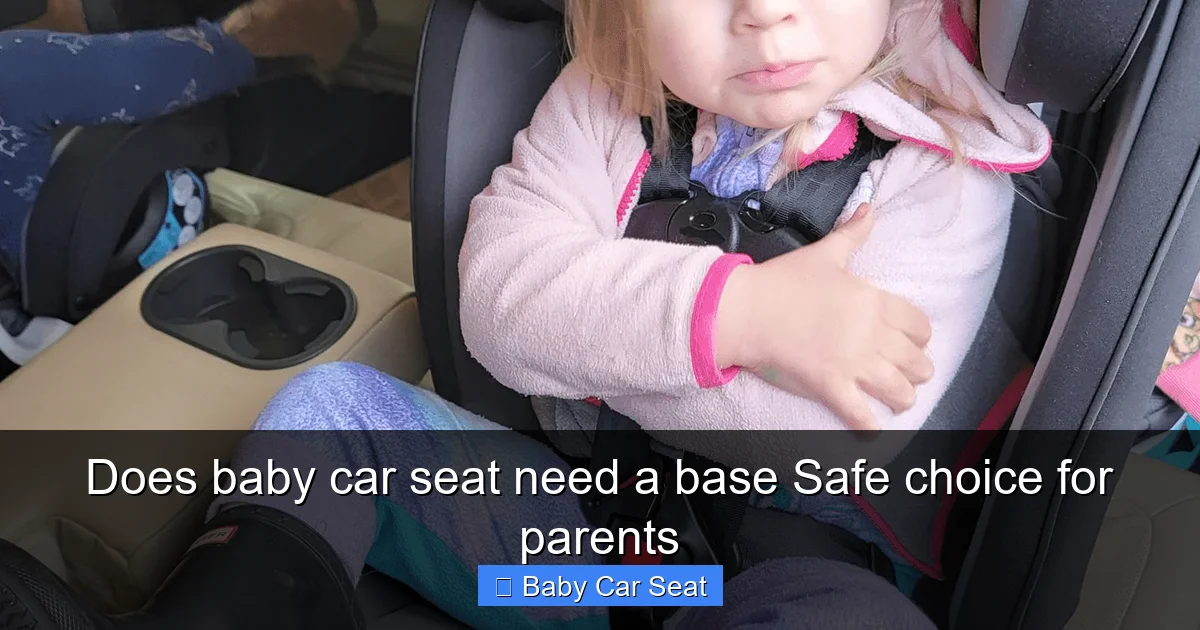
Visual guide about Does baby car seat need a base Safe choice for parents
Image source: csftl.org
Why a base is useful
A base offers a stable mounting point. It lets you snap the carrier into place quickly. A base often has level indicators. This helps get the angle right. That reduces user error. If you move the seat in and out often, a base saves time.
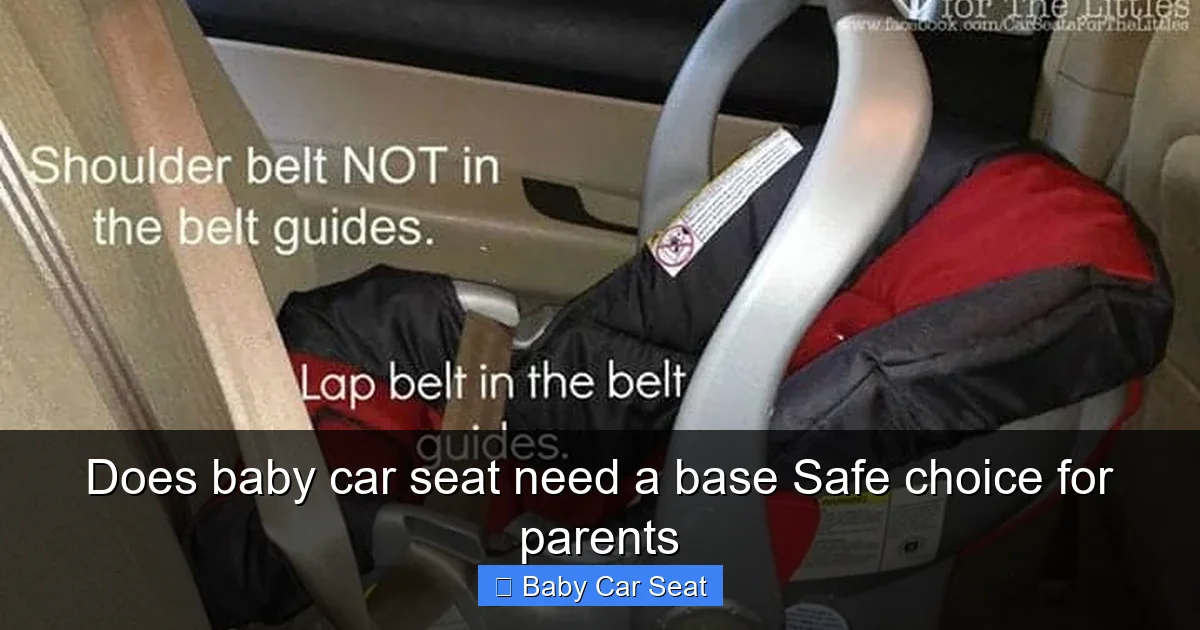
Visual guide about Does baby car seat need a base Safe choice for parents
Image source: csftl.org
When a base may not be needed
Some families travel a lot. They place the seat in taxis or rental cars. They may not want to carry a base. Some vehicles and seat models fit well without a base. Also, parents who install the seat carefully every time may not need a base. So the answer to does baby car seat need a base can be: not always.
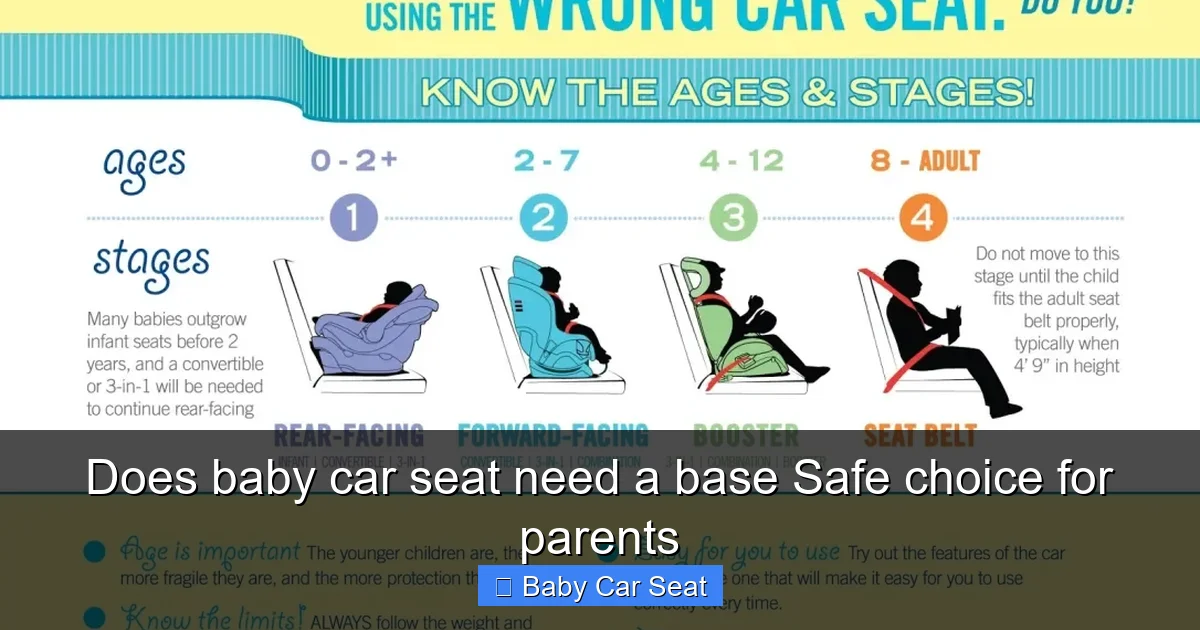
Visual guide about Does baby car seat need a base Safe choice for parents
Image source: i0.wp.com
Types of infant seats and bases
Infant car seats come in two main types. Some are designed only to work with a specific base. Others are sold as a carrier plus base, but can be used with a seat belt instead. There are also convertible seats. These attach only by belts and do not use a base. Knowing the type helps answer does baby car seat need a base.
Safety rules to always follow
- Read the car seat manual. It tells if the seat must use a base.
- Read your vehicle manual. It shows where to place a seat.
- Use the correct belt path if you install without a base.
- Keep the harness snug and at the correct height.
- Inspect the seat and base for damage before each use.
Step-by-step: Install an infant seat with a base
This section gives clear steps for installing with a base. Follow each one slowly. Check the manual at each step.
Step 1: Read both manuals
Open the car seat manual. Open the vehicle manual. Find the zones for child seats. Confirm whether the seat needs a base. If your manuals conflict, follow the car seat maker.
Step 2: Choose the right location
Place the base in a rear seating position. The center seat is often best for crash protection. Use a side seat if the center does not fit. Make sure the base sits flat.
Step 3: Attach the base with LATCH or seat belt
Many bases offer LATCH anchors. Connect the lower anchor straps to the vehicle anchors. Tighten until the base moves less than one inch side-to-side. If using a seat belt, route the belt through the base belt path. Buckle and tighten. Lock the belt if your car requires it.
Step 4: Check the angle
Use the level indicator on the base. Adjust the base foot if it has one. The infant carrier must tilt at the correct angle. This keeps the baby’s airway open and safe.
Step 5: Snap the carrier in and test
Place the carrier on the base until it clicks. Tug the carrier at the handle to confirm a secure lock. The carrier should not wobble more than one inch.
Step 6: Secure your baby properly
Place your baby in the seat. Fasten the harness. Tighten until you cannot pinch the harness webbing at the shoulder. Ensure the chest clip rests at armpit level.
Step-by-step: Install an infant seat without a base
Knowing how to install without a base helps when you switch cars. It also answers the question does baby car seat need a base for travel. Follow these steps carefully.
Step 1: Read the manuals
Check if your seat allows installation without a base. The manual will show the correct belt path. If the manual says no, do not attempt belt-only installation.
Step 2: Choose the right seat position
Pick a rear seat. The center is safest if it fits. Make sure the seat belt can reach and lock.
Step 3: Route the seat belt correctly
Thread the vehicle belt through the correct path on the carrier. Use the path marked for seat belt use. Buckle the belt. Pull the belt tight to remove slack.
Step 4: Lock the seat belt and tighten
Some cars lock the belt by pulling it all the way out, then letting it retract. Others lock automatically. Follow your vehicle manual. Tighten until the carrier moves less than one inch side-to-side.
Step 5: Check the angle and position
Most infant carriers have a level marker. Adjust the seat position or fold the vehicle seat if needed. The carrier must be at the right angle for a newborn.
Step 6: Buckle your baby
Place your baby and secure the harness. Tighten until snug. Keep the chest clip at armpit level. Double-check everything before driving.
How to pick: base vs no base
Ask these simple questions. Do you move the seat often? Do you own multiple cars? Do you travel by taxi or airplane? Answers help decide if a base is right.
- If you plan to keep the seat in one car, a base is convenient.
- If you switch cars a lot, learn the belt-only method too.
- If safety checks are a worry, a base reduces user error with repeated installs.
Remember, the main safety point is correct installation. That is the real answer to does baby car seat need a base.
Practical tips and examples
Here are easy tips. They help in real life.
- Practice at home. Install and remove the carrier until it feels easy.
- Use the same method every time to reduce mistakes.
- Label the base with the child’s name if you leave it in daycare or with relatives.
- Keep spare shoulder pads and a manual in the car.
- If you travel by plane, check airline rules. Some allow bases in the cabin. Some do not.
Example: Sarah travels weekly. She prefers using the carrier without the base. She practiced belt installation in each car. That gave her speed and confidence. Example: Mark keeps one base in each of his two cars. He snaps the carrier in and out in seconds. Both methods can be safe when done right.
Troubleshooting common problems
Here are problems you may face. Each problem includes a quick fix. This helps answer common worries about does baby car seat need a base.
Problem: Base rocks too much
Fix: Remove the base. Reinstall using the LATCH or seat belt. Tighten until the base moves less than one inch. Use both hands and body weight to pull the strap tight. If it still moves, check that you used the correct anchor points.
Problem: Carrier won’t click into base
Fix: Inspect the base latch for debris. Align the carrier straight over the base. Press down until you hear the click. If the latch is broken, stop using the base and contact the maker.
Problem: Seat belt won’t lock
Fix: Pull the belt all the way out and let it retract. That often engages the lock. If your belt still won’t lock, try another seating position or use LATCH anchors if available.
Problem: Seat tilts too much or too little
Fix: Adjust the base recline foot if your base has one. Move the carrier a bit forward or back on the vehicle seat. Use a rolled towel under the vehicle seat if the angle is slightly off, but check the manual first.
Problem: Harness is loose
Fix: Re-thread harness if needed. Pull the adjuster strap firmly. Make sure the chest clip is at the right height. Tighten until you cannot pinch the webbing at the shoulder.
When to get help
If you cannot make the seat stable, stop and get help. Many local fire stations and hospitals offer car seat checks. Certified technicians can inspect the installation. This gives peace of mind and reduces risk.
Maintenance and care for bases and carriers
Inspect both base and carrier monthly. Look for cracks, frayed straps, and missing parts. Clean spills with mild soap and water. Do not put the harness in a washing machine. Replace any damaged part or the whole seat if it fails a crash or shows damage. Check the expiration date on the seat and base. Most expire after 6 to 10 years.
Legal and safety reminders
Follow local laws for child restraint. Laws vary by region. Some require rear-facing for longer. Some restrict children in front seats. The legal rules do not answer does baby car seat need a base. Safety is the main guide. Use the method the manual approves. If the manual allows both options, choose the one you can install correctly every time.
Real-life checklist before every trip
- Is the seat installed correctly? (Base or belt)
- Does the seat move less than one inch at the belt path?
- Is the harness snug and at the right height?
- Is the chest clip at armpit level?
- Is the seat at the correct angle?
- Are there any recalls on your model?
Conclusion
So, does baby car seat need a base? The short answer is: not always. A base can make installs faster and reduce user error. But many infant carriers work well without a base when installed correctly. The key is to read manuals, follow safe steps, and check your work every time. Practice both methods. Get help from a certified technician if you are unsure. With the right care, your baby can travel safely whether you use a base or not.
🎥 Related Video: How Easy Is ClickTight Installation? See Why Parents Love Britax Car Seats
📺 Britax Child Safety, Inc
Real Parent Review: @littleradadventures shows just how quick and secure a Britax ClickTight installation can be—rear-facing or …
