
Does baby car seat face forward is a common question for new parents. This guide explains when it is safe to turn a child forward, step-by-step checks, installation tips, and common mistakes to avoid. Follow these clear steps to help keep your child safe and comfortable.
Key Takeaways
- Point 1: Keep infants rear-facing as long as possible; rear-facing is safest for most babies.
- Point 2: Use weight, age, and head control to decide when to turn forward. Follow the car seat manual.
- Point 3: Proper installation and harness fit are crucial when you switch to forward-facing.
- Point 4: Use the top tether and correct belt path for forward-facing seats.
- Point 5: Check local laws and car seat labels; they may set minimums for forward-facing.
- Point 6: Watch for signs of poor fit, and troubleshoot tightness, angle, or harness issues right away.
Introduction
This guide will explain does baby car seat face forward and when it is safe to move a child. You will learn simple rules. You will learn steps to switch safely. You will get tips and troubleshooting help. The goal is clear. Keep your baby safe in the car.
Step 1: Know Why Direction Matters
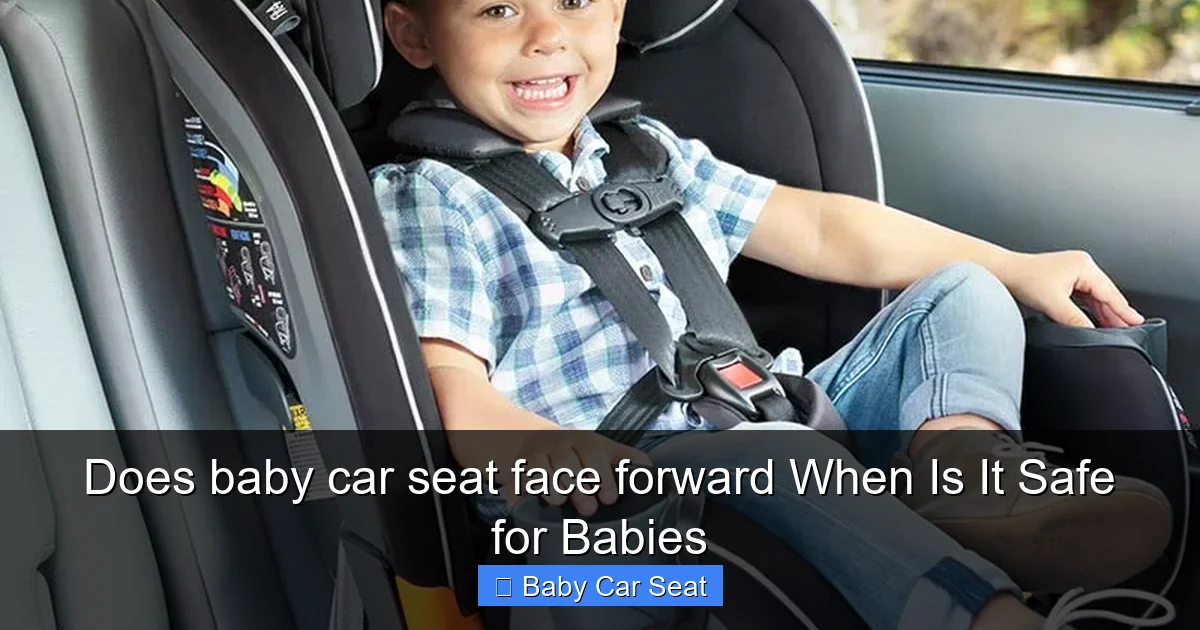
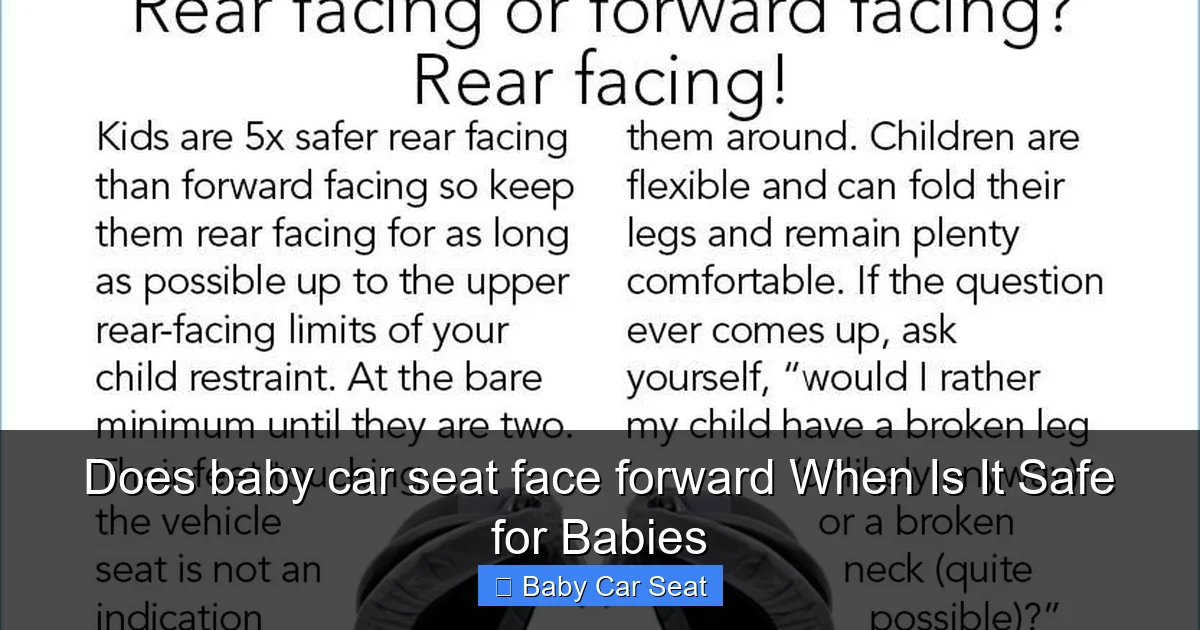
Parents often ask, does baby car seat face forward? The direction matters a lot. Rear-facing seats protect the neck and spine in a crash. Young children have weak necks and heavy heads. Rear-facing spreads crash forces across the whole back. Forward-facing puts force on the neck. That is why most experts say to keep babies rear-facing as long as possible.
Visual guide about Does baby car seat face forward When Is It Safe for Babies
Image source: chiccousa.com
Step 2: Check the Car Seat Label and Manual
Before you think about forward-facing, read the car seat manual. The manual tells you when to switch. It lists weight and height limits. It tells you how to install the seat forward-facing. It also shows the correct belt path and tether placement. If you lose the manual, find it online. Use the exact seat model number. The manual is the main rule.
Visual guide about Does baby car seat face forward When Is It Safe for Babies
Image source: i.pinimg.com
Find the Seat Model
Look at the car seat base or shell. Find the sticker with the model number. Write it down. Search the maker’s website. Download the manual PDF.
Step 3: Follow Age, Weight, and Height Guidelines
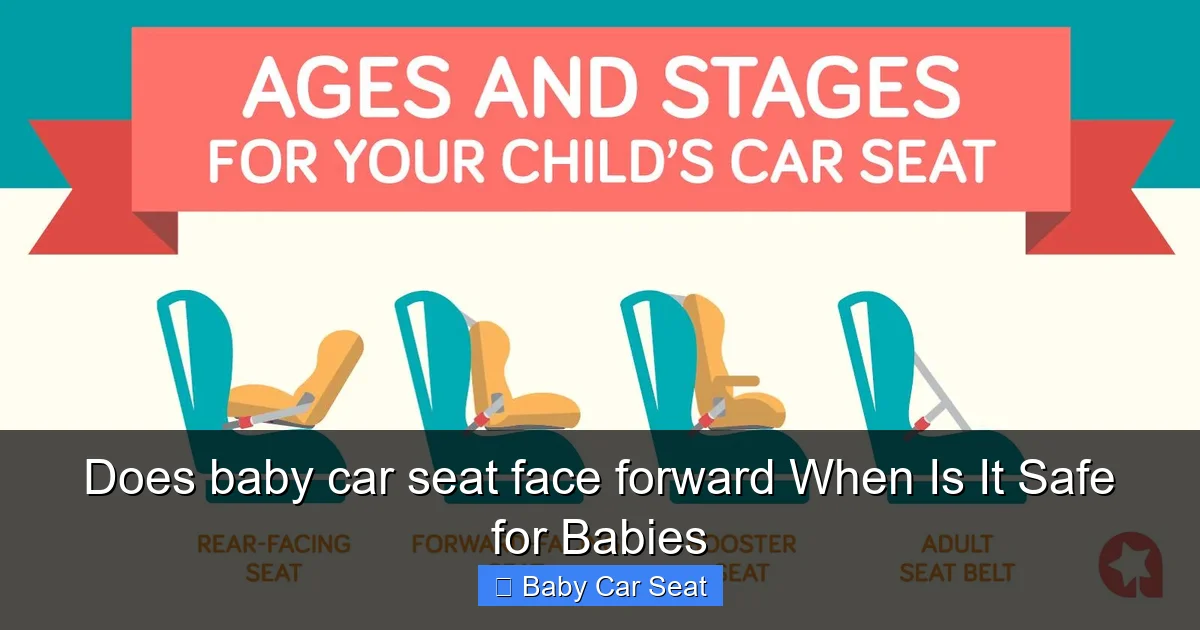
One simple answer to does baby car seat face forward is: not until the child meets the seat maker’s forward-facing limits. Many convertible seats allow forward-facing at 20 to 40 pounds. Many experts recommend keeping the child rear-facing until at least age 2. Some say keep them rear-facing until age 4 if the seat allows it.
Visual guide about Does baby car seat face forward When Is It Safe for Babies
Image source: smartparents.sg
Weight
Check the lower and upper weight limits for rear-facing. Don’t move forward until the child exceeds the rear-facing weight limit. If the seat’s rear-facing limit is 40 pounds, you can keep them rear-facing until they reach that weight.
Height
Make sure the child’s head does not hit the top of the seat when rear-facing. Check the maximum rear-facing height. If the head is close to the top, it may be time to move forward if weight also meets limits.
Age and Development
Use age as a guide. Most health and safety groups recommend rear-facing until at least age 2. Better is to wait longer if the seat lets you. Also check the child’s neck strength and ability to hold their head up on their own.
Step 4: Look for Physical Readiness
Decisions about does baby car seat face forward should include physical signs. The child should have good head and neck control. They should sit upright well. If your child slumps forward while rear-facing, check if the harness and angle are right first. Don’t move them forward just because they fuss. Fussy does not mean ready.
Check Head Position
When rear-facing, the child’s head should stay within the seat’s head support during normal movement. If the head flops forward, fix the recline or head insert. If this continues, talk to your pediatrician.
Step 5: How to Transition Safely
Ready to make the switch? Here is a clear process to answer does baby car seat face forward for your child.
1. Read the Manual Again
Confirm the steps for forward-facing. Check harness slot height and tether instructions.
2. Move Harness to Correct Slot
For forward-facing, the harness straps usually go through slots at or above the child’s shoulders. Check your manual. Change the harness height if the seat requires it.
3. Reinstall the Seat Forward-Facing
Use the belt path marked for forward-facing. Some seats use LATCH. Others use the vehicle belt. Tighten hard. The seat should not move more than 1 inch at the belt path.
4. Attach the Top Tether
Always use the top tether for forward-facing convertible seats. The tether cuts forward movement in a crash. Clip it and tighten per instructions.
5. Check the Recline and Angle
Most forward-facing seats have a different angle than rear-facing. Make sure the seat is upright enough to keep the child’s airway open. Check the level indicator.
6. Fit the Harness
Tighten the harness so you cannot pinch any webbing at the shoulder. The chest clip should be at armpit level. Re-check fit after tightening.
Step 6: Installation Tips and Examples
Here are some simple tips to make the switch smooth. They help answer everyday questions like does baby car seat face forward for busy parents.
- Tip: If your child is close to the rear-facing height or weight limit, wait. Keep them rear-facing longer if possible.
- Tip: If you share cars, move the seat between cars only when needed. Always check the fit in each vehicle.
- Example: Emma is 2 years old and 28 pounds. Her convertible seat allows rear-facing to 35 pounds. She stays rear-facing. She will switch when she exceeds the weight or the headroom limit.
- Example: Leo is 3 and 35 pounds. His seat allows forward-facing at 30 pounds. He is ready if he fits the height and harness rules. Install forward-facing and use the tether.
Step 7: Common Mistakes to Avoid
Many parents ask does baby car seat face forward and then make simple errors. Avoid these mistakes.
- Moving a child forward because they cry. Crying alone is not a reason.
- Ignoring the seat manual. The manual is the final authority.
- Skipping the top tether. Always use it for forward-facing seats.
- Leaving the harness too loose. The harness must be snug.
- Using the wrong belt path. There is one path for rear and one for forward.
Step 8: Travel and Napping Considerations
Think about naps and longer trips. Parents often wonder if does baby car seat face forward affect sleep. Rear-facing can be more reclined. Many babies sleep well rear-facing. When forward-facing, watch for slumping. Slumping can block airways. Use a seat with proper recline. Stop and check often on long trips.
Troubleshooting
Here are common problems and quick fixes when you deal with does baby car seat face forward.
Problem: Seat Moves Side-to-Side or Front-to-Back
Fix: Tighten the belt or LATCH strap. Check the belt path. Reinstall the seat. The seat should not move more than 1 inch at the belt path.
Problem: Harness Too Tight or Too Loose
Fix: Reposition harness height. Use the harness adjuster to tighten. For loose straps, re-thread the harness if needed. If you cannot get a snug fit, check the seat manual for inserts or forward-facing options.
Problem: Child Slumps Forward After Switching
Fix: Check the seat angle and recline. If the child still slumps, consider moving back to rear-facing if the child still meets rear-facing limits.
Problem: Confusing Instructions
Fix: Call the car seat maker. Visit a certified child passenger safety technician. Many local fire or police stations offer checks.
Legal Rules and Expert Advice
Local laws can set minimums for forward-facing. Check your state or country rules. Many laws allow forward-facing at specific ages or weights. But laws are minimums. Safety groups often advise keeping a child rear-facing longer than the law requires. The best practice is to follow the seat manual and safety expert advice.
When to Move to a Booster
After forward-facing, the next step is a booster seat. This comes only when the child outgrows the forward-facing harness. That usually happens between 40 and 65 pounds, depending on the seat. Check the forward-facing height and weight limits. Never skip the harness step.
Special Cases
Some children have medical needs or special conditions. Parents ask, does baby car seat face forward apply the same way? Not always. Talk to your pediatrician. Some medical professionals recommend earlier or later changes. Get written guidance for car seat technicians if needed.
Maintenance and Inspection
Keep the seat clean and inspect it often. Check for cracks, frays, or worn webbing. Replace seats after moderate to severe crashes. Do not buy expired car seats. The label shows the expiration date. Regular checks help ensure safety when you answer does baby car seat face forward.
Final Safety Checks
- Harness snug at shoulders. No pinched webbing.
- Chest clip at armpit level.
- Seat solid at the belt path. Less than 1 inch movement.
- Top tether attached and tight.
- Seat angle correct per manual.
Conclusion
So, does baby car seat face forward? The short answer is: only when your child meets the seat maker’s rules and shows physical readiness. Keep your baby rear-facing as long as the seat and child allow. Read the manual. Follow weight and height limits. Use the tether and belt path. Check the harness fit every ride. When you follow clear steps, you keep your child safer. If you are unsure, ask a certified technician. Safety is simple when you follow the rules.
🎥 Related Video: When Should I Turn My Child's Car Seat Around?
📺 IntermountainParents
We get a lot of questions about when it’s time to turn your child’s car seat around. This video goes over when it is safe to turn your …
